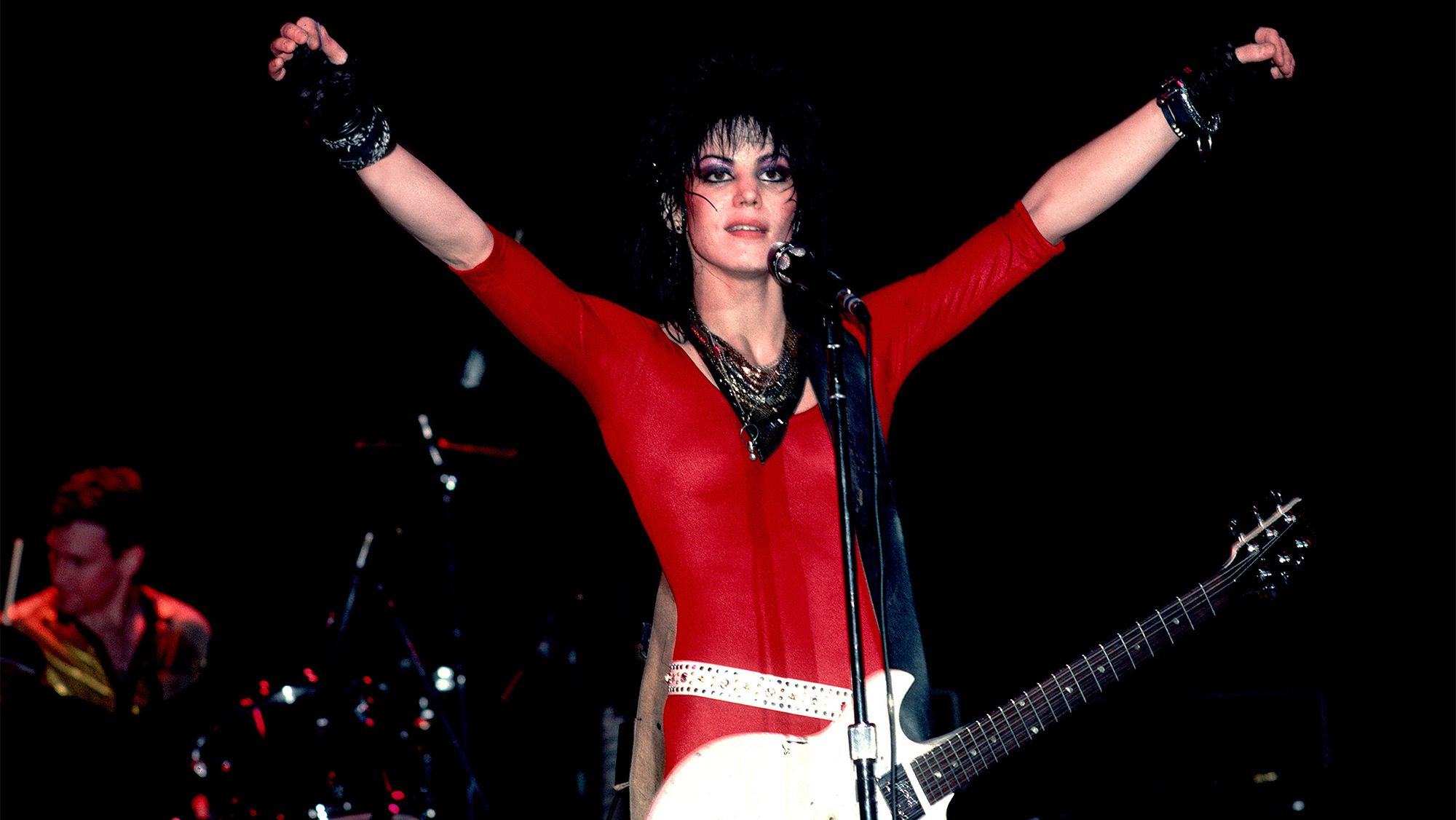
Joan Jett: A Trailblazer in Rock Defying Gender Norms
emerging as a rock legend in the 1970s, Joan Jett made her mark with electrifying tracks like “I Love Rock ‘n’ Roll” and “Bad Reputation.” However, her ascent to fame was not without its challenges, especially in confronting the pervasive sexism that characterized the music industry of her time. In a recent interview,Jett opened up about her struggles,beginning with her early days as a guitarist in the groundbreaking band,the Runaways.
Breaking Barriers in a Male-Dominated scene
When the Runaways formed in 1975, female rock musicians were a rarity. Most women were typically seen strumming acoustic guitars, while Jett aimed to shatter that stereotype by showcasing the power of the electric guitar. “I was passionate about girls playing rock music and proving they could match the boys,” she shared in an interview with NBC. “It was revolutionary and exciting, and I thought everyone would embrace it.”
Unfortunately, the reality was starkly different. In her conversation with RNZ, Jett recounted the resistance she faced: “If I had an acoustic guitar, it would have been acceptable, but the electric guitar made it seem like I was crossing a line. I questioned, ‘Why can’t I?’” She pointed out the hypocrisy of her situation, noting that her female classmates were excelling in classical music on various instruments, yet she was told she was not permitted to play rock music.
Overcoming Rejection and Doubt
JettS journey was fraught with obstacles, including a discouraging experience with her music teacher. “I walked in, eager to learn rock ’n’ roll, and he dismissed me, saying, ‘Girls don’t play rock ’n’ roll. Let’s stick to folk songs instead,’” she recalled. Undeterred, Jett took matters into her own hands, purchasing a book to teach herself the craft.
As the Runaways sought a record deal, they encountered further setbacks. “We received 23 rejection letters,” Jett revealed to RNZ. “We sent out five songs that later became hits, yet the responses ranged from ‘not interested’ to ‘lose the guitar’ and even ‘you need a song search.’”
Defying the Odds on Stage
Despite their groundbreaking presence, the Runaways faced hostility during performances. jett recounted how they were often booed and even spat at, as the audience refused to acknowledge their talent. “We were so close to opening doors for future female artists,” she reflected in an interview with Guitar World. “Yet, the radio industry seemed to operate on the notion that only one female artist could be in the spotlight at a time.”
A Legacy of Empowerment
Jett’s resilience has solidified her status as a rock icon. She made history as the first woman to have a signature guitar,a re-creation of her beloved 1965 Gibson Melody Maker,released in 2008. Her influence has paved the way for future generations of female musicians, although the industry still has room for improvement. In 2019, Fender acknowledged the need for more female signature artists in their lineup.
That same year, Jett was honored with induction into the rock and Roll Hall of Fame, becoming only the second female guitarist to recieve this accolade, following Sister Rosetta Tharpe. Her former bandmate, Lita Ford, has also shared insights for aspiring guitarists, emphasizing the value of a gritty, street-smart approach to music.
Joan Jett: Rocking Through the Ranks and Defying Sexism on Her Journey to Stardom
Joan Jett: Rocking Through the Ranks and Defying Sexism on Her Journey to Stardom
The Rise of a Rock Legend
Joan Jett, frequently enough hailed as the “Queen of Rock ‘n’ Roll,” emerged in the 1970s as a trailblazer in a male-dominated music industry. With her powerful voice and electrifying guitar skills, she became a symbol of female empowerment in rock music. Jett’s journey to stardom was not just about her musical talent; it was also marked by her relentless fight against sexism.
Breaking Barriers in the Music Industry
When Jett joined the Runaways, one of the first all-girl rock bands, she faced significant challenges. At a time when female musicians were often relegated to playing acoustic instruments, Jett was resolute to showcase the electric guitar’s potential. Her passion for rock music was evident from the start, as she stated:
“I was so into this idea of girls being able to play rock and roll, and that they’d play as well as boys would.”
Early Struggles and Rejections
Despite her talent, Jett encountered numerous obstacles. She faced skepticism from music industry executives and was often told that girls couldn’t rock. The Runaways received over 23 rejection letters from record labels, highlighting the industry’s reluctance to embrace female rock musicians. Jett recalls:
“We sent them five hits, and they sent us a variety of rejection letters from ‘uninterested’ to ‘lose the guitar.’”
Defying Sexism on Stage
Performing live was another battleground for Jett and her band. They often faced hostility from audiences who were not ready to accept female rockers. Jett described how they were booed and even spat at during performances. yet, she remained undeterred, believing that they were on the brink of changing the music landscape for women.
Impact on Future Generations
jett’s defiance and success paved the way for future female musicians. She became the first woman to have a signature guitar, a re-creation of her 1965 Gibson Melody Maker, released in 2008. This milestone not only solidified her legacy but also inspired countless aspiring female guitarists.
Joan Jett’s Musical Achievements
Throughout her career,Jett has achieved numerous accolades,including:
- Induction into the Rock and Roll Hall of Fame in 2019
- Multiple Grammy nominations
- Iconic hits like “I Love Rock ‘n’ Roll” and “Bad Reputation”
Table of Key Achievements
| year |
Achievement |
| 1975 |
Formed the Runaways |
| 1981 |
Released “I Love Rock ‘n’ Roll” |
| 2019 |
Inducted into the Rock and Roll Hall of Fame |
Practical Tips for Aspiring Musicians
Inspired by Joan Jett’s journey? Here are some practical tips for aspiring musicians looking to break into the industry:
- Stay True to yoru Passion: Embrace your unique style and sound,just as Jett did with her rock music.
- Learn Your Craft: Invest time in mastering your instrument. Self-teaching can be effective, as Jett demonstrated.
- Network: Build connections within the music industry. attend events, join local bands, and collaborate with other musicians.
- Be Resilient: Expect rejection and criticism, but don’t let it deter you. Keep pushing forward and believe in your talent.
Case Studies: Women in rock
Joan Jett is not alone in her fight against sexism in the music industry. Here are a few other notable female rock musicians who have made significant impacts:
- Pat Benatar: Known for her powerful vocals and hits like “Hit Me with Your Best Shot,” she broke barriers in the 1980s.
- Stevie Nicks: As a member of Fleetwood Mac, she became a symbol of female empowerment in rock music.
- Alanis Morissette: Her album “Jagged Little Pill” challenged societal norms and showcased female strength.
First-Hand Experience: Joan Jett’s Legacy
Joan Jett’s influence extends beyond her music. she has become a mentor for manny young female musicians,encouraging them to pursue their dreams despite the challenges they may face. Her story serves as a reminder that perseverance and passion can lead to success,even in the face of adversity.
Join the Beatbounty Community
If you’re inspired by Joan Jett’s journey and wont to take your music career to the next level, consider joining the Beatbounty platform. create an account today and submit an ad to connect with other musicians,share your talent,and find opportunities in the music industry!
Become a valued member of Beatbounty platform.
Start selling and connect with fellow musicians – LOGIN or REGISTER!