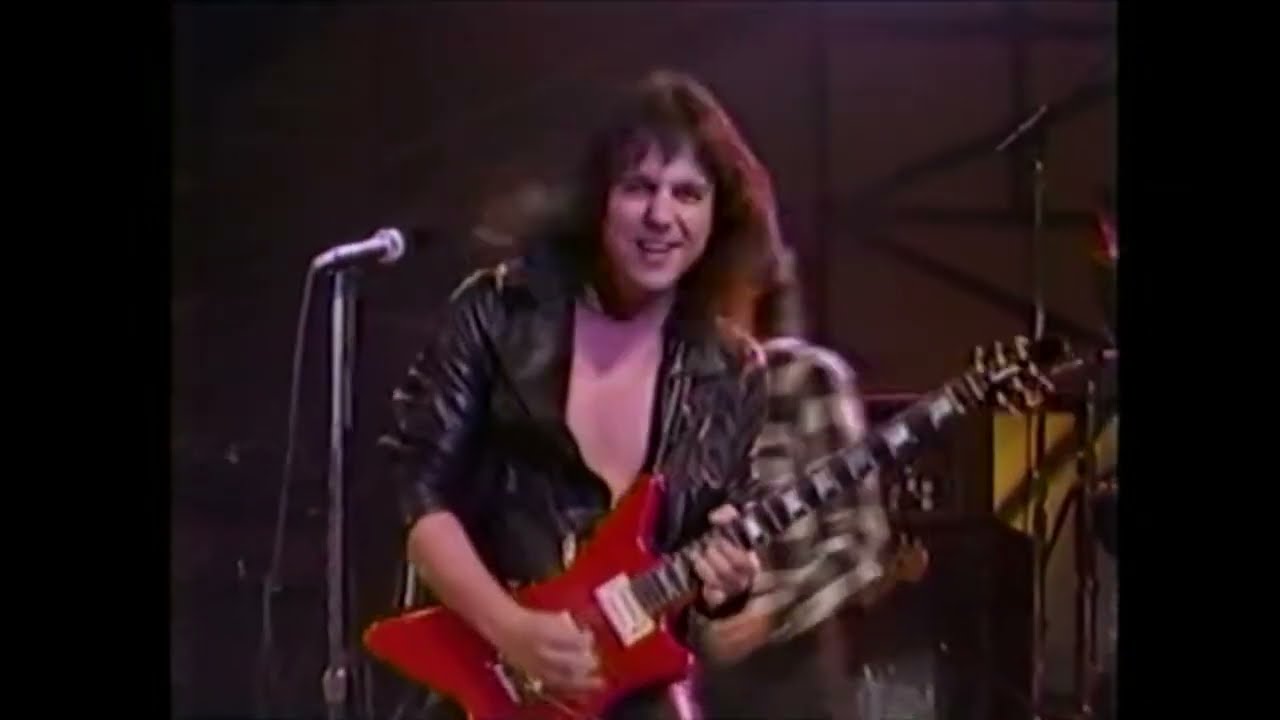
From Stardom to Strings: Craig Chaquico Reflects on Starship's Iconic Hits and His Journey Through Teen Fame
0 reactions
8 months ago
Beatbounty
The Journey of Craig Chaquico: From Teen Guitar Prodigy to Rock Icon
At just 16 years old, Craig Chaquico was balancing two worlds: a high school student by day and a session guitarist by night. This talented musician from the Bay Area had already made a name for himself in a band called Steelwind, which was led by his English teacher. It was through this connection that he met Paul Kantner, the founder of Jefferson Airplane. Before long, chaquico found himself contributing to solo projects for both Kantner and Grace slick, another key member of the legendary band.
“It was a wild experience,” Chaquico recalls. “I was recording with Jerry Garcia and othre local legends, but it wasn’t the glamorous rock-star life everyone imagines. I still had to bike home, attend school, and keep my grades up, or my parents would have tossed my guitar out!”
joining Jefferson Starship: A Leap into the Spotlight
After Jefferson Airplane disbanded in 1973, kantner and Slick formed Jefferson Starship and invited Chaquico to join them for a brief six-week tour. While many parents might have been apprehensive about their teenager touring with older bandmates, Chaquico’s mother was surprisingly supportive. ”My dad was skeptical, but my mom thought, ‘It’s just one tour.He’ll get it out of his system. He’s responsible enough not to fall into bad habits,’” he remembers.
That initial tour turned into a permanent role for Chaquico, who quickly became an integral part of the band. His guitar work shone on their 1974 debut album, Dragon Fly, featuring the hit single Ride the Tiger. The following year, he solidified his place as a key songwriter on Red octopus, contributing to tracks like Fast Buck Freddie and Sweeter Than Honey.
With the addition of former Airplane co-vocalist Marty Balin, the band reached new heights. Balin’s enchanting ballad Miracles, which showcased Chaquico’s exquisite guitar solos, propelled the album to the top of the Billboard charts.
Hit After Hit: The Evolution of Starship
As Chaquico and Jefferson Starship continued to produce hits, they experienced a significant transformation in 1979. With Balin and Slick departing,the band welcomed singer Mickey Thomas,marking a shift towards a more hard-rock sound. Their album Freedom at point Zero featured the iconic track jane, which showcased Chaquico’s electrifying guitar solos.
over the next decade,Chaquico remained with the band through various lineup changes and musical shifts. By the time they released Knee Deep in the Hoopla in 1984, the band had rebranded as simply Starship. Despite facing criticism for being labeled “corporate rock,” the band enjoyed immense commercial success with anthems like We Built This City and Nothing’s Gonna Stop Us now.
however, the tides turned after Slick left the band again, and their 1989 album, Love Among the Cannibals, failed to make a significant impact on the charts.
A Turning Point: Reflecting on Change
“By that time, everyone else had either left or been let go,” Chaquico reflects. “It was just Mickey and me. This was a pivotal moment for me because I had contributed to every song. We had just come off three consecutive Number 1 hits featuring Mickey in all the music videos. The focus was shifting entirely to him,and I thought,’Well,that’s how it goes.’”
Joining Forces with Legends: A Dream come True
Looking back, how did you feel about teaming up with Paul Kantner and grace Slick for this new venture? Were you hesitant at all?
“I was actually hoping for an invitation from Led Zeppelin, but that never materialized![[[[Laughs]No, I was eager to join. The idea of forming a new band excited me, especially knowing we wouldn’t be stuck playing Jefferson Airplane songs forever. We were going to create our own music.”
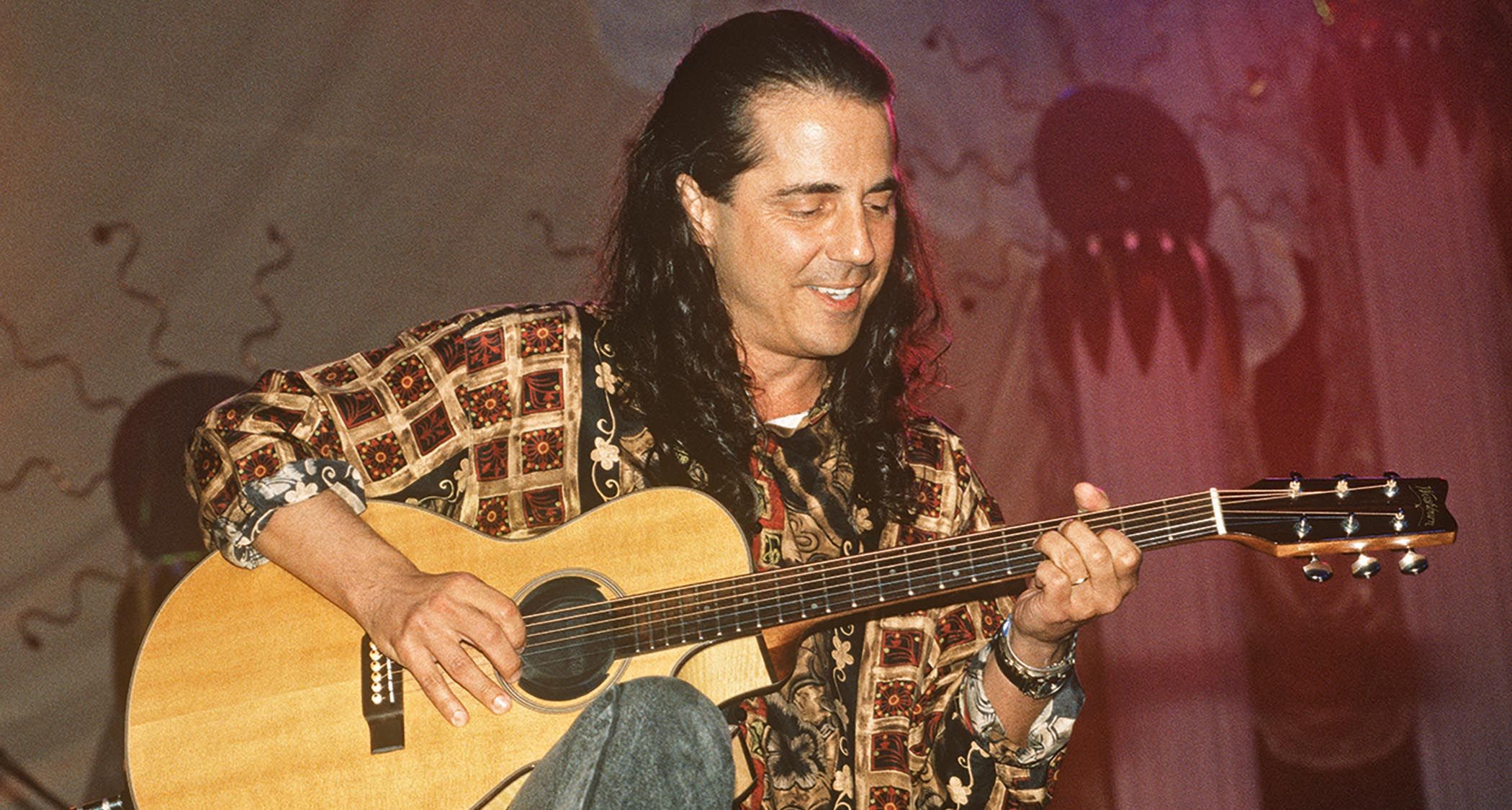
Jefferson Starship – Winds Of Change (Official Music Video) – YouTube
Embracing the Challenge: Age is Just a Number
It’s quiet remarkable that your parents allowed you to join a band with much older musicians.
“Just like many other young musicians, my parents were supportive. I was drawn to the idea of playing with seasoned artists as I believed they would bring valuable experience to the table,” Chaquico explains. “The older members welcomed my fresh outlook, and by the time I was invited to join, the age difference didn’t seem to matter.”
The Evolution of Craig Chaquico: A Journey Through rock History
Craig Chaquico’s rise in the music world is a fascinating tale of talent and timing. When he joined Jefferson Starship, he was just a young guitarist eager to make his mark. Reflecting on his early days, he recalls, “Our manager was realy against my long guitar solos. He even came in with a stopwatch,insisting I needed to shorten them.”
Finding his Place in the Band
Although Paul kantner never explicitly stated his desire to infuse the band with youthful energy, Chaquico felt a natural camaraderie with the group. “They were the opposite of typical rock stars,” he explains. “They felt like down-to-earth Northern California hippies, and I connected with that vibe.”
When it came to the dynamics within the band, Chaquico notes, “Paul wasn’t a lead guitarist, which is why they brought me in. I ended up playing many rhythm parts alongside him. Our styles complemented each other beautifully,especially on tracks like Sweeter Than Honey,which I co-wrote with Marty Balin.”
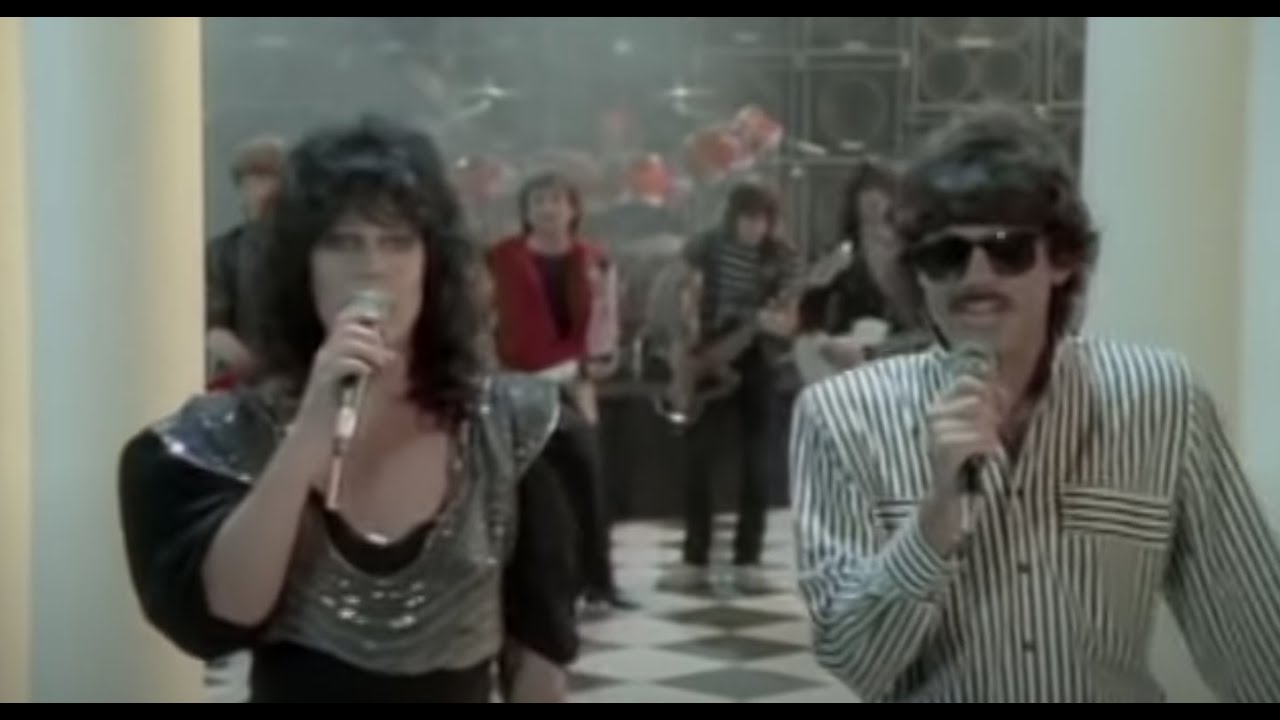
Starship – we Built This City (Official Music Video) [HD] – YouTube
The Birth of an Iconic Track
one of the standout moments in chaquico’s career was the creation of the song Miracles. “I remember vividly when Marty brought it to us,” he shares. “He sat on the couch, playing it on his acoustic guitar for us. It was a seven-minute masterpiece, and we were all captivated.”
During rehearsals, there was no formal arrangement; everyone played freely, which led to a unique collaborative atmosphere. “Marty never directed my playing,” Chaquico recalls. “I recorded my lead parts continuously for seven minutes, trying to match the imagery of his lyrics, which were filled with beautiful imagery like windmills and rainbows.”
Jefferson Starship – Miracles (Official Audio) – YouTube
Transitioning to a Harder Sound
As the band evolved, so did their sound. With the departure of Grace Slick and Marty Balin, and the arrival of Mickey Thomas, the group began to embrace a harder rock style. “Critics labeled us as ‘corporate rock’ alongside bands like Boston and Foreigner,” chaquico explains. “But we were still writing and rehearsing together. The album Freedom at Point Zero marked our shift towards a more contemporary rock vibe, which I fully embraced.”
Chaquico was a fan of bands like Aerosmith and Bad Company, and he enjoyed the direction the band was taking. ”When we released songs like Jane and Find Your Way Back, I didn’t mind the ‘corporate’ label. We were playing stadiums and evolving with the times, and I loved that our music featured more guitar.”
The Iconic Solo in “Jane”
Chaquico’s solo in Jane became a defining moment in his career. “Our manager was concerned about the length of my solo,” he recalls. “He even timed it with a stopwatch and insisted I cut it down.” However, during a band vote, the majority sided with keeping the solo intact.”our producer backed me up, and I’m glad we did.Every time I hear it on the radio, I think, ‘Right on!’”
Interestingly, he received unexpected praise from Metallica members at an awards show. “They told me they loved that solo in high school because long guitar solos were rare at the time,” he shares, reflecting on the impact of his work.
Starship- Live In Tampa Florida (Knee Deep in Hoopla Tour) 1985 FULL SHOW HD 1080p - YouTube FULL SHOW HD 1080p – YouTube” data-aspect-ratio=”16/9″ loading=”lazy”/>
Crafting the Sound
When asked about the gear he used for the iconic track, Chaquico confirms, “It had to be a les Paul through a Fender bassman.” This combination contributed to the rich, powerful sound that defined many of Starship’s hits.
As the band continued to evolve, Chaquico embraced the changes, contributing to a legacy that would resonate with fans for decades. His journey through the world of rock music is a testament to his talent and adaptability,making him a revered figure in the industry.
Craig Chaquico: Navigating the Rock Landscape and Beyond
Craig Chaquico’s journey through the music industry is a compelling narrative of creativity and evolution.Reflecting on the iconic song We Built This City, he acknowledges, “It may not be a classic in the customary sense, but at the time, it was groundbreaking. I was just one member of the band and didn’t feel it was my place to dictate our musical direction.”
During a pivotal meeting with A&R executive John Koladner, who was a fan of Chaquico’s work, he received a warning: “That song could be a hit, but be cautious. It might jeopardize your rock credibility.” This insight proved to be prophetic as the song’s reception sparked a debate about the band’s identity.
“I was just one guy in the band. I wasn’t going to tell everybody, ‘We’ve got to do it this way. We’re never going to do keyboard songs.’”
Exploring New musical Horizons
since departing from the band, Chaquico has ventured into the realms of jazz and New Age music. “I’m still actively creating music,” he shares. “I have my own studio where I write, although I’m not currently on tour. my past tours primarily focused on instrumental music, but I would love to revisit the hits I contributed to.”
interestingly, the name “Jefferson Starship” has become a point of contention. “It’s ironic that there are now two bands using the name,” he notes, referring to both Jefferson Starship and Starship featuring Mickey Thomas. “Initially, we were told that no one was supposed to use it.”
Jefferson starship – Jane (Live,1984) – YouTube
The Call to Reunite
Chaquico expresses a desire to perform the classic hits again. ”I had someone question why they should hire me when they could get the ‘real thing.’ My goal was to bring the real essence of the music back,” he explains. He reached out to former bandmates, including Paul Kantner and Marty Balin, suggesting a reunion to play the songs fans love.
While no one outright declined,the idea didn’t gain traction. “When David Freiberg learned that Marty might join, he expressed his preference to continue with his current band, which includes Cathy Richardson. He wanted to pursue his own version of Jefferson Starship,” Chaquico recalls.
Grace Slick eventually licensed the name to Freiberg’s group, while mickey Thomas did not respond to Chaquico’s outreach. “Everyone else was open to the idea, but without the backing of those using the name, it raised the question: would we end up with three different Jefferson Starships?”
From Stardom to Strings: craig Chaquico Reflects on Starship’s Iconic Hits and his Journey through Teen Fame
From Stardom to Strings: Craig Chaquico reflects on Starship’s Iconic Hits and His Journey Through Teen Fame
The Early Years: A teenage Prodigy
At just 16 years old, Craig Chaquico was already making waves in the music industry. Balancing high school life with his burgeoning career as a session guitarist,he quickly became a sought-after talent in the bay Area music scene. His early experiences playing with bands like Steelwind laid the groundwork for his future success.
Meeting the Legends
Chaquico’s big break came when he was introduced to Paul Kantner, the founder of Jefferson Airplane. This connection opened doors for him, leading to collaborations with iconic musicians like Grace Slick and Jerry Garcia. These formative experiences not only honed his skills but also shaped his musical identity.
Joining Jefferson starship: A New Chapter
After the breakup of Jefferson Airplane in 1973, Kantner and Slick formed Jefferson Starship and invited Chaquico to join them for a six-week tour. This opportunity marked a meaningful turning point in his career.
Supportive Family Dynamics
While many parents might have been apprehensive about their teenager touring with older musicians, Chaquico’s mother was supportive. She believed in his talent and judgment, allowing him to explore this new chapter in his life.
Contributions to Iconic Hits
As a member of Jefferson Starship, Chaquico contributed to several iconic albums, including Dragon Fly and Red octopus. His guitar work became a defining element of the band’s sound.
Key Tracks and Collaborations
Ride the Tiger: Chaquico’s electrifying solos helped propel this track to success.
Miracles: Co-written with Marty Balin, this song showcased his ability to blend melody with intricate guitar work.
Jane: His memorable solo in this track became a hallmark of 80s rock music.
The Evolution of Starship
as the band evolved, so did their sound.With the arrival of singer Mickey Thomas, Jefferson Starship transitioned into a more hard-rock-oriented group. This shift was met with mixed reactions from fans and critics alike.
Critics and Commercial Success
Despite being labeled as “corporate rock” by some critics, Starship enjoyed immense commercial success. Hits like We Built This City and nothing’s Gonna Stop Us Now dominated the airwaves, showcasing the band’s ability to adapt to changing musical landscapes.
Behind the Scenes: The Creative Process
Chaquico’s creative process involved collaboration and experimentation. He often found himself in the studio, working closely with other band members to craft their sound.
Case Study: The Making of “Miracles”
During the recording of Miracles, Chaquico recalls a unique experience where he was allowed to express himself freely. “Marty let me do my thing,” he says. “I played lead parts continuously, trying to match the imagery of his lyrics.” This collaborative spirit was a hallmark of the band’s creative process.
Transitioning to a Solo Career
After years of success with Starship, Chaquico decided to pursue a solo career, exploring genres like jazz and New Age music. This transition allowed him to express his musicality in new ways.
Current Projects and Future Aspirations
Today, Chaquico continues to create music from his own studio. even though he is not currently touring, he expresses a desire to return to the stage and perform the hits that defined his career.
Benefits of Embracing Change in music
Chaquico’s journey illustrates the importance of adaptability in the music industry. Here are some benefits of embracing change:
Creative Growth: Exploring new genres can lead to personal and artistic development.
Broader Audience Reach: Diversifying your sound can attract new fans and expand your listener base.
Longevity in Career: Adapting to trends can help sustain a long-term career in music.
Practical Tips for Aspiring Musicians
For those looking to follow in Chaquico’s footsteps, here are some practical tips:
Network: Build relationships with other musicians and industry professionals.
Stay Open-Minded: Be willing to explore different musical styles and genres.
Practice Regularly: Dedicate time to hone your craft and improve your skills.
utilize Technology: Leverage social media and digital platforms to promote your music.
join the Beatbounty Community
If you’re an aspiring musician or a fan looking to connect with artists, consider creating an account on the Beatbounty platform. It’s a great way to submit ads, collaborate with others, and showcase your talent to a wider audience.
table: Key Milestones in Craig Chaquico’s Career


![starship - We Built This City (Official Music Video) [HD] - YouTube](https://img.youtube.com/vi/K1b8AhIsSYQ/maxresdefault.jpg "From Stardom to Strings: Craig Chaquico Reflects on Starship's Iconic Hits and His Journey Through Teen Fame 7")
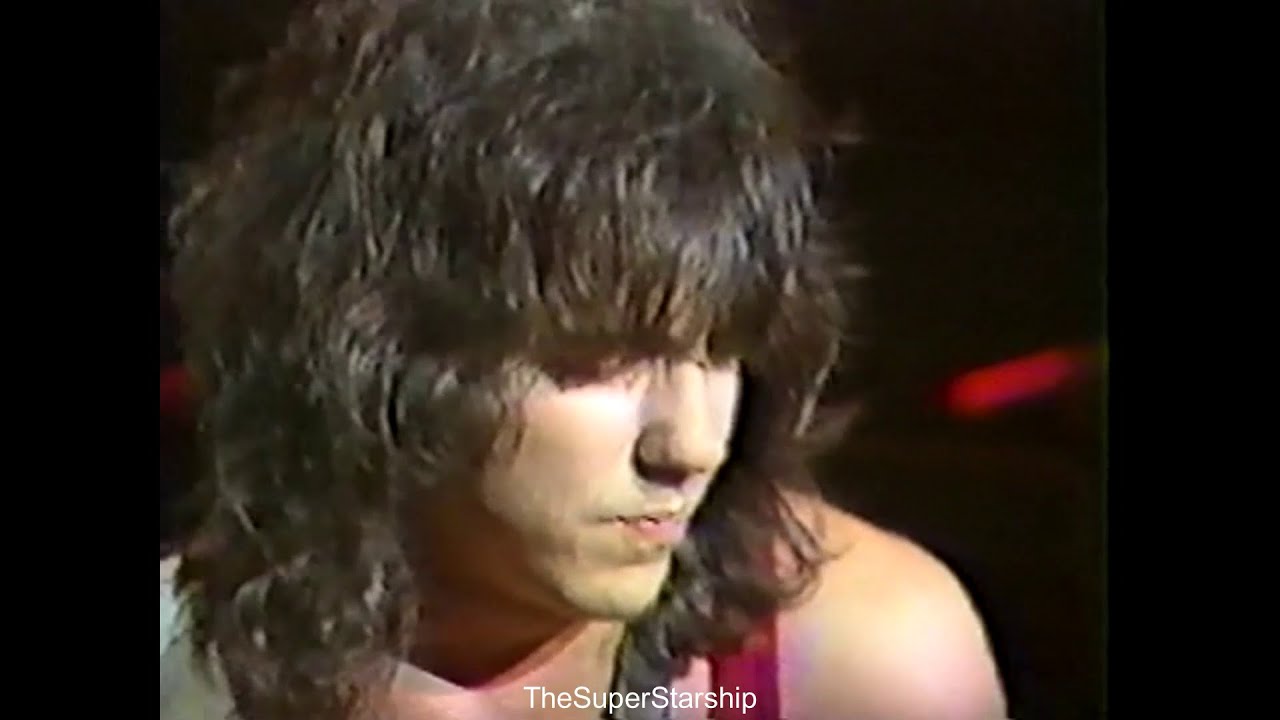 FULL SHOW HD 1080p – YouTube” data-aspect-ratio=”16/9″ loading=”lazy”/>