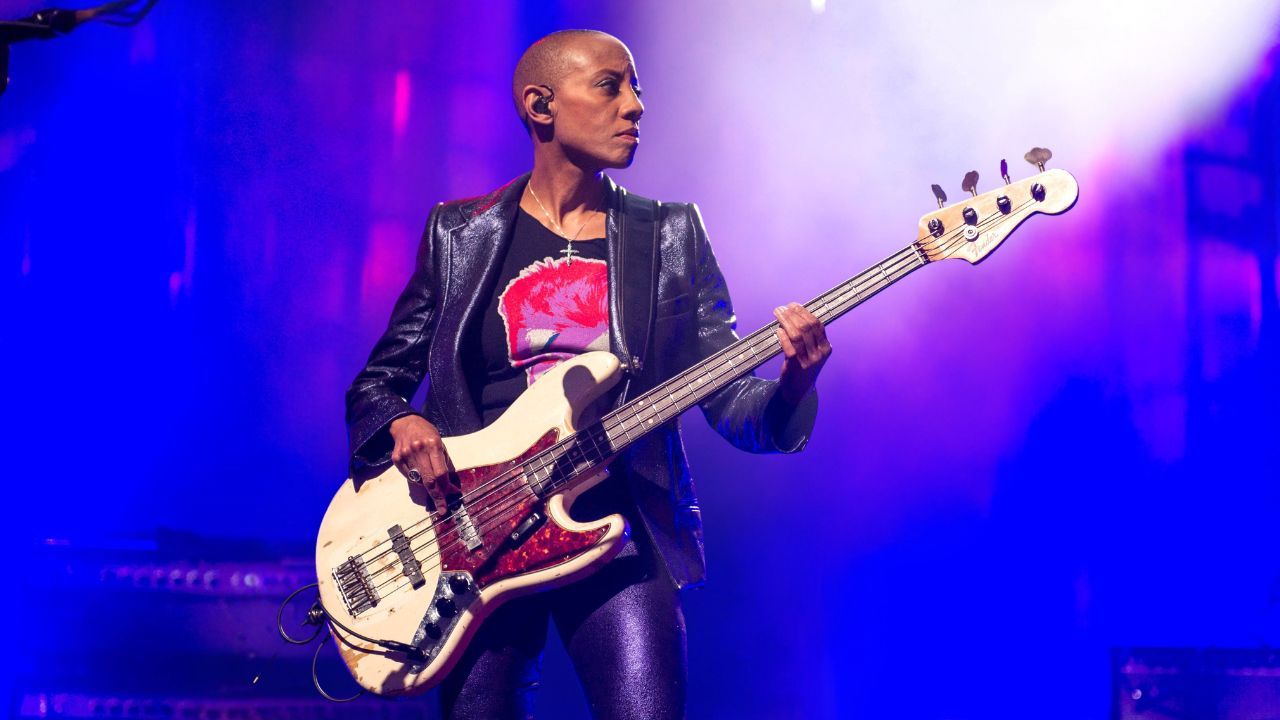
Gail Ann Dorsey: Insights from Her Journey with David Bowie adn Lenny Kravitz
Renowned for her role as a bassist in David Bowie’s band during the iconic Outside tour alongside Nine Inch Nails in 1995, Gail Ann Dorsey has established herself as a distinctive force in the music industry. Her approach to music is characterized by a commitment to enhancing the sound of every project she undertakes.
In a 2014 interview with Bass player, Dorsey shared her philosophy: “Being an extraordinary bassist is akin to being a great partner. You must be in sync with the music just as you would be with a significant other. It’s crucial to know when to take the lead and when to provide support.”
Early Musical Influences and beginnings
Hailing from West philadelphia, Dorsey picked up the guitar at the tender age of nine, inspired by the likes of Mark Farner from Grand Funk Railroad and Terry Kath from chicago. She later added clarinet to her repertoire during her school years. by 14, after jamming with friends in a local band, she was eager to join a professional group for the summer.
“I visited a nearby record store and discovered a bulletin board filled with ads from bands seeking bassists. I purchased an Epiphone bass, learned by playing along with the radio, and landed a gig in a cover band. Little did I know, I was absorbing lessons from legends like James Jamerson, Chuck Rainey, and my ultimate favorite, Joe Osborn,” she recalled.
A life-Changing Call from david Bowie
By the early ’90s, Dorsey had released her first two solo albums and toured with Tears For Fears when a production deal brought her to England, leading to a pivotal phone call from David Bowie.
“I was collaborating with Roland Orzabal in his home studio in Bath when David called. Initially, I thought it was a prank. He was gearing up for a six-week tour with Nine inch nails and invited me to play bass,” she explained.
“What started as a six-week stint evolved into an eight-year journey, with the first two years being non-stop. It took me quite a while to muster the courage to ask him why he chose me. He revealed that he had seen me perform on a talk show while promoting my first album in the late ’80s and had made a mental note to work with me someday. Five years later, he reached out.”
Reflecting on Bowie’s Legacy
When Dorsey spoke with Bass Player again in late 2016, she immediately addressed the profound impact of Bowie’s passing earlier that year.
“it still surprises me to hear his songs playing in public spaces, and I’m reminded that he’s no longer here. The connection we shared and the time spent together is irreplaceable,” she expressed.
“While I’ve experienced the loss of family and friends, mourning David has been a public affair; it’s challenging to grieve privately when someone is so famous. I still encounter strangers who express their condolences.”
Understanding the Role of a Bassist
“When I first joined Bowie’s band, I was filled with apprehension.I dedicated a significant amount of time to mastering the bass lines from his albums across various styles. It was essential for me to capture the essence of the music,” Dorsey shared.
“David once explained that he assembled his band like a film director casts actors. He understood each musician’s strengths and personalities,allowing them the freedom to express themselves.”
Admiring Bowie’s Bass Legacy
When asked about her favorite bassists from Bowie’s past, Dorsey expressed admiration for the early contributors like Herbie Flowers and Trevor Bolder. “Herbie is one of the top session bassists in England, known for tracks like space Oddity and Diamond Dogs. Trevor played on The rise & Fall of Ziggy Stardust and was part of the Spiders From Mars. Their playing style resonates with me,reminiscent of my heroes Joe Osborn and James Jamerson,” she noted.
Creative Challenges and Collaborations
“One of the most demanding aspects of performing was the need to sing while playing, especially when delivering soulful lines while keeping the bass groove tight, like when I sang the Luther Vandross part on Win from Young Americans,” she explained.
“David occasionally had specific ideas for bass parts. For instance, he had a unique bass line in mind for a track on the Long Live Tibet album called Planet Of Dreams. He guided me on a particular intro, and after that, I had the freedom to interpret the rest.”
Working with Lenny Kravitz
Dorsey also collaborated with Lenny Kravitz, who is himself a talented bassist. “Lenny’s approach is quite different; he prefers the bass to sound exactly as he envisioned it. This can be challenging,but it’s also incredibly rewarding as I learn so much from each experience,” she remarked.
“Playing with various artists has been my greatest education as a bassist. I never attended formal music school, can’t read music, and lack theoretical knowledge. My learning comes from listening and developing my own patterns. Each artist I’ve worked with has taught me a new way to approach the bass,which is always thrilling.”
Contrasting Work Ethic: Bowie vs. Kravitz
“Lenny and David have contrasting work ethics. Lenny often works late into the night, while David preferred a more customary schedule, often wrapping up by five and taking weekends off. Regardless, I’m always ready to jump in the car whenever Lenny calls,” she shared.
“Lenny tends to be more hands-on since he plays most instruments on his albums, and he expects the bass to reflect his original sound. I strive to replicate that, and so far, it’s been triumphant.He’s a taskmaster, but he’s also incredibly generous and fun to work with.”