Unveiling the genius of Mikael Åkerfeldt: From Robbery to Musical Triumph
Mikael Åkerfeldt, the mastermind behind Opeth, is often hailed as a visionary and trailblazer in the world of progressive metal. this month marks a notable milestone as his iconic album Blackwater Park celebrates its 25th anniversary and achieves silver certification. The album is a testament to Åkerfeldt’s fearless ambition and artistic brilliance.
Featuring expansive tracks like The Leper Affinity and The Drapery Falls,Blackwater Park is a sonic journey filled with groundbreaking elements that many bands would envy. It’s a record that showcases a unique blend of death metal ferocity, progressive rock intricacies, and folk-inspired melodies.
Åkerfeldt’s creative process during the album’s production was nothing short of remarkable. Arriving at Studio fredman in Gothenburg in the summer of 2000 with only a few rough ideas, he crafted many of the album’s intricate sections on the fly. “Back then, we didn’t have the luxury of home recording,” he recalls, reminiscing about his early days of demoing riffs on a four-track recorder at a friend’s house.
“Before Blackwater Park, I had a friend with an early version of Cubase, which allowed me to program some basic drum patterns.I created demos for tracks like Harvest and bleak, but they were just rough sketches,” he explains. The final recordings, though, evolved into something entirely diffrent, with many ideas spontaneously developed during the sessions. “If it felt right, we moved on. We had no outside input until producer Steven Wilson joined us later,” he adds.
reflecting on his instincts, Åkerfeldt expresses gratitude for his creative intuition. “I’m fortunate that my instincts usually lead me in the right direction,” he states confidently.
A Brush with Danger: The Robbery incident
In a shocking turn of events, Åkerfeldt recounts a harrowing experience just before entering the studio. “We were rehearsing in a rough area and didn’t even own our own amps at that time. One morning,while taking the subway home,a man approached us,brandishing a knife,” he shares,visibly shaken by the memory.
“He sat next to me and pressed the knife against my side. I was terrified. When he attempted to take my guitar, I shouted, ‘No!’ and a struggle ensued.” The guitar in question was his beloved black PRS CE24, an instrument he cherished and relied on during the album’s recording.
Crafting a masterpiece: The Essence of Blackwater Park
Åkerfeldt’s songwriting prowess shines through in the title track of blackwater Park, which he describes as “heavy and punishing.” He admits, “It’s a bit droney, sticking to the same dropped D key, and it’s quiet challenging to play, especially for the drummer with all the double bass sections.” Despite his self-critique, he acknowledges the track’s popularity among fans.
“Some parts might feel straightforward compared to the other songs, which have more dynamic shifts. However, I’m proud of the atmospheric section in the middle, which was inspired by Fleetwood Mac’s Oh Well,” he reveals.
Signature Sound: The Martin OM Series
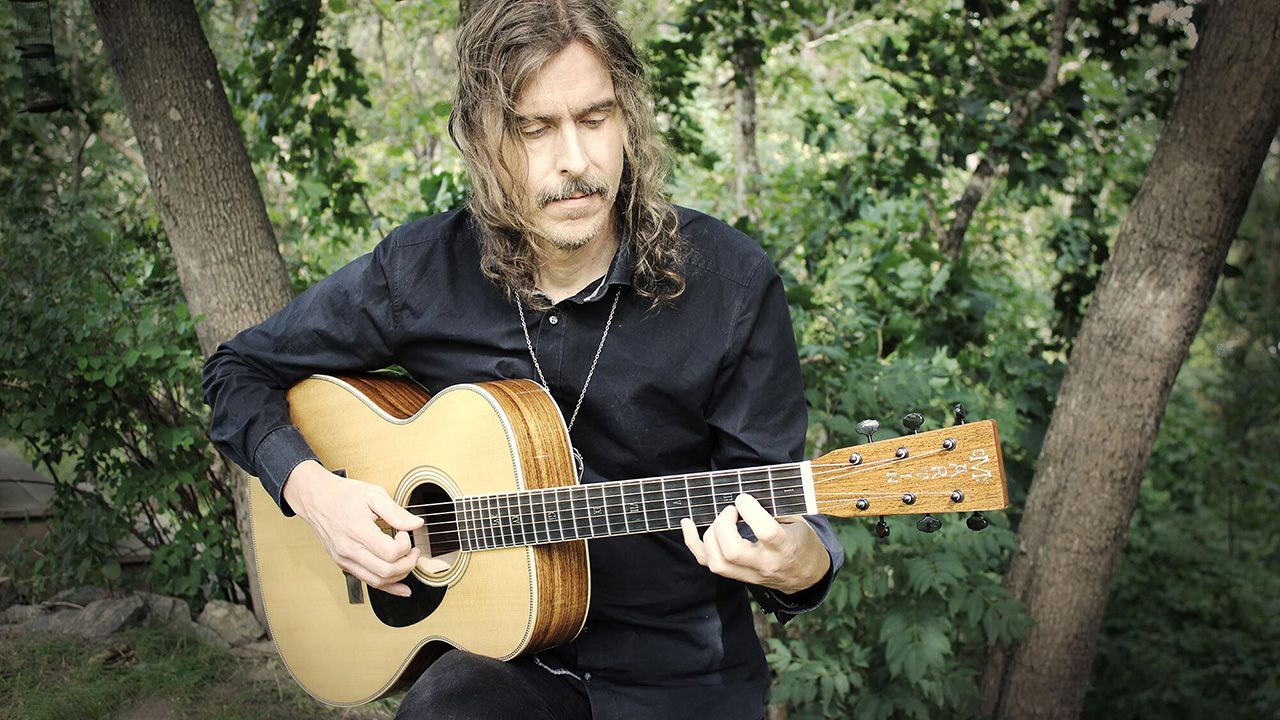
Last year, Åkerfeldt introduced his signature Martin OM series acoustic guitar, a significant achievement as he became the first Swedish artist to receive this honor. “I have the very first one right here,” he beams. “It’s surreal, especially considering my past working in a guitar shop selling Martins. It feels like a full-circle moment.”
He explains his preference for the OM series, stating, “I favor smaller guitars for recording. Larger models can produce overwhelming bass tones, while the orchestral models have a clarity that cuts through the mix beautifully.” he appreciates thier comfort and sound quality, making them ideal for intimate settings like campfires.
Legendary Encounters: A Visit to the Martin Museum
During a visit to the Martin museum, Åkerfeldt had the chance to play some legendary guitars, including a 1953 martin D-18 that once belonged to Kurt Cobain. “It was surreal to hold such iconic instruments,” he recalls. “Some guitars felt light as air, while others, like Cobain’s, didn’t resonate as well.”
Influences and Inspirations
Though Åkerfeldt’s music is frequently enough associated with progressive metal,he has a deep admiration for Nirvana. “I love their sound, especially tracks like Polly,” he shares. He acknowledges the elitism that sometimes surrounds popular bands,noting that many fans dismiss their later work. “But I believe Nevermind is a phenomenal album,” he asserts.
Åkerfeldt also has a fondness for Alice In Chains,having covered their song Would? in 2008. “Their music is incredibly unique and ahead of its time,” he states. He recalls a memorable encounter with band members Jerry Cantrell and Mike Inez, expressing his admiration for their innovative sound.
Shining a Light on Underrated Talent
When discussing guitar legends, Åkerfeldt highlights Jan Akkerman as an underrated talent. “Many famous guitarists looked up to him in the ’70s,” he notes. ”His technique and melodic sensibility are exceptional, and he deserves more recognition.”
Mikael Åkerfeldt’s journey through music is a testament to his creativity, resilience, and passion. From overcoming adversity to crafting timeless music, he continues to inspire fans and fellow musicians alike.