The Evolution of Duesenberg Guitars: From Heavy Metal to Iconic Craftsmanship
Had circumstances unfolded differently, Duesenberg might have been synonymous with heavy metal guitars, a reputation it held from 1986 until the mid-1990s.Though, founder Dieter Gölsdorf envisioned a different path. He remarked, “The golden age of heavy metal had passed, and guitarists were gravitating back towards classic aesthetics. My vision was to create a high-quality guitar design reminiscent of the 1940s and 1950s.It felt like embarking on a nostalgic journey.”
Crafting the Starplayer: A Blend of Tradition and Innovation
Dieter’s vision included a “compact jazz guitar” designed to be lightweight and produce a vibrant sound. This concept, along with the “art Deco three-step design” that characterized the metal components, culminated in the creation of the Starplayer.This model laid the foundation for the Duesenberg brand we recognize today, as co-owners Dieter Gölsdorf and Ingo Renner explain.
The Starplayer’s Journey: From Concept to Icon
Indeed, the Starplayer TV has been a flagship model for Duesenberg for over three decades. Reflecting on its inception, the original design was more akin to what was recently reintroduced as the Starplayer CBR. Initially, it featured a chambered mahogany body paired with a flat maple top and neck, evolving over time into a more conventional spruce semi-acoustic with a center-block construction.
The goal was to craft an instrument that offered a familiar feel while incorporating innovative features and a distinctive appearance. It was essential for the guitar to be tonally versatile, allowing it to excel across various musical styles.
To achieve this, every component, notably those affecting the signal, had to meet the highest standards. The feedback from our dealer network was overwhelmingly positive, indicating we had struck the right chord.
Early Adopters: who Played the Starplayer First?
The first musicians to embrace the Starplayer were primarily from Germany, including notable artists like Peter Maffay and Carl Carlton. Soon after, international stars such as Keb’ Mo’ and Japanese singer-songwriter sheena Ringo joined the ranks of Duesenberg players.
Signature Models: A Personal Touch
The first artist to receive a signature Duesenberg model was Carl Carlton, who launched the Duesenberg CC model in 2000. This model was essentially a larger version of the Starplayer TV, tailored to suit Carlton’s stature. Over time, the CC became a staple in Duesenberg’s lineup, rooted in the friendship and collaboration with Carlton.
best-Selling Models: The Alliance Series
The Starplayer TV Mike Campbell, famously recognized for its blue finish with white stripes, gained immense popularity after being featured in the 2008 Super Bowl halftime show. It remains the top-selling model in the Alliance series, introducing countless fans to the Duesenberg brand.
reviving the Classic: The Starplayer CBR
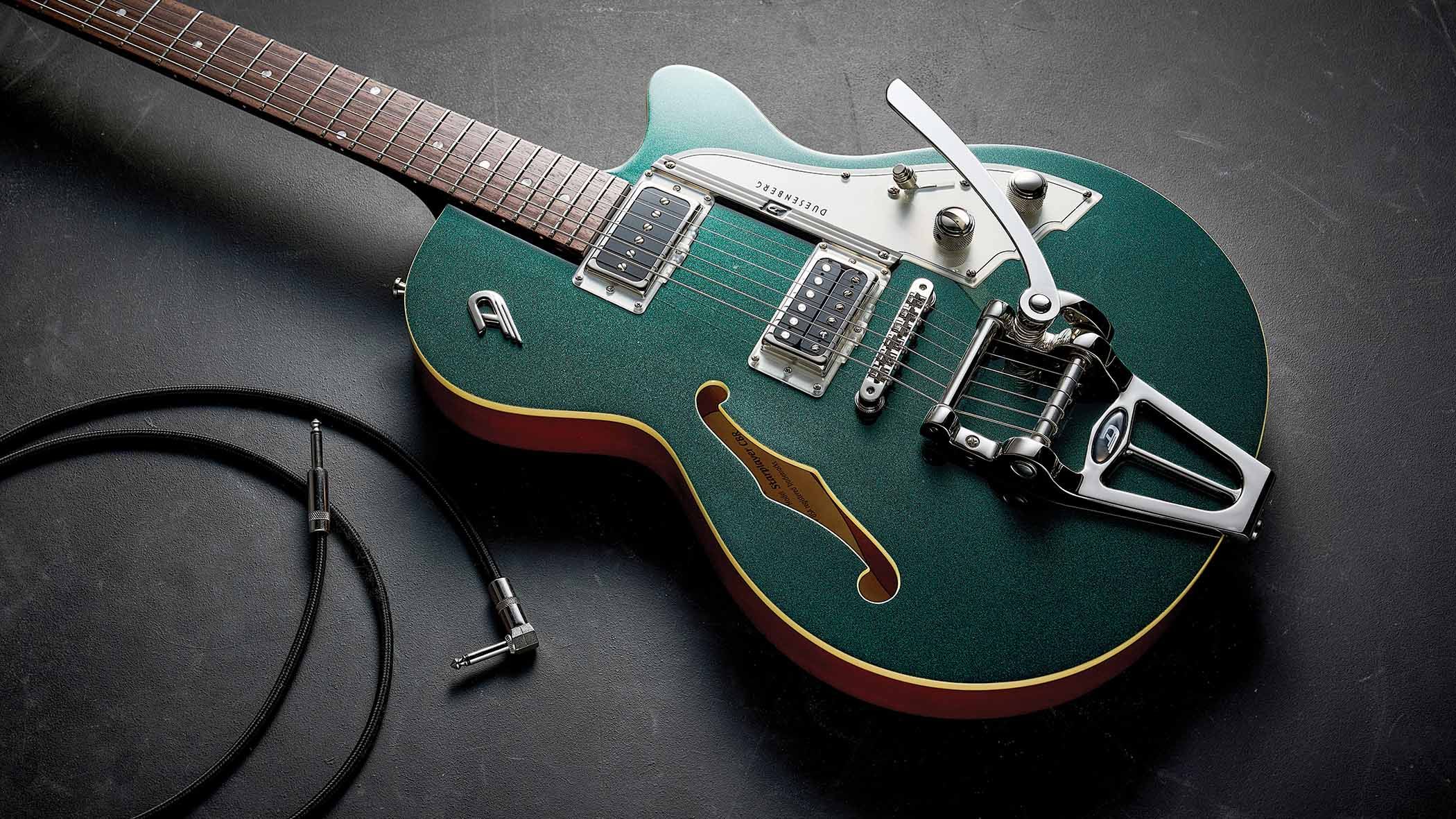
In revisiting the Starplayer CBR, we recognized that the original tonal qualities, influenced by the chambered mahogany body and flat maple top, had been somewhat lost in our recent offerings. With the 30th anniversary of the Starplayer approaching, it felt like the perfect opportunity to reintroduce this classic design with modern enhancements. The construction mirrors the original,but our advancements in hardware have substantially improved the overall performance.
Pickup Versatility: The Grand Vintage and Domino P-90
Indeed, the Grand Vintage and Domino P-90 pickup combination is among the most popular on Duesenberg guitars. this pairing is exceptionally versatile, thanks to our use of nickel-silver components that preserve the integrity of the raw signal.
While it’s possible to eliminate unwanted frequencies,any loss at the source is challenging to recover. The unique filtering of frequencies in the middle position of these pickups also provides a distinctive and highly usable tonal option.
Precision Craftsmanship: The Plek Process
The highest fret on a guitar neck determines the minimum action before buzzing occurs, making it essential to ensure uniform height for cozy playability.
We have collaborated with Plek as its inception, approximately 27 years ago. Once they developed a production model compatible with our processes, we acquired one in 2010. This technology allows us to create a consistent foundation for optimal setup. While hand adjustments can be made, achieving perfection daily is unlikely, and we strive for every Duesenberg to deliver flawless playability.
Production Insights: Where Are Duesenberg Guitars Made?
Currently, our production is divided between Croatia and Germany.The croatian facility handles woodwork, painting, and CNC routing for raw bodies and necks, while the German facility focuses on plek processing, assembly, and final setup.
As for annual production figures, we don’t produce enough to satisfy the demand from every aspiring Duesenberg player!