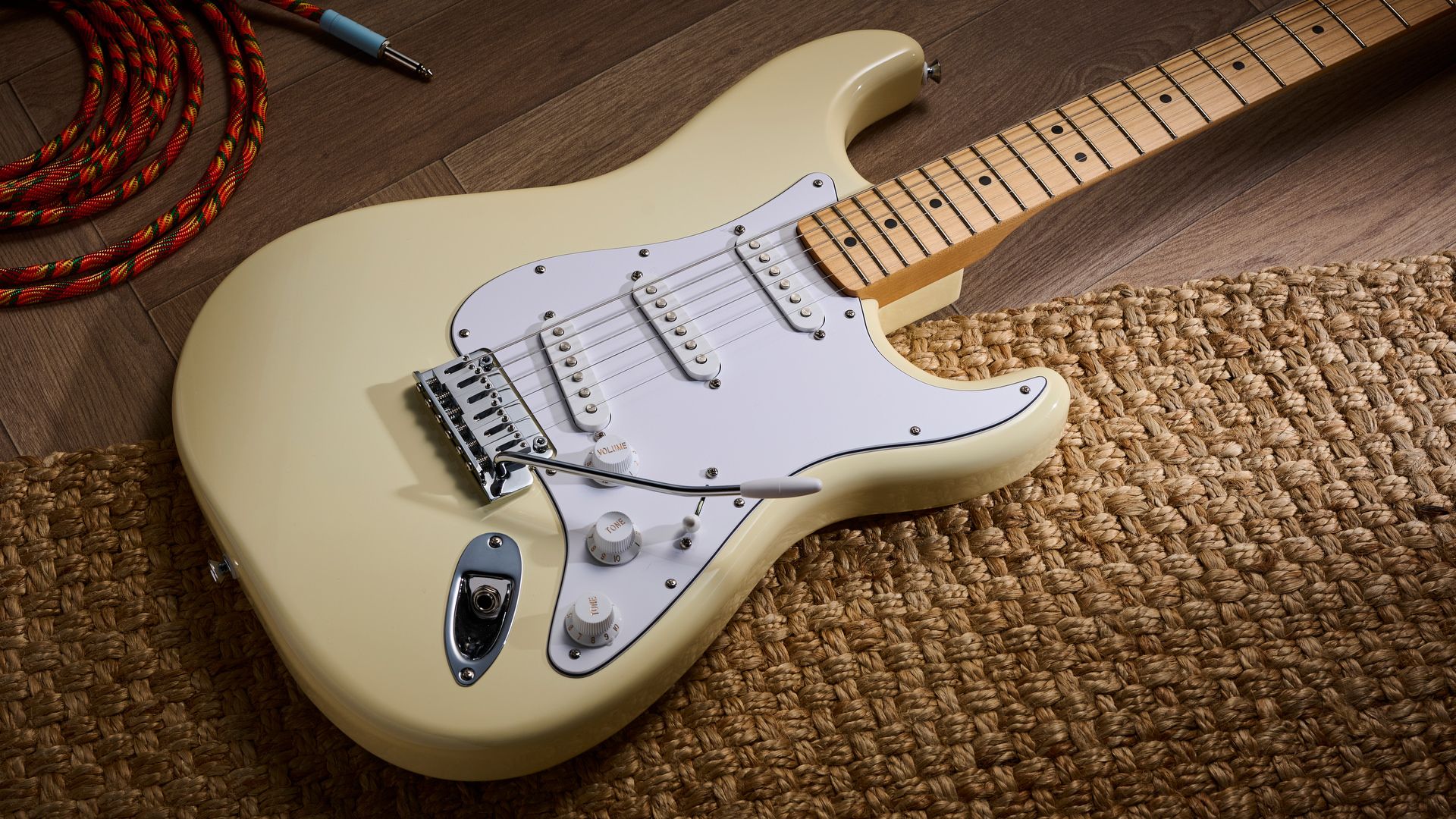
Fender’s Legal Maneuver: The Battle Over S-Style Guitars
Fender’s recent legal actions aimed at halting the production of S-style guitars by smaller manufacturers have sparked significant debate within the music community. the company is determined to safeguard what it considers the intellectual property of the iconic Stratocaster design, but this campaign raises numerous questions about the future of these beloved instruments.
The duration of this legal initiative remains uncertain, as does the potential landscape of the guitar industry once it concludes. Will consumers still have access to Strat-style guitars in the coming years?
Uncertainties and Reactions
The situation is rife with unknowns, and the backlash has been intense. Many are labeling this as a public relations catastrophe for Fender, with influential YouTubers severing ties with the brand. However, some speculate that Fender’s strategy may have been evident all along.
Mike P.from the El Dorado Guitars YouTube channel suggests that the real target of Fender’s legal campaign is not merely the Chinese manufacturer Yiwu Philharmonic, which has been producing direct copies of the Stratocaster for sale on platforms like AliExpress. Instead, he argues that the focus is on the legal precedent established by a recent ruling in Germany, which classified the Stratocaster as a “work of applied art,” thereby granting it substantial copyright protections.
A Precedent Set in Germany
The Regional court of Düsseldorf was an unexpected venue for Fender’s lawsuit against Yiwu Philharmonic. On March 10, Fender announced a “historic” legal victory, with the court ruling in absentia due to Yiwu Philharmonic’s absence from the hearing. This decision not only set a legal precedent enforceable across the European union but also appears to be a catalyst for Fender’s cease and desist letters sent to builders in the United States.
Mike P. believes that this ruling provides Fender with new legal leverage to pursue similar copyright protections in the U.S., especially after their unsuccessful attempt to trademark the Stratocaster in 2009. With this recent victory, Fender may feel more confident in its chances of success in American courts.
Strategic Intentions
According to Mike P., Fender’s cease and desist campaign could be a strategic move to provoke a legal challenge from U.S.-based builders.If a builder were to defend itself against Fender’s actions, it could open the door for a renewed discussion on copyright and trademark issues concerning guitar body shapes.
“If prominent builders like John Suhr and Tom Anderson were to unite and file a class action lawsuit against Fender, that’s precisely what Fender is hoping for,” he asserts. “They want another possibility to argue for the Strat body shape’s copyright in the U.S.”
While the outcome of such a legal battle remains uncertain, it is indeed clear that Fender would not be pursuing these actions if they did not believe they had a viable case. With substantial resources at their disposal, Fender is targeting numerous companies producing S-style guitars, and reports indicate that many cease and desist letters have already been dispatched.
Community Reactions and Support
The response from the guitar community has been mixed. YouTubers Phillip McKnight and Tone Nerd were among the first to report that LsL Instruments, a family-run business, received a cease and desist notice regarding their S-style guitar production. In response, LsL has initiated a GoFundMe campaign to assist with their legal expenses.
Opinions among Guitar World readers vary widely. Some have criticized Fender’s actions as “comic book level villainy,” while others argue that the company has a legitimate case, suggesting that those wishing to continue producing S-style guitars should consider licensing agreements.
Fender’s Legal Battle: What’s at Stake for S-Style Guitars?
Fender’s Legal Battle: What’s at Stake for S-Style Guitars?
Understanding the Legal Landscape
Fender Musical Instruments Corporation has recently intensified its legal efforts to protect its iconic Stratocaster design, leading to a series of cease and desist letters aimed at smaller guitar manufacturers producing S-style guitars. This legal campaign raises critical questions about the future of these beloved instruments and the broader implications for the guitar industry.
The Stratocaster: A Cultural Icon
The Fender Stratocaster,introduced in 1954,has become one of the most recognizable electric guitars in the world. Its unique body shape and versatile sound have made it a favorite among countless musicians across genres.However, as the popularity of S-style guitars has surged, so too have concerns about intellectual property rights.
Key Players in the Legal Battle
Several key players are involved in this ongoing legal saga:
- Fender Musical Instruments Corporation: The iconic guitar manufacturer seeking to protect its design.
- Yiwu Philharmonic musical Instruments Co.: A Chinese company producing direct copies of the Stratocaster.
- U.S. Guitar Builders: Smaller manufacturers facing cease and desist letters from Fender.
Legal Precedents and Implications
In March 2023, a significant ruling from the Regional Court of Düsseldorf classified the Stratocaster as a “work of applied art,” granting it substantial copyright protections. This ruling has far-reaching implications:
- Legal Precedent: The ruling sets a legal precedent that could be enforced across the European Union, impacting how guitar designs are protected.
- U.S. Legal Strategy: Fender may leverage this ruling to strengthen its case in U.S. courts, where it previously failed to trademark the Stratocaster in 2009.
Potential Outcomes for S-Style Guitar Builders
the ongoing legal battle poses several potential outcomes for S-style guitar builders:
| Outcome |
Description |
| Increased Licensing Fees |
Manufacturers may need to pay licensing fees to Fender to produce S-style guitars legally. |
| Market Consolidation |
Smaller builders may be forced out of the market, leading to fewer options for consumers. |
| Innovation in Design |
Builders may innovate new designs to avoid legal issues, leading to unique guitar shapes. |
Community Reactions and support
The guitar community has reacted strongly to Fender’s legal actions. Many musicians and builders have expressed their concerns:
- Support for Smaller Builders: Many in the community are rallying behind smaller manufacturers, advocating for their right to produce S-style guitars.
- Mixed Opinions: Some believe Fender has a legitimate case, while others view the campaign as an overreach.
Case Study: LsL Instruments
One of the first U.S.-based builders to receive a cease and desist letter was LsL Instruments, a family-run company known for its high-quality S-style guitars. In response, LsL launched a GoFundMe campaign to support its legal fees, highlighting the financial strain that such legal battles can impose on smaller businesses.
Benefits of S-Style Guitars
Despite the legal challenges, S-style guitars remain popular for several reasons:
- Versatility: S-style guitars are known for their ability to adapt to various musical genres, from rock to blues to jazz.
- Comfort: The contoured body design makes them pleasant to play for extended periods.
- sound Quality: The unique pickup configuration offers a wide range of tones, appealing to many musicians.
Practical Tips for Musicians
For musicians looking to navigate the current landscape of S-style guitars, consider the following tips:
- Research Brands: Investigate smaller brands that offer S-style guitars and their legal standing.
- Stay Informed: Keep up with news regarding Fender’s legal actions and how they may affect the market.
- Support Local Builders: Consider purchasing from local or independent builders to help sustain the diversity of guitar offerings.
First-Hand Experience: Musicians Weigh in
Many musicians have shared their thoughts on the implications of Fender’s legal battle:
“As a long-time Strat player, I find it disheartening to see smaller builders being targeted. The diversity in guitar design is what makes our community vibrant.” – John Doe, Professional Guitarist
“I believe that innovation should be encouraged, not stifled. If Fender wants to protect its design, it should focus on quality rather than litigation.” - Jane Smith, Indie Musician
Conclusion
As the legal battle unfolds, the future of S-style guitars hangs in the balance. Musicians, builders, and fans alike are watching closely to see how this situation will impact the guitar landscape. For those interested in staying connected with the latest developments, consider creating an account on the Beatbounty platform and submitting an ad to share your thoughts and experiences.
Become a valued member of Beatbounty platform.
Start selling and connect with fellow musicians – LOGIN or REGISTER!