Unveiling the Magic: How John Lennon Discovered a Unique Sound in Just Minutes
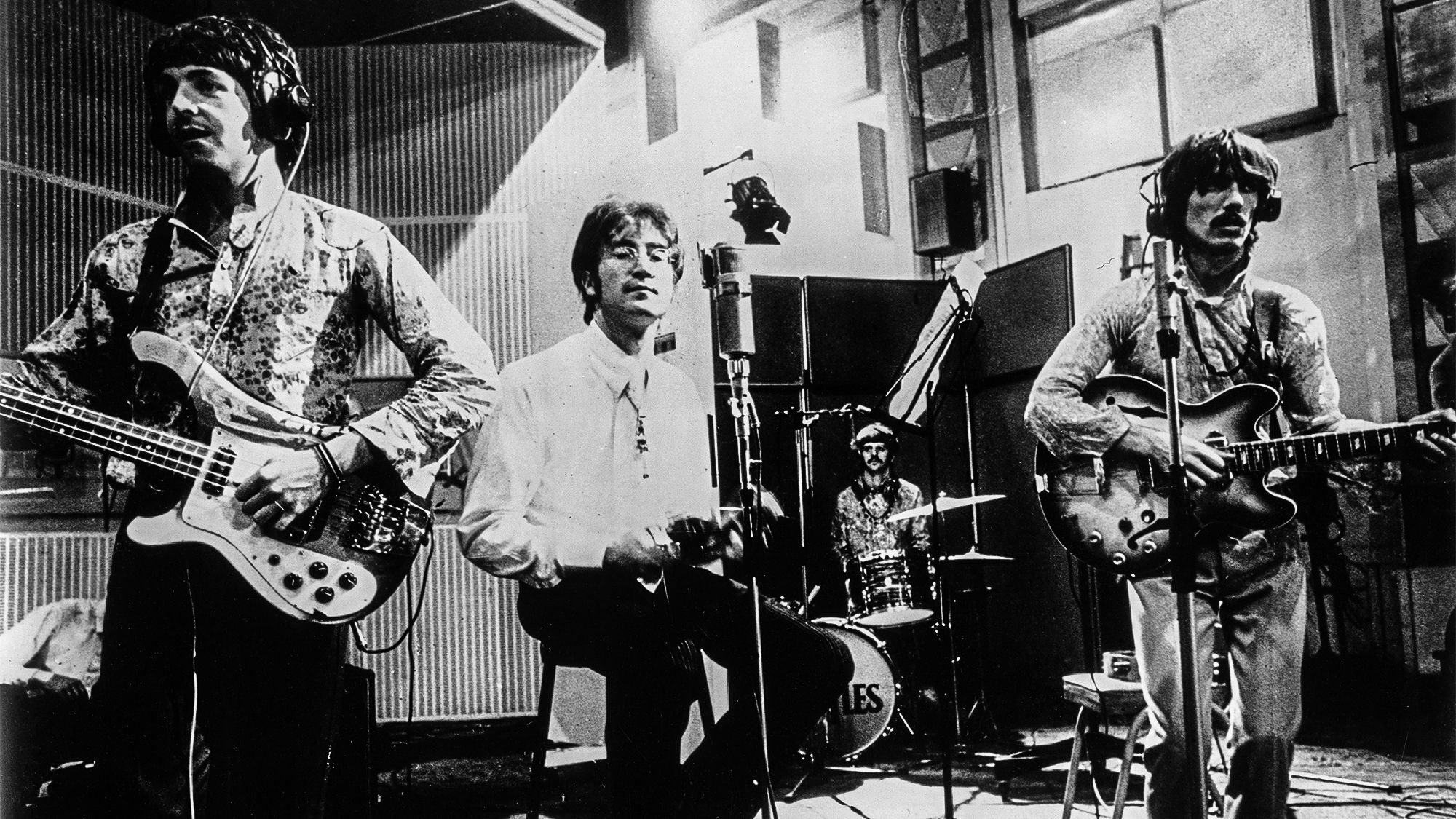
In May 1967, when The Beatles stepped into Olympic Studios, the atmosphere was electric. Eddie Kramer, the studio engineer, sensed that this session woudl be anything but ordinary.
“When Olympic received the call that The Beatles were coming, it felt like royalty was arriving,” Kramer shared in a recent conversation with Rick Beato. “It was a monumental moment.”
Fresh off the groundbreaking Sgt. Pepper’s Lonely Hearts Club Band, The Beatles were already diving into new creative waters, beginning work on what would become Magical Mystery Tour.
A New Recording Adventure
with Abbey Road unavailable,The Beatles ventured outside their familiar territory for the first time. This session would yield the track “Baby You’re a Rich Man,” providing Kramer, who would later engineer iconic Jimi Hendrix recordings, a front-row seat too one of John Lennon’s most innovative moments in the studio.
“We kicked off at 7:00 p.m.and wrapped up by 7:00 a.m. the following day,” kramer reminisced. “We tracked, overdubbed, and mixed everything in one night. Just like that, it was done.”
Finding the Unique Sound
What left a lasting impression on Kramer was witnessing Lennon stumble upon the song’s signature keyboard sound. “We had a table cluttered with various instruments,” he recalled. “for ‘Baby, You’re a Rich Man,’ there’s a sound that goes[[[[imitates the song’s distinctive synth solo]. John looked at the table and asked, ‘What’s all this, then?’ I explained it was leftover gear from a previous session.”
“Among the items was a beautiful wooden speaker cabinet housing an amplifier and several small keyboards, including a Clavioline, a French electronic instrument used in musique concrète.”
“I told him, ‘This keyboard allows you to play notes, but you can also shake it to create vibrato.’ He was intrigued and said,’That sounds fantastic! Let me try it out.’”
With headphones on, Lennon quickly figured out the part and recorded it. The Clavioline’s wobbly lead became one of the defining sounds of “Baby You’re a Rich Man,” marking one of the instrument’s most notable appearances in popular music.
Olympic studios: A different Vibe
This session also highlighted the contrasting atmosphere of Olympic Studios compared to abbey Road. Converted from a theater into a recording space in 1966, Olympic was known for its modern, rock-oriented approach, while Abbey Road had roots in classical and pop music.
“We were rivals, to be honest,” Kramer admitted. “I believe we had an edge as our sound was more aggressive and cutting-edge.”
Senior engineer Keith Grant noted that the pace of the session surprised The Beatles.”I often work with orchestras, so I tend to push people along. The Beatles remarked that this was the quickest record they had ever made,” he recounted in Mark Lewisohn’s The Complete Beatles Recording Sessions. “They were accustomed to a more relaxed pace, often playing multiple versions before selecting one to overdub vocals.”

Impressed by the experience, The Beatles returned to Olympic Studios a few weeks later. On June 14, they recorded the backing track for “All You Need Is Love,” which they would perform during the global television broadcast our World on June 25. Producer George Martin wanted a pre-recorded track ready in case of any technical issues during the live show.
Once again, Kramer was at the helm. “I received the call: ‘Eddie, The beatles are coming back. Are you in?’” he recalled in a 2012 interview with Guitar World. “I said, ‘Absolutely!’”
“They were incredibly charming and focused in the studio. They knew exactly what they wanted to achieve, and it was a pleasure to work with them.”