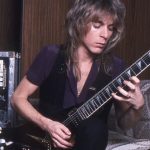
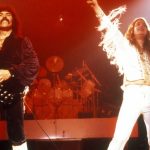
In honor of Ozzy Day,let’s dive into one of his most iconic tracks,Crazy Train,and explore the legendary guitar tone that defined it. While Randy Rhoads had been honing his craft on the Hollywood club circuit and had recorded two albums with Quiet Riot (which were only released in Japan), it wasn’t untill he teamed up with Ozzy Osbourne in 1980 that he truly captured the world’s attention.
The release of Crazy Train, the lead single from Osbourne’s debut solo album, Blizzard of Ozz, marked Rhoads’ introduction too a global audience. His fiery solos and razor-sharp riffs left an indelible mark, showcasing his extraordinary talent right from the start.
the Controversial Tone of Rhoads
Rhoads’ midrange-heavy guitar tone on Crazy Train has sparked debate among metal guitar enthusiasts. Critics argue that it sounds constricted and boxy, while fans assert that it complements the song perfectly, allowing Rhoads’ virtuosity to shine through in the mix. Personally,I lean towards the latter viewpoint,having experienced the guitar’s explosive sound even through the limited fidelity of AM radio,where it outshone other bands like Metallica.
This distinctive tone can be unforgiving in the hands of an inexperienced player, but when wielded by Rhoads, it resonates with the beauty of a symphony.
Randy’s Studio Gear: The Secrets Behind the Sound
(Image credit: Fin Costello/Redferns)
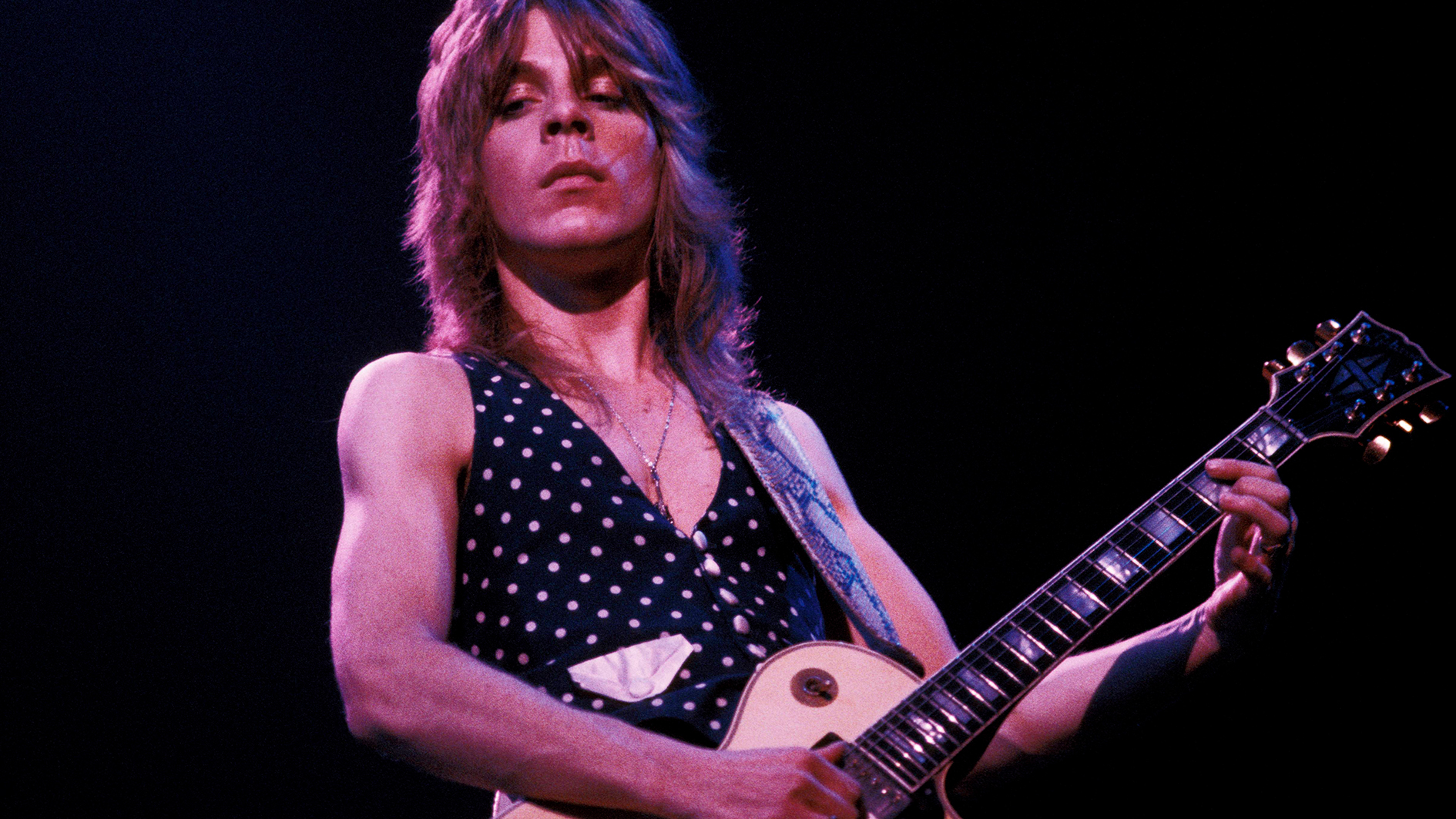
Rhoads is renowned for his modified marshall 100-watt head, which he had custom-ordered with a white tolex covering. Though, during the recording of Blizzard of Ozz, he used a rented mid-’70s marshall JMP model 1959 Super Lead MKII 100-watt head, paired with two marshall 4×12 cabinets loaded with Altec 417-8H speakers.
Rhoads favored Altec speakers over the more common Celestion models due to their superior clean headroom and brighter tone. He operated the Marshall with minimal overdrive and flat EQ settings, relying heavily on his custom pedalboard designed by Pete Holmes to shape his sound.
Key components of his pedalboard included the MXR Distortion +, which Rhoads typically kept engaged, and an MXR Ten Band Graphic Equalizer that provided a meaningful midrange boost centered around 500Hz. Producer Max Norman added a subtle chorus effect to Rhoads’ rhythm tracks using an AMS DMX 15-80S Digital Delay, creating a rich stereo image by applying different short delay and slight detuning settings to the left and right channels. Rhoads also triple-tracked his solos, panning one part to the center and the others hard left and right at lower volumes.
Achieving the Sound on a Budget
(Image credit: Gary Gershoff/Getty Images)
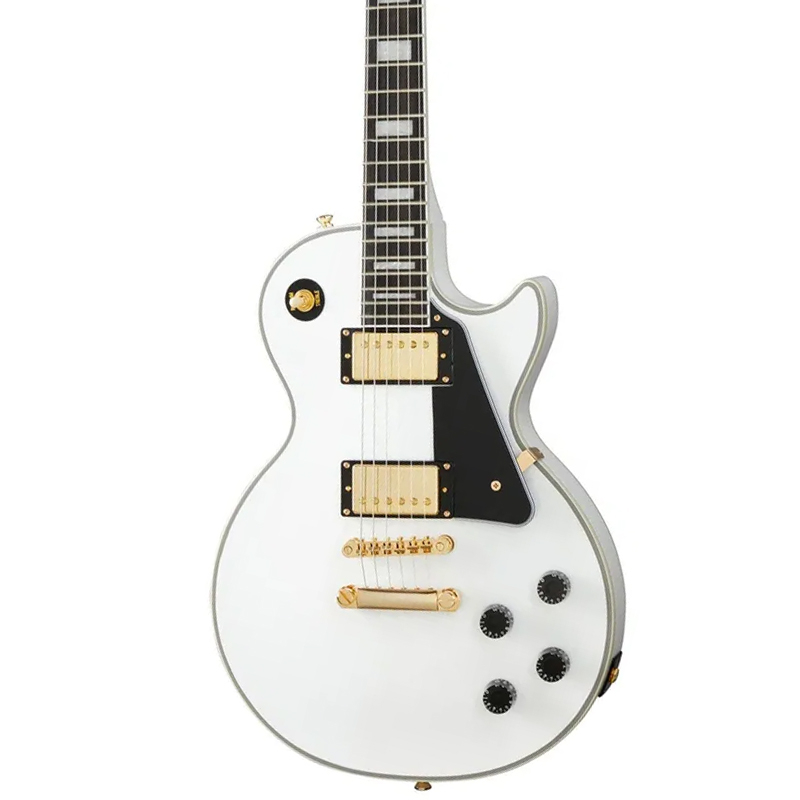
epiphone Les Paul Custom
If you’re not ready to invest in a full-fledged Les paul Custom, the Epiphone Les Paul Custom is an excellent choice. It offers a classy look, great playability, and killer sound, putting you in the ballpark of those classic Rhoads tones.
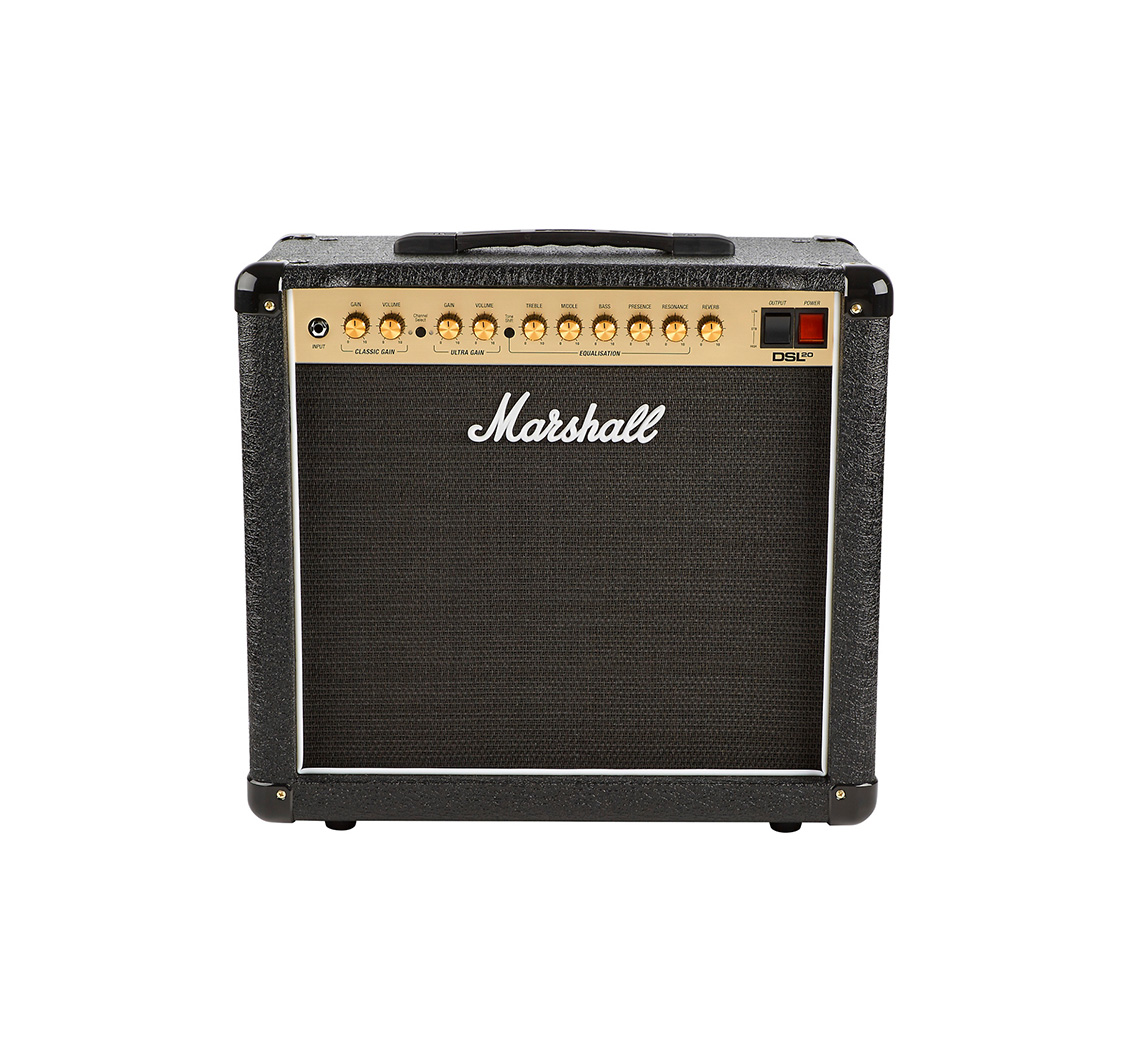
Marshall DSL20CR
The Marshall DSL20CR is perfect for home use, embodying the classic Marshall sound that is essential for nailing Crazy Train.
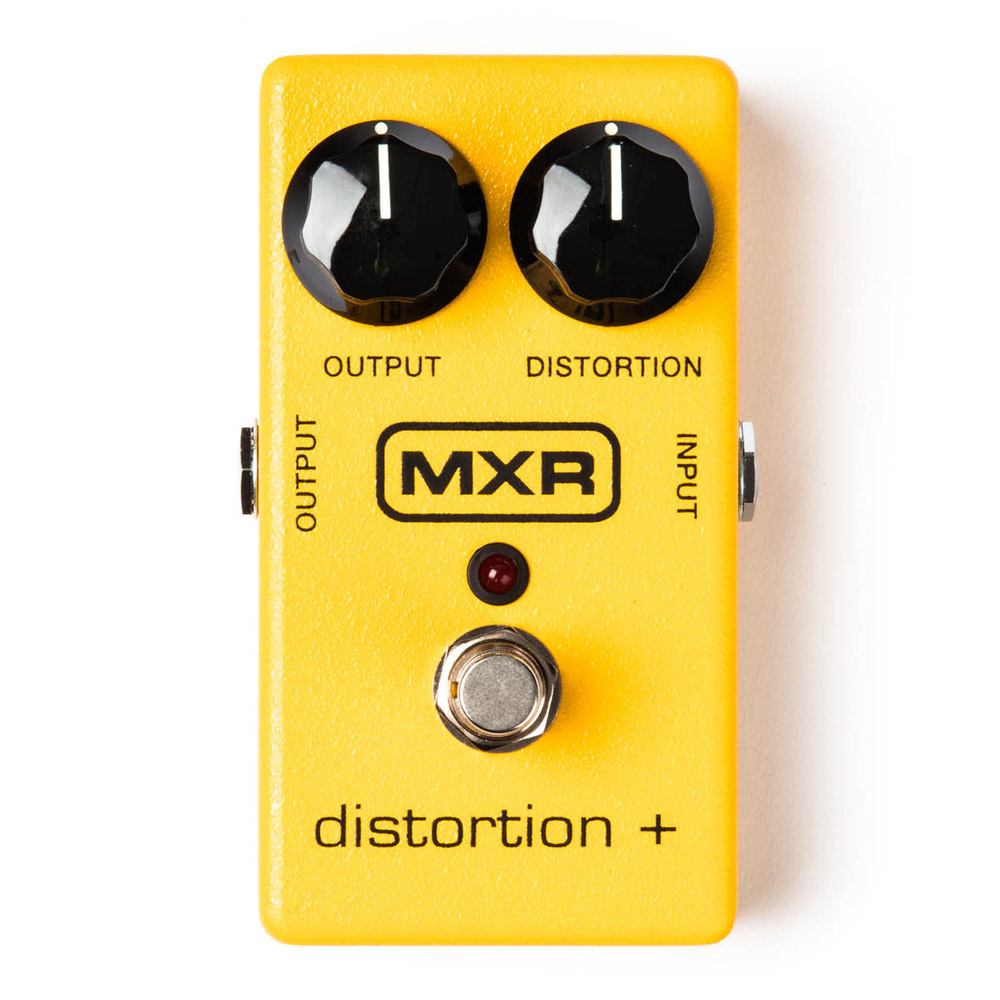
MXR Distortion+
Randy Rhoads is perhaps the most famous user of the MXR Distortion +. This pedal delivers a luminous, aggressive tone that is perfect for achieving that signature Rhoads sound.
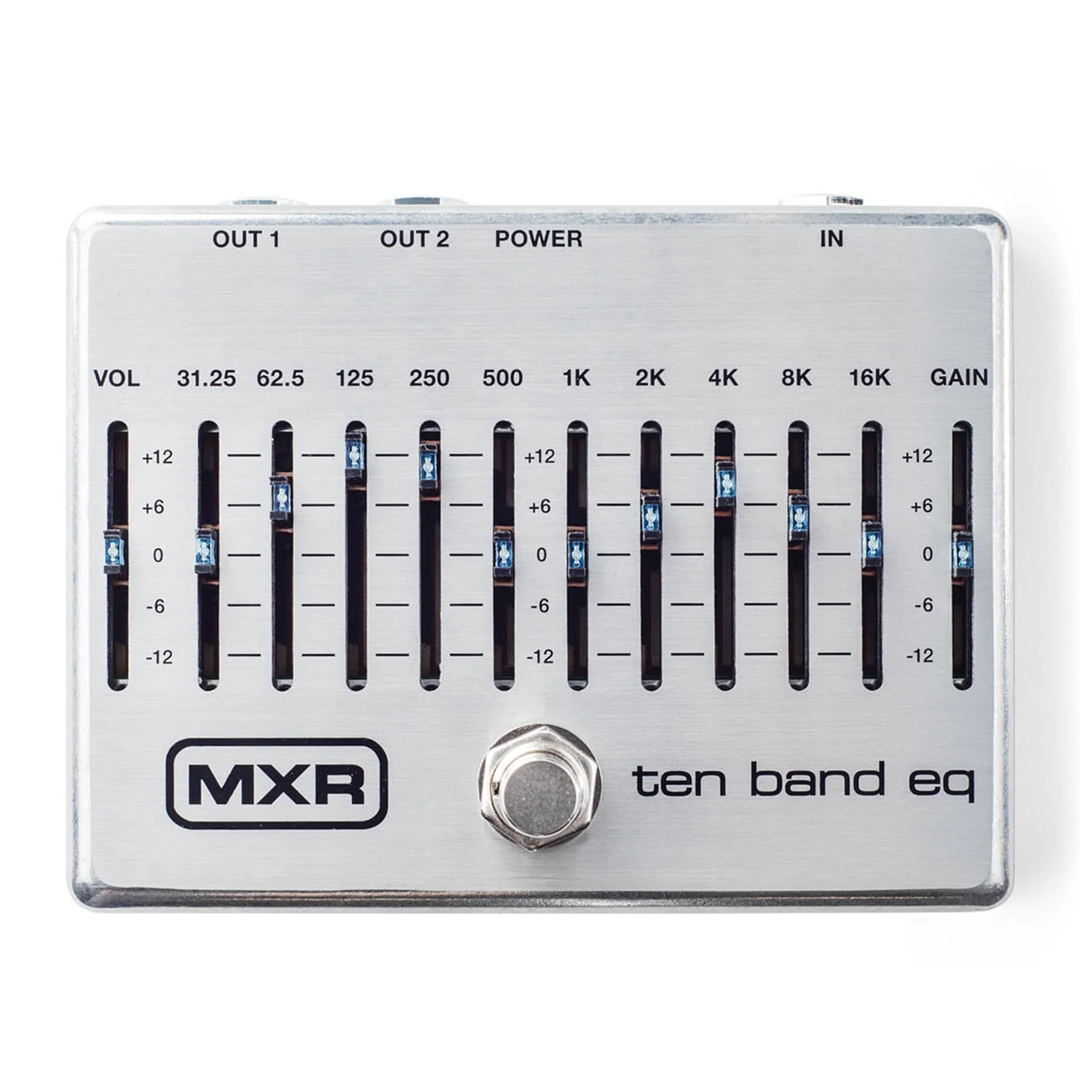
MXR M108S Ten Band EQ
The MXR M108S Ten Band EQ allows for precise tone shaping, enabling you to achieve the fierce mid-bark that Rhoads was known for.
TONE TIP: To replicate Rhoads’ sound, set your Marshall to a slight overdrive and use the distortion + for added grit, with the output at 10 and distortion between 4 and 6. The new MXR Ten Band EQ features gain and volume controls not found on the original, so keep both at 0.
Unlocking the Magic: the Secrets Behind Randy Rhoads’ Iconic Guitar Tone in Ozzy Osbourne’s ‘Crazy Train’
Unlocking the Magic: The Secrets Behind Randy Rhoads’ Iconic Guitar Tone in Ozzy Osbourne’s ‘Crazy Train’
The Legacy of Randy Rhoads
Randy Rhoads, the virtuoso guitarist known for his work with Ozzy Osbourne, left an indelible mark on rock music. His tone on the classic track Crazy Train is often cited as one of the most recognizable sounds in heavy metal. Understanding the elements that contributed to this iconic tone can help aspiring guitarists unlock their own musical potential.
Key components of Rhoads’ Guitar Tone
Rhoads’ sound in Crazy Train is a combination of several factors,including his choice of guitar,amplifier settings,effects pedals,and playing techniques. Here’s a breakdown of the essential components:
1.the Guitar
Rhoads primarily used a 1974 Gibson Les Paul Custom for recording Crazy Train. This guitar is known for its rich, warm tones and sustain, which are crucial for achieving the sound he is famous for.
2. Amplification
Rhoads utilized a marshall JMP 1959 Super Led MKII 100-watt head during the recording sessions. This amplifier is renowned for its powerful output and distinctive midrange punch, which helped shape Rhoads’ signature sound.
3. Effects Pedals
To enhance his tone, Rhoads employed several key effects:
MXR Distortion +: This pedal was crucial for adding grit and sustain to his sound.
MXR Ten Band Graphic Equalizer: Used to boost specific frequencies,particularly in the midrange,which is essential for cutting through the mix.
AMS DMX 15-80S Digital Delay: This added depth and dimension to his solos, creating a lush soundscape.
Amplifier Settings
Rhoads’ settings on his Marshall amp played a meaningful role in crafting his tone. Here’s a simplified table of his typical settings:
Setting
Value
Presence
5
Bass
2
middle
6
Treble
7
Volume I
6
Volume II
0
Playing techniques
Rhoads’ unique playing style also contributed to his iconic tone. Here are some techniques that helped him achieve his sound:
Alternate Picking: Rhoads was known for his precise alternate picking,which added clarity and speed to his riffs.
Legato Playing: His use of legato techniques allowed for smooth transitions between notes, enhancing the fluidity of his solos.
Vibrato: Rhoads employed a wide vibrato, which added expressiveness and emotion to his playing.
Benefits of Rhoads’ Tone
Understanding and replicating Rhoads’ tone can provide several benefits for guitarists:
Enhanced Musical Expression: Achieving a rich, dynamic tone allows for greater emotional expression in performances.
Improved Technical skills: Emulating Rhoads’ techniques can definitely help guitarists develop their skills and versatility.
Increased Stage Presence: A powerful tone can captivate audiences and elevate live performances.
Practical Tips for Achieving Rhoads’ Tone
Here are some practical tips to help you get closer to Rhoads’ iconic sound:
Invest in a quality guitar, preferably a Les Paul or similar model.
Use a Marshall amplifier or a similar high-gain amp to replicate the tonal characteristics.
Incorporate the MXR Distortion + and a graphic equalizer into your pedalboard.
Experiment with your amp settings, focusing on midrange frequencies.
Practice Rhoads’ playing techniques to enhance your overall sound.
Case Studies: Guitarists Who Emulate Rhoads
Manny guitarists have drawn inspiration from Rhoads’ tone and style. Here are a few notable examples:
Zakk Wylde: Known for his work with Ozzy Osbourne, Wylde has frequently enough cited Rhoads as a major influence on his playing and tone.
Jake E. Lee: another guitarist for Ozzy, Lee has incorporated elements of Rhoads’ style into his own work, particularly in his use of harmonics and melodic phrasing.
Slash: The Guns N’ Roses guitarist has acknowledged Rhoads’ impact on his approach to guitar tone and playing.
First-Hand Experience: Achieving the Tone
Many guitarists have shared their experiences in trying to replicate Rhoads’ sound. Here are some insights:
“I spent years trying to nail that tone. It wasn’t until I invested in a good amp and started using the MXR Distortion + that I really felt I was getting close.” – John D.
“The key for me was understanding the EQ settings. Once I dialed in the mids, everything started to fall into place.” – Sarah L.
Join the Beatbounty Community
If you’re passionate about music and want to connect with other musicians, consider creating an account on the Beatbounty platform. You can submit ads,collaborate with fellow artists,and share your musical journey!


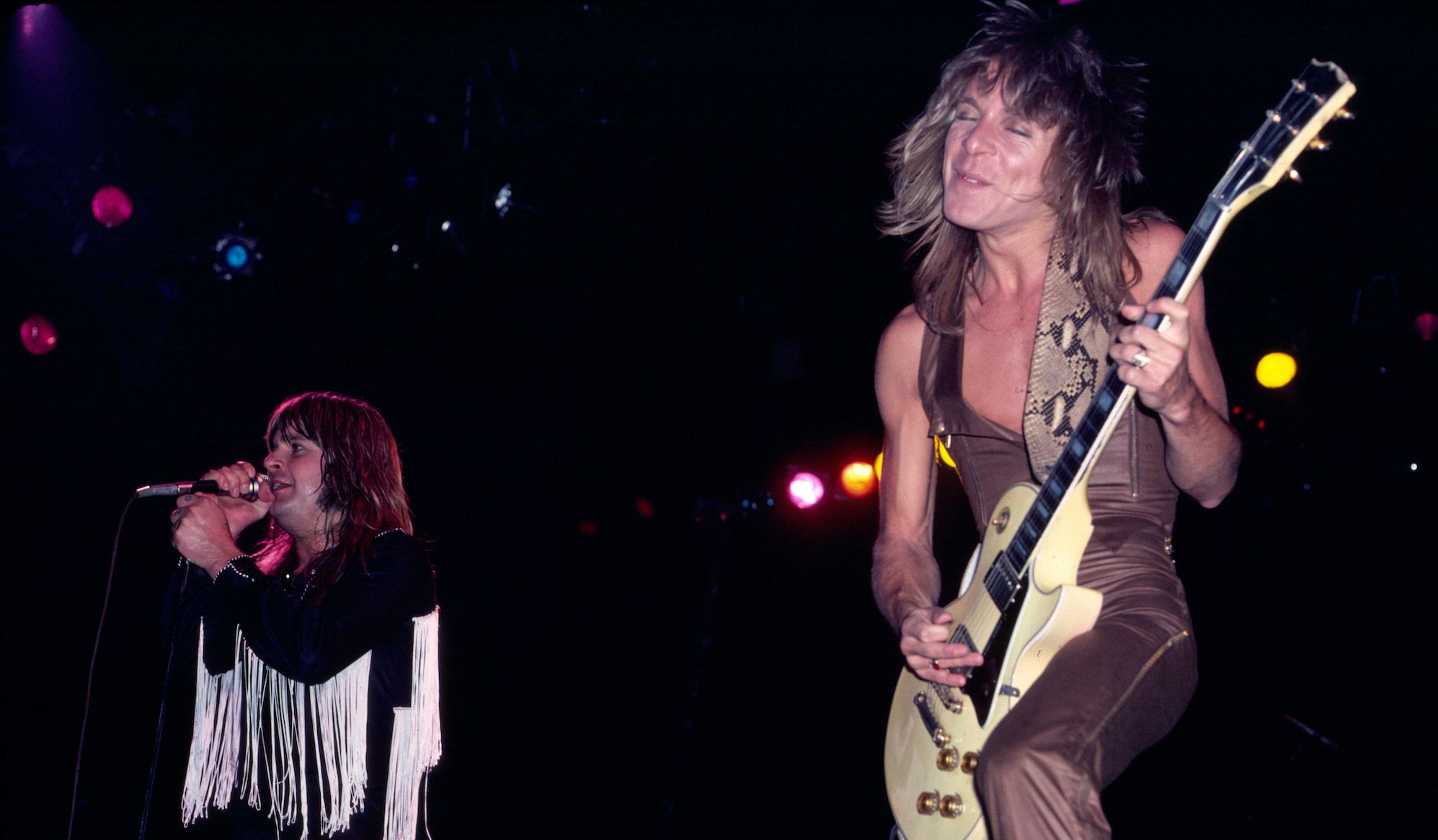
![[L-R] Ozzy Osbourne and Randy Rhoads](https://cdn.mos.cms.futurecdn.net/QrQdvKtwnX34nq3GDYnUgm.jpg "Unlocking the Magic: The Secrets Behind Randy Rhoads' Iconic Guitar Tone in Ozzy Osbourne's 'Crazy Train 8")