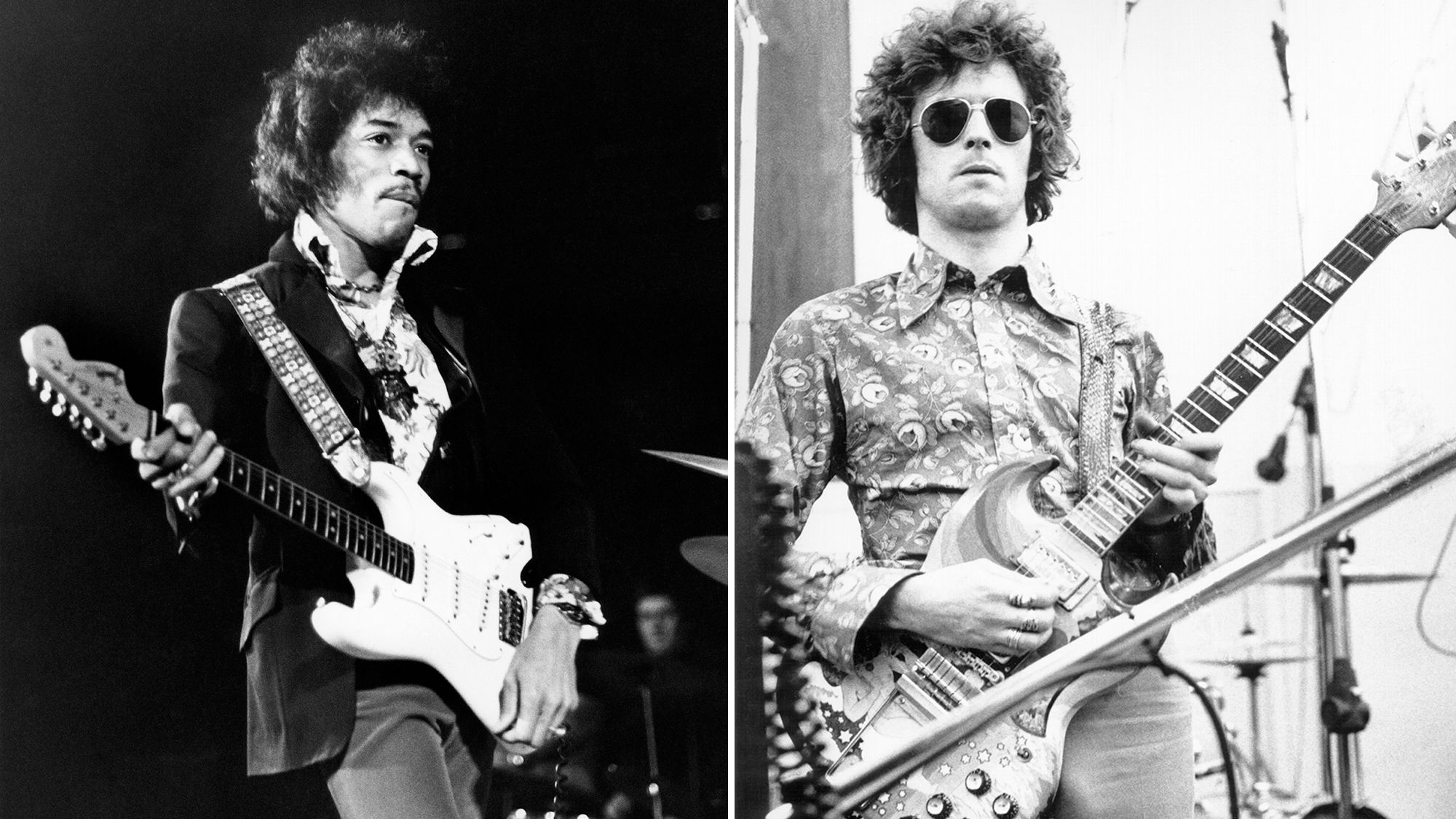
The Legendary Guitarists: Jimi Hendrix and Eric Clapton’s Unique Journey
During the transformative era of the late 1960s, Jimi Hendrix and Eric Clapton emerged as titans of blues rock, often compared in a heated contest for the title of the ultimate guitar virtuoso.
This rivalry was seemingly straightforward; both musicians were revolutionizing the electric guitar, pushing its boundaries to unprecedented heights.
While Clapton had already earned the title of ‘guitar god’ from the media, Hendrix’s arrival in London in 1966 intensified the competition among guitarists. Within a short span, he left established names like Jeff Beck and Pete Townshend in awe, signaling that a new force had entered the scene.
Clapton was among those affected. After Hendrix made a surprise appearance at a cream concert, dazzling both Slowhand and the audience, it became clear that the landscape of guitar playing had irrevocably changed.
A Respectful Rivalry
The dynamic between Hendrix and Clapton was one of the most intense yet respectful rivalries in music history, with fans and critics frequently analyzing their distinct playing styles.
However, Hendrix was not agreeable with the comparisons. In a 1968 interview with Jazz & Pop Magazine, he expressed his confusion over the rivalry, emphasizing that he viewed them as fundamentally diffrent musicians.
“That’s one thing I don’t like,” Hendrix remarked during the peak of their perceived competition.”Sometimes the notes might sound similar, but the essence between those notes is entirely different.”
He elaborated,”First they do that [compare me to Clapton],and than they expect me to play blues exclusively. We just don’t want to be confined to blues all the time – we have a range of musical expressions to explore.”
Mutual Respect and Influence
Hendrix clearly distinguished himself from Clapton, yet he held a deep respect for his fellow guitarist. Following that memorable Cream performance, the two maintained a friendship, with Hendrix often praising Clapton’s contributions to music.
“As far as the blues scene goes,some of the things that Albert King and Eric Clapton do are very extraordinary,” he noted in the same Jazz & Pop interview,which was later featured in the November 1991 issue of Guitar World.
“I don’t have any favorites.It’s challenging because there are so many diverse styles, and it’s unfair to categorize everyone together. I enjoy listening to anyone who captivates me, and I tend to lean towards blues guitarists.”
The kind competition between the two guitarists was beneficial, inspiring both to reach new artistic heights. Clapton acknowledged Hendrix’s influence on his decision to adopt the Stratocaster, a pivotal moment in his career.
In a poignant gesture,Clapton even acquired a rare left-handed Stratocaster as a gift for Hendrix in 1970.Tragically, he never had the chance to present it, as Hendrix passed away on the very night it was meant to be given.
Ultimately, the perceived rivalry between Hendrix and Clapton did not hinder their relationship; instead, it propelled both artists to new creative peaks.
Jimi Hendrix on the Rivalry: Why He Never Understood the Clapton comparison
The Context of the Rivalry
In the late 1960s, the music scene was electrified by the emergence of two guitar legends: Jimi Hendrix and Eric Clapton.Both artists were pivotal in shaping the blues rock genre, yet they were frequently enough compared, leading to a perceived rivalry that captivated fans and critics alike.
Hendrix’s Perspective on Comparisons
Hendrix was vocal about his discomfort with being compared to Clapton. In a 1968 interview with Jazz & Pop Magazine, he stated:
”That’s one thing I don’t like. Sometimes the notes might sound alike, but its a entirely different scene between those notes.”
this statement encapsulates Hendrix’s belief that while both guitarists were remarkable, their musical expressions were distinct and should not be conflated.
Different musical Styles
Hendrix and Clapton had unique approaches to guitar playing, which contributed to their individual identities:
- Hendrix: Known for his innovative use of feedback, distortion, and unconventional techniques, Hendrix’s style was characterized by a blend of rock, blues, and psychedelia.
- Clapton: Frequently enough rooted in customary blues, Clapton’s playing emphasized clarity and precision, showcasing his deep respect for the genre’s origins.
Impact of Their Friendship
despite the media’s portrayal of rivalry, Hendrix and Clapton maintained a mutual respect and friendship.After Hendrix’s surprise appearance at a Cream concert, Clapton recognized the profound impact Hendrix had on the music world.
Hendrix praised Clapton’s work, stating:
“As far as the blues scene goes, some of the things that Albert King and Eric Clapton do are very good.”
This acknowledgment highlights Hendrix’s thankfulness for Clapton’s contributions to music, further dispelling the notion of a bitter rivalry.
Influence on Each Other
The relationship between Hendrix and Clapton was not just one of admiration; it also fostered growth and innovation in their respective styles. Here are some key influences:
| Influence |
Hendrix |
Clapton |
| Guitar Techniques |
Innovative feedback and distortion |
Precision and clarity in blues |
| Instrument Choice |
Popularized the Fender Stratocaster |
Adopted the Stratocaster after Hendrix |
| Songwriting |
blended genres and styles |
Focused on traditional blues structures |
Case Studies: Iconic Performances
Several performances exemplify the unique styles of Hendrix and Clapton,showcasing their individual artistry:
- Hendrix at Woodstock (1969): His rendition of “The Star-Spangled Banner” redefined the boundaries of live performance,using the guitar to convey powerful political messages.
- Clapton with Cream (1968): The song “Crossroads” highlighted Clapton’s technical prowess and deep blues roots, establishing him as a leading figure in the genre.
Practical Tips for Aspiring Guitarists
For those inspired by Hendrix and Clapton, here are some practical tips to develop your unique style:
- Experiment with Techniques: Try incorporating feedback and distortion like Hendrix, or focus on clarity and precision like Clapton.
- Explore Different Genres: Don’t limit yourself to one style; blend rock, blues, and other genres to create your sound.
- Learn from Live Performances: Study iconic performances to understand how these legends captivated their audiences.
First-Hand Experiences
Manny musicians have shared their experiences of being influenced by Hendrix and Clapton. For instance, renowned guitarist Joe Satriani has often cited Hendrix as a major influence on his improvisational style, while John Mayer has expressed admiration for Clapton’s songwriting and guitar techniques.
Join the Beatbounty Community
If you’re passionate about music and want to connect with like-minded individuals, consider creating an account on the Beatbounty platform. Share your experiences, submit ads, and engage with a vibrant community of music enthusiasts!