The Beatles’ Evolution: George Harrison on Bob Dylan’s Electric Shift
The Beatles are gearing up to celebrate the legacy of Rubber Soul, their groundbreaking 1965 album that seamlessly fused folk, baroque pop, soul, and early psychedelic sounds. This record emerged during a pivotal year when the landscape of popular music was expanding in exciting new directions, largely influenced by artists like Bob Dylan.
Dylan’s impact is evident in the Beatles’ more reflective songwriting, especially in John Lennon’s tracks “Norwegian Wood” and “Girl,” as the band transitioned from the carefree exuberance of their early hits. While the Beatles were integrating Dylan’s folk-inspired style, Dylan himself was embarking on a transformative journey.
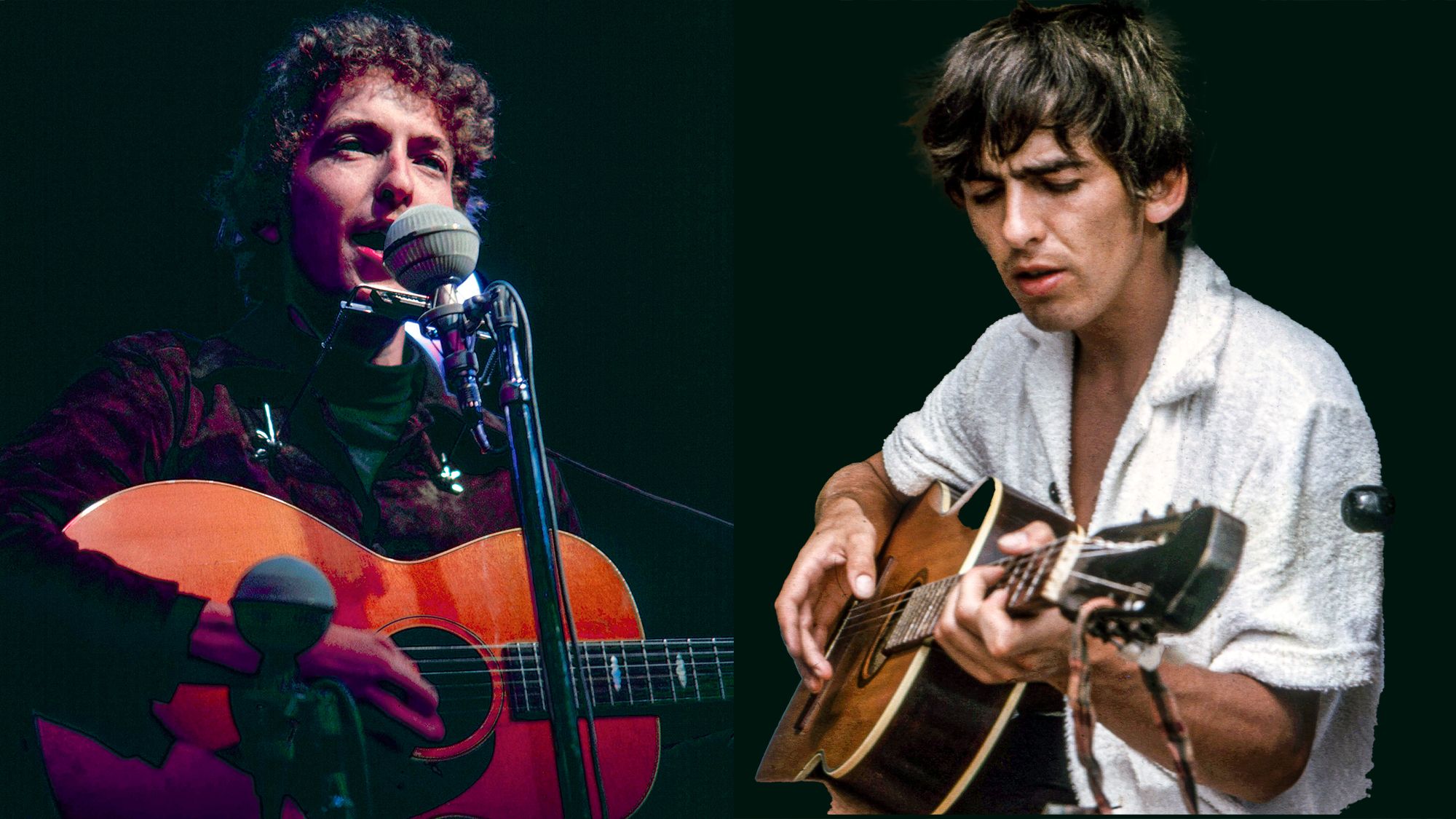
In 1965, Dylan unveiled Highway 61 Revisited, an electrifying album that broke away from traditional folk norms, embracing the full force of a rock ensemble. This bold move shocked audiences when he took the stage with a full band, including guitarist Robbie Robertson on a Fender Telecaster. The reaction was intense; during a performance at the Free Trade Hall in Manchester in May 1966, he was infamously labeled “Judas” by a disgruntled fan. Many felt betrayed, yet George Harrison, a forward-thinking songwriter, viewed this evolution as a natural progression.
The upcoming box set of the Beatles’ sixth album, set for release on October 2, will feature a fresh stereo mix by Giles Martin and Sam Okell, along with previously unreleased session recordings and home demos. This collection provides fans with an remarkable insight into the creation of a record that signified a major turning point for the band.
A Meeting of Minds: The Beatles and Dylan
The transformation heralded by Rubber Soul can be traced back to the Beatles’ iconic 1964 encounter with Dylan,which Paul McCartney later described as a pivotal moment in their artistic journey. That night, Dylan introduced the band to marijuana, leading McCartney to humorously claim he had discovered “the meaning of life.” This meeting solidified the creative bond between two artists who were both beginning to transcend the expectations of their audiences.
For the Beatles, this evolution meant delving into deeper emotional themes, as seen in Lennon’s cryptic “Norwegian Wood” and the poignant “Girl,” alongside McCartney’s complex ”Michelle” and the darker “Run For Yoru Life.” The group was moving away from the straightforward charm of their early singles, embracing a more intricate sound.

Dylan’s Bold Transformation
Dylan’s own metamorphosis was even more striking. His electric performance at the Newport Folk Festival in July 1965 sparked outrage among folk purists.By the time he toured the U.K. the following year, the backlash had escalated, culminating in the notorious moment when a fan shouted “Judas” during his concert at Manchester’s Free Trade Hall in May 1966.
However, when Harrison witnessed Dylan’s electric set at London’s Royal Albert Hall, he found it difficult to grasp the controversy surrounding it.
“The performance was divided into two parts; in the first half, he played his usual acoustic set with the guitar and harmonica,” Harrison recounted. “Then, in the second half, he returned with the band.”
Harrison understood the discomfort some fans felt. Many had embraced Dylan as a figurehead of the folk revival and perceived his electric performances as a betrayal of that identity.
“A lot of them were really uptight. They were like, ‘hey, he’s forsaken the folk,’” Harrison noted. “But Bob just came out and said, ’Well, you all may know this song. Remember how it goes? Well,here’s how it goes now!’ and they just went off wailing.”
Harrison, though, interpreted the performance in a different light.
“It was a fantastic show. Sure, it was a bit rough around the edges, but that’s Bob: a bit ragged,” he said. “Throughout that second half, people were getting up and leaving, shouting, and it was quite controversial.”
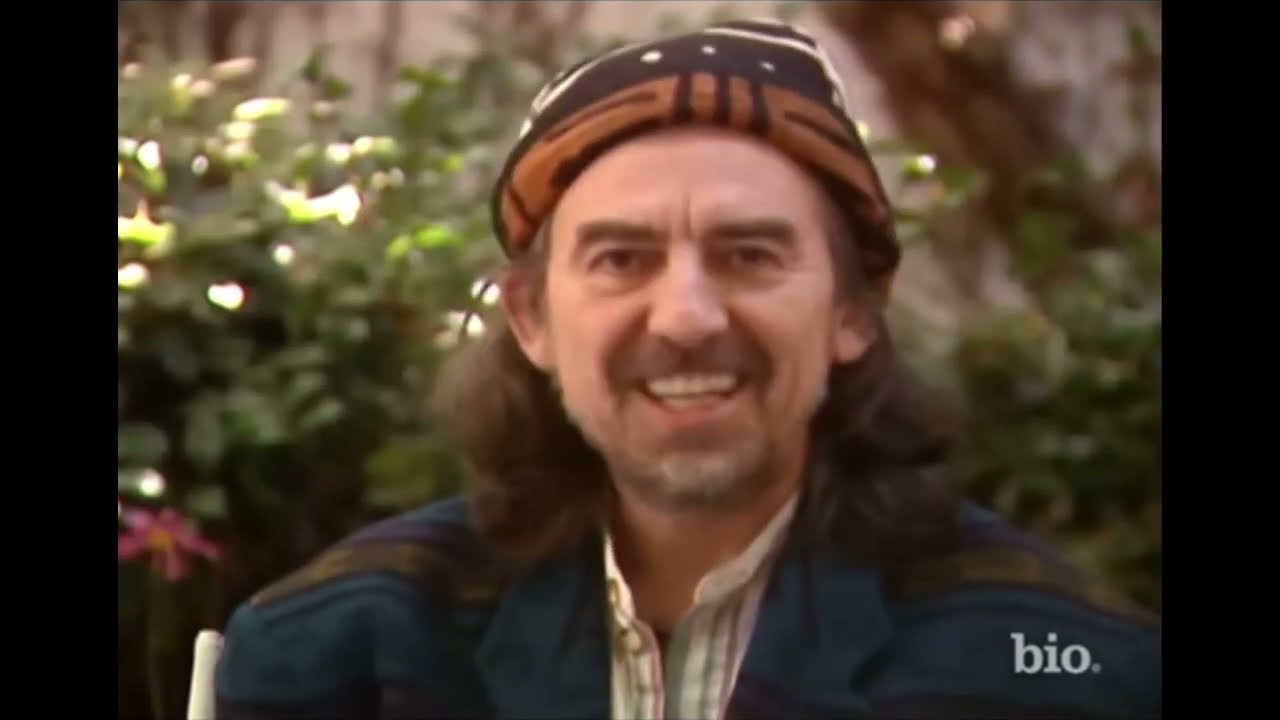
Over six decades later, Dylan’s choice to adopt electric instrumentation is now viewed not as a betrayal but as a landmark moment in rock history. Musician and author Dr. CP Lee has characterized the “Judas” incident as one of “the pivotal moments in popular music in the 20th Century,” encapsulating the tension between tradition and innovation that defined the era.
Dylan himself seemed unfazed by the backlash.In the book Dylan on Dylan: The Essential Interviews,he remarked to a journalist,”They must be pretty rich,to be able to go some place and boo. I couldn’t afford it if I was in their shoes.”
Harrison echoed Dylan’s instinct to evolve and push boundaries.
“It was engaging. It felt natural,” Harrison stated.”There’s only so much you can achieve with acoustic sounds; it didn’t seem right for Bob to be confined to that. It felt like a natural evolution.”