How David Lee Roth's 'Skyscraper' Led to Billy Sheehan's Exit: A Behind-the-Scenes Tale
0 reactions
2 hours ago
Beatbounty
The Departure of Billy Sheehan: Inside David Lee Roth’s ‘Skyscraper’ Era
While David lee Roth may not have replicated the monumental success of Van Halen as a solo artist,he did manage to assemble an impressive backing band during his solo career. Teaming up with guitar virtuoso Steve Vai-whom Roth considered the perfect counterpart to Eddie Van Halen-he also brought in drummer Gregg bissonette and the exceptionally talented bassist Billy Sheehan, who would later achieve fame with the band Mr. Big.
However, it was sheehan who first decided to leave, citing that Roth’s second solo album sapped the joy out of the music-making process.
Success of ‘Eat ‘Em and Smile’
Released in 1986, Eat ‘Em and Smile quickly became a hit. Featuring the iconic MTV track “Yankee Rose,” the album highlighted the dynamic synergy among Roth,Vai,Sheehan,and Bissonette,ultimately earning Platinum status in the United States. Vai, who has consistently stated that he never saw himself as a rival to Eddie Van Halen, quickly became Roth’s secret weapon.
Billy Sheehan performs with the David lee Roth Band at Cal Expo in Sacramento, California, June 13, 1988. (Image credit: Larry Hulst/Michael Ochs Archives/Getty Images)
Shift in Dynamics with ‘Skyscraper’
The landscape changed with the release of 1988’s Skyscraper. Roth introduced keyboardist Brett Tuggle as he aimed for a more polished, radio-pleasant sound. Sheehan noted that the camaraderie that made the first album so enjoyable had vanished.
“Skyscraper was a completely different experience,” he shared in an interview. “It didn’t resonate with me once it was finished. It felt somewhat rigid.”
reflecting on the creative process, Sheehan remarked that the band’s collaborative spirit was evident in their music. “With Eat ‘Em and Smile, we were all together, having a blast, jamming in one room, and writing songs collectively. it was all about enjoyment, and we would unwind with drinks after rehearsals. It was a fantastic time. Skyscraper felt different.”
Commercial Success vs. Personal Satisfaction
Despite it’s commercial success-peaking at No. 6 on the Billboard 200 and selling over two million copies-Sheehan was not on board with the new direction. ”during the recording, we tracked each musician separately,” he explained. “I would go into the studio alone with just the producer. I played along to Gregg’s drums and a rough version of Steve’s guitar, then I’d leave. The others would come in afterward.”
“The whole vibe shifted,and that’s why I ultimately left the band; it just wasn’t my style anymore.”
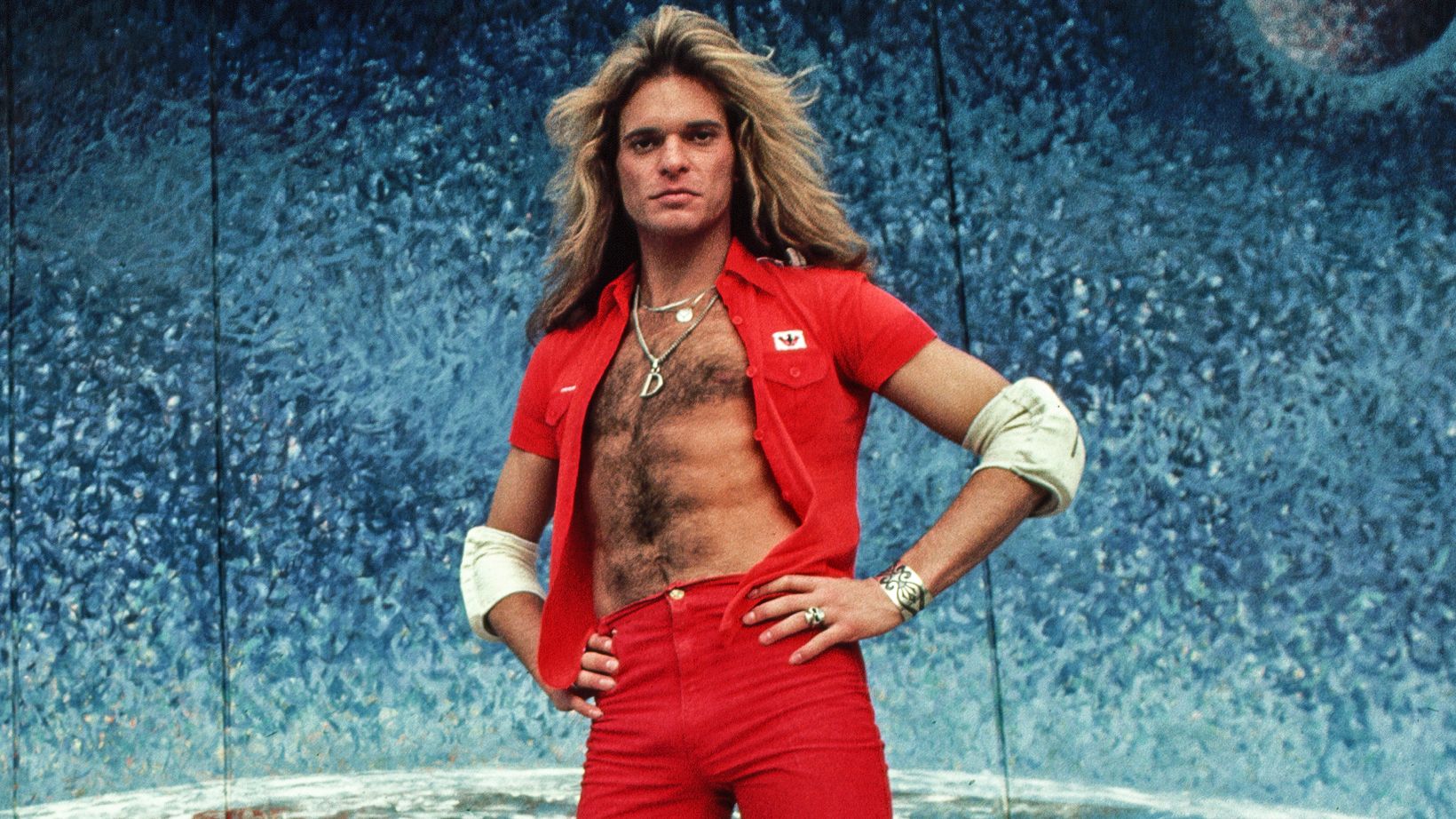
Roth in Hollywood, march 29, 1985. (Image credit: Bob Riha, Jr./Getty Images)
Different Paths: Sheehan vs. Vai
While sheehan chose to part ways after the album’s completion, Vai remained dedicated to roth’s vision, at least during the subsequent tour. In an interview with Guitar World around the time of Skyscraper‘s release, he expressed his commitment to the band. “I receive numerous offers to collaborate on other projects, but I’m focused on building our band’s identity,” he stated. “I don’t want to be seen merely as a session musician.”
Addressing Sheehan’s exit, Vai spoke with tact. “When two musicians collaborate, everything can flow smoothly until one wants to explore a different direction. It’s crucial to communicate. If one decides to move on, that’s the best course for both parties. It was Dave’s choice,but it was also the right move for Bill.”
Vai continued with Roth through the Skyscraper tour before departing in 1989 to join Whitesnake. Jason Becker took his place for the album A Little Ain’t Enough, but Roth’s solo career never regained the commercial success of those initial albums. For Sheehan, the decision to leave was never about chart performance; once the joy faded, it was time to seek new opportunities.
In related news, David Lee Roth has recently announced the cancellation of several tour dates, prompting a response from his Van Halen successor, Sammy Hagar.
How David Lee Roth’s ’Skyscraper’ Led to Billy Sheehan’s Exit: A Behind-the-Scenes Tale
How David Lee Roth’s ‘Skyscraper’ Led to Billy Sheehan’s exit: A Behind-the-Scenes Tale
the Rise of David Lee Roth’s Solo Career
After leaving Van Halen,David Lee Roth embarked on a solo career that showcased his flamboyant style and musical prowess. His first solo album, Eat ‘Em and Smile, released in 1986, was a commercial success, featuring hits like “Yankee Rose.” This album not only highlighted Roth’s vocal talents but also introduced a formidable backing band that included guitarist Steve Vai, drummer Gregg Bissonette, and bassist Billy Sheehan.
The Chemistry Behind ‘Eat ‘Em and Smile’
The chemistry among the band members was palpable during the recording of Eat ‘Em and Smile. The collaborative surroundings fostered creativity and camaraderie, resulting in an album that resonated with fans and critics alike. Here are some key points about the album:
Release Date: July 7, 1986
Platinum Certification: Achieved in the U.S.within months of release
Hit Singles: “Yankee Rose,” “Goin’ Crazy,” and “Tobacco Road”
Transition to ‘Skyscraper’
In 1988, Roth released his second solo album, Skyscraper, which marked a important shift in musical direction. Roth aimed for a more polished, radio-friendly sound, which included the addition of keyboardist Brett Tuggle. This change, though, did not sit well with Sheehan, who felt that the fun and spontaneity of their previous work had vanished.
Sheehan’s Perspective on the Shift
Reflecting on the transition, Sheehan expressed his concerns about the new recording process:
“With Eat ‘Em and Smile, we were all together, having a blast, jamming in one room. Skyscraper felt different; it was more structured and less enjoyable.”
Recording Process of ‘Skyscraper’
The recording of Skyscraper was a stark contrast to the collaborative spirit of its predecessor. The band adopted a more segmented approach, with each musician recording their parts separately. This method led to a lack of interaction and diminished the chemistry that had previously fueled their creativity.
Key Changes in the Recording Process
Aspect
Eat ‘Em and Smile
Skyscraper
Recording Style
Collaborative,live sessions
Segmented,individual tracking
Band Dynamics
High energy,camaraderie
Stiff,less interaction
Overall Vibe
Fun and spontaneous
Structured and serious
Billy sheehan’s Departure
As the recording progressed,Sheehan’s dissatisfaction grew. He felt that the new direction was not aligned with his musical vision.Ultimately, he decided to leave the band after the completion of Skyscraper.
Reasons for Sheehan’s Exit
Loss of Enjoyment: The fun atmosphere that characterized their earlier work was gone.
Creative Differences: Sheehan wanted to maintain a collaborative approach to music-making.
Personal Growth: He sought new opportunities that aligned with his artistic goals.
Impact on the music Scene
Sheehan’s departure from Roth’s band had significant implications for both artists. While Roth continued to tour and release music, his subsequent albums did not achieve the same level of commercial success as his first two. Sheehan, on the other hand, went on to find success with the band Mr. Big, which produced hits like “To Be with You.”
Legacy of ‘Skyscraper’
Despite its mixed reviews, Skyscraper remains a notable part of rock history. It showcased Roth’s ambition to evolve as an artist, even if it came at the cost of losing key collaborators. The album’s singles, such as “Just Like Paradise,” still resonate with fans today.
first-Hand Experiences
Many musicians and fans have shared their thoughts on the impact of Skyscraper and Sheehan’s exit. Here are some notable insights:
Steve Vai: “The dynamics changed, but it was a necessary evolution for David.”
Fans: “We loved the energy of eat ‘Em and Smile,but Skyscraper had its own charm.”
Benefits of collaboration in Music
Sheehan’s experience highlights the importance of collaboration in the creative process. Here are some benefits of working closely with fellow musicians:
Enhanced Creativity: collaborative environments foster innovative ideas and unique sounds.
Stronger Relationships: Working together builds camaraderie and trust among band members.
Shared Success: Collaborative efforts frequently enough lead to greater commercial success and fan engagement.
Practical Tips for Musicians
For aspiring musicians, here are some practical tips to maintain a healthy collaborative environment:
Communicate Openly: Regular discussions about creative direction can prevent misunderstandings.
Encourage Input: Make sure every band member feels valued and heard.
Maintain Versatility: Be open to new ideas and changes in direction.
For those interested in sharing their own musical journey or seeking collaboration opportunities, consider creating an account at Beatbounty and submitting an ad. It’s a great platform to connect with fellow musicians and explore new projects!