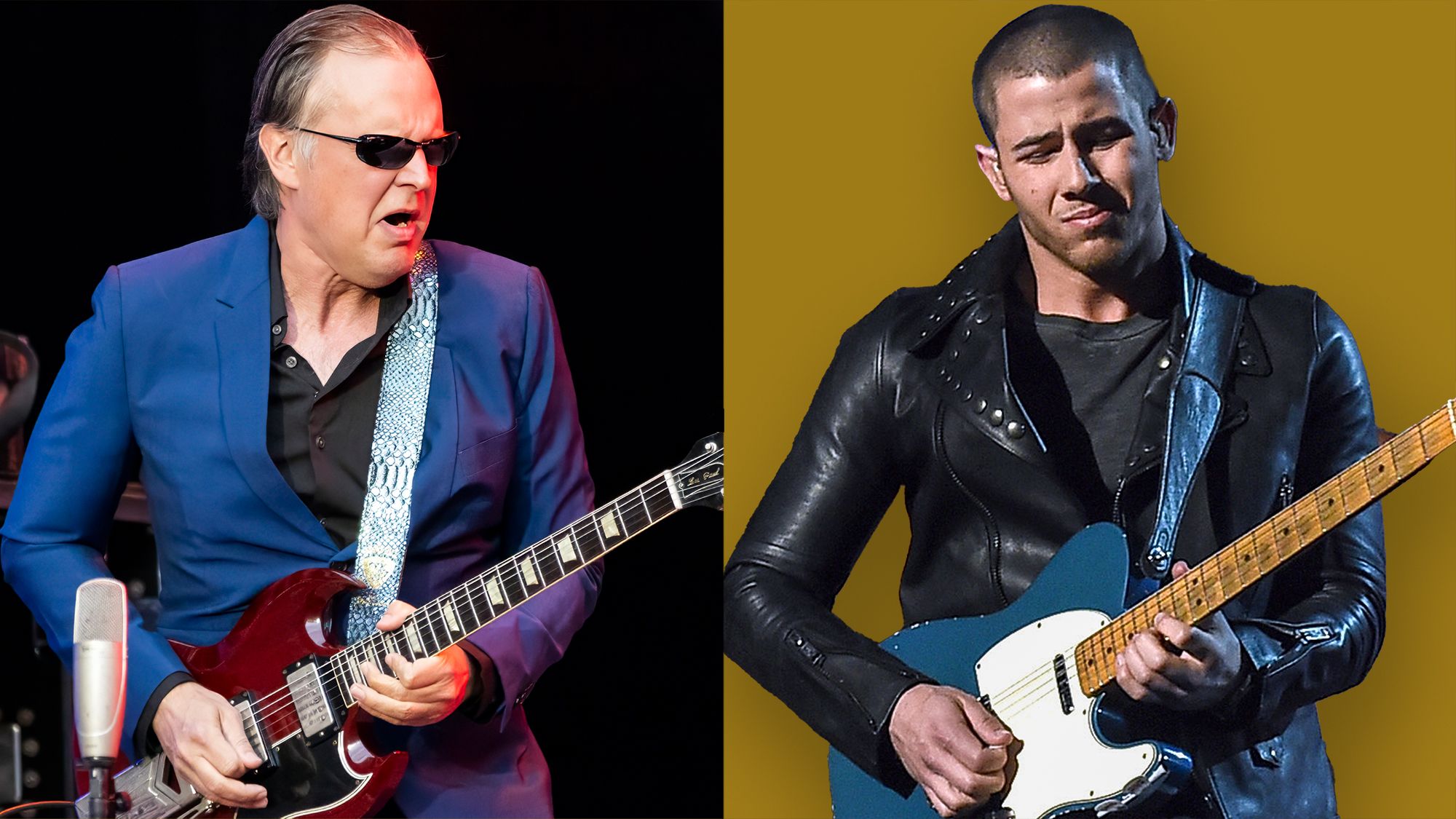
Joe Bonamassa Calls Out Toxic Guitar Culture: A Call for Unity Over Competition
Renowned blues guitarist Joe bonamassa has a candid message for teh online critics and “armchair quarterbacks” who perpetuate a harmful culture within the guitar community.
The Rise of Online Criticism
Bonamassa highlights how social media has transformed the landscape for musicians, making them vulnerable to unrelenting scrutiny. Instead of celebrating artistry, many commenters focus on pointing out flaws, creating a divisive atmosphere where musicians are pitted against one another.
Understanding the ‘Armchair Quarterback’ Mentality
“In the U.S., we have a saying called ‘armchair quarterback,’” Bonamassa explains in an interview with Guitar Interactive Magazine. “It refers to someone who critiques a player’s performance from the comfort of their own home, claiming they could do better.”
Real-Life Consequences of Online Mockery
Bonamassa notes that this critical mindset has seeped into the guitar world, where even minor mistakes can lead to harsh backlash. He recalls the infamous incident involving Nick Jonas during the 2016 ACM Awards,where Jonas flubbed a guitar solo in front of an audience of approximately 11 million viewers. The fallout was swift, with the clip going viral and spawning a wave of mockery and criticism across social media platforms.
“That incident was a classic example,” Bonamassa reflects. “It pushed Jonas to seek therapy. Everyone has had a moment where they blank out on stage. But the vitriol he faced was excessive. What do people expect him to do? Destroy his guitar in shame?”
The Impact on Artists
Jonas himself later shared how the experience affected him deeply. “Looking back, I can laugh at how notable I thought it was,” he admitted. “But it did gain more attention than I would have liked, and it led me to therapy.”
He recounted the moment,saying,”I had rehearsed countless times,but as I approached Kelsea Ballerini,I just froze. I hit a wrong note and couldn’t recover.”
Collaboration vs. Competition
For bonamassa, this competitive mindset extends beyond individual errors. He observes that audiences frequently enough turn collaborative performances into imagined competitions, even when the musicians are simply enjoying the moment together.
“Kenny Wayne shepherd and I have shared the stage numerous times over the past several years. It’s never a competition,” he states. “Warren Haynes and I have also played together, and we view it as a fun experience.”
Yet, some fans still perceive these performances as contests, expecting one guitarist to outshine the other. “What do they wont?” Bonamassa questions. “A trophy? A cash prize? A judge declaring a winner like it’s a boxing match?”
Redefining Live Music
Bonamassa believes this competitive attitude detracts from the essence of live music. “Music isn’t a sport,” he asserts. “When every missed note or shared jam is treated as a competition, it diminishes the richness of the guitar community.”
Joe Bonamassa Sounds the Alarm: Is Toxic Guitar Culture Hitting a Sour Note?
Joe Bonamassa Sounds the Alarm: Is Toxic Guitar Culture Hitting a Sour Note?
The Rise of Toxic Guitar Culture
In recent years, the guitar community has witnessed a troubling trend: the emergence of a toxic culture that thrives on criticism and negativity. Renowned blues guitarist Joe Bonamassa has been vocal about this issue, emphasizing how social media has amplified the voices of critics, often overshadowing the joy of music-making.
Understanding the ‘Armchair quarterback’ Mentality
Bonamassa describes the phenomenon of the ”armchair quarterback,” a term used to refer to individuals who critique performances from the sidelines without any real understanding of the challenges involved. This mentality has permeated the guitar world, where musicians are often judged harshly for minor mistakes.
Key Characteristics of Toxic Guitar Culture
- Excessive Criticism: Musicians face relentless scrutiny over their performances, leading to a fear of failure.
- Comparison Over Collaboration: Instead of celebrating each other’s talents, players often compete against one another.
- Online Harassment: Social media platforms can become breeding grounds for negativity, where users hide behind anonymity to attack artists.
Real-Life Examples of Toxicity
Bonamassa points to several high-profile incidents that illustrate the damaging effects of this culture. One notable example is the backlash faced by Nick Jonas during a live performance at the 2016 ACM Awards. After a flubbed guitar solo, jonas became the target of online mockery, which he later revealed had a profound impact on his mental health.
Impact on Musicians
Such incidents highlight the real consequences of toxic criticism. Musicians like Jonas have spoken out about the emotional toll that public scrutiny can take, leading to anxiety and even therapy. Bonamassa argues that this culture not onyl harms individual artists but also stifles creativity and collaboration within the community.
Fostering a Supportive Guitar Community
To combat the negativity, Bonamassa advocates for a shift in mindset among guitarists and fans alike. here are some practical tips for fostering a more positive environment:
Practical Tips for Musicians and Fans
- Encourage Constructive Feedback: instead of harsh criticism, offer helpful suggestions that can aid in a musician’s growth.
- Celebrate Achievements: Acknowledge the hard work and dedication of fellow musicians, irrespective of their skill level.
- Promote Collaboration: Engage in jam sessions and collaborative projects that emphasize teamwork over competition.
Case Studies: Positive Change in Action
Several initiatives have emerged to promote positivity within the guitar community. As a notable example, local music schools and online platforms are increasingly focusing on mentorship and support rather than competition.
Examples of Positive Initiatives
| Initiative |
Description |
Impact |
| Guitar Workshops |
Community-driven workshops that focus on skill advancement and collaboration. |
Increased camaraderie among participants. |
| Online Support groups |
Social media groups dedicated to sharing positive experiences and constructive feedback. |
Reduction in negative comments and increased support. |
| Mentorship Programs |
Pairing experienced musicians with beginners to foster growth and confidence. |
Enhanced learning experiences and community building. |
First-Hand Experiences: Musicians Speak Out
Many musicians have shared their experiences with toxic culture and how they overcame it.For example, guitarist Warren Haynes has spoken about the importance of community support in his career. He emphasizes that collaboration should be the focus, rather than competition.
Quotes from Musicians
“Music is about connection, not competition. We should lift each other up, not tear each other down.” – Warren Haynes
Benefits of a Positive Guitar Culture
Creating a supportive environment within the guitar community has numerous benefits:
- Enhanced Creativity: Musicians feel free to experiment and express themselves without fear of judgment.
- Stronger Community Bonds: A positive culture fosters friendships and collaborations that can lead to innovative projects.
- Improved Mental Health: reducing negativity can alleviate stress and anxiety among musicians, promoting overall well-being.
Join the Movement: Create an Account on Beatbounty
As we strive to build a more supportive guitar community, consider joining platforms like Beatbounty. By creating an account, you can connect with fellow musicians, share your experiences, and even submit ads for collaboration opportunities. Together,we can make a difference in the guitar world!
Become a valued member of Beatbounty platform.
Start selling and connect with fellow musicians – LOGIN or REGISTER!