Legacy in Ruins: Les Paul's Son Reflects on the Demolition of the Birthplace of Modern Recording and Electric Guitar
0 reactions
3 hours ago
Beatbounty
Gene Paul Demands Clarity Following the Demolition of Les paul’s Historic Home
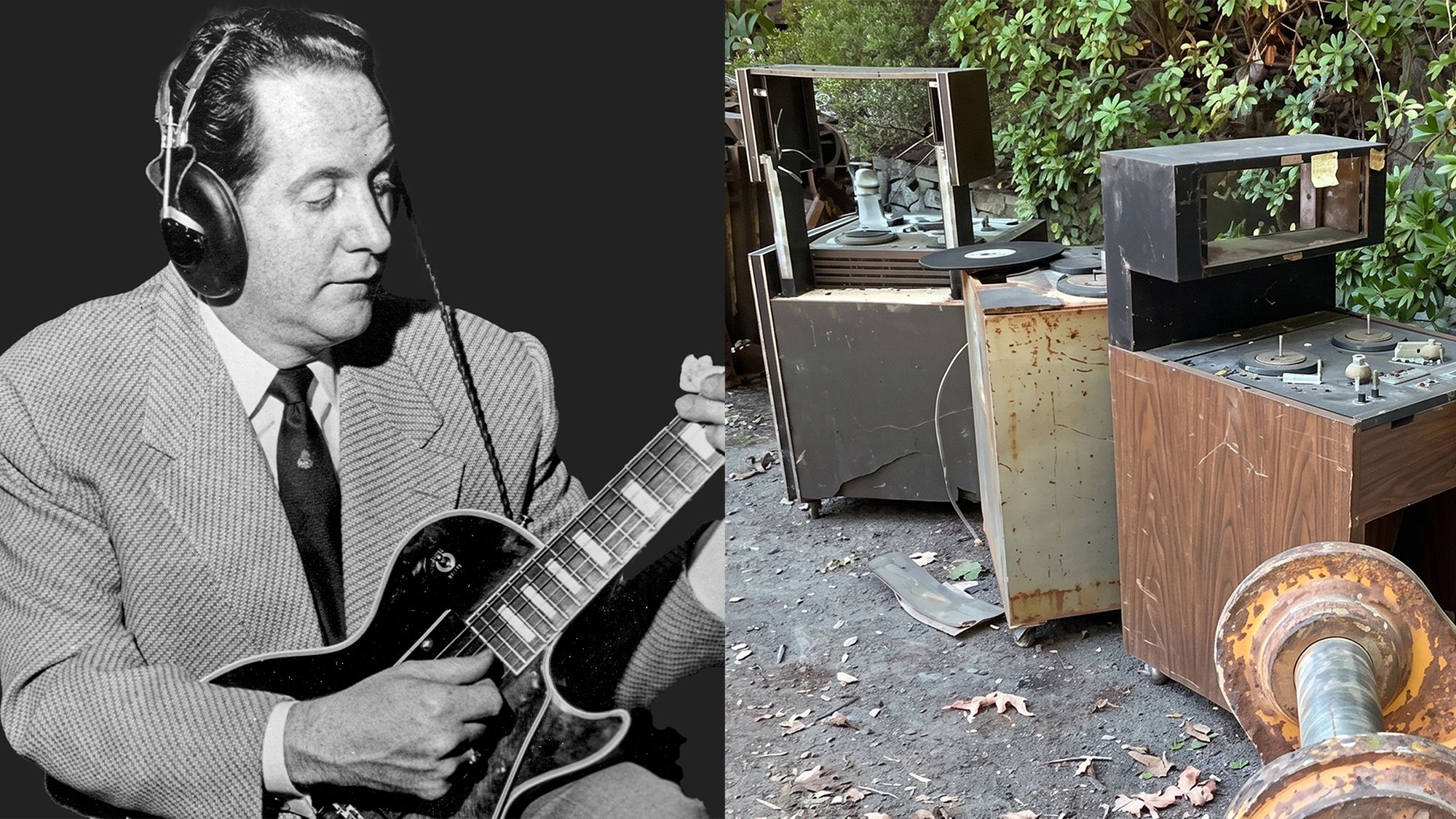
Gene Paul, the son of legendary guitarist Les Paul, is seeking clarity regarding the recent demolition of his father’s cherished residence, workshop, and recording studio located in Mahwah, New Jersey. This site,known for its pivotal role in the evolution of modern recording and electric guitar technology,was razed after being sold to private developers for approximately $990,000.
A Historic Landmark Lost
For music enthusiasts and historians alike, the property at 78 Deerhaven Road was not merely a family home; it served as a creative hub where Les Paul pioneered revolutionary recording techniques and explored innovations that would ultimately redefine the electric guitar. The loss of this landmark has ignited a wave of controversy, especially following remarks from the Les Paul Foundation’s executive director, Michael Braunstein, who referred to the site as “just four walls” while promoting a new commercial studio in Los Angeles. This comment has drawn ire from guitar aficionados, historians, and the Paul family, who believe the Mahwah property was a vital piece of musical heritage.
Les and Mary with their collie in 1957 at their Mahwah home, where they recorded their popular television show Les Paul & Mary Ford at Home. (Image credit: Ben martin/getty Images)
A son’s Heartfelt Plea
gene Paul has openly criticized the foundation’s portrayal of the situation,expressing profound sorrow over the loss of the family home and questioning the management of the property. “I’m not a lawyer; I’m a son,” he stated. “And right now, I’m a heartbroken son. Seeing my father’s home gutted was devastating. That house was not just a residence; it was his workshop, his laboratory, and the embodiment of his dreams.”
The Mahwah residence was the backdrop for many of Les Paul’s most significant innovations, including his groundbreaking multitrack recording methods and pickup designs. It also served as a meeting place for iconic guitarists like Jimmy Page, Jeff Beck, and Eddie Van halen, who sought Les’s insights on music and technology.
Les Paul’s Mahwah home, studio, and laboratory, where he made significant advancements in multitrack recording and electric guitar development. (Image credit: Courtesy JJ Whitney, Les Paul Legacy Group)
Family concerns and Financial Questions
In a poignant facebook post dated August 25, Gene Paul detailed how the property transitioned from family ownership to the Les Paul Foundation. “When my father passed away, control over the foundation and everything related to his estate-including his royalties and legacy-did not transfer to me or our family. We found ourselves excluded from the decision-making process,” he explained.
Gene further elaborated, “Michael Braunstein, who oversees the foundation, took charge of everything, and the family was never included in discussions or invited to join the board of directors. We have consistently felt sidelined regarding my father’s estate and legacy.”
He expressed his discontent with the arrangement, stating, “We have never been satisfied with this situation.”
Gene Paul revealed that the family received no prior notice about the demolition and where not allowed to enter the house before its destruction. A statement from the Les Paul Legacy Group indicated that efforts were made at the last minute to salvage historically significant items, including handwritten notes and workbenches, wich were reportedly found in rooms that had suffered from water damage and neglect.
Gene is also raising questions about the $990,000 proceeds from the property sale. “What will happen to that money?” he asked. “My father had children and a family. Was that ever taken into account? We were never consulted. Now that the house is gone, where is the ancient marker at the entrance to Deerhaven Road to inform future generations that Les Paul once lived here? I believe my father’s family, friends, and fans deserve answers.”
Legacy in Ruins: Les Paul’s Son Reflects on the Demolition of the Birthplace of Modern Recording and Electric Guitar
Legacy in Ruins: Les Paul’s Son Reflects on the Demolition of the Birthplace of Modern Recording and Electric Guitar
The Heart of Innovation: Les Paul’s Mahwah Home
Les Paul, a name synonymous with innovation in music, transformed the landscape of recording and electric guitar technology. His home in mahwah, New Jersey, was not just a residence; it was a creative sanctuary where groundbreaking ideas flourished. This property served as the birthplace of modern recording techniques, including the revolutionary multitrack recording system.
Gene Paul’s Emotional response
Recently, Gene Paul, Les Paul’s son, expressed his profound sorrow over the demolition of this historic site. The property, sold for approximately $990,000 to private developers, was razed, leaving Gene and many in the music community heartbroken. he stated, “seeing my father’s home gutted was devastating. That house was not just a residence; it was his workshop, his laboratory, and the embodiment of his dreams.”
Significance of the Mahwah property
Innovative Experiments: Les Paul developed his pioneering multitrack recording techniques here.
Collaboration Hub: The home welcomed iconic musicians like Jimmy Page and Eddie Van Halen.
Past Value: The site represented a crucial chapter in the evolution of music technology.
Controversy Surrounding the Demolition
The demolition has sparked meaningful controversy, particularly following comments from the Les Paul Foundation’s executive director, Michael Braunstein. He referred to the historic property as “just four walls,” which ignited backlash from music historians and fans alike. Many argue that this perspective undermines the cultural and historical significance of the site.
Community Reactions
Members of the music community have voiced their concerns, emphasizing the importance of preserving such landmarks. The Mahwah property was not merely a house; it was a symbol of creativity and innovation that shaped the music industry.
Financial and Legal Implications
Gene Paul has raised questions about the financial aspects of the property sale. He expressed concern over the $990,000 proceeds, asking, “What happens to that money? My father had children and a family. Was that ever considered?” This inquiry highlights the need for transparency regarding the management of Les Paul’s legacy.
Table: Key Events in Les Paul’s Life and Legacy
Year
Event
Significance
1915
Les Paul is born
Birth of a musical innovator
1940s
Development of the electric guitar
Revolutionized music performance
1950s
Creation of multitrack recording
Changed the recording industry forever
2009
Les Paul passes away
End of an era in music innovation
Preserving Musical Heritage
The loss of Les Paul’s Mahwah home raises critical questions about how we preserve musical heritage. As Gene Paul pointed out, the absence of a historical marker at the site leaves future generations unaware of the significant contributions made by his father. this situation underscores the importance of recognizing and honoring the legacies of influential figures in music history.
Benefits of Preserving Historical Sites
Cultural Education: Historical sites serve as educational resources for future generations.
Community Identity: they foster a sense of pride and identity within the community.
Tourism Opportunities: preserved sites can attract visitors, boosting local economies.
First-Hand Experiences: Gene Paul’s Reflections
In his heartfelt reflections,Gene Paul shared memories of the Mahwah home,emphasizing its role in his father’s creative process. ”It was a place where dreams were born,” he recalled. “the walls echoed with music and innovation. Losing it feels like losing a part of my father’s spirit.”
Case Study: The Impact of Demolishing Historical Sites
Across the globe, the demolition of historical sites has often led to public outcry and regret.As an example, the destruction of the original Motown headquarters in Detroit sparked a movement to preserve other significant music landmarks. This case illustrates the potential consequences of neglecting our musical heritage.
Practical Tips for Supporting Music Heritage
As music lovers and advocates, there are several ways to support the preservation of musical heritage:
Advocate for Preservation: Support local initiatives aimed at preserving historical sites.
Educate Others: Share knowledge about the significance of musical landmarks.
Participate in Events: Attend events that celebrate music history and culture.
Join the Beatbounty Community
If you’re passionate about music and want to contribute to the community, consider creating an account on the Beatbounty platform. Here, you can submit ads, connect with fellow music enthusiasts, and help promote the legacy of artists like Les Paul.