The Enduring Legacy of Yes: Steve Howe Reflects on the Band’s Future
Over the decades, Yes has seen a revolving door of approximately 20 musicians join its ranks. Yet, one figure has remained a constant presence: guitarist Steve Howe. Since stepping in for Peter Banks in 1970,Howe has not only become a pivotal composer for the band but has also earned his place as one of the most revered guitarists in the progressive rock genre. His contributions span nearly all of Yes’ 24 studio albums, with his latest production efforts showcased in The Quest (2021) and Mirror to the Sky (2023). As he gears up for more touring later this year, Howe reveals that the band is currently experimenting with new material for their upcoming album.
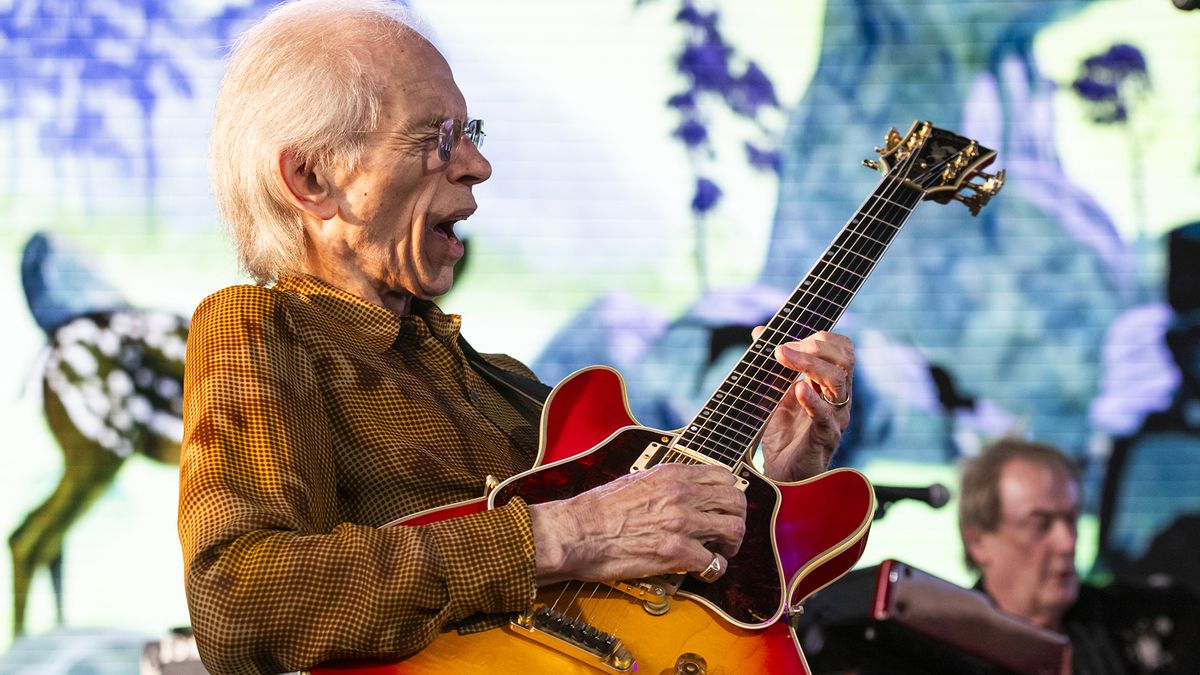
(Image credit: Peter Pakvis/redferns)
At 77 years old, Howe’s commitment to Yes remains unwavering. with the upcoming release of the Super deluxe edition of Close to the Edge on March 7—Yes’ most commercially triumphant album from its 1972 debut—it’s a fitting moment to ponder whether he ever considers stepping away from the band.
“I like to think I have that choice,” Howe shares with a grin during a Zoom call from his home in England. “I can continue if I wish, but I also have the freedom to step back if that’s what I decide.” This perspective reflects his ongoing passion for music, especially after the release of his recent solo project, Guitarscape, last year.
Howe elaborates, “I have an internal agenda where I’m organizing various projects, sometimes simplifying them to make them more manageable. This approach allows me to view the future in a more optimistic and enjoyable light.” He hints at potential new developments later in the year, suggesting that his creative journey is far from over.
Looking Ahead: Yes Without Howe?
As the longest-standing member of Yes and the last connection to the band’s illustrious 1970s era, Howe envisions a future for the band, even if he is not part of it. “That decision lies entirely with them,” he explains.”There’s an inherent drive to keep going. Over the years,we’ve faced numerous moments where we thought,’This is it. How can we continue?’ Yet, something always emerges to reignite our path.”
Yes has previously thrived without Howe during the 1981-1988 period when Trevor Rabin revitalized the band, leading to their only number one hit, “Owner of a Lonely Heart.” Howe and Rabin also collaborated in the ill-fated eight-member Union lineup in the early ’90s.
While Howe has no specific thoughts on who might take over his guitar role, he acknowledges that many past members had brief tenures with the band. “Most of those who joined didn’t have a long-standing history with Yes; they where frequently enough just passing through,” he notes. He sees the potential for a new member to bring fresh direction, similar to how he and Rick Wakeman did when they joined in 1970 and 1971, respectively. “We were newcomers, not yet established, and that played a significant role,” Howe reflects. “it’s possible that a fresh face could take the band in a new direction.”
Howe’s Role in Yes: A Collaborative Spirit
Howe is often regarded as the driving force behind Yes,especially after producing their last two albums. However, he remains humble about his influence. “I’ve always believed that no one can truly lead Yes,” he states. “I’m in a unique position where the band members look to me for guidance, but that doesn’t mean I dictate their actions. I strive to understand their visions and help make them a reality. If tough decisions arise, they may fall to me, but I treat everyone as equals.”
He adds, “I’m lucky that my ideas resonate with the band. If I weren’t innovative, I wouldn’t be as valuable to Yes as I am. I believe I contribute considerably, but I would never claim that I could do this alone.I’m here to help guide the band forward.”
Interestingly, Howe used to handle his own guitar tuning, both on tour and in the studio. “I didn’t think anyone could tune them better than I could,” he recalls. “I wanted to avoid the embarrassment of going on stage with a poorly tuned guitar.” He would tune his instruments before they were brought to the stage, until he found someone who could match his skills. ”Once I found that person, I said, ‘Alright, you’re in charge of tuning now!’”