An Unexpected Invitation: The Day Robert Fripp Recruited Greg Lake to Join King Crimson
0 reactions
8 months ago
Beatbounty
The Transformative Journey: Greg Lake’s Shift from Guitar to Bass in King Crimson
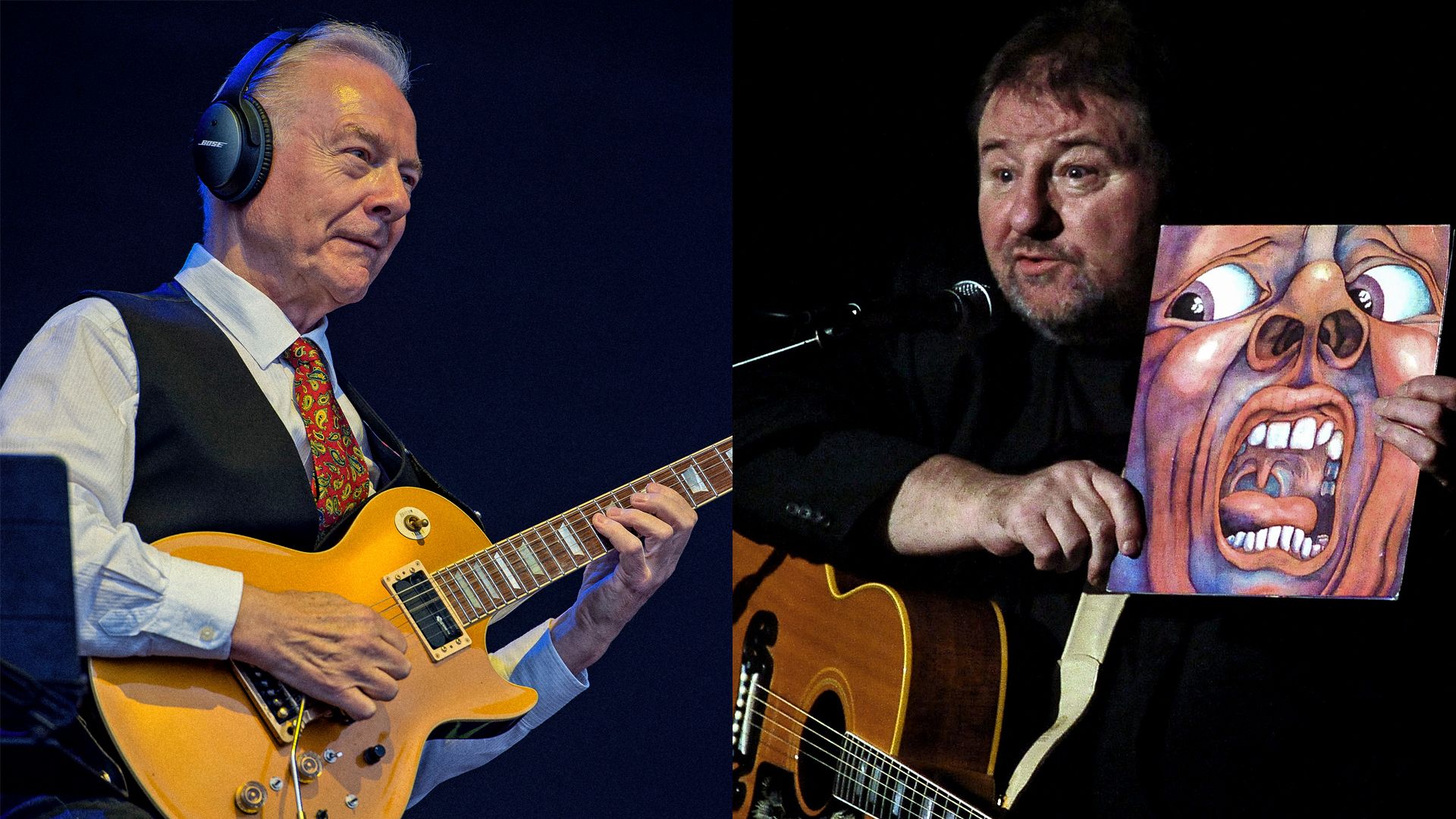
Greg Lake, the iconic figure of progressive rock, initially embarked on his musical journey as a guitarist.However, a pivotal moment arose when his childhood companion and fellow musician, Robert Fripp, encouraged him to transition to bass. This shift revealed to Lake that the two instruments, while visually similar, serve vastly different purposes in a band setting.
Both Fripp and Lake honed their guitar skills under the guidance of don Strike, who Fripp credited with providing them a solid technical foundation.Growing up side by side, they not only tackled their schoolwork together but also forged a deep musical connection that would shape their futures.
fripp’s first encounter with Lake’s talent came during a performance with Lake’s early band, Unit Four. He was invited to join them as a roadie for a gig on the Isle of Wight, a small island off the southern coast of England. The duo’s experience that day was memorable, as they ended up jamming on songs taught by strike when the audience turnout was disappointingly low, showcasing their strong musical rapport.
The Birth of King Crimson
When Fripp sought to establish King Crimson following the breakup of his previous band, Giles, Giles, and Fripp, Lake was an obvious choice for collaboration. Though, there was a twist. “They were keen on me as the lead vocalist, and Robert asked, ‘Would you consider playing bass?’” Lake recounted in a 2016 interview with Bass Player. “I thought, ‘Four strings, six strings… how hard could it be?’”
Lake would later solidify his status as a bassist in the legendary supergroup Emerson, lake & Palmer, which he co-founded after departing from King Crimson in 1970. Yet, his initial experiences highlighted the steep learning curve he faced; the electric guitar and bass are fundamentally different instruments.
A New Perspective on Bass Playing
Reflecting on his transition, Lake admitted, “I approached the bass with a sense of bravado. I had no idea that playing bass was a wholly different discipline; it’s an art form in its own right.” He emphasized that despite their similar appearances, the two instruments fulfill distinct roles and demand unique skills and knowledge.
In King Crimson, lake’s role was to connect the rhythm of the drums with the melodies of the guitar. However, he quickly learned the nuances of this new position. “The first rehearsal with King Crimson was a real eye-opener,” he recalled. ”When Michael Giles, the drummer, started playing his snare, the entire band halted. He looked at me with a mix of pity and annoyance and said, ‘When I hit the snare, you don’t play. That’s how it cuts through.’” This moment marked Lake’s first meaningful realization of the differences between guitar and bass playing.
Finding His Voice on Bass
In a separate conversation with For Bass Players Only, Lake shared some positive aspects of his introduction to the bass guitar. “Back then, most bassists used tapewound strings, which were dull and lacked sustain,” he explained. “Coming from a guitar background, I missed the sustain, so I discovered Rotosound strings, which solved my problem.”
“suddenly, I had a guitar an octave lower with four strings. This allowed me to create more melodic, sustained lines and percussive chords. With better string response, I could play more quickly and fluidly,” he added.
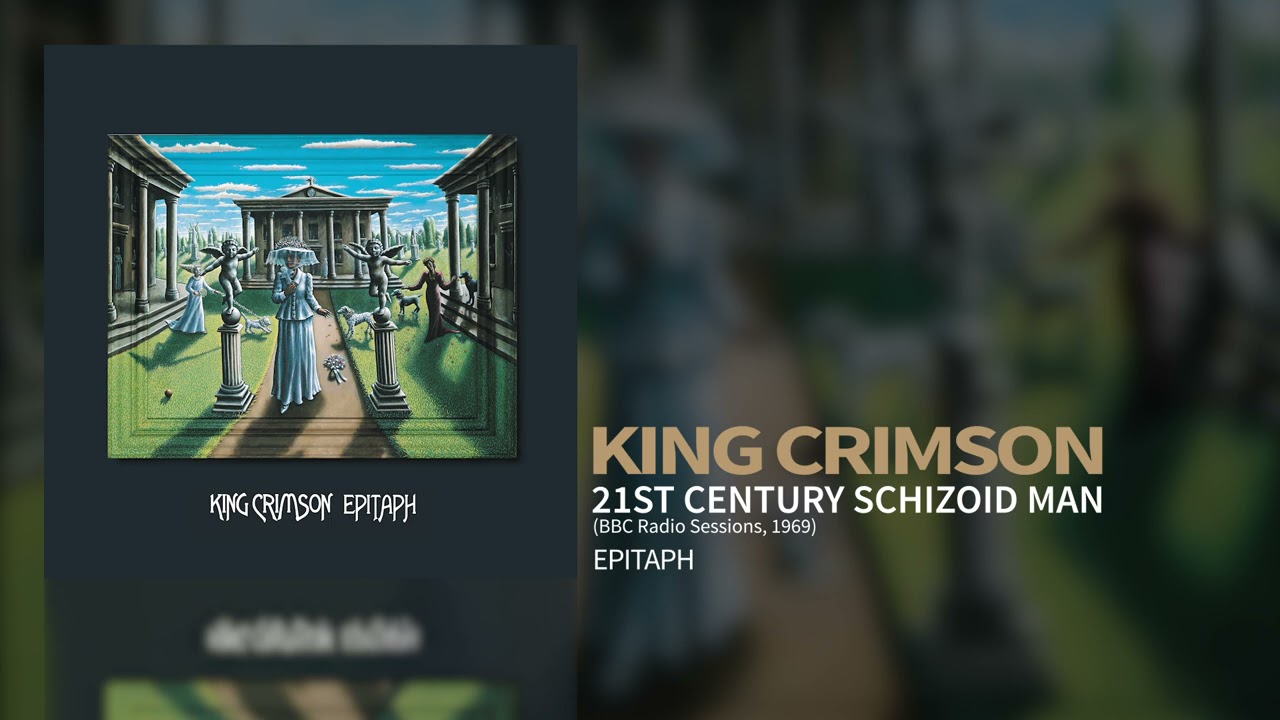
King Crimson – 21st Century Schizoid Man (BBC Radio Sessions, 1969) – YouTube
Lake embraced his new role as a bassist, yet the influence of his guitar-playing days remained evident in his style, allowing him to carve out a unique identity on the instrument.His evolution as a bassist was marked by a blend of his past experiences and newfound skills.
Recently, Fripp faced health challenges, having suffered a heart attack earlier this year. However, his lively Sunday Lunch performances with his wife, Toyah, indicate he has made a full recovery. Despite the excitement surrounding potential new music, Fripp has clarified that he is not currently working on a new album with King Crimson. Speculation arose over the summer when Jakko Jakszyk hinted at the possibility of a new studio album, but any hopes for a follow-up to 2003’s the Power to Believe remain unfulfilled for now.
An Unexpected Invitation: The Day Robert Fripp Recruited Greg Lake to Join King Crimson
An Unexpected Invitation: The Day Robert Fripp Recruited Greg Lake to Join King Crimson
The Early Days of Greg Lake and Robert Fripp
Greg Lake and robert Fripp’s musical journey began in their formative years, where they both developed a passion for music. Growing up in the same neighborhood, they quickly became friends and musical collaborators. Their early experiences laid the groundwork for what would become a legendary partnership in the world of progressive rock.
Musical Foundations
Guitar Lessons: Both musicians took guitar lessons from Don Strike, who provided them with a solid technical foundation.
Shared Interests: They practiced together, often blending their homework with musical exploration.
First Performances: Their initial performances included local gigs, where they showcased their budding talents.
The invitation to Join King Crimson
In 1968, after the disbandment of Fripp’s previous group, Giles, Giles, and Fripp, he was on the lookout for new talent to form a groundbreaking band.It was during this time that Fripp reached out to Lake, who was performing with his band, unit Four.
The Moment of Recruitment
Fripp’s invitation to Lake was both unexpected and pivotal. He approached Lake with a proposition that would change the course of their musical careers:
“They really wanted me as the lead singer,and so Robert said,’Would you be prepared to play bass?’” – Greg Lake
Lake,initially a guitarist,was intrigued by the idea of switching to bass. He thought, “Four strings, six strings… what could be the problem?” This moment marked the beginning of a new chapter for both musicians.
The Transition from Guitar to Bass
Lake’s transition from guitar to bass was not without its challenges. While the instruments share some similarities, they serve different roles within a band. Here are some key differences:
Aspect
Guitar
Bass
Strings
6 strings
4 strings
Role
Melody and harmony
Rhythm and foundation
Playing Style
Chords and solos
Grooves and riffs
Learning curve
Lake quickly realized that playing bass required a different skill set. He described his initial experience with King Crimson as a “rude awakening.” During his first rehearsal, he learned the importance of timing and space in music:
“When I play the snare drum, you don’t play. That’s how the snare cuts through.” - Michael Giles
This lesson emphasized the need for bassists to support the rhythm section rather than compete with it.
Benefits of Playing Bass
Despite the challenges, Lake found several advantages to playing bass:
Melodic Freedom: Switching to bass allowed him to explore new melodic lines and percussive chords.
Enhanced Groove: The bass guitar’s role in the rhythm section enabled him to create more dynamic grooves.
Improved Technique: Learning bass improved his overall musicianship and understanding of music theory.
Legacy of King Crimson
King Crimson went on to become one of the most influential bands in progressive rock history. Their innovative sound and complex compositions set them apart from their contemporaries. Lake’s contributions as a bassist and vocalist were integral to the band’s success.
Notable Albums
Some of the most meaningful albums featuring Lake include:
In the Court of the Crimson King (1969): This debut album is often regarded as a cornerstone of progressive rock.
In the Wake of Poseidon (1970): Continued the band’s exploration of complex musical themes.
Lizard (1970): Showcased the band’s experimental approach to composition.
First-Hand Experiences
Many musicians have shared their experiences of being inspired by King Crimson’s music.Here are a few notable testimonials:
“King Crimson’s music opened my eyes to the possibilities of progressive rock.Their creativity and musicianship are unparalleled.” – Musician A
“Greg Lake’s bass lines were revolutionary. They changed how I approached playing the instrument.” – Musician B
Practical Tips for Aspiring Bassists
If you’re considering making the switch from guitar to bass or simply want to improve your bass playing, here are some practical tips:
Understand the Role: Familiarize yourself with the bass’s role in a band setting.focus on supporting the rhythm and enhancing the overall sound.
Practice Regularly: Dedicate time to practice scales, grooves, and techniques specific to bass playing.
Listen Actively: Pay attention to bass lines in your favorite songs. Analyze how they interact with other instruments.
Join the Beatbounty Community
Are you a musician looking to connect with others or promote your music? Consider creating an account on the Beatbounty platform. It’s a great place to submit ads, find collaborators, and share your musical journey with a vibrant community.
Sign up today and take your music career to the next level!