The Birth of Funk Bass: A Journey Through the 1970s
The 1970s marked a pivotal era in the evolution of funk bass,largely credited to Larry Graham of Sly & The Family stone,who pioneered the technique known as slap bass. This innovative style transformed the sound of bass guitar and laid the groundwork for future generations of musicians.
As the decade progressed, rock bassists also emerged as formidable talents, with notable figures like Garry Tallent from the E Street Band, Tom Petersson of cheap Trick, Dee Murray from Elton John’s ensemble, John McVie of Fleetwood Mac, ross Valory of Journey, and Peter Cetera, a key member of Chicago, captivating audiences with their skills.
Influences and Inspirations
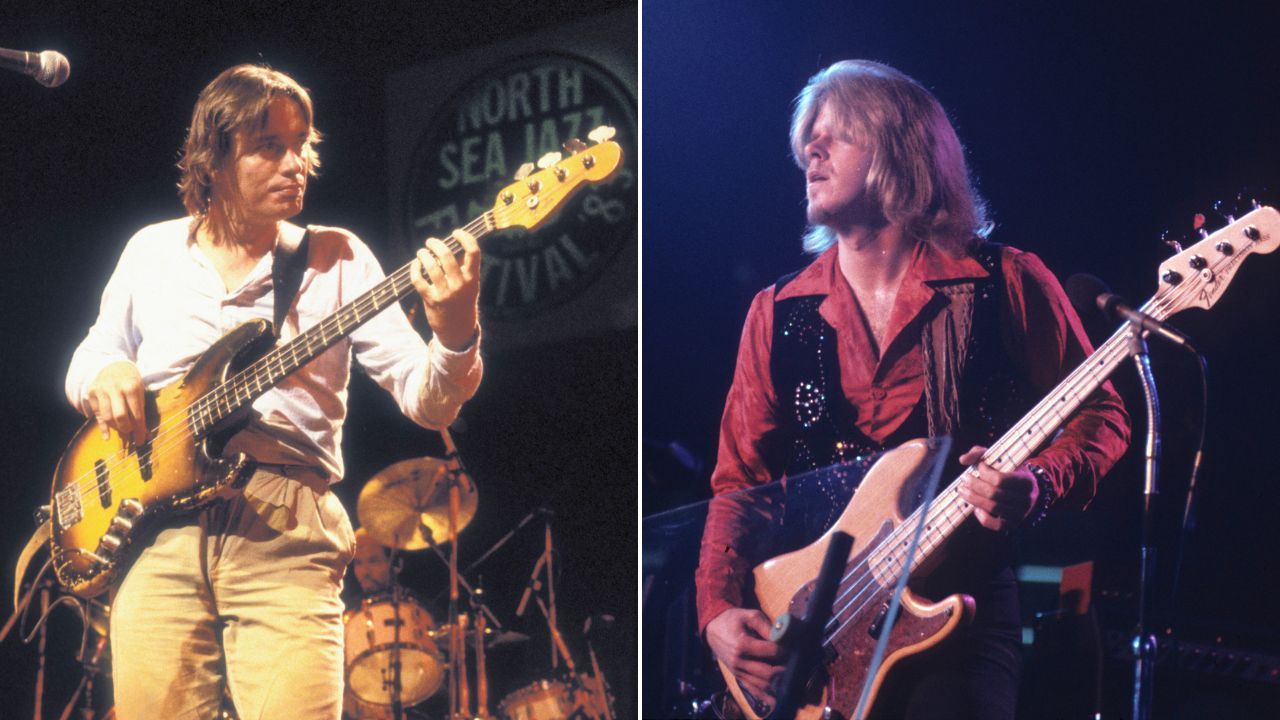
In an interview with Bass Player in December 2007, Cetera reflected on the profound impact of his contemporaries: “There were so many unbelievable bassists during that time. Though, the two who influenced me the most were Willie Weeks and Jaco Pastorius.”
“Jaco came to see Chicago perform in the mid-’70s, and we later met at my home where he played my Guild acoustic bass guitar. He was incredibly down-to-earth, and hearing him play up close made me feel like I couldn’t even call myself a bassist! Yet, he offered, ‘If you ever need a substitute, please reach out! I’d love to play with you guys.’”

Musical Milestones and Collaborations
Cetera also highlighted the importance of Donny Hathaway’s 1972 Live album, particularly the finale. “Willie’s solo on everything Is Everything left me in awe; it’s one of the greatest bass solos ever! I had the chance to meet Willie Weeks in L.A., and he would come over to jam with me on that same Guild bass.”
“Later, when I began recording in Nashville, I discovered he was there too. He participated in my sessions,and we became good friends. He’s one of the humblest people you could ever meet.”
By the time Cetera departed from Chicago to embark on a solo career in 1985, he had made a lasting impact not only as a bassist but also as a lead vocalist and songwriter. His unmistakable high tenor can be heard on the iconic track 25 or 6 to 4.
As a songwriter, he crafted hits like If You Leave Me Now and co-wrote the band’s biggest songs, including You’re The Inspiration and Hard To Say I’m Sorry, alongside producer David Foster. They also collaborated on Cetera’s chart-topping single, Glory of Love, even though by then, his focus had shifted away from the bass guitar.
Transition to a solo Career
“When David Foster came on board to produce our first album for warner Bros.,the role of the bass guitar diminished substantially. David and I clicked instantly and began writing together, but the landscape of pop music had evolved.”
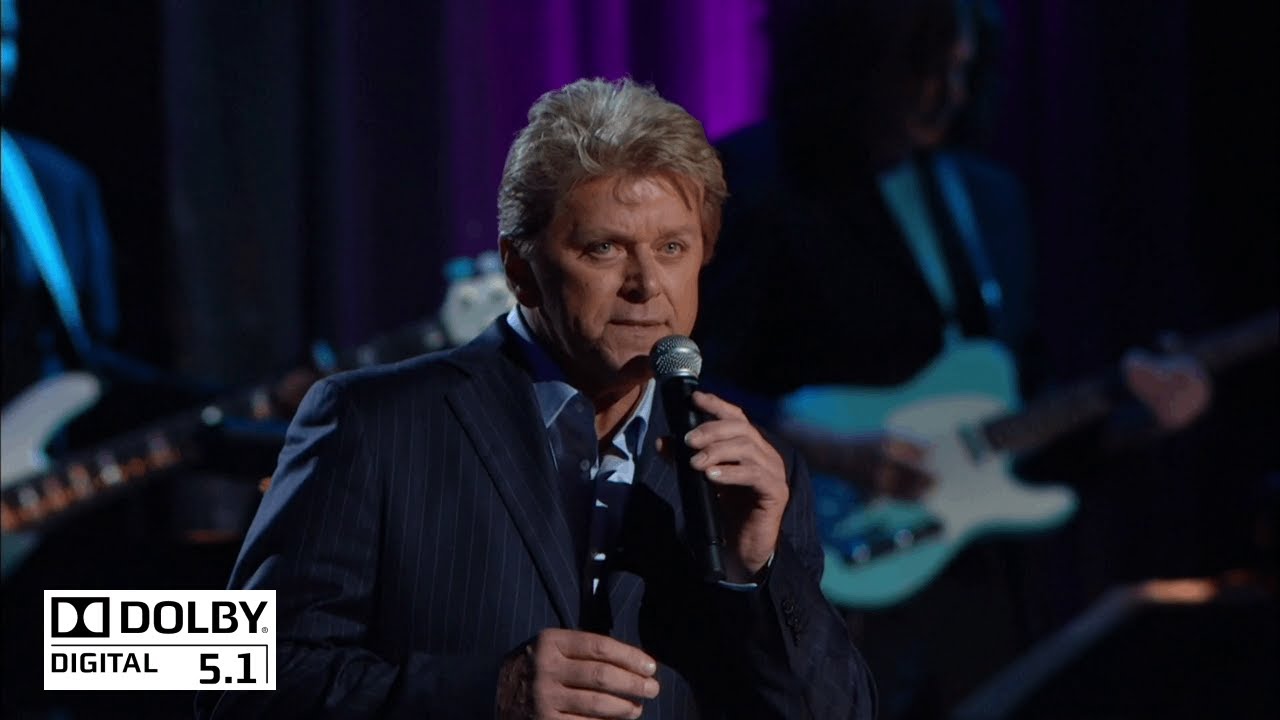
“David was not only the finest keyboardist I had ever encountered, but he was also an exceptional drum programmer and synth bass player.I would reach for my bass only to hear him create an incredible Moog groove,and I’d find myself putting the bass back in its case. It simply didn’t fit the music anymore.”
“I also realized that during my time with the band, I hadn’t been able to fully dedicate myself to either singing or playing bass, and consequently, both aspects suffered. So, when I went solo, I decided to focus entirely on being a frontman.”
Collaborations with Legendary Musicians
Cetera went on to collaborate with many renowned musicians on his solo albums. “I worked with Pino Palladino on a couple of my records after being blown away by his work with Paul Young. I’ve also had the pleasure of meeting legends like Carol Kaye, joe Osborn, Duck Dunn, and Chuck Rainey. Meeting them is just as thrilling as meeting icons like McCartney and Brian Wilson.”
Early Musical Influences
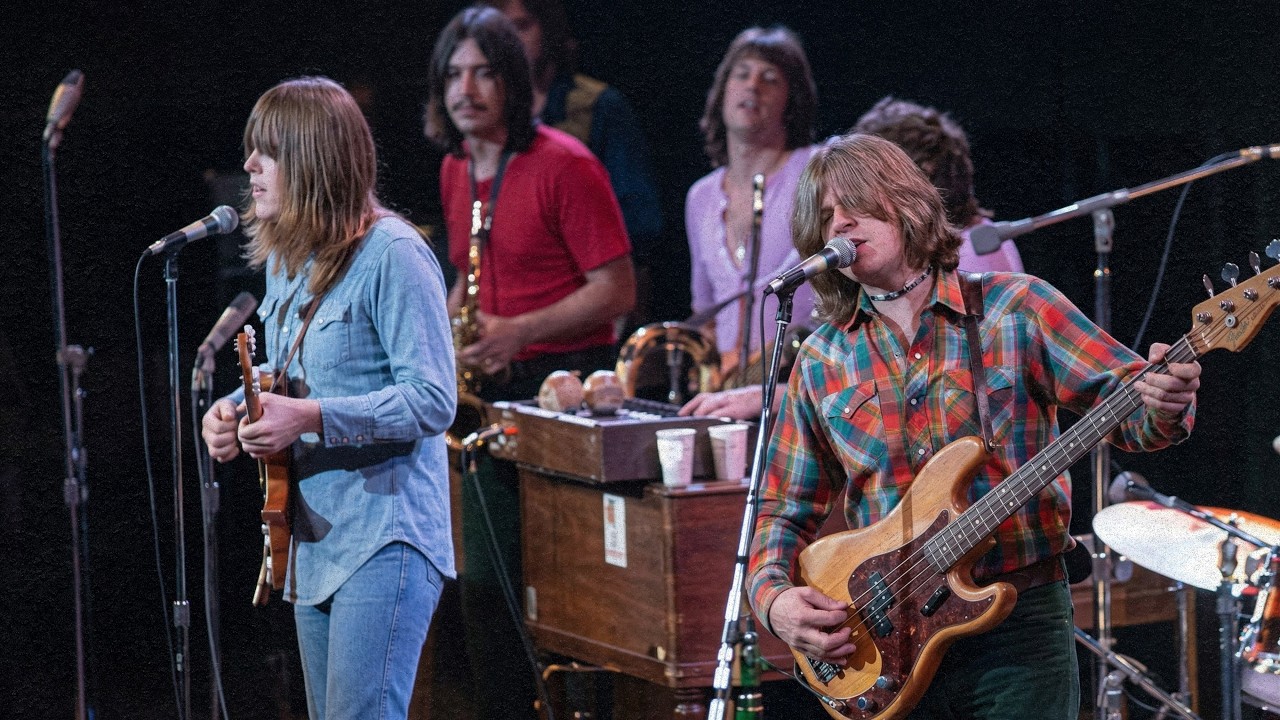
“I had never sung in school, but when we formed the band, it was a matter of ’Who’s going to sing this one?’ I distinctly remember my first performance was on Mashed Potato. I experienced that initial shock of touching the microphone and bass strings!”
Lessons Learned and Musical Ideology
Cetera shared two significant lessons he learned early on. The first came from a friend’s father, a jazz saxophonist who took him to see artists like Stan Kenton and the Four Freshmen. He advised, “Pay close attention to everyone you listen to. If you admire them, you’ll learn something; if you don’t, you’ll discover what you wont to avoid.”
The second lesson came from witnessing James Brown perform in a nearly empty auditorium. “He could have taken it easy, but he was jumping around, sweating, and giving it his all, irrespective of the audience size.”
Approach to Bass Playing in Chicago
Cetera’s primary aim was to create melodic lines. “McCartney’s influence was strong, so I tried to think outside the box, especially when it came to choosing my spots for upper-register notes. My R&B roots and Jamerson’s style were always in my mind, so maintaining a solid groove was essential.”
“Navigating the band’s extended instrumental suites, which often featured complex time signatures, was challenging for me. I’ve never been the most knowledgeable bassist; I don’t read music well, and my understanding of chords is basic. During instrumentals, I relied on chord charts and felt my way through the odd-time sections. I even had a live bass solo in early shows, but I can’t recall the song. It was a one-chord vamp, and my main inspiration was Andy Fraser’s work with Free on Free Live.
Reflecting on a Successful Career
“I take great pride in my time with chicago and my solo endeavors, and I have no significant regrets. Sometiems, I wish I had pursued more formal music training and learned additional instruments and studio techniques. Though, I’ve heard Paul McCartney express similar sentiments-not that I’m comparing myself to him. it’s gratifying to know that I’ve made an impact as a bassist over the years.”