The Knack’s Berton Averre Reflects on ‘My sharona’ and the Beatles Influence
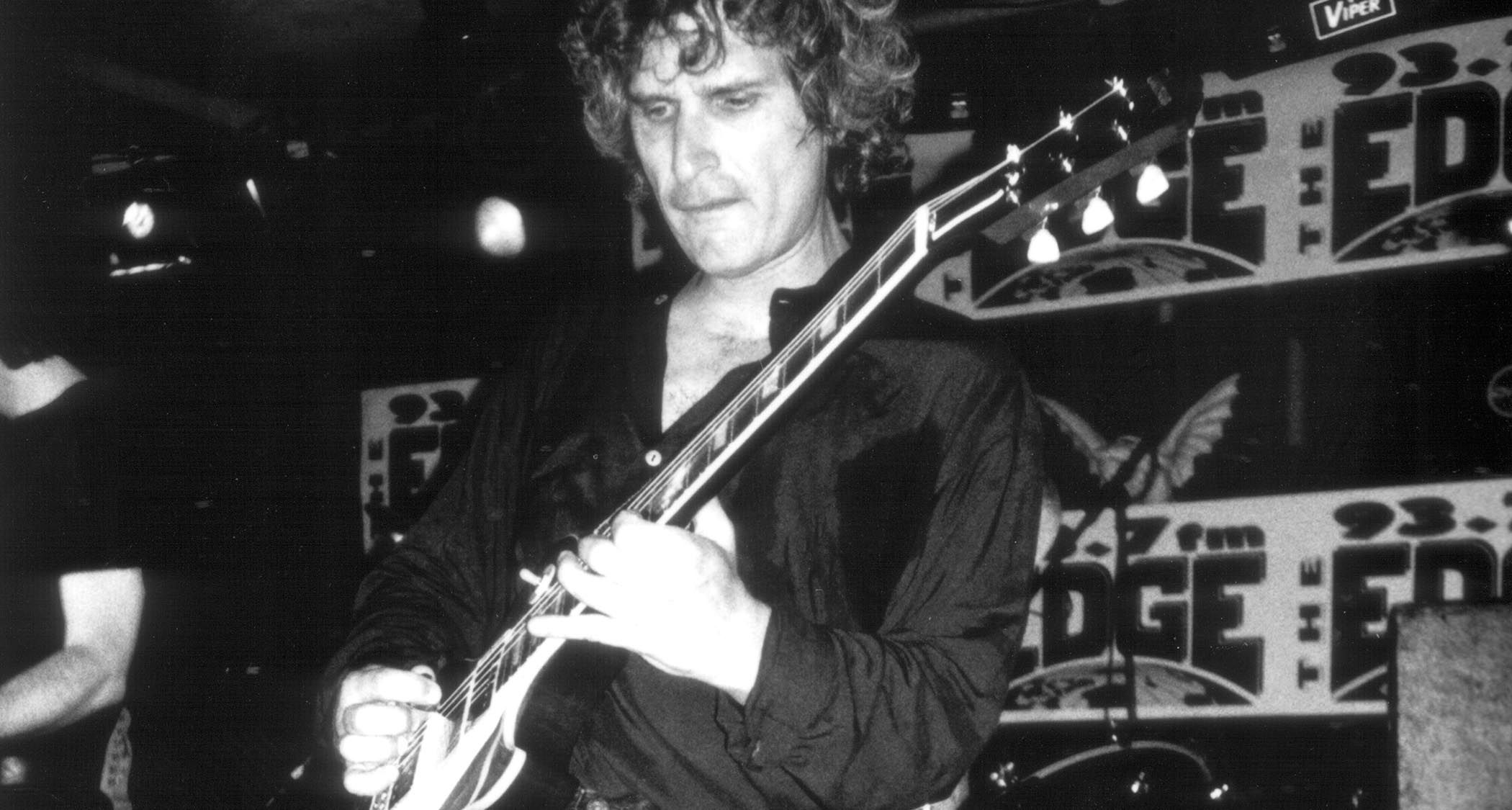
In the final months of the 1970s, The Knack experienced a meteoric rise. This Los Angeles power pop band, featuring singer-guitarist Doug Fieger, lead guitarist Berton Averre, bassist Prescott Niles, and drummer Bruce Gary, saw their debut album, Get the Knack, soar to the top of the charts, propelled by the infectious energy of their hit single, My Sharona.
The rapid success of the band caught the music industry off guard. When Get the Knack was released in June 1979, few outside of Los Angeles were familiar with the group. Yet, within months, the album was flying off the shelves at a staggering rate of 300,000 copies per week, making it Capitol Records’ fastest-selling debut since Meet the Beatles! in 1964.
“We had the perfect song at the perfect moment with My Sharona,” Averre recalls. “It dominated the airwaves, hitting Number 1 in cities like Cincinnati, Detroit, Cleveland, and tampa. We were receiving gold records from all over the globe. One DJ told me that when he played the song for the first time, the phone lines lit up within 20 seconds.It was wild.”
He chuckles, adding, “I never doubted we would succeed, but I certainly didn’t anticipate it would explode like this. It was beyond my wildest dreams.”
If anyone had the vision for such success, it was Doug Fieger. “He had the ambition necessary to make it happen,” Averre explains. “I met Doug while playing in a pickup band. He had already led bands in Detroit and had tasted some success. He appreciated my guitar style and sought a songwriting partner. Our skills complemented each other perfectly; Doug excelled at lyrics, while I contributed musical ideas. We formed a strong creative partnership.”
Averre quickly recognized that Fieger had a clear vision for their future.”He had a roadmap for where he wanted to take us,” he says. “While I wouldn’t say he viewed us as the Beatles, he certainly used them as a benchmark, thinking, ‘This is the level we can reach.’ Doug was incredibly driven, the kind of person who would break down barriers.”
Marketing magic and the Beatles Comparison
Capitol Records executed a brilliant marketing strategy that positioned The Knack as a New Wave version of the Beatles. The black-and-white cover of Get the Knack mirrored that of Meet the Beatles!, while the back cover paid homage to the Beatles’ iconic appearance on The Ed Sullivan Show. This clever approach worked wonders… until it didn’t.
the album’s upbeat second single, Good Girls Don’t, peaked at a respectable Number 11 on the Billboard Hot 100. However, by late 1979, critics had grown tired of the band’s provocative lyrics and Fieger’s increasingly arrogant demeanor.
“We crashed and burned after that second album. It was a snowball effect; Doug had alienated a segment of our audience, giving them the ammunition to turn against us,” Averre reflects.
A campaign dubbed “Knuke the Knack” gained traction across the nation, and by the time the band released their second album, 1980’s …But the Little Girls Understand, public sentiment had shifted dramatically.
“We really fell apart after that second album,” Averre admits. “It was a cascading effect because Doug had pushed away a certain number of fans, and he handed them the tools to retaliate.”
Struggles and Attempts at Reinvention
The band took a hiatus, hoping that time would heal wounds and that their musically rich third album, 1981’s round Trip, would be appreciated for its artistry.Regrettably, the record failed to chart, and shortly after its release, the group disbanded. Over the years, thay reunited sporadically, releasing several albums featuring fieger, Averre, and Niles, while Bruce Gary pursued a triumphant career as a session and touring drummer. However, none of these efforts could recapture the magic of 1979.
The possibility of a full reunion of the original lineup ended tragically in 2006 with Gary’s passing from Non-Hodgkin lymphoma, followed by Fieger’s death from cancer four years later.
Today,Averre believes The Knack has finally achieved the respect they long sought. “People definitely remember My Sharona, but many fans also cherish our other songs,” he notes.
“There are reaction videos on YouTube featuring people who weren’t even born when My Sharona was released, and the song isn’t even in their usual genre.They play the entire solo, and their reactions are priceless, like, ‘Wow, this is amazing!’” He laughs, adding, “Of course, they often mispronounce my name, calling me ‘Berton avery.’ But that’s alright.”
The Creative Process Behind the Hits
Knack songs are known for their memorable riffs. Who was the mastermind behind them – you or Doug?
I was primarily the riff creator. Occasionally, Doug would come up with a rhythmic chord progression, but I was the one focused on crafting the riffs. I enjoyed working out harmonies and introducing more complex chord progressions. I was particularly fond of what we call the “Carole King chord,” wich is an A chord with a B in the bass. You can hear that in Lucinda.
Speaking of riffs, the one in My Sharona is iconic. Was that your creation?
Absolutely. At the time, I was inspired by Elvis Costello’s Pump It Up, with its staccato rhythm and pent-up energy. One day, I picked up my guitar and started playing that octave riff. It was simple yet punchy. I thought, ”This is something special.”
I brought it to rehearsal early on, explaining to Bruce that it wasn’t about a straightforward hi-hat, snare, and kick pattern. It was more about following the riff with toms and snare. He came up with an amazing drum pattern to complement it.
As Bruce played along, Prescott joined in with the riff. Doug was immediately excited and began to scat over it. After a while, we paused and Doug suggested we go home and write it. We crafted the song in the traditional way, starting with the opening verse and figuring out where it would go next.
Doug looked at me, asking where we could take it next. I suggested moving up a third and then a fourth, before returning to the root. Essentially, I added suspensions to the chords instead of sticking to basic progressions.
Live Performances and Celebrity Collaborations
What was the experience like the first time you performed the song live?
We played it last in our set, and the reaction was overwhelming; we had never experienced anything like it before.
You quickly gained attention, even jamming with celebrities like Bruce springsteen.
Bruce was the first celebrity to join us on stage, followed by Ray Manzarek from The Doors, Stephen Stills, and Eddie Money.It all happened within a few months, and it felt surreal.
Did this success lead to a bidding war among record labels?
While it wasn’t a bidding war per se, there was significant interest from major labels like Warner and CBS. Capitol wasn’t a giant label at the time, but they had a young A&R guy who genuinely loved our music and connected with us as fans. That personal touch made a difference.
With major labels like CBS and Warner, their rosters were extensive. No matter how promising a new band is, they often end up as a secondary consideration.
Did you choose to work with producer Mike Chapman based on his reputation?
Many notable producers were interested in us. We had a large rehearsal space with a stage, and various producers would come to see us play. Mike Chapman’s approach resonated with us: he wanted to capture our live sound in the studio without excessive overdubs.
But you did include some overdubs, right?
Yes, we overdubbed the lead vocals and some background harmonies, along with a few guitar parts. However, there were very few overdubs overall.
You primarily played a Les Paul, correct?
Yes, I’ve always been a Les Paul player, while Doug preferred a Strat. I loved the combination of the humbucker and single-coil sounds.
Did anyone suggest cutting the lengthy guitar solo in My Sharona?
There was an edit for Top 40 radio, but I still hear from fans who disliked that edit. They wanted to hear the full solo, which has garnered me a lot of recognition.It’s rare for hit songs to feature extended solos; the onyl one that comes to mind is Stairway to Heaven.
Did you have a plan for the solo when you recorded it?
We were so well-rehearsed that I had a general idea of what I wanted to play. I had a structure in mind, thinking, “It will build up to this part.” Bruce was incredible; if you listen closely, he’s playing along with me during the solo.
Marketing Strategies and Public Perception
Did the “new Beatles” marketing angle make you uncomfortable?
Only when critics began to make a fuss about it. It was all meant to be tongue-in-cheek. If anything,it was a statement about how foolish it would be for a band to try to emulate the Beatles.
From the start, we faced detractors. For some reason, certain critics didn’t like us. One reviewer from the Los Angeles Times described our performance as “playing with military precision…”
But the audiences loved it.
Exactly. Fans don’t care about critics.
following the success of Get the Knack, was it challenging to produce a second album?
yes, there weren’t many new songs written for the second album. Doug was pulling from everything we had already written that didn’t make the first album. We should have taken time off to create new material, but Doug felt we needed to rush out a second album. He came up with Baby Talks Dirty, and I did my best to contribute, but I felt the material just wasn’t strong enough.
Reflections on the Band’s Journey
The band disbanded shortly after, but you reunited for Serious Fun a decade later. Did you think you could recapture the magic of 1979?
Doug reached out to me, offering a sort of apology. I thought, “If he’s sincere, then why not?” We got the band back together, but we didn’t achieve the same level of success as we did with our first album.
There were a few more albums after that until Doug fell ill. Did he find peace in his final months?
He faced his illness with bravery and dignity.
That’s comforting to hear. It truly seems he struggled to enjoy his success at times.
Oh,during our peak,he relished every moment. But towards the end… [he pauses] I’m sorry, I’m getting emotional.The last time I saw him, he said, “berty, we accomplished something great.”