The Enduring Complexity of ‘Bohemian Rhapsody’: Brian May Reflects on Its Legacy
As ‘Bohemian Rhapsody’ celebrates its 50th anniversary, Queen’s legendary guitarist Brian May shares that mastering the iconic track remains a formidable challenge.
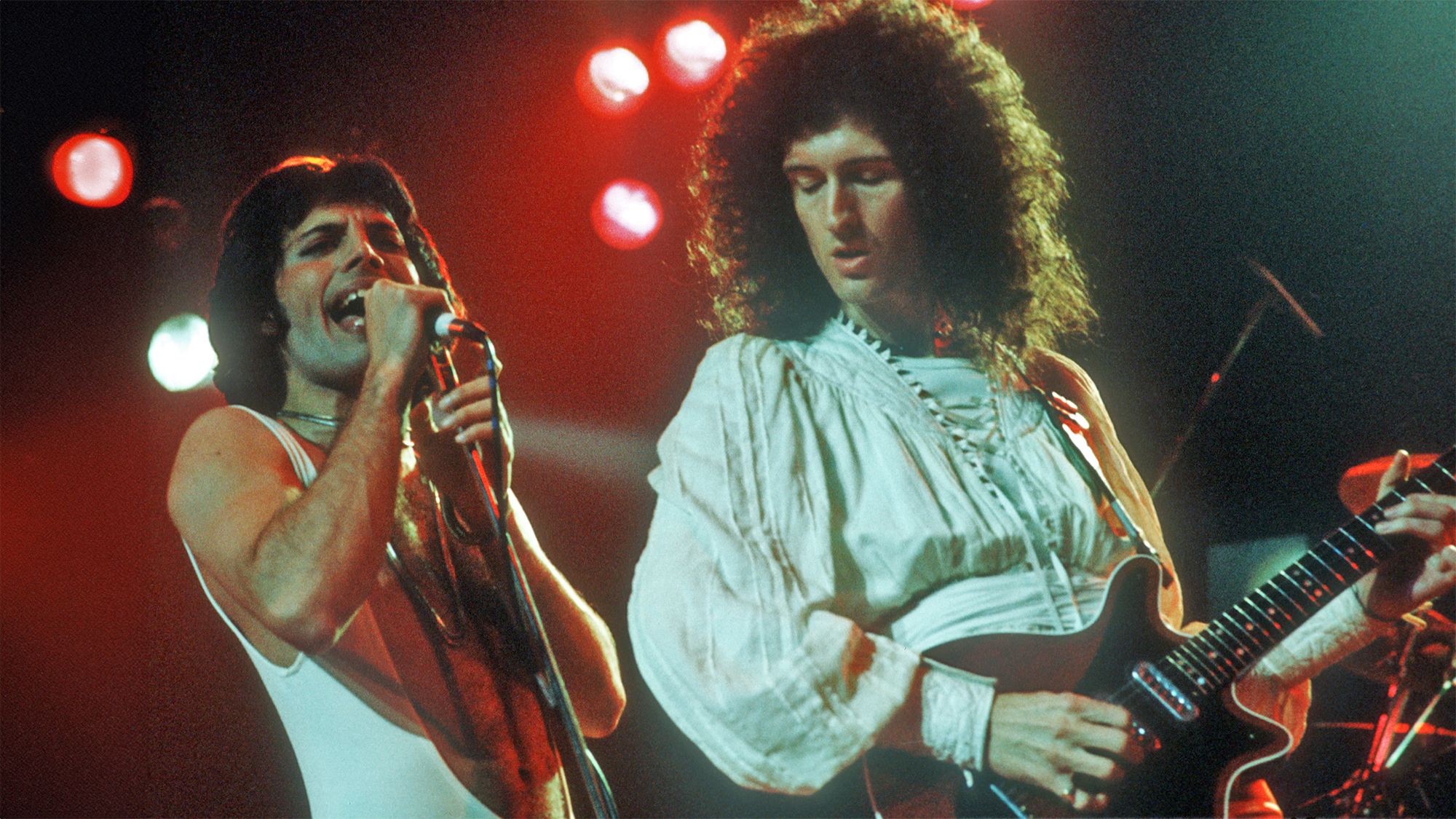
May emphasizes the intricate nature of the song, which demands his full attention each time he performs it. Clocking in at nearly six minutes,this musical masterpiece features multiple distinct segments,including May’s renowned guitar solo,blending elements of rock,opera,and balladry into a captivating composition.
Having witnessed Freddie mercury craft the song, May recalls the inspiration he felt as the piece evolved. “The instrumental ideas for ‘Rhapsody’ were forming as I listened to Freddie develop the song,” he reveals in an interview with Rolling Stone. “Freddie had such a unique way of thinking. It was always easier for me to contribute to his songs because of the creative energy he generated.”
Even after five decades, May still finds himself needing to concentrate when playing the song’s intricate guitar parts, including his celebrated solo. This solo, recorded using his signature red Special guitar paired with a Dallas Rangemaster treble booster and a custom Deacy amp, is frequently hailed as one of the greatest guitar solos in rock history. May’s intention was to express a verse through his guitar, creating a moment that resonates with listeners.
“‘Bohemian Rhapsody’ is never straightforward to play, even after all these years,” he admits.”I have to stay alert, or I risk losing my place.”
The Harmonious Influence of The Beatles
A notable part of the song’s complexity lies in its layered vocal harmonies. May acknowledges that Queen drew inspiration from The Beatles,particularly their innovative three-part harmonies that have influenced countless artists over the years.
Specifically, May cites the Beatles’ track “Because” from their 1969 album Abbey Road as a key influence on the vocal arrangements in ‘Bohemian Rhapsody.’ “We were mesmerized,” he recalls. “I still get chills thinking about it. We thought,’This is the most audacious piece of harmony we’ve ever encountered.’”
“This is the most audacious piece of harmony we’ve ever encountered.”
– Brian May
The Beatles achieved their rich vocal sound by layering harmonies in the studio, creating a fuller effect than their three voices could produce alone. inspired by this technique, Queen often overdubbed their vocals to achieve a similar choral effect.
However, it wasn’t just “Because” that inspired Queen; even earlier works like the enchanting “This Boy” from 1964 contributed to their vocal approach. “It was everything the Beatles did,” May reflects. “We were able to build upon the foundation they laid.”
Future Performances and Reflections
fans shouldn’t expect to see may performing ‘Bohemian Rhapsody’ in the U.S. anytime soon. He had considered a Queen + Adam Lambert residency at the Sphere in Las Vegas after attending an Eagles concert there last year.
Though, recent political climate and safety concerns have made him reconsider. “America feels like a risky place right now, and that’s something to think about,” May shared with the Daily Mail. “It’s disheartening as Queen has deep roots in America, and we cherish it, but it’s not the same as it once was.Many are hesitating to visit.”
Brian May Reveals How The Beatles Shaped the Epic Sound of ‘bohemian Rhapsody’
The Musical Legacy of The Beatles
Brian May,the iconic guitarist of Queen,has often spoken about the profound influence The Beatles had on his music,particularly on the legendary track ‘Bohemian Rhapsody.’ This song,which has captivated audiences for decades,showcases a unique blend of rock,opera,and balladry,a feat that May attributes in part to the innovative techniques pioneered by The Beatles.
Vocal Harmonies: A Key Influence
One of the most notable aspects of ‘Bohemian rhapsody’ is its intricate vocal harmonies. May has noted that the three-part harmonies used by The Beatles,especially in songs like “Because” from the Abbey Road album,served as a major inspiration for Queen’s vocal arrangements.
- Layered Harmonies: The Beatles often stacked their vocals in the studio, creating a rich sound that was greater than the sum of its parts.
- Overdubbing Techniques: Queen adopted similar techniques, overdubbing their voices multiple times to achieve a choral effect that became a hallmark of their sound.
Brian May’s Personal Experience
May recalls the first time he heard The beatles’ “As,” describing it as a moment of pure musical revelation. “We were transfixed,” he said, reflecting on how the song’s daring harmonies inspired him and Freddie Mercury to push the boundaries of their own music.
“We thoght, ‘Oh, my God, that has to be the most daring piece of pure harmony we’ve ever heard.’” – Brian May
Musical Techniques Borrowed from The Beatles
In addition to vocal harmonies, several other musical techniques used by The Beatles influenced the creation of ‘Bohemian Rhapsody.’ Here are some key elements:
| Technique |
Beatles Exmaple |
Queen Request |
| Vocal Layering |
“As” |
“Bohemian Rhapsody” |
| Dynamic Shifts |
“A Day in the Life” |
“Bohemian rhapsody” (opera section) |
| Genre Blending |
“Eleanor Rigby” |
“Bohemian Rhapsody” (rock and opera) |
Benefits of Studying The Beatles’ Influence
Understanding how The Beatles shaped the sound of ‘Bohemian Rhapsody’ offers several benefits for musicians and music enthusiasts alike:
- Enhanced Creativity: Learning from The Beatles’ innovative techniques can inspire musicians to experiment with their own sound.
- Improved Vocal Skills: Studying their harmonies can help singers develop better vocal blending and arrangement skills.
- Broader Musical Knowledge: Recognizing the connections between different artists enriches one’s appreciation for music history.
Case studies: other Artists Influenced by The Beatles
The Beatles’ influence extends far beyond Queen. Numerous artists have cited them as a major inspiration in their work:
- David Bowie: His experimental approach to music and theatrical performances was heavily influenced by The Beatles.
- Oasis: The Britpop band often referenced The Beatles in their songwriting and harmonies.
- Radiohead: Their willingness to blend genres and push musical boundaries echoes The Beatles’ innovative spirit.
Practical Tips for Aspiring Musicians
If you’re inspired by the musical legacy of The Beatles and want to incorporate similar techniques into your own work, consider the following tips:
- Experiment with Harmonies: Try layering your vocals or collaborating with other singers to create rich harmonies.
- Blend Genres: Don’t be afraid to mix different musical styles in your compositions.
- Study Classic Tracks: Analyze songs by the Beatles and other influential artists to understand their techniques.
First-Hand Experience: Brian May’s Reflections
Brian May continues to perform ‘Bohemian Rhapsody’ and reflects on its complexity. He admits that even after all these years, the song remains a challenge. “I still have to keep my wits about me or I’ll fall off the train,” he shares, emphasizing the song’s enduring intricacy.
Join the Beatbounty Community
For those passionate about music and looking to connect with like-minded individuals, consider creating an account at the Beatbounty platform. Share your experiences, submit ads, and engage with a community that celebrates musical creativity.