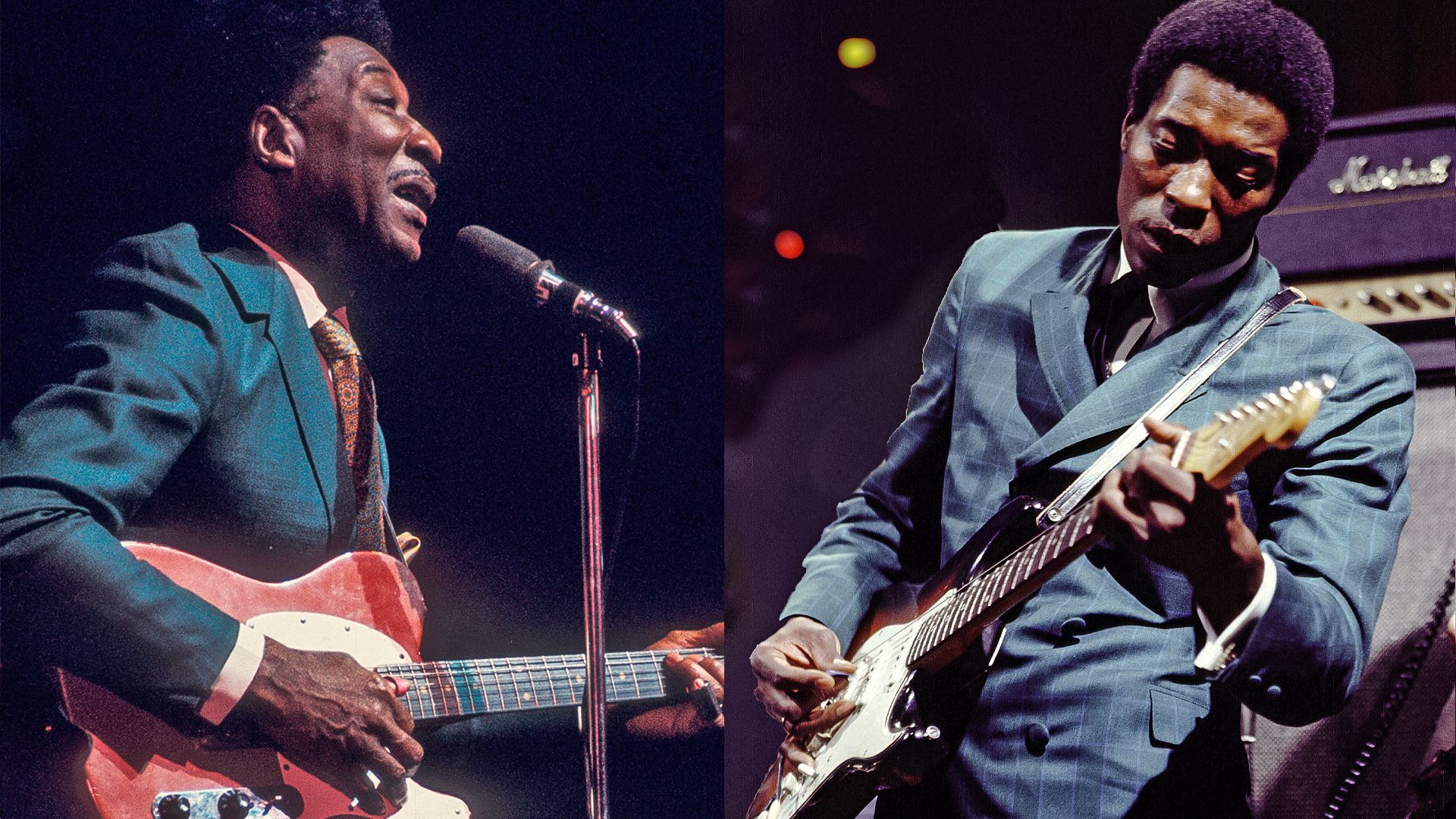
The Legacy of Buddy Guy: A Journey from Humble Beginnings to Blues Royalty
In the realm of blues music, few figures are as iconic as Buddy Guy, the last of the legendary pioneers still performing today. As a key player in the Chicago electric blues scene, Guy has shared stages and stories with titans like Muddy Waters, Howlin’ Wolf, Junior Wells, and B.B.king, creating a rich tapestry of musical history.
A Mentor’s Influence: The Story of Muddy Waters
Buddy Guy’s connection to the roots of Chicago blues is profound, and his experiences with Muddy Waters are notably noteworthy. When Guy arrived in Chicago, he was a young musician eager to make his mark, and it was Waters who recognized his potential and took him under his wing.
Reflecting on his arrival in 1957, Guy shared with Guitar Player how his upbringing in Baton Rouge, Louisiana, shaped his musical style. His early influences included Guitar Slim, a flamboyant performer from New Orleans whose electrifying shows left a lasting impression on the young guitarist.
Inspiration from Guitar Slim
Guy vividly recalls witnessing Guitar Slim’s captivating performances as a teenager. Slim’s unique style, which included playing with an incredibly long guitar cord while being carried through the audience, inspired Guy to pursue his own musical dreams. “I was about 14 years old then – goosebumps just jumpin’ all over me! I thoght,’I got to learn how to play a guitar so I can ride somebody’s neck someday with this long cord,’” he reminisced,laughing at the memory.
Chasing Dreams in Chicago
at just 21, Guy moved to Chicago, lured by the promise of better opportunities. “I had heard so much about Chicago - how I could double the salary I was making. Not as a guitar player, just as a worker,” he explained. Though, the reality of the city was daunting. “If you didn’t know anybody, it was like trying to talk to a herd of cattle,” he said, recalling his struggles to connect.
After running low on funds, Guy found himself at a crossroads.With his guitar in one hand and a suit in the other, he encountered a stranger who would change his fate. “can you play?” the man asked. Guy, desperate for help, replied, “Yeah. If you loan me a dime to call my mother, I’ll play for you.” The stranger refused to lend him money but offered him a drink instead, which Guy reluctantly accepted after days without food.
A Breakthrough at the 708 Club
after playing a few songs, the stranger recognized Guy’s talent and took him to the 708 Club, a hotspot for blues music in Chicago. “Muddy Waters played there, Junior Wells, Howlin’ Wolf, Little Walter,” Guy recalled, noting that on that night, otis Rush was performing. After his set, the club owner was impressed and offered Guy a job, a meaningful step up from his previous earnings in Louisiana.
“So I told a big lie. He said, ‘If you got a band, you start work Tuesday.’ I said, ‘I got a band.’ I didn’t even know anybody.”
– Buddy Guy
Faced with the challenge of finding musicians, guy decided to be honest about his situation. He returned to the club and admitted, “I lied about the band, but I come to play.” Fortunately, he soon found a drummer and a pianist to join him.
A Generous Mentor
Shortly after starting at the 708 Club, Muddy Waters approached Guy, saying, “I heard about you.I come to feed you.” Despite Guy’s initial reluctance, Waters insisted he eat, humorously telling him to call him “daddy.” This moment marked the beginning of a supportive relationship that would greatly influence Guy’s career.
Establishing Himself in the Chicago Scene
With Waters’ encouragement, Guy began to immerse himself in the vibrant Chicago blues scene.He participated in guitar battles, showcasing his skills and determination. “I said,’I got a lot to learn. But right now I got a lot to do,’” he recalled, emphasizing his drive to succeed.
As word of his talent spread,fellow musicians began to take notice. “the next day the news media was there,wanting to know who I was,” Guy said,reflecting on how quickly he gained recognition. His performances attracted the attention of established artists, including Junior Wells and Magic Sam, leading to friendly competitions that further honed his craft.
Ultimately, Buddy Guy’s journey from a young musician in Baton Rouge to a celebrated blues icon is a testament to his talent, resilience, and the powerful connections he forged along the way. His story continues to inspire new generations of musicians, ensuring that the legacy of Chicago blues lives on.