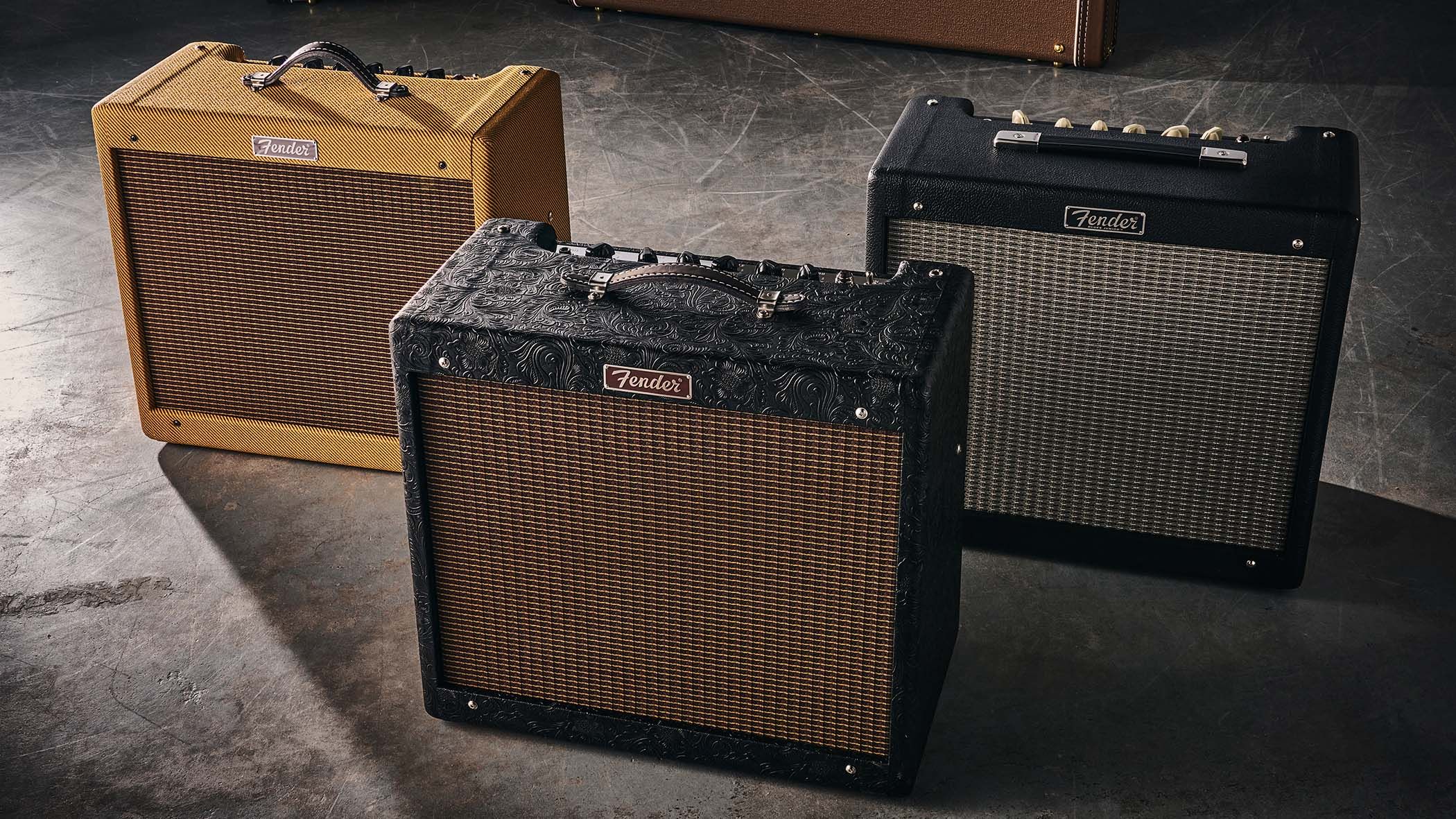
Three Decades of the Fender Blues Junior: A Legacy of Tone and Portability
When Fender introduced the blues Junior in 1995, it was hard to predict that this compact amplifier would become a staple in the music world. Designed as part of the renowned ‘Tweed Series’ alongside models like the Blues Deluxe and Pro Junior, the 15-watt Blues Junior aimed to provide musicians with an accessible way to enjoy authentic Fender tube sound.
Equipped with an EL84-powered circuit and user-friendly controls, the Blues Junior quickly gained popularity among gigging guitarists seeking a portable yet versatile amplifier suitable for blues, rock, country, and more.
Fast forward to today, and the Blues Junior has celebrated 30 years of continuous production, solidifying its status as one of Fender’s most beloved amplifiers. No longer just the ‘affordable little sibling’ of the Fender lineup, it has become a top-selling tube amp, gracing countless stages, studios, and homes, and leaving an indelible mark on the company’s legacy.
For many musicians, the Blues Junior represents their first foray into tube amplification, while for others, it has been a reliable companion through years of performances.
Introducing the 30th Anniversary Edition
To commemorate this milestone,Fender has launched the Blues Junior IV 30th Anniversary model,featuring a striking Western-tooled vinyl covering,’59 Bassman grille cloth,a leather handle,and a Celestion Creamback speaker.This special edition doesn’t aim to reinvent the wheel; rather, it honors the qualities that have made the Blues Junior a favorite: portability, affordability, versatility, and that signature Fender sound.
A Conversation with Fender’s Senior Product Manager
To delve deeper into the history and future of this iconic amplifier, we spoke with Rick Heins, Fender’s senior product manager, about the evolution of the Blues Junior over the past three decades.
Rick, can you take us back to the inception of the Blues Junior? What was the vision behind its design in the mid-90s?
While I wasn’t part of the original design team, I’ve been with Fender for over two decades, and I can tell you that Mike Lewis, a brilliant player and mentor, was instrumental in its creation. He recognized that Fender’s legacy was rooted in tube amplifiers like the classic Deluxes and Princetons, and he wanted to capture that essence while making it more accessible and versatile for modern players.
As part of the Tweed Series, the goal was to reintroduce tube technology into Fender amps, making them both affordable and adaptable. The Blues Junior featured a Fat switch, allowing players to engage a boost for earlier breakup or use it as a lead boost.
Affordability and Accessibility
Was affordability a core aspect of the Blues Junior’s concept?
Absolutely. Mike aimed to make tube amps accessible for working musicians. At launch, the retail price was around $399, not to make them cheap, but to ensure that gigging players could afford them. We strive to maintain that affordability today, as the Blues Junior often serves as a musician’s first step into the world of tube amplification.
The Choice of EL84 Tubes
Why were EL84 tubes chosen for the Blues Junior, given that Fender is typically associated with 6L6 and 6V6 tubes?
That’s an interesting point. Mike had a fondness for the sound of EL84s, which offer a sparkling tone, touch sensitivity, and dynamic response that rewards players who adjust their volume and pick attack. the 15-watt output is also ideal-loud enough for club gigs while remaining manageable for recording sessions.
Additionally,sourcing 6V6 or 6L6 tubes can sometimes be challenging due to shortages,which may have influenced the decision. However, even with EL84s, the blues Junior retains its Fender DNA, delivering that classic clean-to-crunch character.
Evolution of the Blues Junior
What key updates have been made to the Blues Junior since its launch?
the Blues Junior has undergone several refinements over the years, much like a classic Stratocaster. We’ve made small yet meaningful adjustments, such as adding adjustable bias to prevent overheating and enhancing the reverb for a richer sound. We’ve also tweaked the EQ to achieve a better tonal balance and made cosmetic updates, including different handles and trim options.
As the overseer of the latest version IV, I can attest that it features improved reverb, operates cooler, and has slight EQ adjustments. These changes might potentially be subtle, but they enhance the overall playing experience.
Player Feedback and Special Runs
How much of the amp’s evolution has been influenced by player feedback?
A significant amount. Player input has been invaluable; as a notable example, we learned that early models ran hot, prompting us to add adjustable bias. Musicians expressed a desire for more lush reverb, leading us to refine the circuit accordingly. Even minor cosmetic changes stem from player suggestions, as the Blues Junior is designed to be a practical tool for musicians, not just a display piece.
Fender has released numerous special runs over the years. Are there any that stand out to you?
As someone who has managed Factory Special Runs for the past 15 years, I can say we’ve created a variety of unique colors, speakers, and coverings. One standout was the Whiskey Barrel Junior, crafted from actual whiskey barrels, complete with barrel bands and a beautifully aged finish. It’s a regret of mine not to have kept one, as they’ve become quite collectible.
The Modding Scene
What’s your perspective on the modding culture surrounding the Blues Junior?
Peopel frequently enough seek to modify their amps in pursuit of a specific tone. While I’ve played modded Blues Juniors and found them interesting, I personally haven’t felt the need to modify mine. I can achieve the sounds I want through adjustments and pedals. Though, the vibrant modding community reflects the passion musicians have for this amp.
Commemorating 30 Years
Why is now the right time to release a commemorative edition?
thirty years is a significant milestone for any amplifier, and the Blues Junior is likely the best-selling Fender tube amp ever, surpassing even vintage models.It’s a fitting tribute to its widespread presence in the music scene.
For this anniversary edition, we focused on aesthetic enhancements rather than altering the circuit. The Western-tooled black vinyl, ’59 Bassman grille cloth, leather handle, commemorative badge, and Celestion Creamback speaker elevate the amp’s character. This speaker enhances articulation and headroom, making it a joy to play with both guitar and pedal steel. we’re producing these until the end of the year, and they come with a certificate of authenticity, ensuring their future collectibility.
The Blues Junior’s Place in Fender’s Legacy
Where does the Blues Junior fit into Fender’s amplifier history?
I believe it stands shoulder to shoulder with any of Fender’s classic amps. Its longevity surpasses that of many vintage production runs, and it’s a common sight in clubs, studios, and backlines everywhere.
For pedal enthusiasts, it serves as an excellent platform. For those who prefer to plug straight in, it responds beautifully to touch.
It’s also a fantastic amp for pedal users, offering flexibility to run clean or dirty, allowing pedals to dictate gain or cranking the amp itself. It embodies the classic ‘American’ tone with its cleans and reverb,making it a versatile choice for any guitarist.
What do you think has contributed to the Blues Junior’s enduring popularity?
The Blues Junior strikes a remarkable balance: it’s affordable yet not cheap,portable without being underpowered,and simple without being limiting. It’s a grab-and-go amp that delivers authentic Fender sound. Whether you’re a pedal player or prefer a direct connection, it performs exceptionally well. Its straightforward design allows it to excel at its job, which is why it remains a favorite among musicians.