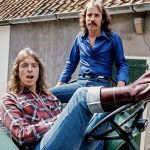
Bruce Watson Reflects on Stuart Adamson’s Enduring Influence and the Unique Bagpipe Guitar
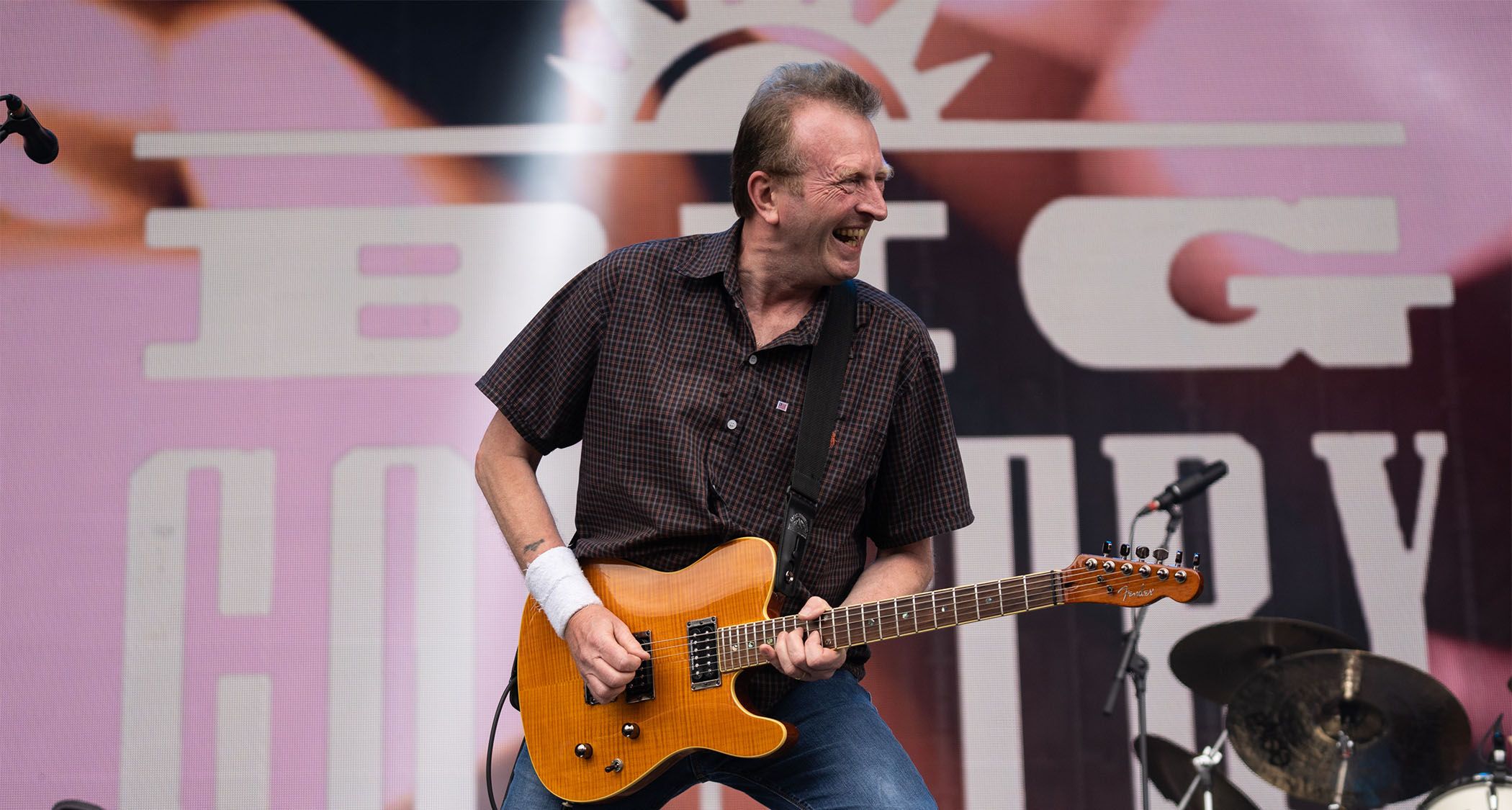
In the heart of Dunfermline, Bruce Watson finds himself in the former Kenny’s Music, a once-thriving chain of music stores across Scotland that shuttered its doors last October. Today, the space buzzes with life once more, filled to the brim with guitars-far more than one shop could typically hold.As Watson, a founding member of Big Country, prepares for a photoshoot with Guitarist, his own collection of instruments adds to the delightful chaos.
“I’ve been visiting this place almost every month since, wow, 1973,” Bruce reminisces, “except for when I’ve been touring.”
Downstairs, he has a studio that he considers an integral part of his life. “We thought we might lose it,” he admits. The renewed activity in the shop is thanks to new owners who acquired the stock after Kenny’s closure and are set to reopen as Mo’s Music. “That’s why there’s enough gear here for four shops,” Bruce explains.”The internet is decimating guitar shops everywhere.”
This building has a rich history, once serving as studios, rehearsal spaces, and even a venue where legends like Joe Cocker performed. It was also where Stuart Adamson’s first band, the Skids, honed their craft in a corner now filled with an array of Fenders, Squiers, and Jacksons.
Before joining Big country, Bruce’s band Eurosect recorded demos in this very space, including a track titled Forbidden whispers. This song caught Stuart Adamson’s attention, leading to their collaboration on Angle Park, their first co-written piece.
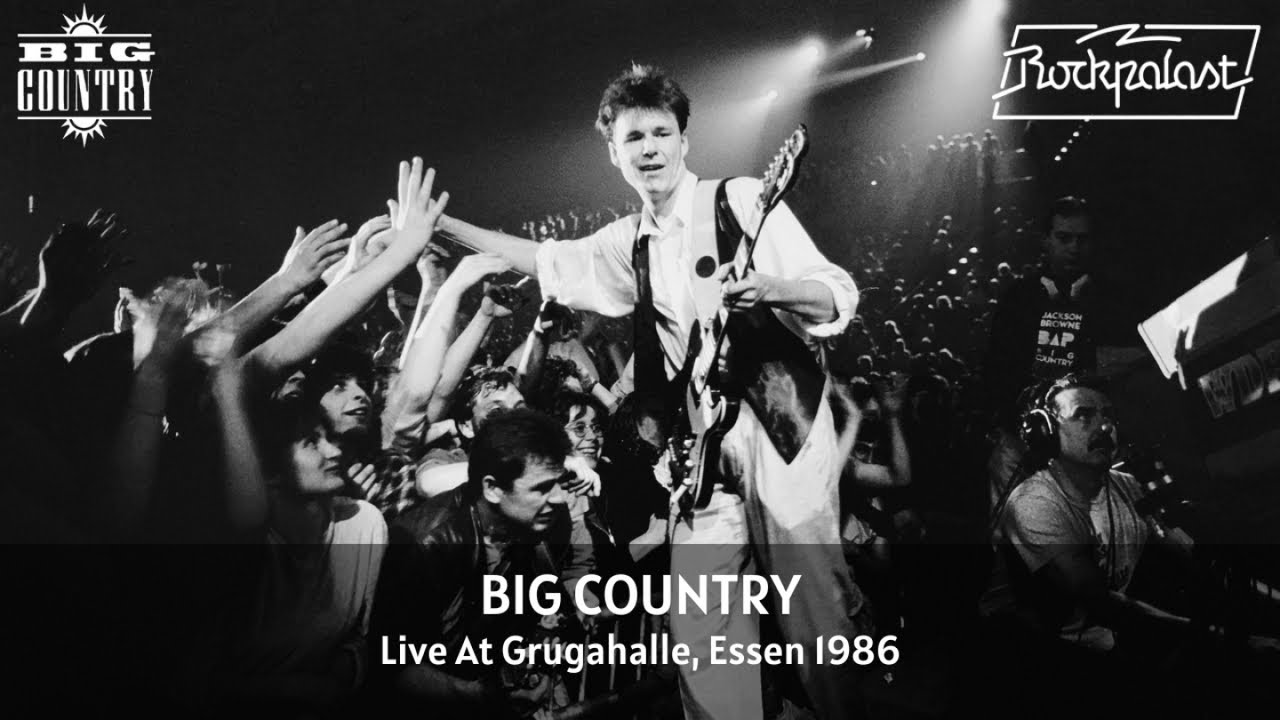
this year marks the 25th anniversary of Stuart Adamson’s tragic passing, a loss that stemmed from his struggles with alcoholism and personal demons.
For the first time, Bruce, along with his former bandmates-bassist Tony Butler and drummer Mark Brzezicki-alongside Adamson’s family and former Skids members, have come together to share insights into the life of a man whom John Peel once hailed as “Scotland’s answer to Jimi Hendrix.” This collaboration has birthed an authorized biography titled Stay Alive,a new website dedicated to Stuart adamson,and an upcoming documentary.
Since 2007, Bruce Watson has been honoring the music he created with Adamson through a revitalized Big country, which initially featured all surviving members, including Mike peters from The Alarm and Bruce’s son Jamie on guitar. Following the departure of Tony Butler in 2012 and Mike Peters shortly thereafter, the band has continued with a rotating lineup, with Bruce and Brzezicki remaining at its core.
After Brzezicki’s exit last year,Bruce decided it was time for a conversion. The band, now led by Tommie Paxton from the Big Country tribute band Restless Natives, has been rebranded as Big Country Redux. “Stuart’s words, music, and spirit were the essence of Big Country,” Bruce reflects. “Without him, it can never truly be what it once was.”
Nevertheless, the mission remains steadfast: to honor the music and memory of Stuart Adamson.
Bruce’s Musical Journey
At just 12 years old, Bruce Watson was captivated by the rock ‘n’ roll film That’ll Be The Day, starring David Essex.The film’s closing scene, featuring Essex’s character mesmerized by a red guitar in a shop window, ignited a similar passion in Bruce. “The movie ends on that note, and I thought, ’I want one of those!’” he recalls.
Another significant influence was Manny Charlton, the guitarist for Scottish rock band nazareth, who lived nearby. Bruce would watch him arrive in a white BMW, dressed in platform shoes and a fur coat, and think, “I want that lifestyle!”
With a part-time job, Bruce purchased his first guitar and amp from Woolworths: a Top 20 guitar paired with an Edition 30 amplifier. He was inspired by bands like Be Bop Deluxe, the Sensational Alex Harvey Band, and Led Zeppelin, but felt their music was beyond his reach-until punk rock emerged.
“Punk was accessible,” he explains. “While I struggled with the rhythm and blues of Dr. feelgood or Eddie and the Hot Rods, The clash made me think, ‘I can play that!’ I knew I could never match the skills of Bill Nelson or Zal Cleminson, but punk was within my grasp.”
At 16, Bruce landed a job at the dockyard, allowing him to buy a Yamaha SG-85 from a friend. His first new guitar, a striking red Yamaha SG-500, was a moment of triumph, reminiscent of that red guitar in the film.
“It was a real guitar,” he emphasizes. “In those days, you couldn’t find Strats or Gibsons anywhere. Up here, apart from maybe McCormack’s in Glasgow, Les Pauls were a rarity. You could find Carlsbro Stingray amps,but Marshalls were nowhere to be seen; it was all about Yamahas and HH amps.”
“I think it was similar in Manchester,” he adds. “I spoke with Billy Duffy from The Cult, and they had the same experience with Itch and Itch amps. The Buzzcocks were using them too, along with the Gibson Marauder, which Stuart played with the Skids on their debut album.”
Bruce formed a band with his friend Raymond Davidson, whose sister was Stuart adamson’s girlfriend and later wife. This connection allowed Bruce to witness Adamson’s rise to fame with the Skids firsthand.
Exploring the Unique Sound of Big Country: Bruce Watson on Stuart Adamson’s Legacy
Bruce Watson recalls an early rehearsal with Stuart Adamson, where he first encountered the raw energy of live music. “Stuart had a Gibson Marauder and an Itch and Itch amplifier, which was propped up on its side with what appeared to be a homemade speaker cabinet. It wasn’t even plugged in-just there for show. It was my first experience of a live band, and they were incredibly loud,” Bruce reminisces.
When Stuart discovered Bruce was a guitarist, he offered him his instrument. “But I couldn’t handle it.It was so loud and uncontrollable, just producing feedback. He had the distortion cranked up, and the amp had that heavy metal sound. I was trying to manage it, and it was just ‘WHEEEEEEE!’ I thought, ’How do I make it STOP?!’”
The Skids’ fourth single, In To The Valley, propelled the band into the top 10, leading to a whirlwind of tours and recording sessions.In 1979 alone, they released two full-length albums. Though, by the time they produced their third and most acclaimed album, The Absolute Game, Adamson was contemplating his departure.
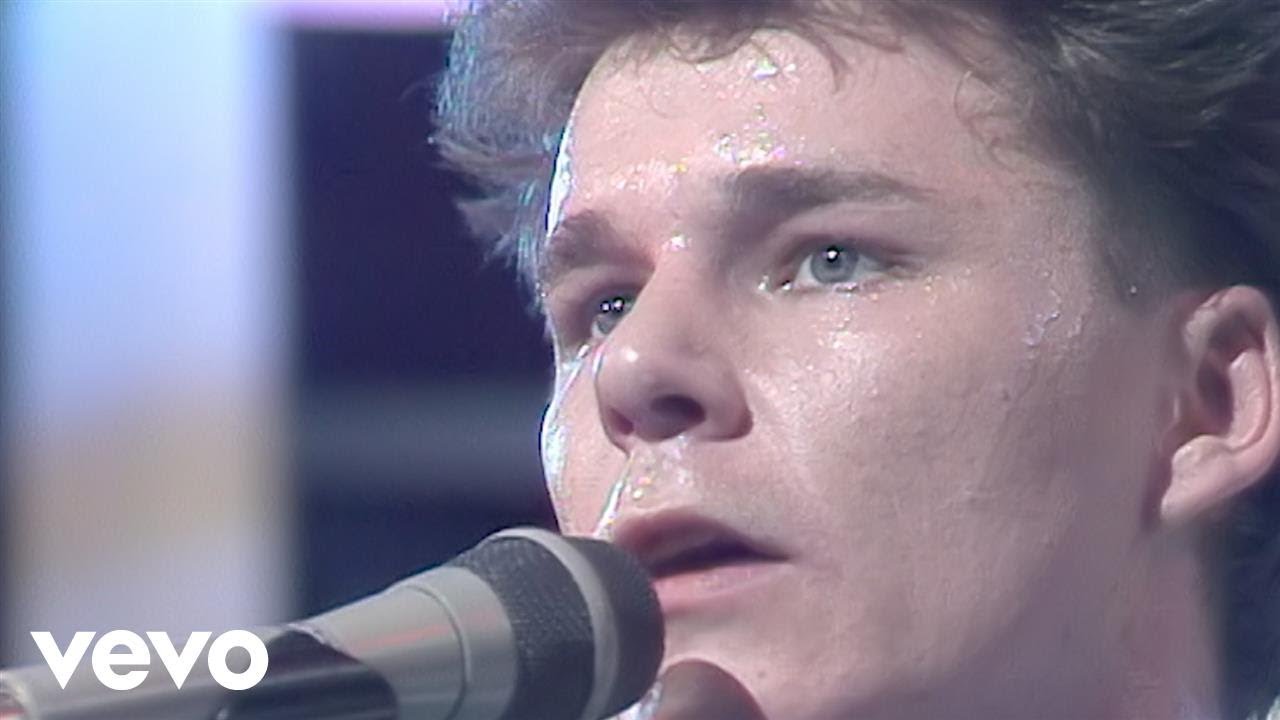
Bruce had previously shared a demo of Forbidden Whispers with Stuart, who expressed interest in collaborating. “It would be fantastic to create something together in the future,” he said. ”I’m keen on a two-guitar setup.”
Initially flattered,Bruce didn’t take it too seriously until a year later when Adamson showed up at his doorstep,having left the Skids and eager to form a new band. “There was no grand plan, other than our desire to avoid the Thin Lizzy/Status Quo sound,” Bruce explains. “We didn’t want to delve into that bluesy style.”
Thin Lizzy’s dual guitar harmonies and Phil Lynott’s Celtic influences were evident, with songs like Whiskey In The Jar serving as a reference point. “That track could easily sit alongside Fields Of Fire,” bruce notes, emphasizing the melodic aspects and reverb on the guitars. “While Eric Bell’s playing had some string bending,we chose a different path.”
They established a rule: “Instead of bending notes, we decided to slide up to them and play them cleanly. Bending automatically leads you into blues territory.”
Bruce points out that many punk guitarists-like Mick Jones, Johnny Thunders, and Steve Jones-were rooted in customary styles, often featuring guitar solos and string bending reminiscent of Keith Richards. “We wanted to break away from that,” he asserts. “We were against solos.They’re often free-form, played differently each time, but we aimed for consistency, ensuring our live performances mirrored our studio recordings.”
“Sound-wise, we didn’t differentiate between clean and dirty tones. Our sounds were quite similar as we used comparable amplifiers. I had a Carlsbro, while Stuart utilized a pitch transposer that created various harmonies,” he adds.

Adamson’s signature ‘bagpipe guitar sound’ was not only a product of his equipment but also of his playing style. He had previously employed drone strings during his time with the Skids, leaving one lower string open and unfretted, allowing it to resonate consistently while playing melodies over it.
Bruce highlights that this technique was famously used by Jimmy Page in Led Zeppelin and is also a characteristic of bagpipe music, where at least one pipe remains unplayed, producing a constant note while melodies are layered on top.
Another crucial element in their sound was the EBow.Influenced by Bill Nelson of Be Bop Deluxe, who had produced for the Skids, Stuart received an EBow during a recording session. This handheld device functions like an electronic bow, creating a magnetic field that causes the guitar strings to vibrate without any picking, resulting in a sound akin to being bowed.
Big Country’s Enduring Legacy

The Distinctive Sound of Big Country: Bruce Watson Reflects on Stuart Adamson’s Influence

The unique sound of Big Country emerged from a blend of various musical influences. It was rock, but distinct from the styles of led zeppelin, AC/DC, or The Rolling Stones. Rather, it embraced modern guitar tones and effects reminiscent of bands like U2 and New Order, while also incorporating harmonized guitar parts that paid homage to Thin Lizzy and Wishbone Ash. each track was filled with intricate licks, counter melodies, and innovative rhythmic patterns.
Their debut album,The Crossing,achieved platinum status upon its release in 1983,thrusting the band into a whirlwind of fame and a demanding schedule that Adamson found overwhelming. Throughout the latter part of the 20th century, he grappled with balancing his aspirations of a normal family life against the relentless pressures of the music industry.
Even 25 years after his passing, the music that Stuart Adamson crafted with Bruce Watson continues to ignite passion among fans. In 2024, readers of The Scotsman voted The Crossing as the greatest Scottish album of all time. Bruce’s band continues to perform to sold-out crowds across the UK,with audiences enthusiastically singing along to every lyric. The distinctive sound they created-characterized by those Yamahas and Itch and Itch amplifiers-still resonates powerfully today.
Echoes of a Legend: Bruce Watson on Stuart Adamson’s Timeless Legacy and the magic of Bagpipe Guitar
The Unique Sound of Big Country
Big Country, the iconic Scottish rock band, is renowned for its distinctive sound that blends rock wiht conventional scottish influences. At the heart of this sound is the innovative use of the bagpipe guitar, a technique that has captivated audiences worldwide. Bruce Watson, a founding member of Big Country, shares his insights into the legacy of Stuart Adamson and the magic behind their music.
What is Bagpipe Guitar?
The term bagpipe guitar refers to a unique playing style that incorporates drone notes and harmonics,reminiscent of traditional Scottish bagpipes. This technique involves:
- Using open strings to create a continuous drone.
- Employing harmonizers and pitch transposers to enhance the sound.
- Layering melodies over the drone to create rich, textured music.
Stuart Adamson’s Influence
Stuart adamson, the band’s frontman and primary songwriter, was instrumental in developing this sound. His background in punk rock and traditional scottish music allowed him to fuse these genres seamlessly. Adamson’s use of the MXR M-129 Analogue Pitch Transposer was pivotal in achieving the bagpipe sound that became synonymous with Big Country.
Bruce Watson’s Perspective
Bruce Watson reflects on his experiences with Adamson and the creative process behind their music. He emphasizes the importance of collaboration and experimentation in their songwriting:
“Stuart had a vision for our sound that was unlike anything else. We wanted to create music that resonated with people on a deeper level, and the bagpipe guitar was a key part of that.” – Bruce Watson
Key Elements of Their Sound
Several factors contributed to the unique sound of Big Country:
| Element | Description |
|---|---|
| Guitar Tones | modern tones influenced by bands like U2 and New Order. |
| Harmonized Parts | Inspired by Thin Lizzy and Wishbone Ash, featuring intricate melodies. |
| Rhythmic Innovation | Creative use of rhythm that sets their music apart. |
Benefits of the Bagpipe Guitar Technique
The bagpipe guitar technique offers several advantages for musicians looking to expand their sound:
- Rich Texture: The drone creates a fuller sound,enriching the overall musical experience.
- Unique Melodies: Layering melodies over the drone allows for creative expression and innovation.
- Versatility: This technique can be adapted across various genres, from rock to folk.
Practical Tips for Aspiring Musicians
If you’re interested in incorporating the bagpipe guitar technique into your playing, consider the following tips:
- Experiment with Open Strings: Use open strings to create a drone effect while playing melodies.
- Utilize Effects Pedals: Invest in harmonizers and pitch transposers to enhance your sound.
- Study Traditional Music: Familiarize yourself with Scottish music to understand the roots of the bagpipe sound.
Case Studies: The impact of Big Country’s Music
Big Country’s music has left a lasting impact on both fans and musicians alike. Here are a few notable examples:
- Influence on Modern Bands: Many contemporary artists cite Big Country as a significant influence in their work, especially in the use of layered guitar sounds.
- Legacy of The Crossing: Their debut album, released in 1983, continues to be celebrated, recently voted the greatest Scottish album of all time by readers of The Scotsman.
- Live Performances: Big Country’s concerts remain popular, with sold-out shows across the UK, showcasing the enduring appeal of their music.
First-Hand Experience: bruce Watson on Touring with Big Country
Bruce Watson shares his experiences touring with Big Country, highlighting the excitement and challenges of performing live:
“every show was an opportunity to connect with our fans. The energy in the crowd was electric, and it fueled our performances.We always aimed to deliver the same sound live that we achieved in the studio.” - Bruce Watson
Join the Beatbounty Community
If you’re passionate about music and want to connect with like-minded individuals, consider creating an account on the Beatbounty platform. Here, you can submit ads, collaborate with other musicians, and explore new opportunities in the music industry.
Become a valued member of Beatbounty platform.
Start selling and connect with fellow musicians – LOGIN or REGISTER!