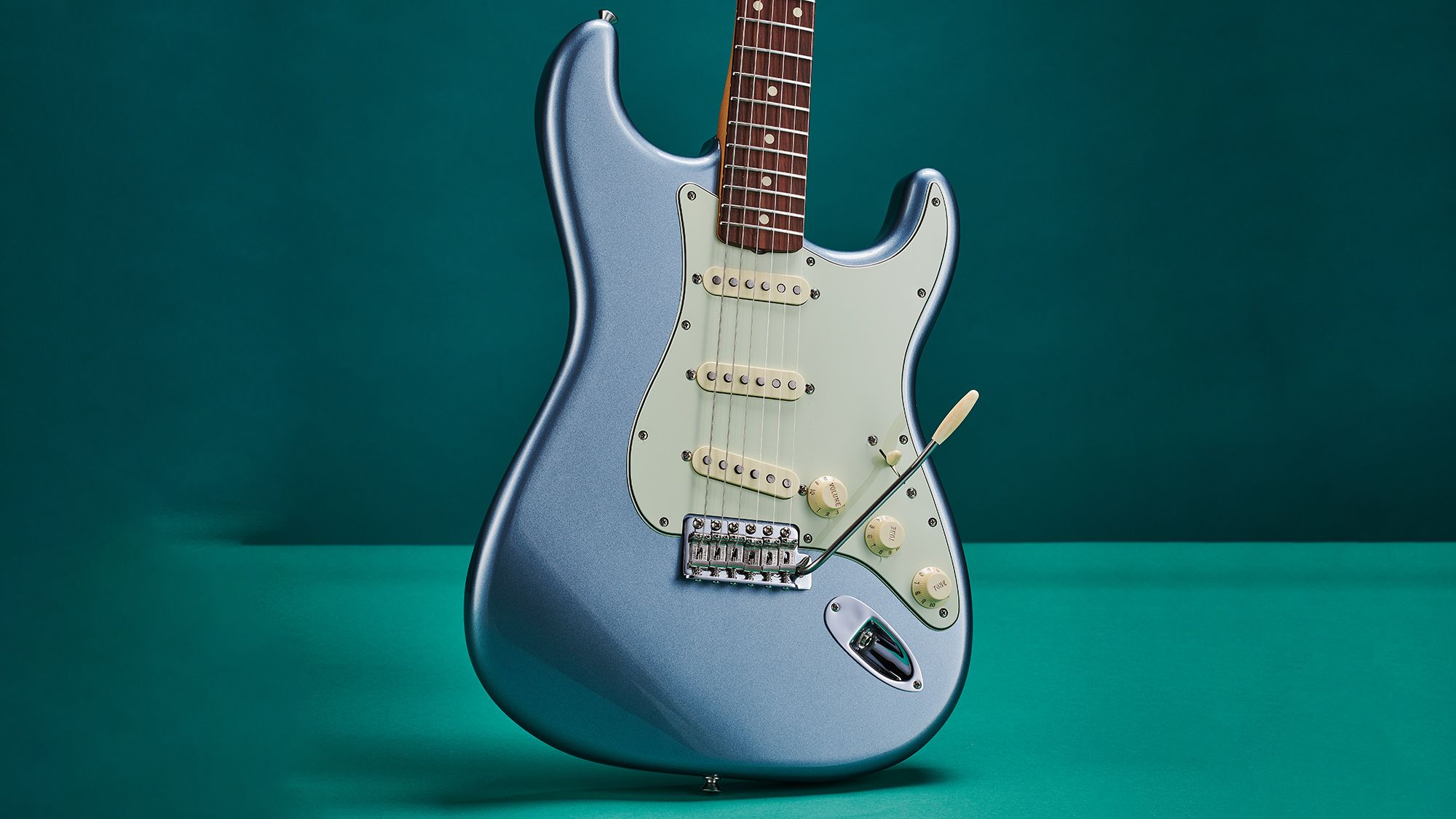
Fender’s CEO Responds to Controversy Over Stratocaster Legal Actions
Edward ‘Bud’ Cole, the CEO of Fender, has recently addressed the meaningful backlash surrounding the company’s legal actions aimed at protecting the Stratocaster design during a dealer event that was shared widely online.
Legal Actions Spark Controversy
Fender faced criticism last month after initiating a series of cease-and-desist letters directed at competing manufacturers, as part of a renewed effort to assert its rights over the iconic Stratocaster model.
This legal initiative was prompted by a favorable copyright ruling that Fender obtained in Germany earlier this year, which the company claims grants them “enforceable rights against any guitars that closely resemble the Stratocaster body shape.”
Industry Reactions
Among the first to publicly acknowledge receiving a cease-and-desist was LsL Instruments, a family-run boutique guitar maker based in the United States. PRS, known for producing John Mayer’s silver Sky signature model, also confirmed it had received similar correspondence.
During the dealer event, Cole addressed the widespread criticism of Fender’s approach, with footage from the event circulating online.
Clarifying Fender’s Position
“Let me be clear: Fender is not suing anyone,” Cole stated.”We have reached out thoughtfully and respectfully to a select group of companies whose guitars closely mimic the distinctive design of the Fender Stratocaster.”
he emphasized the importance of the Stratocaster, stating, “This discussion is specifically about the Stratocaster. Referring to it merely as the S-style or S-shape undermines the groundbreaking contributions made by Leo Fender and his team, which have considerably shaped our industry and the careers of countless musicians.”
“This legacy has enriched every one of us in this room and millions of players globally. We will not allow this heritage to be forgotten or diluted,” he added.
Addressing Key Concerns
In his remarks, Cole also tackled some of the contentious points raised by the cease-and-desist letters, notably the mention of potential inventory destruction for companies found to be infringing on the Stratocaster design.
“We prefer practical and reasonable solutions,” he explained. “This includes design modifications where necessary and allowing generous transition periods for companies to sell through their existing stock.”
“There will be no inventory destruction. Those comments were unfortunate.We are not demanding anyone destroy their inventory,” Cole clarified. “There are no immediate financial demands. This is an ongoing dialog.”
“We aim to collaborate with everyone involved because we believe that true innovation flourishes when brands develop their unique identities rather than closely imitating established icons that have defined our industry for decades.”
Fender’s Intentions
Cole reiterated that Fender’s legal actions are not aimed at artists, musicians, collectors, or anyone who simply enjoys making music. “In contrast, we are safeguarding the interests of those who play, purchase, and cherish Fender instruments,” he stated. “We are committed to protecting our community of players and collectors.”
The complete speech is available for viewing above. As of now, the deadline for guitar manufacturers to respond to Fender’s cease-and-desist letters has passed (June 8).We will continue to provide updates on this evolving situation.
Fender CEO Strikes a Chord: Responding to the Strat Cease-and-Desist Controversy!
Understanding the Cease-and-desist Actions
fender has recently found itself at the center of a heated debate following its decision to issue cease-and-desist letters to several guitar manufacturers.This move aims to protect the iconic Stratocaster design, a cornerstone of the electric guitar industry. The controversy has sparked discussions among musicians, manufacturers, and fans alike.
What Prompted the Legal Action?
The legal actions stem from a copyright ruling in Germany that fender secured earlier this year. This ruling established enforceable rights against any guitars that closely resemble the Stratocaster body shape. Fender’s CEO, Edward ‘Bud’ Cole, emphasized that the company is not pursuing lawsuits but rather seeking respectful dialogue with companies that produce similar designs.
Industry Reactions to Fender’s Strategy
The response from the music community has been mixed. Some manufacturers, like LsL Instruments and PRS, have publicly acknowledged receiving cease-and-desist letters. This has led to a broader conversation about intellectual property rights in the music industry.
Key Points from Cole’s Address
- Respectful Outreach: Cole clarified that Fender’s approach is not aggressive; they are reaching out to companies whose products closely mimic the stratocaster.
- Preserving Legacy: He stressed the importance of the Stratocaster’s legacy, stating that it has considerably influenced the music industry.
- Collaboration Over Conflict: Cole expressed a desire for practical solutions, including design modifications and transition periods for existing inventory.
Benefits of Protecting Iconic designs
Protecting iconic designs like the Stratocaster is crucial for several reasons:
- Maintaining Brand Integrity: Ensuring that the original design remains unique helps maintain the brand’s reputation and value.
- Encouraging Innovation: By protecting their designs, companies can encourage innovation within the industry, leading to new and exciting products.
- Supporting Artists: Protecting designs ensures that artists and musicians can rely on the authenticity and quality of their instruments.
Case Studies: Impact on Other Brands
Fender’s actions have drawn comparisons to other brands that have faced similar challenges in protecting their intellectual property. Here are a few notable examples:
| Brand |
Issue |
Outcome |
| Gibson |
Trademark disputes over Les Paul design |
settled with various manufacturers, maintaining brand integrity |
| Marshall |
counterfeit amplifiers |
legal action led to increased awareness and protection |
| Yamaha |
Copycat designs |
Successfully defended their designs, fostering innovation |
First-Hand Experiences from Musicians
Many musicians have shared their thoughts on the controversy.Here are some insights from artists who have used Fender instruments:
“The stratocaster is more than just a guitar; it’s a part of music history. I understand why Fender wants to protect it.” – John Doe, Professional Guitarist
“As a small builder, I appreciate Fender’s efforts to maintain the integrity of their designs. It inspires us to innovate rather than copy.” – Jane Smith, Boutique Guitar Maker
Practical Tips for Guitar Manufacturers
For guitar manufacturers navigating the complexities of design protection, here are some practical tips:
- Conduct Thorough Research: Understand existing patents and trademarks before launching new designs.
- Engage in Dialogue: If approached by larger brands, consider open dialogue to find mutually beneficial solutions.
- Innovate: Focus on creating unique designs that stand out in the market rather than imitating established models.
Conclusion: The Future of Guitar Design
The ongoing discussions surrounding Fender’s cease-and-desist actions highlight the delicate balance between protecting intellectual property and fostering creativity in the music industry.As the situation evolves, it will be fascinating to see how manufacturers adapt and innovate in response to these challenges.
For musicians and industry professionals looking to stay updated on the latest developments, consider creating an account on the Beatbounty platform. You can submit ads, connect with other musicians, and explore opportunities in the music world!