From Roth to Hagar: The Electrifying Evolution of Van Halen's 5150 Era!
0 reactions
7 hours ago
Beatbounty
The Transformation of Van Halen: From Roth to Hagar and the Birth of 5150
At the dawn of 1985, Van Halen stood as the pinnacle of rock music, riding high on the success of their album 1984, which had surpassed five million sales in the U.S. alone. This record not only peaked at Number 2 on the Billboard 200-only eclipsed by Michael Jackson’s iconic Thriller-but also gifted the band their sole Number 1 single, Jump. Their accompanying tour was a monumental triumph, with all 101 shows selling out.
Eddie Van Halen’s Ambitions
With aspirations to elevate the band’s success even further,Eddie Van Halen began crafting new musical concepts in early 1985 at his 5150 studio,collaborating closely with Donn Landee,the engineer behind all six of Van Halen’s previous albums and Eddie’s trusted ally in the studio.
David Lee Roth’s Solo Ventures
Meanwhile, David Lee Roth ventured into solo territory, releasing the four-track EP Crazy from the Heat in late January 1985, produced by Van halen’s own Ted Templeman. Initially, Eddie supported Roth’s solo endeavors, viewing them as a healthy outlet for creativity, provided they didn’t disrupt the band’s dynamics.
Creative Differences Emerge
However, as Roth began attending writing sessions for the next Van Halen album, his lack of enthusiasm became apparent. Eventually,he ceased attending altogether,opting rather to promote his EP through interviews.
A Pivotal Meeting
In late March,Eddie invited Roth to his home to discuss the band’s future. To Eddie’s surprise,Roth revealed he had received a $20 million offer from CBS Studios to star in a film. While Eddie aimed to release a new Van Halen album by the end of 1985, Roth expressed a desire to take a year off for his movie project. Roth proposed a brief summer stadium tour as a compromise, but Eddie refused to tour without new material. Roth also suggested recording music for the film’s soundtrack, but that idea was dismissed as well, leading to a deadlock between the two.
The End of an Era
Many consider this meeting the unofficial end of Van Halen’s classic lineup with Roth, though his departure wouldn’t be finalized untill nearly four months later.
Shifting Dynamics
While Roth believed his bandmates would wait for his return, Eddie was hopeful that roth would eventually rejoin the band. Complicating matters, the band dismissed their manager, Noel Monk, after he sought a contract that would have made him the highest-paid member. Without a mediator, tensions escalated.
New Directions
Initially, Eddie contemplated creating an album featuring various vocalists, including legends like Joe Cocker and Phil Collins. Though, his brother Alex advised against it, prompting eddie to realize he desired a cohesive band surroundings.
Searching for a New Voice
As Roth began assembling a band for his film, including bassist Billy Sheehan, Eddie recognized the need to find a new frontman. He reached out to patti Smyth of Scandal, but she declined due to personal reasons. Meanwhile, rumors of Roth’s and the band’s activities circulated in music publications, leading many fans to believe Van Halen was finished.
A New Hope: Sammy Hagar
Despite his private hopes for Roth’s return, Eddie’s outlook shifted when his friend, exotic car dealer Claudio Zampolli, introduced him to Sammy Hagar. In late June 1985, Hagar visited Zampolli’s shop, where Eddie learned of his interest in replacing Roth.Hagar, whose solo career was flourishing with albums like Standing Hampton and VOA, was an appealing candidate.His recent success, including the hit single I Can’t Drive 55, showcased his potential as a frontman.
Familiar Ground
the Van Halen brothers were already fans of Hagar’s work with Montrose in the mid-’70s, and his previous collaborations with producer Ted Templeman made him an even more attractive choice. Eddie’s decision to audition Hagar marked a significant turning point for the band, setting the stage for a new chapter in their storied history.
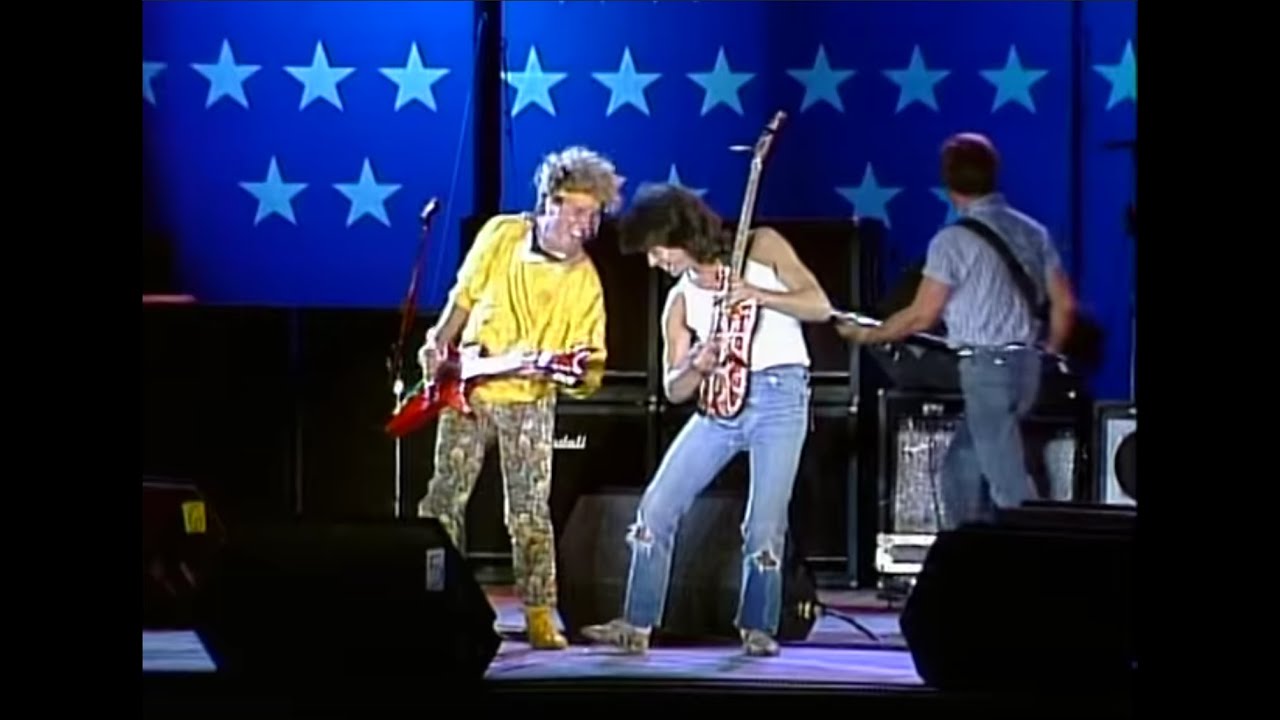
Sammy Hagar & Eddie Van Halen - Rock and Roll (Live at Farm Aid 1985) – YouTube
Van Halen’s Shift: The Transition from Roth to Hagar
By early 1985, Van Halen had solidified its status as the leading rock band globally, buoyed by the phenomenal success of their album 1984. This record not only achieved over five million sales in the United States but also reached the Number 2 spot on the Billboard 200, only trailing behind michael Jackson’s iconic Thriller. The album also produced their only Number 1 single, Jump, and the subsequent tour was a resounding success, with all 101 shows sold out.
Eddie Van Halen’s Creative Aspirations
in pursuit of even greater heights, Eddie Van Halen began exploring new musical ideas in early 1985 at his 5150 studio, collaborating with Donn Landee, the engineer behind all six of Van Halen’s previous albums and Eddie’s trusted partner in the studio.
David Lee Roth’s Solo Journey
During this time, David Lee Roth embarked on a solo project, releasing the four-track EP Crazy from the Heat in late January 1985, produced by Van Halen’s own Ted Templeman. Initially, Eddie expressed support for Roth’s solo endeavors, viewing them as a healthy outlet for creativity, as long as they did not disrupt the band’s dynamics.
Creative Tensions Arise
However, as Roth began attending writing sessions for the next Van Halen album, his lack of enthusiasm became evident. Eventually,he stopped attending altogether,opting instead to promote his EP through interviews.
A Defining Meeting
In late March, Eddie invited Roth to his home to discuss the band’s future. To Eddie’s surprise, Roth revealed he had received a $20 million offer from CBS studios to star in a film. While Eddie aimed to release a new Van Halen album by the end of 1985, Roth expressed a desire to take a year off for his movie project. roth proposed a brief summer stadium tour as a compromise, but Eddie refused to tour without new material. Roth also suggested recording music for the film’s soundtrack, but that idea was dismissed as well, leading to a deadlock between the two.
The End of an Era
Many consider this meeting the unofficial end of Van Halen’s classic lineup with roth, though his departure wouldn’t be finalized until nearly four months later.
Shifting Dynamics
While Roth believed his bandmates would wait for his return, Eddie was hopeful that Roth would eventually rejoin the band. Complicating matters, the band dismissed their manager, Noel Monk, after he sought a contract that would have made him the highest-paid member. Without a mediator,tensions escalated.
New Directions
Initially, Eddie contemplated creating an album featuring various vocalists, including legends like Joe Cocker and Phil Collins. However,his brother Alex advised against it,prompting Eddie to realize he desired a cohesive band environment.
Searching for a New Voice
As Roth began assembling a band for his film, including bassist Billy Sheehan, Eddie recognized the need to find a new frontman. He reached out to Patti Smyth of Scandal, but she declined due to personal reasons. Meanwhile, rumors of roth’s and the band’s activities circulated in music publications, leading many fans to believe Van Halen was finished.
A New Hope: Sammy Hagar
Despite his private hopes for Roth’s return, Eddie’s outlook shifted when his friend, exotic car dealer Claudio Zampolli, introduced him to Sammy Hagar.In late June 1985, Hagar visited Zampolli’s shop, where Eddie learned of his interest in replacing Roth. Hagar,whose solo career was flourishing with albums like standing Hampton and VOA,was an appealing candidate. His recent success, including the hit single I Can’t Drive 55, showcased his potential as a frontman.
First Impressions
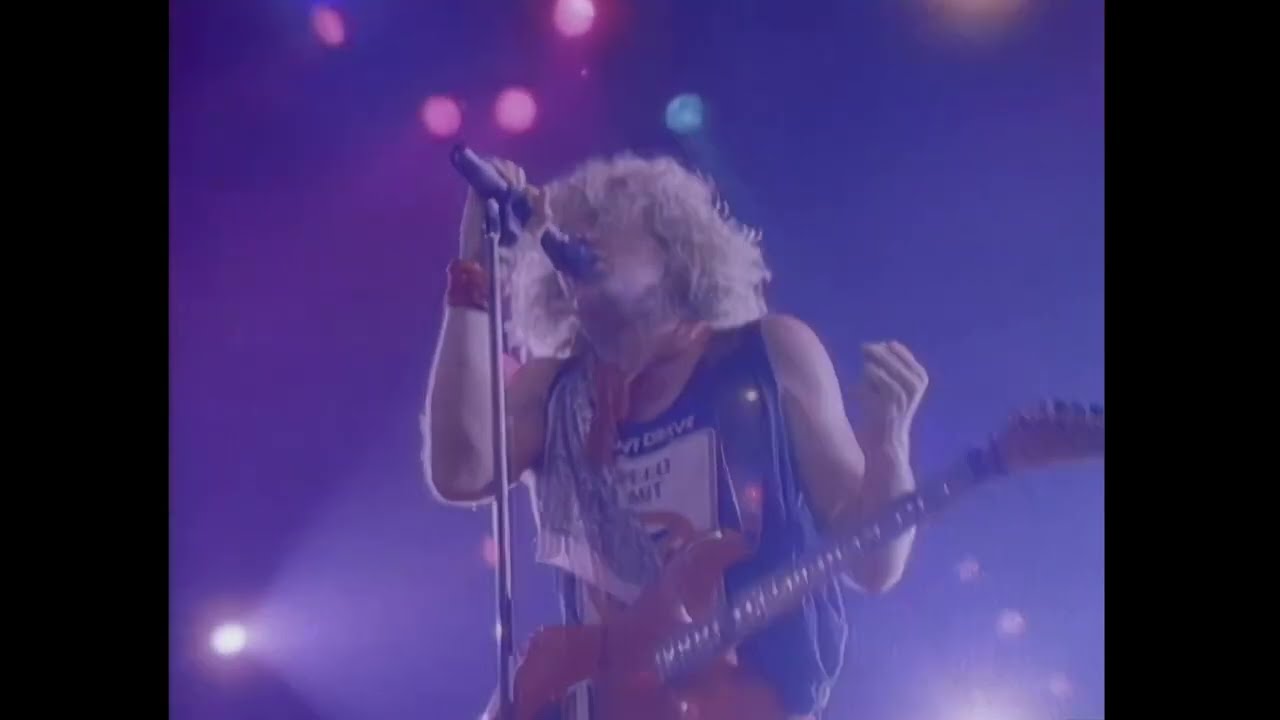
Ed remained unwilling to give up on roth until July 15, 1985, when Hagar dropped by 5150 to play and record a few new songs with the band. As Van Halen played the first song, Summer Nights, Hagar spontaneously crafted lyrics and a vocal melody. “In 20 minutes we had a complete song,” Eddie recalled. “We all freaked out.”
“Believe it or not, I just started singing summer nights for the chorus,” Hagar later shared. “They all looked at each other and said, ‘Wait a minute, the guy can sing!’”
Official Induction
Although the Van Halen brothers and Michael Anthony decided to hire Hagar on the spot that day in July, the public announcement followed a few months later, even though the news leaked almost immediately.
Van Halen - Summer Nights (from Live Without A Net) [Official Video] – YouTube
The Big Reveal
In August, the band issued a statement confirming that David Lee roth was no longer a member of Van Halen. However, Hagar’s official induction waited until September 22, 1985, during Hagar’s final concert performance with his former backing band at the Farm Aid concert in Champaign, Illinois.
Interestingly, co-host Gary Beaty of The Nashville Network prematurely revealed the news during the live broadcast just moments before Eddie Van Halen joined Hagar on stage, confirming the rumors once and for all.
Before the duo played their first notes, Sammy humorously fumbled with a banner and joked that it read, “My dick’s too small.” From that moment, it was clear that the Red rocker was not going to be a mere copy of David Lee Roth, as the former Van Halen frontman would never speak of himself in such self-deprecating terms.
Good enough (2023 Remaster) – YouTube
Van Halen’s Evolution: The Dynamic Shift from Roth to Hagar
Both Sammy Hagar and David Lee Roth were electrifying performers, known for their high-energy shows and colorful language. However, Hagar brought a more relatable, down-to-earth vibe that resonated with working-class fans, contrasting roth’s more intimidating persona.
lyrical Styles: A Contrast in Approach
While Roth’s lyrics often showcased clever wordplay and double entendres, Hagar’s were more straightforward and accessible, albeit sometimes lacking in subtlety.As an example, Roth’s ain’t Talkin’ ‘Bout Love exudes bravado, while Hagar’s Why Can’t This Be Love presents a more earnest sentiment. Similarly, Roth’s line “guaranteed to satisfy” in Ice Cream Man contrasts with Hagar’s introspective “you’re never satisfied” in 5150.
New Beginnings After Farm Aid
Following their appearance at the Farm Aid concert, the revamped Van Halen lineup dedicated October 1985 to writing and finalizing tracks for their inaugural album together. Recording commenced in November at Eddie’s 5150 studio, with engineer Donn Landee overseeing the mixing process.
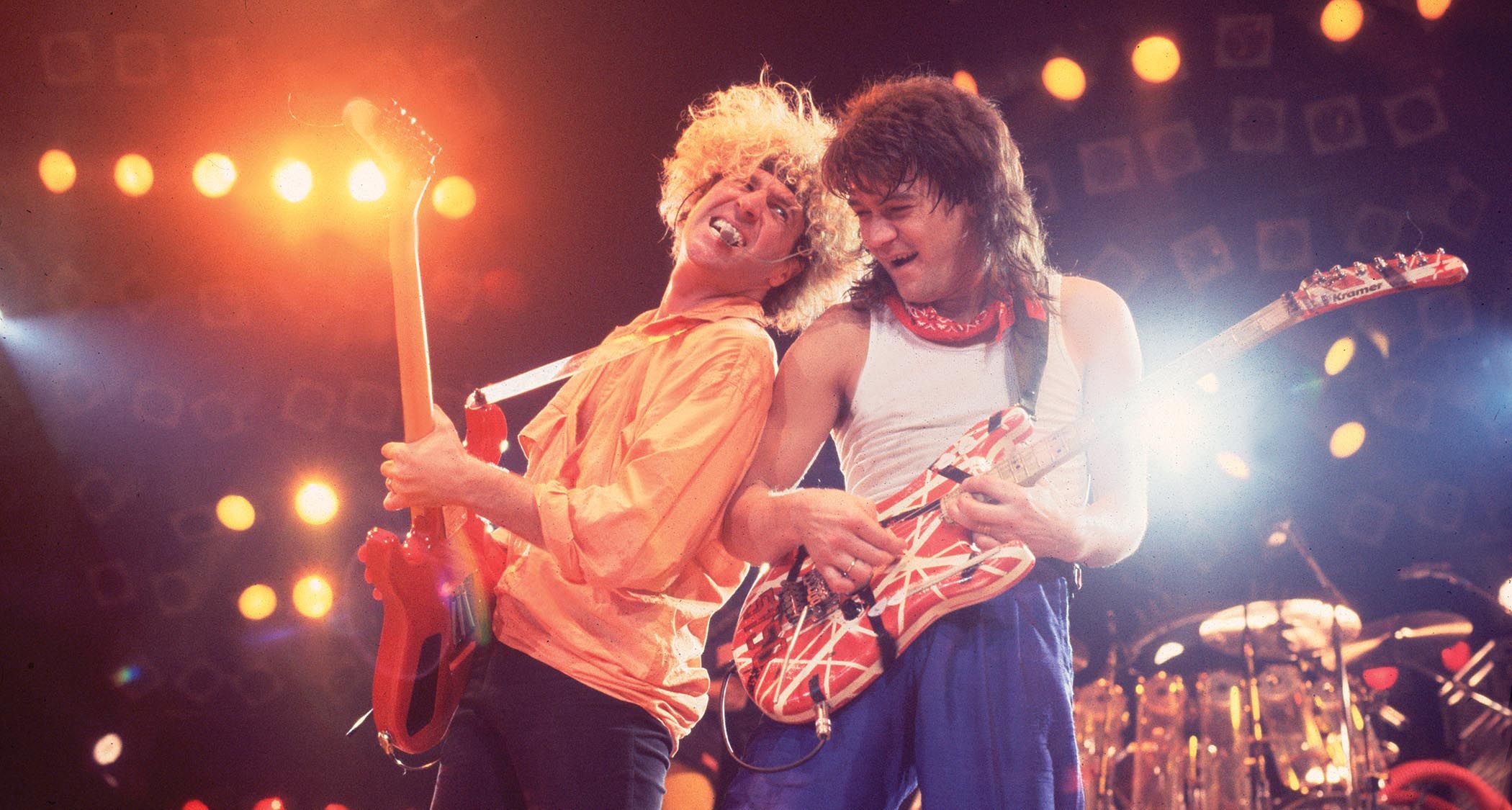
(image credit: Paul Natkin/Getty Images)
Production Challenges
The band initially sought to work with Ted Templeman, who had produced nine albums for both Hagar and Van Halen. Unluckily, Templeman was unavailable due to his commitment to David Lee Roth’s Eat ‘Em and Smile. Consequently, Eddie and Donn took on the producer roles until december, when they enlisted Foreigner guitarist Mick Jones, known for co-producing his own band’s albums.
“Sammy and we were all thinking we didn’t want to do the whole thing on our own because we needed an outside opinion,” Eddie explained. ”Mick was in town with Foreigner and invited Sammy to their show. Sammy then asked if Mick wanted to co-produce our album, and he agreed.”
“We were almost finished with it, but Mick helped us organize everything and polish it up. He made significant changes, especially on Dreams, transforming it into a different song. he also extracted an incredible vocal performance from Sammy on that track.”
Innovative Guitar Techniques
Eddie Van Halen’s guitar tone on 5150 underwent a significant transformation compared to his previous work with Roth. While he had previously utilized an Eventide H949 Harmonizer on various tracks, he employed it extensively on this album to create a stereo chorus effect. This involved using one H949 panned right with a slight pitch detune, another H949 panned left with a different micropitch detune, and his dry signal centered.
Landee occasionally incorporated delay effects from a Roland SDE3000 or Lexicon PCM70 to enhance the sound with spatial resonance. The guitar’s midrange was also more pronounced, allowing for greater clarity alongside Michael Anthony’s bass lines.
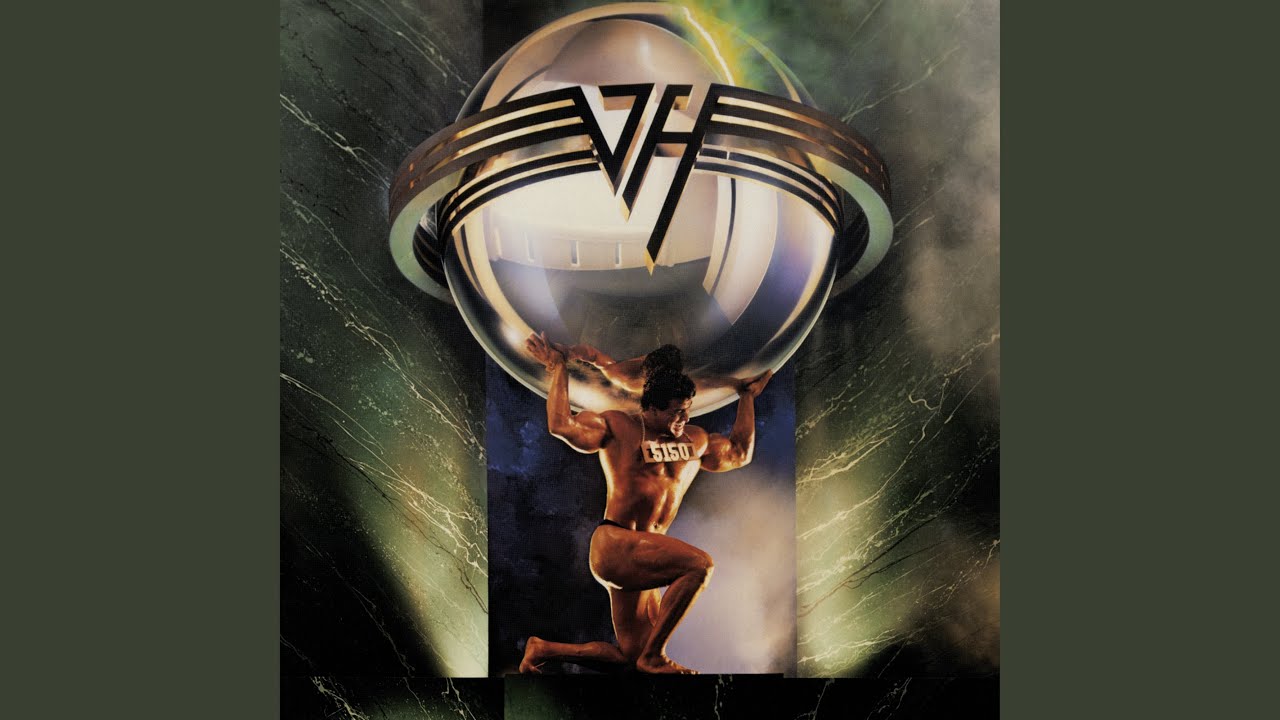
5150 marked the first album where Eddie did not use his iconic Frankenstein guitar,opting rather for the Kramer 5150 guitar he crafted himself,featuring a single Seymour Duncan JB humbucker and a Floyd Rose vibrato system.
Previously, eddie tuned his guitar down a half step to accommodate Roth’s vocal range, but for this album, he primarily used standard tuning. for 5150, he utilized his 1958 gibson Flying V tuned down a half step (to D#), with the low E string further tuned down a whole step (to C#) for the main rhythm track, while overdubbing solos with the Kramer 5150.
The track Good Enough features Eddie’s Kramer 1984 guitar,with the low E string replaced by a low A string from a bass,resulting in a tuning of AADGBE to create a baritone guitar vibe for the rhythm parts while still allowing him to perform his regular lead sections.
New Gear and Innovations
At the 1985 Summer NAMM convention in New Orleans, Ned steinberger gifted Eddie a Steinberger GL2T headless guitar equipped with a TransTrem system. Eddie quickly put this new instrument to use, writing the songs Summer Nights and Get Up shortly after receiving it, showcasing the capabilities of the TransTrem system.
“You can use the vibrato bar to raise or lower entire chords while keeping them in tune,” he explained. ”You can also lock the bar in various positions to instantly change keys. It’s similar to a capo, but allows for pitch adjustments both up and down.”
Get Up (2023 Remaster) – YouTube
Exploring New sounds
Other guitars featured on 5150 included a Fender Stratocaster, which was used with the bridge/middle pickup setting on Best of Both Worlds, and a Kramer ferrington acoustic-electric for the acoustic segments on Dreams. Eddie’s go-to amplifier remained the 1968 Marshall model 1959 Super Lead plexi, connected to a single 4×12 marshall cabinet, typically miked with Shure SM57 or SM58 microphones.
Eddie’s exploration of keyboards also progressed on 5150, with several tracks prominently featuring synthesizers. An Oberheim OB-8 preset with a sweeping sawtooth oscillator patch created the distorted “guitar” riff on Why Can’t This Be Love. Rich-sounding OB-8 string patches layered with an acoustic Steinway piano equipped with MIDI capabilities added depth to tracks like Dreams and Love Walks In.
For the horn section hits and slappy bass on Inside, Eddie utilized Fairlight CMI and E-mu Emulator II sampling keyboards, which unfortunatly contributed to making it one of the most dated-sounding tracks in Van Halen’s discography.
Van Halen – love Walks In (RESTORED – SUPERSCALED TO 4K) – YouTube
Van Halen’s 5150: A New Era Begins
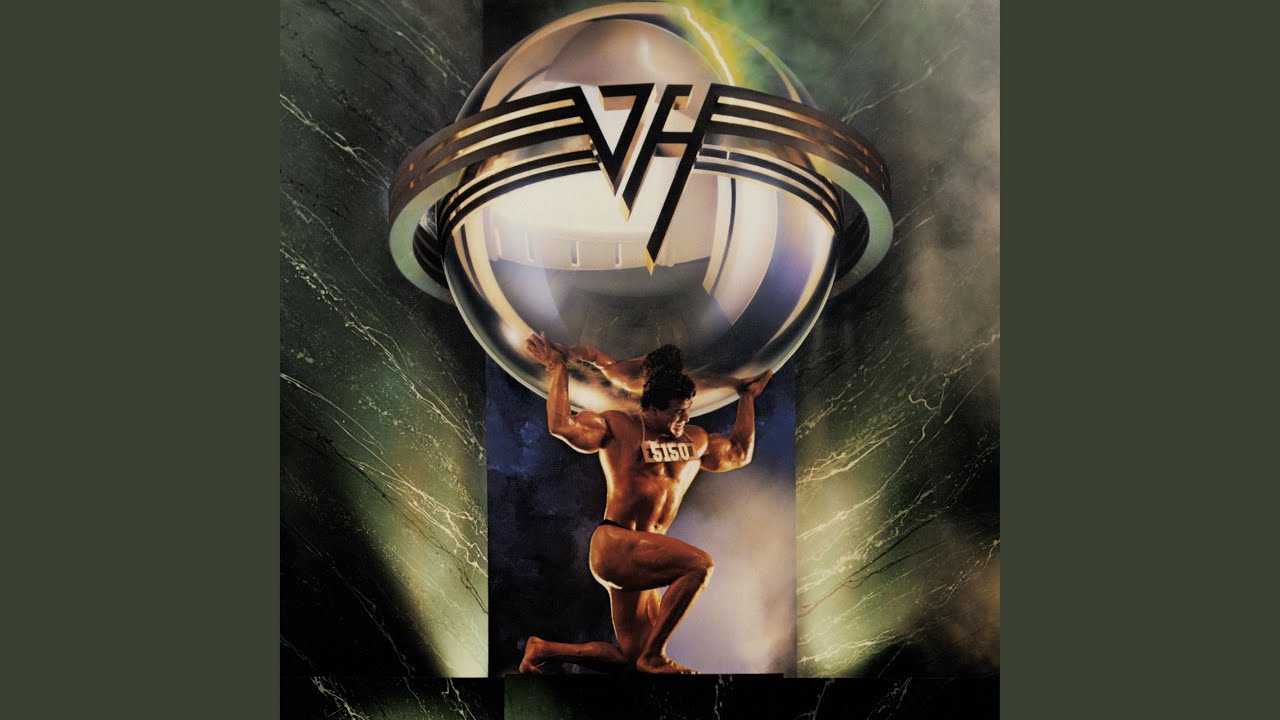
When Van Halen unveiled their album 5150 on March 24, 1986, it demonstrated that the band could indeed capture lightning in a bottle once more. Riding the wave of success from their previous album, 1984, Sammy Hagar’s entry into the band attracted a fresh audience, helping to offset the departure of some die-hard fans of David Lee Roth.
Chart-topping Success
This album marked a significant milestone for Van Halen,as it became their first to ascend to the number 1 position on the Billboard 200 chart,achieving this feat just a month after its release.However, it took approximately eight years for 5150 to reach the impressive 5x Platinum sales mark that 1984 accomplished within a single year.
The Roth vs. Hagar debate
With the release of 5150,the debate between David Lee Roth and Sammy Hagar ignited,a discussion that continues to spark opinions even today,despite its growing irrelevance over time. While Roth’s solo effort, Eat ‘Em and Smile, featuring the remarkable talents of Steve Vai, Billy Sheehan, and Gregg Bissonette, did not replicate the success of his former band, it still delivered a powerful album that resonated with longtime fans.
A New Chapter for Van Halen
On the other hand, the new iteration of Van Halen, often referred to as “Van hagar,” cultivated a loyal fanbase while also attracting newcomers. Their music became the quintessential soundtrack for the vibrant and sometimes tumultuous Eighties, characterized by luminous colors and a “just say no” attitude.
The Best of Both Worlds
As Hagar passionately sang in one of his standout performances with the band, it truly was the best of both worlds.
From Roth to Hagar: The Electrifying Evolution of Van Halen’s 5150 Era!
From Roth to Hagar: The Electrifying evolution of Van Halen’s 5150 Era!
The Transition: A New Era Begins
In 1985, Van Halen was at the pinnacle of rock music, with their album 1984 achieving monumental success.However, the departure of charismatic frontman David Lee Roth marked the beginning of a new chapter for the band. Enter Sammy Hagar, whose arrival not only revitalized the band’s sound but also attracted a fresh audience.
Chart-Topping Success of 5150
Released on March 24, 1986, 5150 became Van Halen’s first album to reach the coveted Number 1 spot on the Billboard 200 chart. This achievement came just a month after its release, showcasing the band’s ability to maintain their commercial appeal despite lineup changes.
Sales Milestones
Album
Release Date
Billboard 200 Peak
Platinum Status
1984
January 9, 1984
2
5x Platinum (1 year)
5150
March 24, 1986
1
5x Platinum (8 years)
the Roth vs. Hagar Debate
The transition from Roth to Hagar sparked a heated debate among fans that continues to this day. While Roth’s solo album, Eat ‘Em and Smile, featuring guitar virtuoso Steve Vai, did not match the commercial success of Van Halen, it still resonated with many longtime fans.
Comparative Analysis of Styles
David Lee Roth: Known for his flamboyant stage presence and clever lyrics,Roth’s songs frequently enough featured double entendres and a sense of bravado.
sammy Hagar: Hagar brought a more relatable and straightforward lyrical style, focusing on themes of love and personal experience.
Musical Evolution in the 5150 Era
With Hagar at the helm,Van Halen’s sound evolved substantially.The band embraced a more polished production style, incorporating synthesizers and keyboards alongside their signature guitar riffs.
Innovative Instrumentation
During the recording of 5150, Eddie Van Halen experimented with various instruments and techniques:
Kramer 5150 Guitar: Eddie replaced his iconic Frankenstein guitar with a custom-built Kramer 5150, featuring a single Seymour Duncan JB humbucker.
Oberheim OB-8 synthesizer: This instrument provided lush textures and unique sounds, especially on tracks like Why Can’t This Be Love.
Steinberger GL2T Guitar: Eddie utilized this headless guitar with a TransTrem system, allowing for innovative pitch modulation.
Hit Singles and Fan Favorites
5150 produced several hit singles that showcased the band’s new direction:
Why Can’t This Be Love: A powerful anthem that highlighted Hagar’s vocal range and the band’s melodic sensibilities.
Dreams: Featuring soaring harmonies and a memorable chorus, this track became a staple in Van Halen’s live performances.
Good Enough: This song exemplified the band’s ability to blend hard rock with catchy hooks, making it a fan favorite.
Impact on the Rock Scene
The release of 5150 not only solidified Van Halen’s place in rock history but also influenced a generation of musicians. The album’s success demonstrated that lineup changes could lead to new creative possibilities rather than a decline in quality.
Legacy of the 5150 era
as Van Halen continued to evolve, they maintained a dedicated fanbase while attracting new listeners. The 5150 era is often regarded as a golden period for the band, characterized by hit albums and memorable performances.
Practical Tips for Aspiring Musicians
For musicians looking to emulate Van Halen’s success during the 5150 era, consider the following tips:
Experiment with Sound: Don’t be afraid to explore different instruments and production techniques to find your unique sound.
Collaborate with Others: Working with different musicians can bring fresh ideas and perspectives to your music.
Stay True to Your Roots: While evolving your sound, ensure that your music reflects your personal experiences and authenticity.
Case Study: The Making of 5150
The recording process for 5150 was a collaborative effort that involved various musicians and producers:
Producer: Initially, the band wanted Ted Templeman, but he was unavailable. They eventually brought in Mick Jones from Foreigner to help polish the album.
Recording Location: The album was recorded at Eddie’s 5150 studio, which became a hub for creativity and innovation.
Songwriting Process: Hagar’s contributions to the songwriting were notable, bringing a new lyrical outlook that resonated with fans.
First-hand Experience: Fans Reflect on the 5150 Era
Many fans who experienced the transition from Roth to Hagar have shared their thoughts:
“I remember the excitement when 5150 came out. It felt like a fresh start for the band, and Sammy’s voice brought a new energy that I loved!”
As the band continued to tour and release new music, they solidified their legacy as one of rock’s most influential acts. The 5150 era remains a testament to their ability to adapt and thrive in an ever-changing music landscape.
Join the conversation and share your thoughts on Van Halen’s evolution! Create an account at Beatbounty and submit an ad to connect with fellow music enthusiasts.


![Van Halen - Summer Nights (from Live Without A Net) [Official Video] - YouTube](https://img.youtube.com/vi/g9pYywCZrXc/maxresdefault.jpg "From Roth to Hagar: The Electrifying Evolution of Van Halen's 5150 Era! 8")