Honoring the Legends: A Heartfelt Tribute to the Guitarists We Lost in 2025
0 reactions
6 months ago
Beatbounty
The year 2025 has been nothing short of remarkable for the world of guitar. We witnessed what many are calling the most important reunion tour in music history, a legendary guitarist known for his analog sound collaborating with neural DSP to launch a signature plugin that makes his iconic tones accessible to fans everywhere, and a wave of extraordinary new talent emerging on the scene.
Yet, amidst these thrilling developments, we also faced the heartbreaking loss of numerous guitar legends from various genres and eras. Each of these artists left an indelible mark on the instrument, whether as innovative luthiers, chart-topping stars, session musicians, or inspiring soloists who ignited air guitar fantasies.
In this tribute, we honor these guitarists and reflect on their invaluable contributions to music.
Please note that this tribute focuses exclusively on guitar and bass players, which is why we have not included Ozzy Osbourne, for whom we have dedicated separate acknowledgments.
This tribute is organized chronologically.
Wayne Osmond: The Rock Catalyst
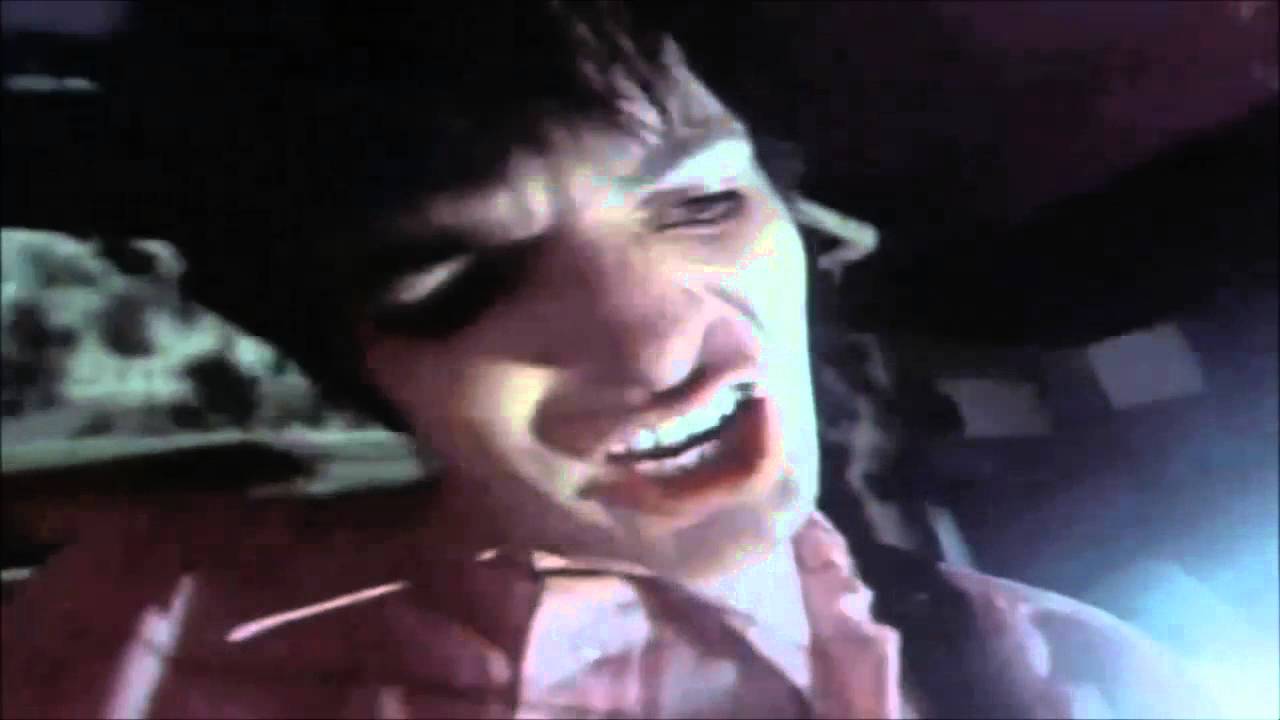
The Osmonds - crazy Horses [HQ stereo] – YouTube
As the lead guitarist for one of America’s most beloved family bands in the 1970s, Wayne Osmond played a pivotal role in transforming the band’s sound from bubblegum pop to authentic hard rock. The title track of their cult classic album, Crazy Horses, showcased Wayne’s guitar prowess, making the group resonate more with the likes of Cream than the jackson 5. Despite facing health challenges over the years, Wayne continued to perform with the Osmonds well into the 2000s.
Following his passing, Wayne’s brother Donny shared a heartfelt tribute, stating, “Wayne brought so much light, laughter, and love to everyone who knew him, especially me. He was the ultimate optimist and was loved by everyone. I’m sure I speak on behalf of every one of us siblings when I say we were lucky to have Wayne as a brother.”
Peter Yarrow: the Folk Icon
A prominent figure in the ’60s folk revival, Peter Yarrow is best known for his guitar work, vocals, and songwriting as part of the iconic trio Peter, Paul & Mary. the group achieved phenomenal success during the early to mid-’60s, with two chart-topping albums and countless hits, selling millions of records worldwide.
Yarrow co-wrote the timeless classic Puff the Magic Dragon with his college friend Leonard Lipton, and the trio’s repertoire included folk standards and Bob Dylan’s anthems like Blowin’ in the Wind. They skillfully balanced commercial appeal with a commitment to political activism, a cause Yarrow passionately championed.
However, Yarrow’s legacy was marred in the 1970s by a conviction for taking “immoral and improper liberties” with a minor, along with subsequent allegations of sexual misconduct. Despite this,he remained a significant figure in folk music,both with Peter,Paul & Mary-who reunited in the late ’70s and continued until Mary Travers’ passing in 2009-and in his solo endeavors.
John Sykes: The Hard Rock Virtuoso
(Image credit: Paul Natkin/getty Images)
John sykes was a titan of hard rock guitar, known for his work with bands like Whitesnake, Thin Lizzy, and Tygers of Pan Tang. A true guitarist’s guitarist, Sykes was celebrated for his incredible speed and flashy style, yet he was equally revered for his rich tone and songwriting abilities.
While his tenure with Tygers of Pan Tang may not have garnered mainstream attention, his electrifying guitar work influenced heavyweights like metallica. In 1982,Sykes joined Thin Lizzy,bringing a heavier sound to the band during their final year,highlighted by his stunning solo in Cold Sweat,which he co-wrote.
His most notable achievement came with Whitesnake, where he co-wrote nearly every track on their self-titled 1987 album, propelling the band into commercial success.Even though tensions with frontman David Coverdale led to his departure before the album’s release, Sykes’ contributions were pivotal to its multi-platinum success.
Later, he co-founded the hard rock supergroup Blue Murder and pursued a successful solo career. Reflecting on Sykes, Thin Lizzy guitarist Scott Gorham remarked, “Phil [Lynott] said, ‘let’s do one more album and world tour. I know this kid. He’s really good. he’s with Tygers Of Pan Tang.’ I had heard the name but never heard them play. Phil promised I’d like him,and he was right. John was a phenomenal player, always with his black Les Paul, and he looked fantastic on stage.”
Edweena Banger: The Unsung Hero
Ain’t Bin to No Music school – YouTube
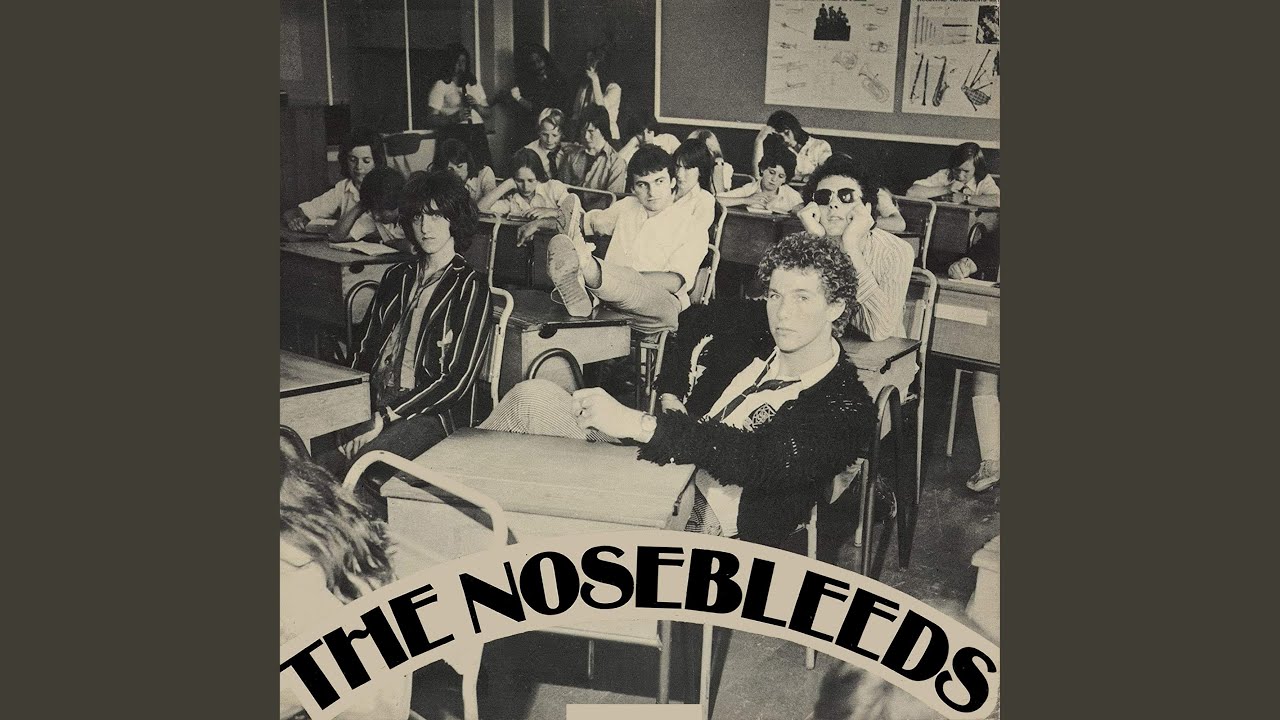
Edweena Banger: The punk Pioneer
as the frontwoman and guitarist for The Nosebleeds and later Slaughter & the dogs, Edweena Banger became a cherished icon in the UK punk underground during the late ’70s and early ’80s.
British journalist Mick middles described The Nosebleeds as “entirely and utterly wild,” highlighting Edweena’s fearless antics, such as leaping onto tables mid-performance to pour beer over unsuspecting audience members. such reckless behaviour often led to chaotic situations.
Susan Alcorn: Redefining the Pedal Steel
Susan Alcorn: Fearless Slides – YouTube
A master of the pedal steel guitar and a visionary composer,Susan Alcorn expanded the instrument’s reach beyond its traditional roots in country and folk music. She was a prolific solo artist and collaborated closely with composer Pauline Oliveros.
“I feel her absence deeply, both musically and personally,” remarked guitarist Mary Halvorson in tribute. “Susan was a remarkable innovator of the pedal steel guitar and one of the greatest improvisers of our time. her playing was melodic, soulful, and transformative, often elevating the music to new heights.”
Karl Cochran: The Resilient Guitarist
Renowned guitarist and songwriter Karl Cochran collaborated with notable artists such as Joe Lynn Turner of Rainbow and Ace Frehley. His partnership with Frehley continued even after Frehley rejoined Kiss in 1996, where Cochran co-wrote the track Into the Void for Kiss’ successful reunion album, Psycho Circus.
“Karl was an extraordinary vocalist and guitarist who faced a massive stroke but never gave up on his recovery,” Kiss stated in a heartfelt tribute. “He was beloved by fans around the globe and served as an inspiration during our KISS Kruises.”
Joey Molland: The Badfinger Legacy
(Image credit: John M. Heller/Getty Images)
As the guitarist and vocalist for the iconic ’70s band Badfinger, Joey Molland had a tumultuous career that included collaborations with all four Beatles, contributing guitar work to George Harrison’s All Things Must Pass and John Lennon’s Imagine.
Molland and his bandmates also participated in the historic Concert for Bangladesh, organized by Harrison in 1971, which remains one of the most significant charity concerts in rock history. Despite the challenges and tragedies that plagued Badfinger, Molland continued to thrive as a power-pop artist, releasing several acclaimed solo albums and touring with Todd Rundgren in festivity of the Beatles’ White Album’s 50th anniversary in 2019.
“We are heartbroken to learn of Joey Molland’s passing,” the Fest for Beatles Fans expressed on Twitter. “Joey was an incredibly talented musician and an amazing person. He will be deeply missed.”
Mark Sampson: the Amp Innovator
(Image credit: Bad Cat)
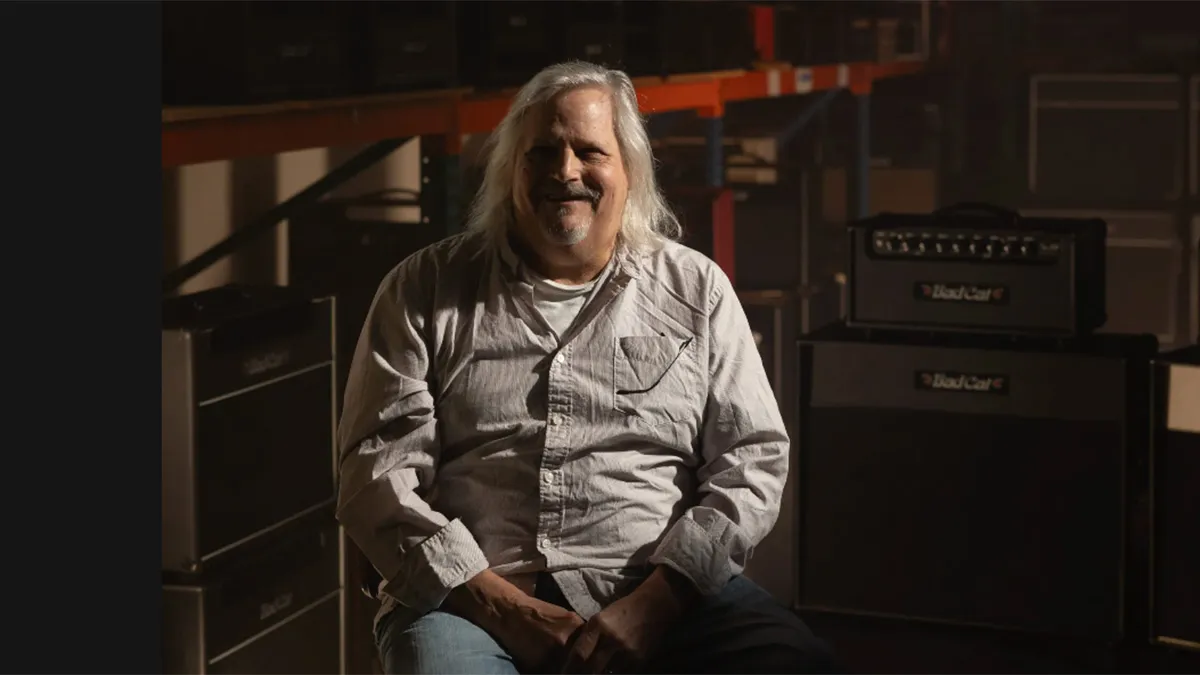
Mark Sampson, known for his contributions to Matchless and Bad Cat, significantly influenced the amplifier industry, playing a key role in the rise of hand-wired tube amps. He co-founded Matchless with Rick Ferrotta in 1989, and their success led to the establishment of Bad Cat, which Sampson left in the early 2000s. he made a triumphant return to Bad Cat in early 2025, unveiling the Era 30 two-channel tube amp at the NAMM show just weeks before his passing.
“Mark was a humble and private individual, despite his immense talent,” said Bad Cat owner John Thompson in an interview with Guitar World. “I met him at NAMM a decade ago and told him, ‘I’m taking care of your kids!’ referring to the early Bad cat amps he designed. He truly was the father of the boutique amp revolution, inspiring countless companies to emerge from Matchless.”
Brian James: The Punk Trailblazer
The Damned – New Rose (Official Video) – YouTube
Brian James, a founding member of The Damned, was instrumental in shaping the punk rock movement. His songwriting and guitar work on tracks like New Rose helped define the genre’s sound and energy.
Brian james: The Unsung Punk Guitar Hero
Brian James,a pivotal figure in the punk rock movement,played a crucial role in shaping the genre with his work in The Damned. While he may not have achieved the same level of fame as fellow guitar legends like Johnny Ramone, Joe Strummer, and Steve Jones, his contributions to punk are undeniably significant.
James penned the entirety of The Damned’s groundbreaking 1976 debut single, New Rose, which stands as a landmark in punk rock history. With its frenetic tempo, chaotic energy, and a rockabilly-inspired riff, the song’s influence can be traced through nearly every punk track that followed.
Although his time with The Damned was brief, James went on to tour with Iggy Pop, collaborate with Wayne Kramer of MC5, and Stewart Copeland of The police, and co-founded the cult favorite punk supergroup, Lords of the New Church, alongside Stiv Bators from the Dead Boys.
“Brian James was a visionary; The Damned is his masterpiece, and Damned Damned Damned ignited the 1976 UK punk revolution,” his former bandmates reflected. “Though, Brian’s vision was never about achieving perfection.”
“He embraced the rawness of rock ‘n roll, which is likely why he brought together Rat Scabies, dave Vanian, and Captain Sensible to help realize his musical revolution. Though he has passed, his unique interpretation of punk and rock ‘n roll continues to resonate through his remarkable body of work with The Damned and the Lords of the New Church. Emerging bands would do well to draw inspiration from his legacy.”
D’wayne Wiggins: The Neo-Soul Innovator
Tony! Toni! Toné! – Feels Good (Official Music Video) – YouTube
D’Wayne Wiggins, a prominent R&B guitarist, co-founded the influential group Tony! Toni! Toné! alongside his brother Raphael Saadiq and cousin Timothy Christian Riley.The trio achieved significant success in the early ’90s, scoring five R&B chart-toppers and three top 10 hits overall.
Wiggins was a trailblazer in the neo-soul movement,skillfully blending funk,hip-hop,and blues through his use of Fender Stratocasters and Coronados. His collaborations included work with Alicia Keys, and he won a Grammy for co-producing the hit song If I Was Your Woman.
“D’Wayne was my mentor,” saadiq shared in an interview with The Breakfast Club. “He was my Michael Jordan growing up. I’m in this industry because of him. He taught me how to play instruments.”
Paul ‘Wags’ Wagstaff: The Madchester Guitarist
Black Grape – Reverend Black Grape (Video) – YouTube
Paul ’Wags’ Wagstaff emerged as a key player in the ”Madchester” scene during the late ’80s and early ’90s, gaining recognition for his guitar work with Black Grape, a band that rose from the remnants of the iconic Happy Mondays.
When Happy Mondays reunited in 1999, Wagstaff stepped in as the guitarist, helping to introduce the band’s infectious blend of dance and rock to new audiences, particularly during their support slot on Oasis’ Standing on the Shoulder of Giants tour.
“I’m deeply saddened by the sudden loss of Wags, aka Paul Wagstaff,” singer-songwriter Badly Drawn boy expressed on Twitter in memory of the guitarist. “he was always a genuinely kind person and an incredibly talented and soulful guitarist.”
Al Barile: The Punk Rock Visionary
The kids Will Have Their Say - YouTube
Al Barile was a significant figure in the punk rock scene, known for his dynamic guitar work and contributions to the genre. His influence extended beyond performance, as he played a vital role in shaping the sound and ethos of punk music during its formative years.
Brian James: The Unsung Hero of Punk Rock
Brian James was a pivotal figure in the punk rock movement,particularly known for his work with The Damned. While he may not have achieved the same level of fame as other punk icons like Johnny Ramone or Joe Strummer, his contributions to the genre are equally significant.
James wrote the entirety of The damned’s groundbreaking 1976 debut single, New Rose, which is often regarded as a cornerstone of punk rock history. With its relentless tempo and chaotic energy, the song’s influence can be felt in nearly every punk track that followed.
Even though his time with The Damned was brief, james went on to tour with Iggy pop, collaborate with Wayne Kramer of MC5, and Stewart Copeland of The Police, and co-founded the Lords of the New Church, a notable punk supergroup featuring Stiv Bators from the Dead Boys.
“Brian James was a visionary; The Damned is his masterpiece, and Damned Damned Damned ignited the 1976 UK punk revolution,” his former bandmates reflected. “However, Brian’s vision was never about achieving perfection.”
“He embraced the rawness of rock ‘n roll, which is highly likely why he brought together Rat Scabies, Dave Vanian, and Captain Sensible to help realize his musical revolution. Though he has passed, his unique interpretation of punk and rock ’n roll continues to resonate through his remarkable body of work with The damned and the Lords of the New Church. Emerging bands would do well to draw inspiration from his legacy.”
D’Wayne Wiggins: The neo-soul Pioneer
Tony! Toni! Toné! – Feels Good (Official Music Video) – YouTube
D’Wayne Wiggins, a prominent figure in R&B, co-founded the influential group Tony! Toni! Toné! with his brother Raphael Saadiq and cousin Timothy Christian Riley. The trio achieved significant success in the early ’90s,scoring five R&B chart-toppers and three top 10 hits overall.
Wiggins was a trailblazer in the neo-soul movement, skillfully blending funk, hip-hop, and blues through his use of Fender Stratocasters and Coronados. His collaborations included work with Alicia Keys, and he won a Grammy for co-producing the hit song If I Was Your Woman.
“D’Wayne was my mentor,” Saadiq shared in an interview with The Breakfast Club. ”He was my Michael Jordan growing up. I’m in this industry because of him. He taught me how to play instruments.”
Paul ‘Wags’ Wagstaff: The Madchester Guitarist
Black Grape – Reverend Black Grape (Video) – youtube
Paul ‘Wags’ Wagstaff emerged as a key player in the “Madchester” scene during the late ’80s and early ’90s, gaining recognition for his guitar work with Black Grape, a band that rose from the remnants of the iconic happy Mondays.
When Happy Mondays reunited in 1999, Wagstaff stepped in as the guitarist, helping to introduce the band’s infectious blend of dance and rock to new audiences, particularly during their support slot on Oasis’ Standing on the Shoulder of Giants tour.
“I’m deeply saddened by the sudden loss of Wags, aka Paul Wagstaff,” singer-songwriter Badly Drawn Boy expressed on Twitter in memory of the guitarist. “He was always a genuinely kind person and an incredibly talented and soulful guitarist.”
Al Barile: The Boston Hardcore Pioneer
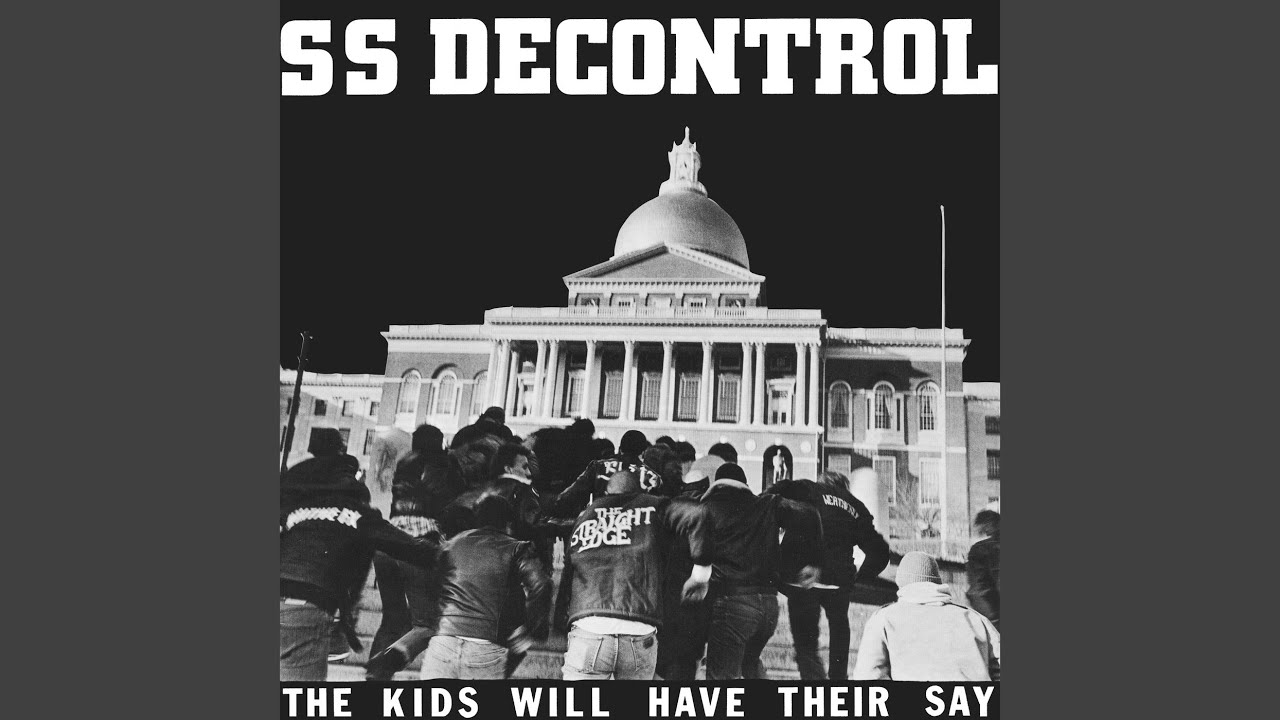
The Kids Will Have Their Say – YouTube
Al Barile was a significant figure in the Boston hardcore scene during the early ’80s, leading the charge with his band SSD (originally known as SS Decontrol). His guitar work provided the driving force behind the band’s aggressive sound.
As the decade progressed,Barile and his bandmates began to explore heavier metal influences while he remained the band’s rhythmic backbone. His impact extended beyond the genre, with metalcore bands like Converge acknowledging his influence after his passing, stating, “Without Al Barile and SSD, none of us in the hardcore punk scene would be doing what we’re doing today, and we are forever grateful for that. Rest in peace and thank you for providing the spark for so many.”
Dave Allen: The Bass Innovator
Dave Allen was a dynamic bass player known for his work on the groundbreaking albums of the English post-punk band Gang of Four, including the iconic Entertainment! and Solid Gold.
His melodic yet sharp basslines complemented the late Andy Gill’s edgy guitar work, creating a sound that has influenced countless bands over the past four decades. Many groups that have been labeled as “post-punk” owe a sonic debt to Gang of Four, and Allen’s contributions were pivotal.
Flea of the Red Hot Chili Peppers remarked, “Dave had a huge influence on me; those first two Gang of Four albums taught me how much you can define the character of a song with so few notes. he was truly one of a kind.”
Amadou Bagayoko, a celebrated Malian singer and guitarist, was one half of the acclaimed duo Amadou & Mariam. He developed a distinctive guitar style that fused classic rock influences with traditional West African music.
Bagayoko’s talent earned him a host of famous admirers, including damon Albarn, who co-produced the duo’s celebrated 2008 album Welcome to Mali and invited them to open for Blur at two major concerts in London’s hyde Park the following year. In 2009, the duo also opened for coldplay at several stadium shows and had the opportunity to jam with David Gilmour, a personal idol of Bagayoko’s, at a charity event.
In a heartfelt tribute on social media, Albarn stated, “The music Amadou & Mariam created together was beautiful, unique, and almost magical. I feel privileged to have known and played alongside Amadou. Travel light, my friend.”
Michael Hurley: The Godfather of Freak Folk
Michael Hurley, often referred to as the ‘Godfather of freak folk,’ was a distinctive guitarist and songwriter whose unconventional songs rejected commercialism yet garnered a dedicated following.
Born in 1941, hurley was a contemporary of some of the giants of the ’60s folk movement, including Bob Dylan and Joan Baez, and he performed in the same Greenwich Village folk clubs during that era.
His debut album, First Songs, released in 1964 by the renowned Folkways label, helped him secure a spot at a 1965 folk festival at Carnegie Hall, which also featured performances from legends like Johnny Cash and Muddy Waters.
Despite his talent, Hurley was never particularly interested in fame, leading to a sparse output in the following decade. However, by the late ’70s, his unique blend of laid-back yet eccentric folk began to resonate with the emerging indie movement. He remained prolific, consistently releasing new music and performing until the end of his life.
Eric Isaacson, owner of Mississippi Records, who released several of Hurley’s albums, remarked, ”His songs are timeless; you can’t tell if they were written in the 1400s or today.”
George Freeman: The chicago Jazz Icon
(Image credit: Paul Natkin/WireImage)
George Freeman was a highly skilled guitarist and a cornerstone of Chicago’s jazz scene, boasting an impressive career that spanned 80 years. He collaborated with jazz legends such as Charlie Parker, Gene Ammons, and Groove Holmes, showcasing his mastery of smooth jazz while also incorporating the gritty blues sound that Chicago is famous for.
Mike Allemana, director of the University of Chicago jazz ensemble and a fellow musician, praised Freeman, stating, “he absorbed various guitar influences and blended them seamlessly, which was undoubtedly one of his goals.”
Even as Freeman approached his 100th birthday,he remained active in music,with his passing occurring just days before a scheduled performance to celebrate this milestone.
Mac Gayden: The Versatile Musician
Bob Dylan – Absolutely Sweet Marie (Official Audio) – YouTube
Mac Gayden was a versatile musician known for his contributions to rock and country music. He gained recognition for his work with artists like Bob Dylan, where his guitar skills added depth to iconic tracks.
mac Gayden: Nashville’s Guitar Virtuoso
Mac Gayden epitomized the essence of Nashville’s musical legacy. As a member of the renowned “Nashville Cats,” he was a sought-after session guitarist and songwriter, with Bob Dylan’s producer Bob Johnston once declaring him “the best guitar player I ever heard.”
Gayden’s guitar work graced Dylan’s iconic 1966 album, Blonde on Blonde, and he collaborated with a plethora of artists, including Simon and Garfunkel, Kris Kristofferson, Charley Pride, linda Ronstadt, and Elvis Presley. His slide guitar contributions on J. J. Cale’s album Naturally are particularly celebrated.
In addition to his guitar prowess, Gayden’s songwriting skills shone through with his hit Everlasting Love, first released in 1967, which has since become a beloved soul standard.
“his musicality was a dazzling force, and his spirit was a gift to us all,” reflected Kyle Young, CEO of the Country Music Hall of Fame and Museum, in remembrance of Gayden.
Wizz Jones: The Folk Revival Icon
Wizz Jones was a distinctive and cherished figure in the British folk revival of the 1960s, renowned for both his unique songwriting and exceptional guitar skills.
In his autobiography, life, Keith Richards reminisced about jones, stating, “Wizz would drop by art college with a Jesus haircut and a beard. He was a fantastic folk picker.” Bert Jansch also praised him, calling Jones “the most underrated guitarist ever.”
Jones’ extensive and diverse discography showcased his ability to traverse various musical styles.Fellow folk legend Martin Carthy noted that Jones had “a vast repertoire that spanned traditional english music to contemporary compositions, including blues and jazz.”
Sharing his memories of Jones on social media, English singer-songwriter John Smith wrote, “The last time I saw him was at his 80th birthday show, where he was in his element, captivating the audience with his performance. He was an extraordinary guitarist and storyteller.”
Mike Peters: The Alarm’s Frontman
As the lead vocalist and guitarist of the welsh rock band The Alarm, mike Peters played a crucial role in transforming the band’s sound from punk to arena-ready new wave. He penned anthems in the ’80s that resonated with fans, including U2, for whom The Alarm opened in 1983.
Peters bravely battled cancer for three decades, using his platform to raise funds for research and treatment through his charity, the Love Hope Strength Foundation.
“Music has the power to save lives and change the world. Mike Peters embodied this belief, living it from his punk rock roots in North Wales to stadiums worldwide,” said Brandon Flowers, frontman of The Killers, in a heartfelt tribute.
“Mike’s indomitable spirit led The Alarm with passion and unwavering optimism. He gifted us anthems like 68 Guns, Marching On, and Strength-songs that provided courage when it was needed most. Every lyric was meaningful-a rallying cry. You were never alone.”
Joe Louis Walker: The Blues Innovator
(Image credit: Paul Natkin/getty Images)
Joe Louis Walker was a formidable blues guitarist whose innovative style frequently enough went unnoticed in the commercial realm. Buddy Guy once remarked that Walker would take the blues “into the future,” highlighting his fearless approach to the genre.
Growing up in the vibrant San Francisco Bay Area, Walker became part of the city’s dynamic music scene in the late ’60s, sharing stages with both prominent rock acts and legendary blues musicians. He formed a close friendship with Mike Bloomfield of the Paul butterfield Blues Band, frequently enough jamming and even living together for a time.
Throughout his extensive career, which included a significant detour into gospel music, Walker’s intense, vibrato-driven guitar playing garnered admiration from many, including Herbie hancock and aretha Franklin, who referred to him simply as “The Bluesman.”
Following his passing, music publicist Eric Alper tweeted, “Joe was a true musician’s musician whose guitar spoke volumes. From gospel tents to Grammy nominations, his restless spirit reshaped the blues for over four decades.”
Jill Sobule: The trailblazing singer-Songwriter
jill Sobule was a pioneering singer-songwriter and advocate for human rights, who played a crucial role in paving the way for LGBTQ+ artists in the male-dominated alt-rock scene of the ’90s.
Her 1995 hit I Kissed a Girl made history as the first openly gay-themed song to reach the Billboard Top 20,while her alt-rock classic Supermodel featured prominently in the soundtrack of the iconic teen comedy Clueless that same year.
After Sobule’s passing, Tom Morello took to Instagram to express his admiration, stating, “I Kissed A Girl was the first openly gay song to crack the top 20, and F*ck 7th Grade was spectacular.I loved her deeply and will miss her greatly. I hope she and our mutual friend wayne Kramer from MC5 are continuing their conversation about beauty, truth, and justice in the great beyond.God bless you, Jill.”
Jim Irsay: The Guitar Collector Extraordinaire
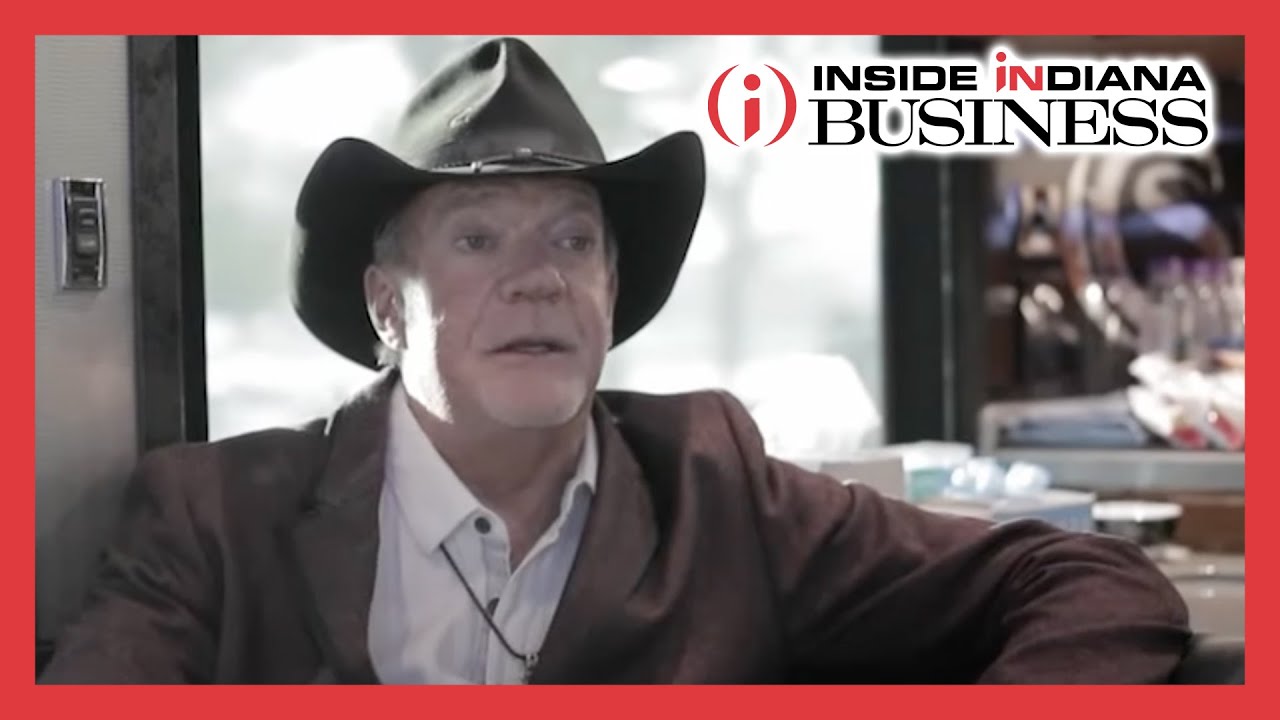
Inside the Jim Irsay Collection – YouTube
Jim Irsay, best known as the owner of the Indianapolis Colts NFL team, has also made a name for himself as a prominent collector of guitars, amassing one of the most valuable private collections in the world.
Among his collection are three of the ten most expensive guitars ever sold at auction, including kurt Cobain’s Smells Like teen Spirit Mustang and David Gilmour’s Black Fender Stratocaster, which rank as numbers two and three on that list. The total value of Irsay’s collection is estimated to be around a billion dollars.
Irsay has emphasized that even the most valuable guitars in his collection should be played on stage rather than merely displayed behind glass.
“I don’t own any of these items,” Irsay stated regarding his historic guitars. ”I’m just the steward of this collection, and it’s my dream for as many people as possible to experience and be inspired by this history.”
Rick Derringer: The Rock Legend
(Image credit: Ed Perlstein/Redferns/Getty Images)
Rick Derringer is a celebrated musician whose career took off when he was just a teenager. He gained fame as the guitarist for the McCoys, who topped the charts in 1965 with their rendition of Hang on Sloopy. This song became a garage-rock classic, and even Jimi Hendrix praised the guitar work, stating, “Have you heard the guitar player on Hang On Sloopy? He’s great.”
As the McCoys’ popularity waned at the end of the ’60s, Derringer formed a partnership with Johnny and Edgar Winter, collaborating on approximately a dozen albums. He also became a sought-after session musician, contributing a memorable solo to Alice Cooper’s Under My Wheels.
However, it was his 1973 re-recording of Rock and Roll, Hoochie Koo-a hard-hitting track he originally wrote for Johnny Winter-that solidified his status as a rock legend. This song became emblematic of the era and helped establish his reputation in the rock pantheon.
Rick Derringer: The Versatile Guitar Virtuoso
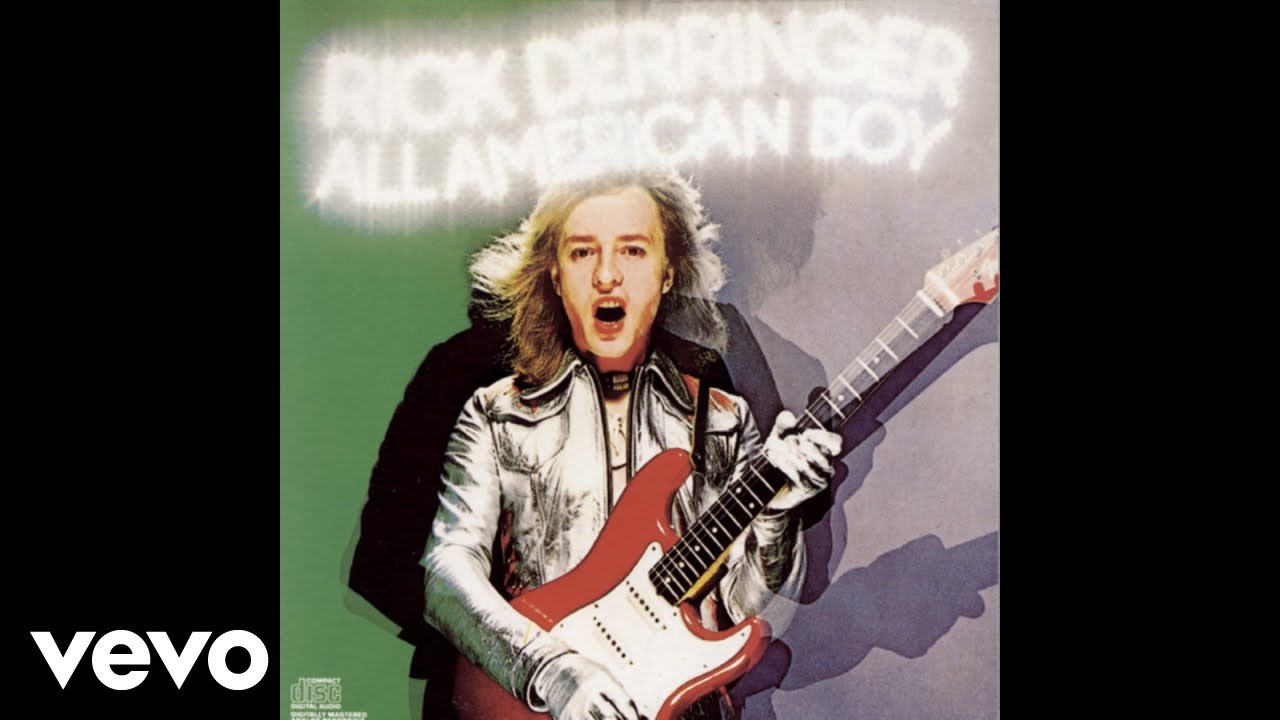
Rick Derringer – Rock and Roll, Hoochie Koo (Official Audio) – YouTube
Watch On
Throughout his illustrious career,Rick Derringer collaborated with a wide array of artists,including Todd Rundgren,Steely Dan,kiss,Cyndi lauper,and Barbara Streisand,among many others. In the 1980s, he partnered with the rising star “Weird Al” Yankovic, producing, arranging, and performing on six of Yankovic’s early albums.
“rick was one of the most talented, versatile, and adaptable guitarists I ever had the privilege of working with,” Edgar Winter remarked about his friend and collaborator. “He was a kindred spirit who loved and understood all forms of music.”
Chris Bird: A Beloved Music Advocate
(Image credit: phil Barker/Future)
Chris Bird was a cherished friend and colleague at Guitar World, both in print and online, and he was a cornerstone of Future plc’s music publications for nearly two decades.
Initially hired by Total Guitar in 2007 after submitting an impeccable transcription of Alice in Chains’ Nutshell, Chris became the magazine’s editor in December 2019, leading it until its closure in October 2024. He then transitioned to the digital team, serving as Lesson Editor for Guitar World, MusicRadar, and Guitar Player.
“Chris was not onyl an exceptional guitarist and technical expert,” noted Michael Astley-Brown, Editor-in-chief of GuitarWorld.com. “His greatest strength was his openness to all forms of guitar artistry. He spoke with equal enthusiasm about emerging artists like Yungblud and Nova Twins as he did about his idols, Mark Knopfler and Pearl Jam.”
During his time at Total Guitar, Chris had the opportunity to interview legends like Brian May and Jimmy Page, and those conversations were among the most amicable and insightful interviews I can recall.”
Sly Stone: The Funk Pioneer
(Image credit: Michael Putland/Getty Images)
Sly Stone, the innovative multi-instrumentalist and frontman of Sly and the Family Stone, was a true musical trailblazer.
While the band was often associated with the psychedelic sounds of the late ’60s, their music-an eclectic mix of soul, R&B, and rock-was groundbreaking and laid the foundation for what would later be recognized as funk.
One could argue that their 1969 hit, Thank You (Falettinme Be Mice Elf Agin), is as significant to the genre’s birth as anything produced by James Brown, characterized by the infectious guitar riffs of Sly and his brother Freddie, along with Larry Graham’s iconic slap bass technique.
Sly & The Family Stone – Thank You (Falettinme Be Mice Elf Agin) – youtube
In 1971, Stone further expanded the band’s sound with the groundbreaking album There’s a Riot Goin’ On. Even though this album marked the beginning of the band’s decline, it remains a significant milestone in music history, earning a spot as the fourth-best album of the 1970s according to Pitchfork in 2004.
Ahmir ”Questlove” thompson, drummer for The Roots and director of the 2024 documentary sly Lives! (aka The Burden of Black Genius), expressed on Instagram, “sly was a giant-not just for his groundbreaking work with the Family Stone, but for the radical influence he had on music as a whole.”
The Transformative Power of Music
Music has the unique ability to convey profound human truths and foster inclusivity.It serves as a medium for expressing complex emotions and societal issues, often transforming the self to inspire change in the world. Artists who dare to simplify their messages through childlike joy, wordless cries, and nursery rhyme rhythms manage to articulate adult truths in a way that resonates deeply with listeners. Their work compels us to confront both the light and dark aspects of life.
Brian Wilson: The Architect of Sound
The Beach Boys – Wouldn’t It Be Nice – YouTube
Watch On
In 1971, Sly Stone further pushed the boundaries of music with the groundbreaking album there’s a Riot Goin’ On. Although this marked the beginning of the band’s decline, it remains a significant milestone in music history, earning recognition as one of the greatest albums of the 1970s by Pitchfork in 2004.
Ahmir “Questlove” Thompson, drummer for The Roots and director of the 2024 documentary Sly Lives! (aka The Burden of Black Genius), expressed on Instagram, “Sly was a giant-not just for his groundbreaking work with the Family Stone, but for the radical influence he had on music as a whole.”
The Transformative Power of Music
Music possesses a remarkable ability to convey profound human truths and foster inclusivity. It serves as a medium for expressing complex emotions and societal issues, often transforming the self to inspire change in the world.artists who dare to simplify their messages through childlike joy, wordless cries, and nursery rhyme rhythms manage to articulate adult truths in a way that resonates deeply with listeners. Their work compels us to confront both the light and dark aspects of life.
Brian Wilson: The Architect of Sound
the Beach boys – Wouldn’t It Be Nice – youtube
Watch On
In 1971, Sly Stone further pushed the boundaries of music with the groundbreaking album There’s a Riot Goin’ On. Although this marked the beginning of the band’s decline, it remains a significant milestone in music history, earning recognition as one of the greatest albums of the 1970s by Pitchfork in 2004.
ahmir “Questlove” Thompson, drummer for The Roots and director of the 2024 documentary Sly Lives! (aka The burden of Black genius), expressed on Instagram, “Sly was a giant-not just for his groundbreaking work with the Family Stone, but for the radical influence he had on music as a whole.”
“`html
The Transformative Power of Music
Music has an extraordinary capacity to express deep human truths and promote inclusivity. It serves as a powerful medium for articulating complex emotions and societal issues, often inspiring personal transformation that can lead to broader change. Artists who simplify their messages through childlike joy, wordless cries, and nursery rhyme rhythms manage to convey profound adult truths in a relatable manner. Their work encourages us to confront both the light and dark aspects of existence.
Brian Wilson: The Mastermind Behind the Sound
The Beach Boys – Wouldn’t It Be Nice – YouTube
Watch On
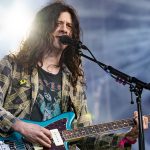
The fearless, heavily tattooed guitar-slinger who helped lead Mastodon for a quarter century, Brent Hinds was a one-of-a-kind player who took metal guitar into uncharted territory.
Over the course of his 25-year tenure in Mastodon, he served as the perfect foil to co-guitarist Bill Kelliher, adding unpredictable, roller-coaster-ride, often country-influenced, leads and textures to Kelliher’s tight riffs and songwriting.
His wild stylistic leaps and fearlessness extended to his outsized physical presence on the instrument.
He said the following toGuitar World in 2017 while discussing his work with Epiphone on his signature flying V: “I emphasized to [Epiphone] that I’m gonna wank, spank, slobber, bleed, bend, crunch, and crush all over this fucking thing and the guitar’s gonna need to be able to handle the monster behind it.”
The fearless, heavily tattooed guitar-slinger who helped lead Mastodon for a quarter century, Brent Hinds was a one-of-a-kind player who took metal guitar into uncharted territory.
Over the course of his 25-year tenure in mastodon, he served as the perfect foil to co-guitarist Bill Kelliher, adding unpredictable, roller-coaster-ride, often country-influenced, leads and textures to Kelliher’s tight riffs and songwriting.
His wild stylistic leaps and fearlessness extended to his outsized physical presence on the instrument.
He said the following toGuitar World in 2017 while discussing his work with Epiphone on his signature Flying V: “I emphasized to [Epiphone] that I’m gonna wank, spank, slobber, bleed, bend, crunch, and crush all over this fucking thing and the guitar’s gonna need to be able to handle the monster behind it.”
The fearless, heavily tattooed guitar-slinger who helped lead Mastodon for a quarter century, Brent Hinds was a one-of-a-kind player who took metal guitar into uncharted territory.
Over the course of his 25-year tenure in Mastodon, he served as the perfect foil to co-guitarist Bill Kelliher, adding unpredictable, roller-coaster-ride, often country-influenced, leads and textures to Kelliher’s tight riffs and songwriting.
His wild stylistic leaps and fearlessness extended to his outsized physical presence on the instrument.
He said the following toGuitar World in 2017 while discussing his work with Epiphone on his signature Flying V: “I emphasized to [Epiphone] that I’m gonna wank, spank, slobber, bleed, bend, crunch, and crush all over this fucking thing and the guitar’s gonna need to be able to handle the monster behind it.”
The fearless, heavily tattooed guitar-slinger who helped lead Mastodon for a quarter century, Brent Hinds was a one-of-a-kind player who took metal guitar into uncharted territory.
Over the course of his 25-year tenure in Mastodon, he served as the perfect foil to co-guitarist Bill Kelliher, adding unpredictable, roller-coaster-ride, often country-influenced, leads and textures to Kelliher’s tight riffs and songwriting.
His wild stylistic leaps and fearlessness extended to his outsized physical presence on the instrument.
He said the following toGuitar World in 2017 while discussing his work with Epiphone on his signature Flying V: “I emphasized to [Epiphone] that I’m gonna wank, spank, slobber, bleed, bend, crunch, and crush all over this fucking thing and the guitar’s gonna need to be able to handle the monster behind it.”
The fearless, heavily tattooed guitar-slinger who helped lead Mastodon for a quarter century, Brent Hinds was a one-of-a-kind player who took metal guitar into uncharted territory.
Over the course of his 25-year tenure in Mastodon, he served as the perfect foil to co-guitarist bill Kelliher, adding unpredictable, roller-coaster-ride, often country-influenced, leads and textures to Kelliher’s tight riffs and songwriting.
His wild stylistic leaps and fearlessness extended to his outsized physical presence on the instrument.
He said the following toGuitar World in 2017 while discussing his work with Epiphone on his signature Flying V: “I emphasized to [Epiphone] that I’m gonna wank, spank, slobber, bleed, bend, crunch, and crush all over this fucking thing and the guitar’s gonna need to be able to handle the monster behind it.”
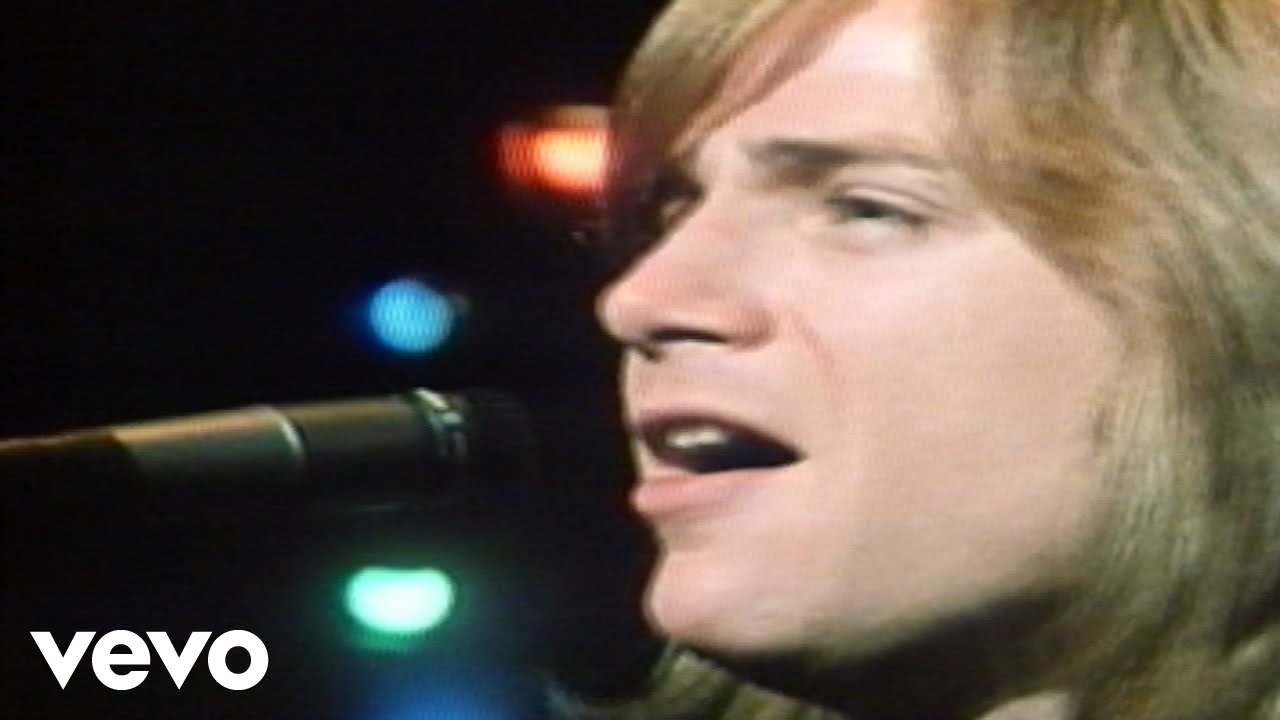
A skillful bassist, vocalist, and songwriter, John Lodge has been a vital part of the Moody Blues for over five decades.
Whether the band was pioneering progressive rock with sweeping, multi-part compositions on their 1967 album Days of future Passed or embracing a more straightforward rock sound on their chart-topping 1972 release, Seventh Sojourn, Lodge consistently provided intricate bass lines and catchy hooks, often wielding a unique half P-Bass/half Telecaster double-neck guitar.
“I’m deeply saddened and shocked by John’s passing,” expressed Lodge’s bandmate of 50 years, Justin Hayward, on social media after the news broke. “I have such fond memories of creating music together.”
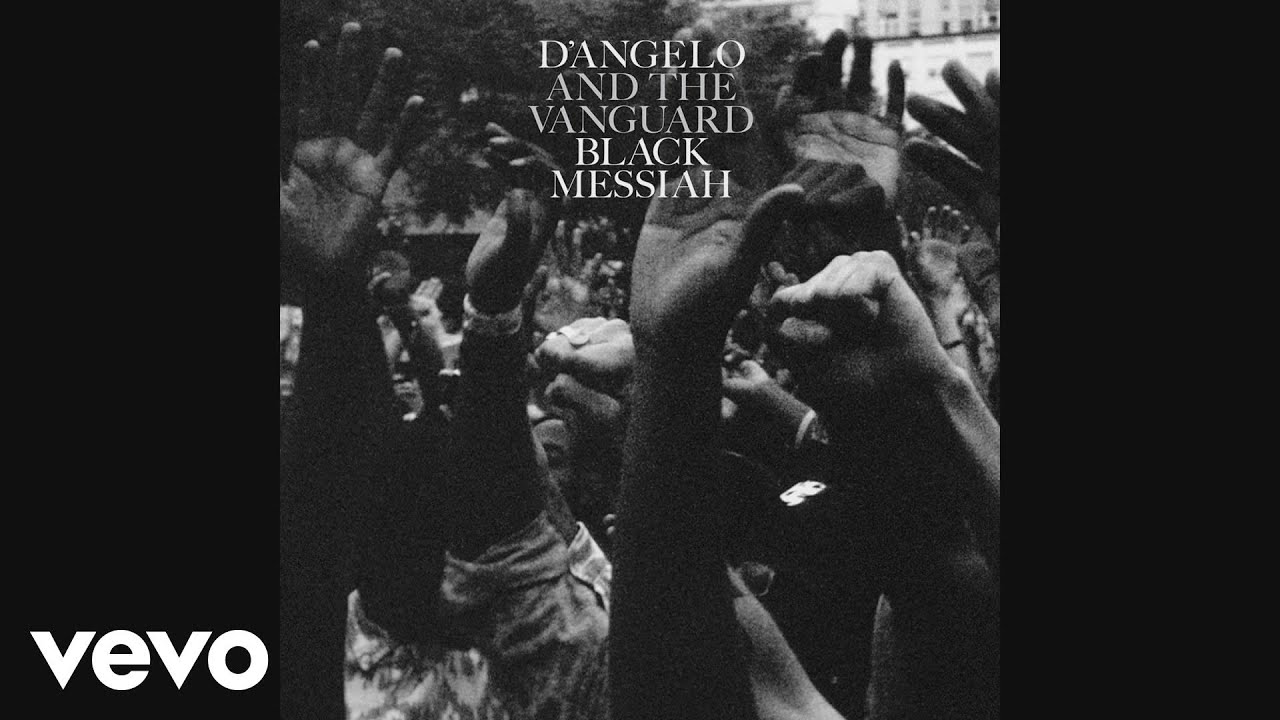
A boundary-pushing R&B singer/songwriter and multi-instrumentalist, D’Angelo released only three albums over the course of his three-decade career, but each proved to be hugely influential.
1995’s Brown Sugar was a central early document of neo-soul – which combined the accessibility and hooks of the R&B and soul classics of the previous generation with a rebellious hip-hop approach – while 2000’s chart-topping Voodoo took those early sonic experiments to dizzying heights. Over a decade in the making, 2014’s Black Messiah was even more radical than its predecessor, but still accessible and charming.
In an extensive, heartfelt eulogy authored for Rolling Stone, Roots drummer and hip-hop icon Questlove, one of D’Angelo’s most consistent creative partners, cited his late friend as “one of the last pure artists in Black music.”
Ace Frehley: The Rock Icon
(Image credit: Ron Pownall/getty Images)
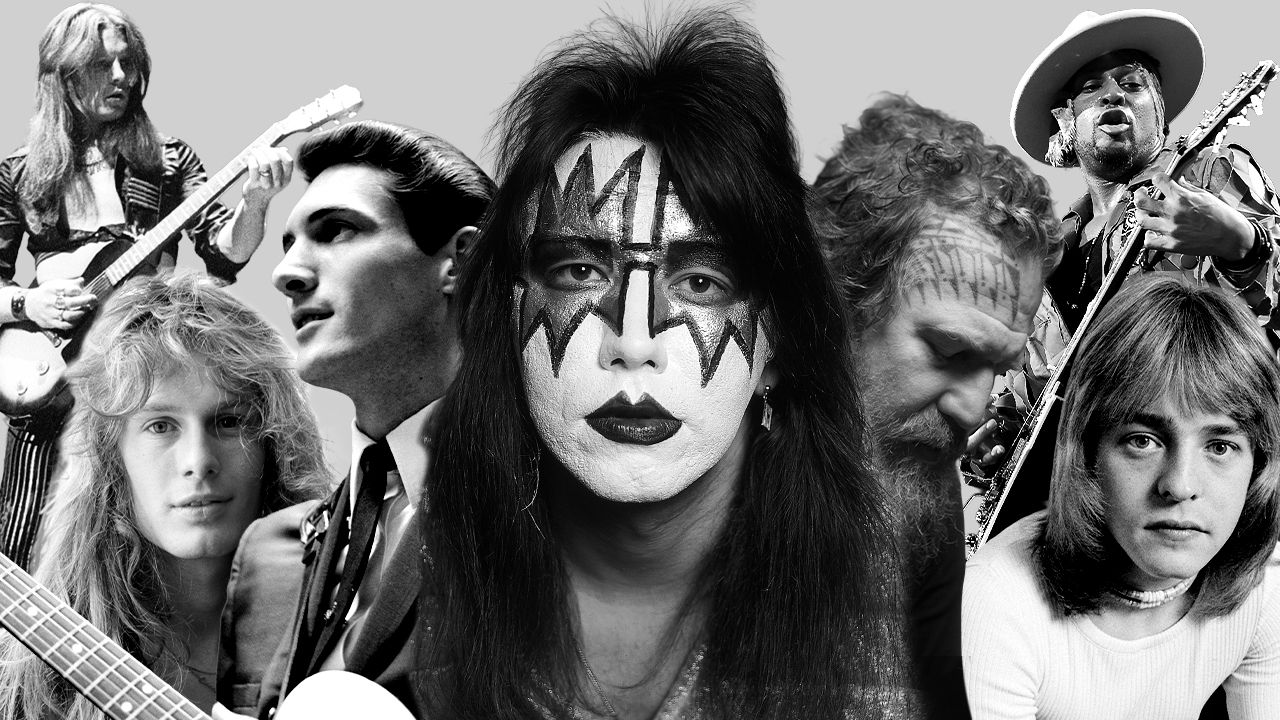
The larger-than-life guitarist whose fiery licks, flashy solos, and outrageous stage antics helped make Kiss a household name, Ace Frehley was an “old school” player who nonetheless set a new bar for guitar showmanship, and inspired untold thousands to pick up the instrument for the first time.
Under the persona of The Spaceman, Frehley - with his similarly makeup-clad bandmates - epitomized Kiss’s blend of unprecedented-for-the-time onstage theatrics (he famously outfitted some of his Les Pauls with a neck pickup that emitted smoke on command) with a straight-ahead hard rock sound.
Though he left Kiss in 1982 (he would later reunite with them from 1996 and 2002), Frehley was – in the view of many guitarists especially – irreplaceable, an integral ingredient of the band’s halcyon days.
Ace Frehley was the embodiment of rock ’n’ roll attitude – unapologetic,loud,and irresistibly catchy
Steve Vai
Frehley was never a technical wizard,(“I’m a sloppy fucking guitar player!”,he shrugged to Guitar World in 2024),but he made the most out of spontaneity and simple ingredients.
Shock Me, a standout from Kiss’s 1977 Love Gun LP, is often seen as the thesis statement of his playing.
Cited by the late Dimebag Darrell as one of his all-time favorite tracks, the song is capped by what Guitar World readers ranked as the 43rd greatest guitar solo of all time, a “greatest hits compilation for the pentatonic scale that distills the first 25 years of American rock guitar into 50 seconds, ready to be plagiarized for the next 25 years.”
Though frehley was unapologetic about not learning guitar by the book, the way he played - with brawn and supreme confidence; carrying himself like a superhero – was a huge inspiration to even the most schooled of players.
“Ace Frehley was the embodiment of rock ‘n’ roll attitude – unapologetic, loud, and irresistibly catchy,” Steve Vai posited. “His riffs had swagger, his tone had bite, and his presence lit up stages like a supernova.
“During my teenage years, his playing inspired me not because it was polished, but because it was gloriously unfiltered and full of life. Ace reminded us all that rock should never apologize for being fun and that a little“`html
The Transformative Power of Music
Music has an extraordinary ability to convey profound human truths and foster inclusivity. It serves as a powerful medium for articulating complex emotions and societal issues, frequently enough inspiring personal transformation that can lead to broader change. Artists who simplify their messages through childlike joy, wordless cries, and nursery rhyme rhythms manage to convey profound adult truths in a relatable manner. Their work encourages us to confront both the light and dark aspects of existence.
Brian Wilson: the Mastermind Behind the Sound
The Beach Boys – Wouldn’t It Be Nice – YouTube
Watch On
Guitarist for the Champs, Dave Burgess played the hearty big-box rhythm work on the band’s cult classic hit, Tequila.
Written by Champs saxophonist Danny Flores, the song was hugely successful, and won the group a Grammy for Best R&B Performance. It also helped spread the sound of what would become loosely known as Latin Rock around the united States.
With its take-a-drink call to arms,the song was inevitably popular with teenagers (less so with adults,of course) and helped keep the nascent rock ’n’ roll genre at the top of the charts through the late ’50s.
“The youngsters loved it, and the parents hated us,” Burgess once said of the song. ”We were the bad guys. we were gonna corrupt their kids with rock & roll.”
Gary “Mani” Mounfield: The Creative Bassist
One of the most vital and creative bassists of his time, Gary “Mani” Mounfield helped push rock into entirely new territory with the club-friendly, grooving basslines he conjured during lengthy tenures in the Stone Roses and Primal Scream.
Though their commercial success in the states was limited, the Stone Roses in particular were enormously successful in their native UK, and were a huge influence to a number of british bands that did make it big across the Atlantic, most notably Oasis.
Not the quickest to dole out praise, Oasis frontman Liam Gallagher called Mani “my hero” on Twitter after his passing. Fellow mid/late-’90s hitmaker Richard Ashcroft, of the Verve, cited him as ”a key element to the band that inspired me to believe I could do this music thing. he had the“`html
the Transformative Power of Music
Music possesses an extraordinary ability to convey profound human truths and foster inclusivity. It serves as a powerful medium for articulating complex emotions and societal issues, often inspiring personal transformation that can lead to broader change. Artists who simplify their messages through childlike joy, wordless cries, and nursery rhyme rhythms manage to convey profound adult truths in a relatable manner. Their work encourages us to confront both the light and dark aspects of existence.
Dave burgess: The Rhythm Behind the Champs
Dave Burgess, the guitarist for the Champs, was instrumental in crafting the iconic rhythm for their cult classic hit, Tequila. this track, penned by saxophonist Danny Flores, achieved remarkable success, earning the group a Grammy for Best R&B Performance and playing a pivotal role in popularizing what would later be recognized as Latin Rock across the United States.
With its catchy call to action, the song resonated particularly well with teenagers, while adults were less excited. Burgess reflected on this dichotomy, stating, “The youngsters loved it, and the parents hated us. we were the bad guys. We were gonna corrupt their kids with rock & roll.”
Gary “Mani” Mounfield: The Creative Bassist
Gary ”Mani” Mounfield emerged as one of the most influential and innovative bassists of his era, pushing the boundaries of rock music with his infectious grooves during his time with the Stone Roses and Primal Scream. While the Stone Roses may not have achieved significant commercial success in the United States,they were immensely popular in the UK and inspired numerous British bands,including Oasis,who found international fame.
Oasis frontman Liam Gallagher, known for his selective praise, referred to Mani as “my hero” on Twitter following his passing.Similarly, Richard Ashcroft of the verve acknowledged him as a crucial influence, stating, “He had the style, the swagger, and the sound, but most importantly a warm heart.”
Steve Cropper: The Unsung Hero of Soul
(Image credit: David Redfern/Redferns/Getty Images)
Steve Cropper, the legendary guitarist associated with Stax Records and the instrumental group Booker T. & the MG’s, was a pivotal figure in shaping American music during the 1960s. As a member of the Stax house band,Cropper established the foundation for R&B and soul guitar playing. His approach was characterized by rhythm and groove rather than flashiness, contributing to the success of artists like Otis Redding, Sam & Dave, and Wilson Pickett.
Cropper’s extensive credits read like a greatest hits compilation of American music from that era. He was instrumental in the creation of Green onions by Booker T. & the MG’s and played a key role in the production of Otis redding’s iconic (Sittin’ On) The Dock of the Bay,as well as the original version of Respect,which Aretha Franklin later transformed into a timeless classic.
Otis Redding – (Sittin’ On) The Dock Of The Bay (Official Music Video) – YouTube
Watch On
A master luthier, ken Parker created the Parker Fly, a futuristic electric guitar that found favor with a number of high-profile players.
Eddie Van Halen tried one out onstage, Matt Bellamy had one in his arsenal during the early days of Muse, and Joni Mitchell used one for her dramatic return to live performance in 2023.
Most notable for its striking double-cut body design, the Parker Fly was also incredibly lightweight and playable, and outfitted with cutting-edge electronics.
The guitar’s most devoted high-profile endorser was former King Crimson vocalist/guitarist Adrian Belew, who once said, “I felt like Ken parker had taken 20 years to eliminate all the problems you have with electric guitars; the tuning, the neck, the frets wearing out. Everything that normally can go wrong with a Fender or gibson.”
In an emotional note posted to social media after Parker’s passing,Belew wrote,”I cannot thank you enough for your incredible Parker Fly design.Your genius changed my life. Thank you.”
John Lodge: The Heart of the Moody Blues
The Moody Blues – I’m Just A Singer (in A Rock And Roll Band) – YouTube
Watch On
A master luthier, Ken Parker created the Parker Fly, a futuristic electric guitar that found favor with a number of high-profile players.
Eddie Van Halen tried one out onstage, Matt Bellamy had one in his arsenal during the early days of Muse, and joni Mitchell used one for her dramatic return to live performance in 2023.
Most notable for its striking double-cut body design, the Parker Fly was also incredibly lightweight and playable, and outfitted with cutting-edge electronics.
The guitar’s most devoted high-profile endorser was former King Crimson vocalist/guitarist Adrian Belew, who once said, “I felt like Ken Parker had taken 20 years to eliminate all the problems you have with electric guitars; the tuning, the neck, the frets wearing out. Everything that normally can go wrong with a Fender or Gibson.”
In an emotional note posted to social media after Parker’s passing, Belew wrote, ”I cannot thank you enough for your incredible Parker Fly design. Your genius changed my life. Thank you.”
John Lodge: The Heart of the Moody Blues
The Moody Blues - I’m Just A Singer (In A Rock And Roll Band) – YouTube
Watch On
Honoring the Legends: A Heartfelt Tribute to the Guitarists We Lost in 2025
Honoring the Legends: A Heartfelt Tribute to the Guitarists We Lost in 2025
Remembering the Icons
2025 was a year marked by the loss of several iconic guitarists who shaped the music landscape. Their contributions to various genres have left an indelible mark on fans and fellow musicians alike. Here, we pay tribute to these legends, celebrating their lives and the music they created.
1. Brent Hinds
Brent Hinds,the fearless guitarist of Mastodon,was known for his unique style that blended metal with unexpected influences,including country.His innovative approach to guitar playing helped redefine the genre, making him a standout figure in the metal community.
Notable Works:Blood Mountain, Crack the Skye
Legacy: Hinds’ contributions to Mastodon have inspired countless guitarists to explore new musical territories.
2. D’Angelo
D’Angelo was not just a vocalist but also a skilled guitarist whose work in the neo-soul genre has influenced a generation of musicians. His albums,including Voodoo and Black Messiah,showcased his ability to blend R&B with intricate guitar work.
Influential Tracks:Brown Sugar, Untitled (How Does It Feel)
Impact: D’Angelo’s innovative sound has paved the way for modern R&B artists.
3. Steve Cropper
As a member of Booker T. & the MG’s, Steve Cropper was instrumental in crafting the sound of Southern soul. His guitar work on classics like (Sittin’ On) The Dock of the bay remains timeless.
Collaborations: Worked with Otis Redding, Sam & Dave, and many more.
Recognition: Inducted into the Rock and Roll Hall of Fame for his contributions to music.
Table of Legends Lost in 2025
Name
Notable Works
Influence
Brent Hinds
Blood Mountain, Crack the Skye
Redefined metal guitar with unique influences.
D’Angelo
Voodoo,Black Messiah
Influenced modern R&B with intricate guitar work.
Steve Cropper
(Sittin’ On) The Dock of the Bay
Crafted the sound of Southern soul.
Case Studies: The Impact of Their Music
Brent hinds and Mastodon
Mastodon’s music, particularly under Hinds’ influence, has been pivotal in the evolution of progressive metal. Their album Crack the Skye is often cited as a benchmark for complex songwriting and musicianship.
D’Angelo’s Neo-Soul Revolution
D’Angelo’s work has not only influenced artists in R&B but has also crossed over into hip-hop and jazz, showcasing the versatility of his guitar skills.His album Voodoo is frequently referenced in discussions about the best albums of the 2000s.
Practical Tips for Aspiring Guitarists
Learning from the legends can provide invaluable insights for aspiring guitarists. Here are some practical tips:
experiment with Styles: Like Hinds, don’t be afraid to blend genres.
Focus on Groove: Take a cue from Cropper and prioritize rhythm in your playing.
Embrace Emotion: D’Angelo’s music teaches us to infuse our playing with genuine feeling.
First-Hand Experiences
Many musicians have shared their experiences of being influenced by these guitarists.As a notable example, guitarist Joe Bonamassa has frequently enough cited Cropper as a major influence on his own playing style, emphasizing the importance of groove and melody.
Join the Beatbounty Community
As we honor these legends, we invite you to become part of the beatbounty platform. Create an account today and submit your own ads to connect with fellow musicians and music lovers. Share your journey and keep the spirit of these great guitarists alive!













![Mastodon - Divinations [Official Visualizer] - YouTube](https://img.youtube.com/vi/RTSbcPeV5yA/maxresdefault.jpg "Honoring the Legends: A Heartfelt Tribute to the Guitarists We Lost in 2025 65")