Follow us
Add us as a preferred source on Google
Regular readers will know how much I love a trio format – it puts the guitar front and centre and focuses our attention on what we’re contributing in terms of harmony, melody and rhythm.
The bass guitar can imply a lot in harmonic terms, but on this backing track it plays a largely supportive role. A major blues such as this can be something of a challenge to those who think purely in terms of the minor pentatonic/blues scale, but there are a couple of ways round this.
One method is to look up the major pentatonic shapes. If you haven’t done this before, you’ll be delighted to find they are basically identical to the minor pentatonics (albeit numbered differently) and will instantly give you much more of a vocabulary in a major context.
Latest Videos FromGuitar World
As with so many patterns and scales on the guitar fretboard, it’s really a case of looking at the shapes we already know differently, rather than learning an endless succession of new and more complex ones.
Another idea is to look at the basic chord structure of a piece and check for where the notes in a given chord fall within scales and patterns such as the pentatonics. The example solo will provide some useful material to explore this concept.
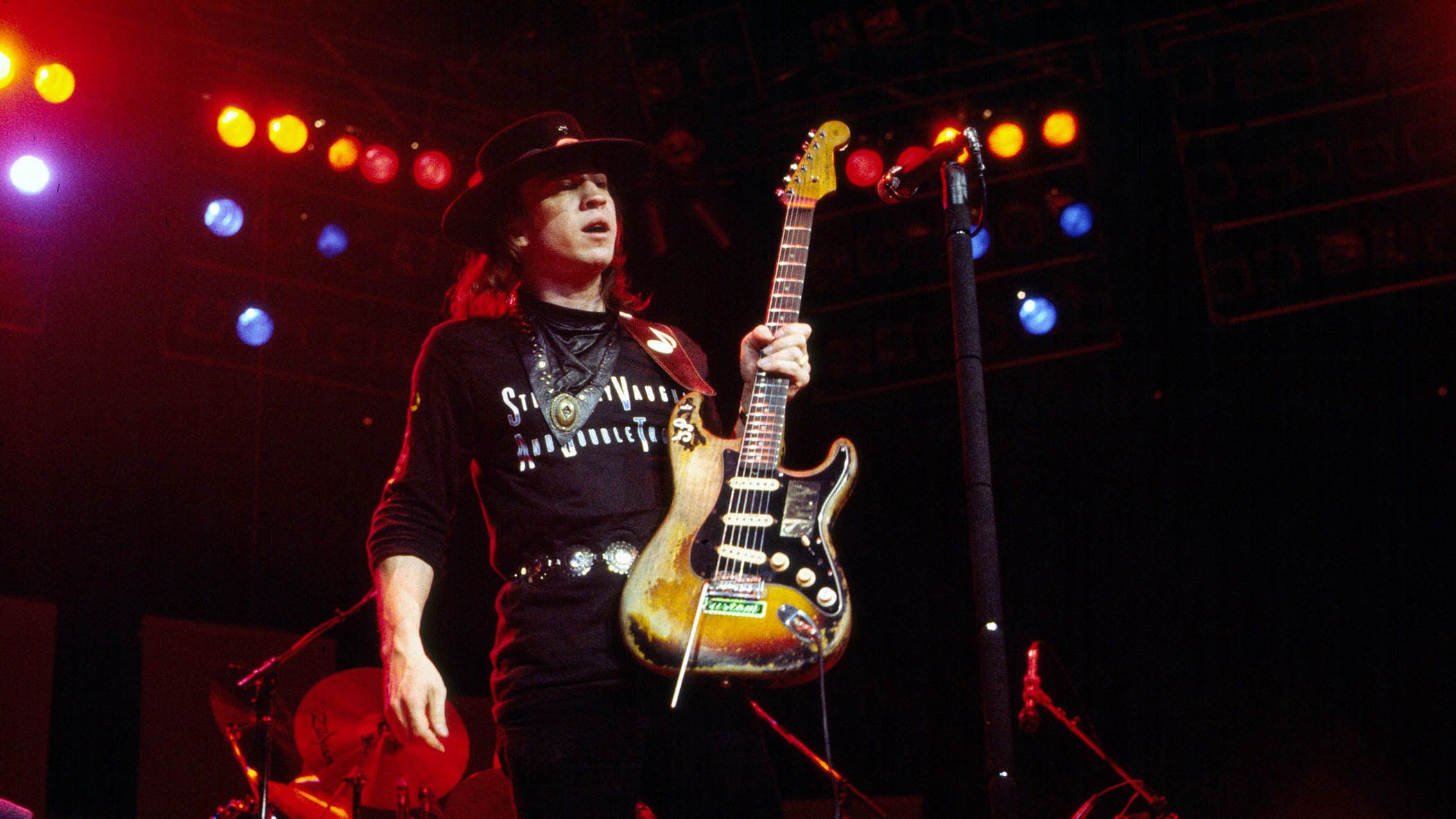
The solo/examples take inspiration from Robben Ford, SRV, John Mayer and Jimi Hendrix – and probably others subconsciously, too. It combines the traditional roles of ‘rhythm’ and ‘lead’ guitar, taking ideas from each.
In a real-world musical scenario, you may find there are parts of a song or instrumental where you want to get louder/busier, or alternatively drop right down, perhaps even stop playing completely for a couple of bars for dynamic effect.
However, that does go a little beyond the scope of this article… Hope you enjoy and see you next time!
Watch On
Example 1

After a brief pickup using doublestops, this opening phrase stays close to the chord progression, with a few embellishments. Note the contrasting ringing and staccato chords: watch your timing with these and aim to come down with the snare hit.
The only recognisably pentatonic lick after the intro comes at the end of bar 2, where we straddle a couple of positions to frame the C# diminished chord.
To finish, we move on to some sliding chromatic passing chords. No need to overthink these; they’re an embellishment that doesn’t need to relate strictly to the backing chords.
Example 2

Starting with a Hendrix-style doublestop, we then get a little more complex in this second example. The SRV/John Mayer-style lick in bar 2 relies heavily on raking upwards across the strings.
Check out the video for extra hints on that technique. We move on to borrow from Little Wing and SRV’s Riviera Paradise (and Lenny) for the final two bars.
Note how the pentatonic lick in bar 4 almost perfectly outlines a Bm7 chord. Liberal ‘shimmer’ from a vibrato/tremolo is desirable but only optional!
Example 3

This final example is built almost exclusively around the chord shapes implied by the backing track. Again, there’s plenty of wobble from the bar, but this isn’t essential.
After some nice jazz/blues chord shapes in the first two bars, the ascending triads in bar 3 pick up the pace, spelling out the G7-G/B-C and C# diminished suggested by the bass, before finishing with a D7#5#9 chord inspired by Robben Ford’s Worried Life Blues.
Hear it here
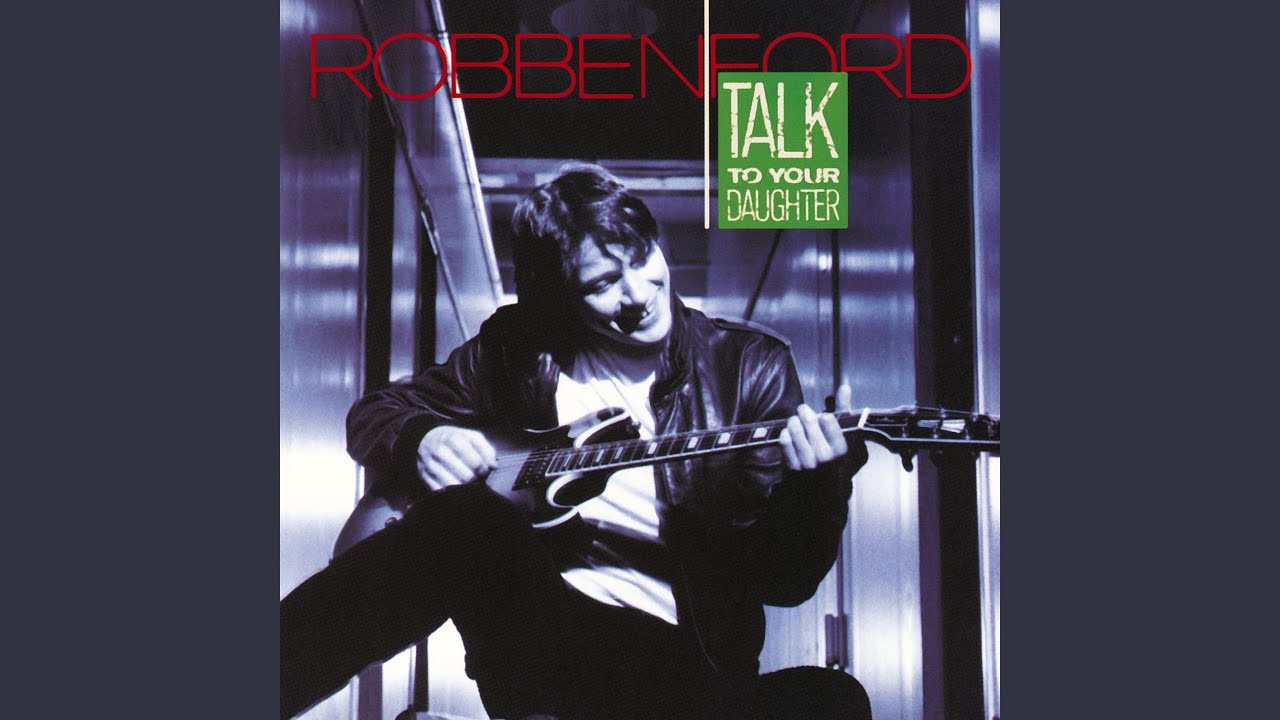
Robben Ford – Various
Watch On
As already mentioned, the final chord of the example solo was lifted from Worried Life Blues (albeit in a different key), which features on Robben Ford’s Mystic Mile album.
Robben is great at incorporating interesting jazzy chords and phrases into his music – have a listen to Ain’t Got Nothin’ But The Blues from his Talk To Your Daughter album. Finally, check out the solo phrasing on the track Help The Poor from the same album, a slightly different tone and style
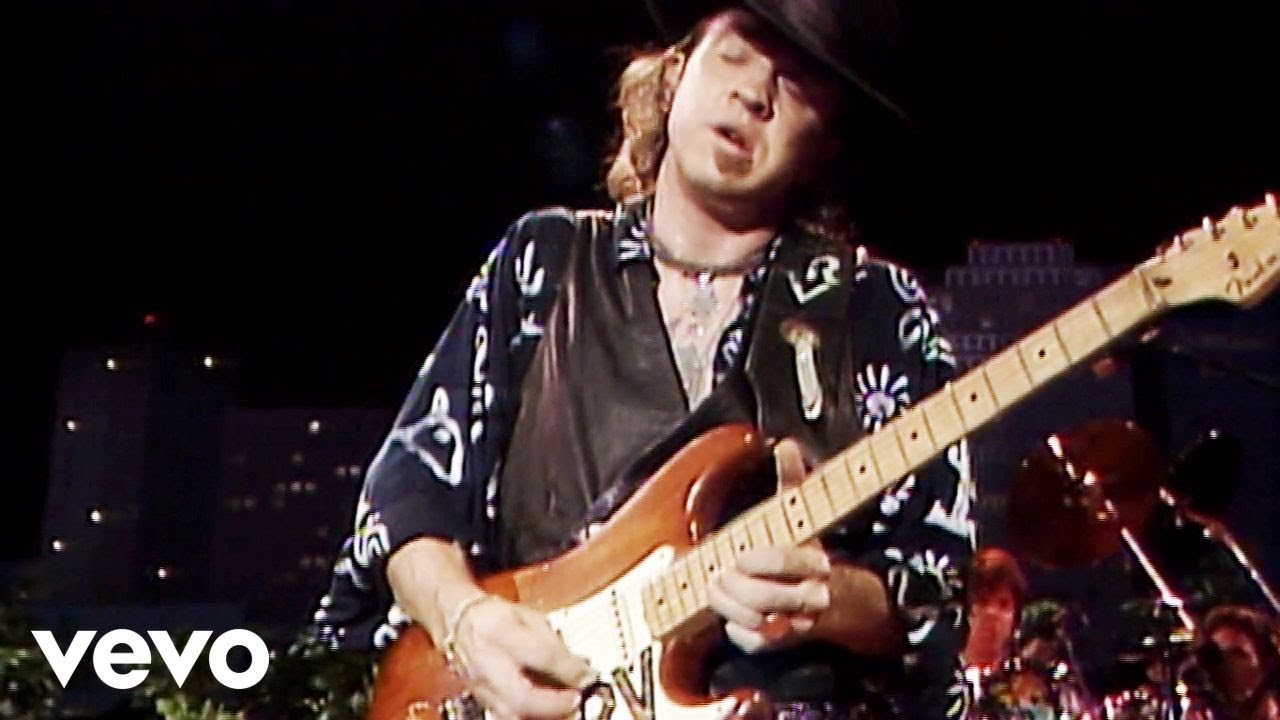
Stevie Ray Vaughan And Double Trouble – Various
Watch On
The two most obvious candidates for mentioning here are Lenny from the album Texas Flood, and Riviera Paradise from In Step, with their jazzy chords and doublestops.
We’d also suggest searching out any live versions you can find, as there’s nothing like being able to see how an artist works on the fly. The Live At The El Mocambo album is particularly recommended. Elsewhere, be sure to check out the title track of Texas Flood!
John Mayer – Various
John Mayer has experimented with many musical styles over the course of his career, but he is particularly well known for his ability to channel Stevie Ray Vaughan/Hendrix-style rhythm and fills.
The album Where The Light Is gives a great overview of his acoustic and electric playing, offering up a few well-chosen cover versions along with his own material. Also, check out Try!, another live album, this time by the John Mayer Trio, featuring tracks such as Gravity and Out Of My Mind.