James Petralli: The Sonic Alchemist Behind White Denim’s Unique Sound
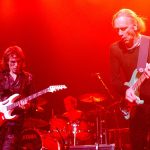
James Petralli, the creative force and founding guitarist of White Denim, stands out as a true innovator in the music scene. As the only constant in a band known for its rotating lineup of remarkable talent, Petralli’s approach to guitar is nothing short of plunderphonic. His style is a rich tapestry woven from influences as diverse as Frank Zappa, psychedelic rock, funk, jazz, soul, and progressive rock, all delivered with an electrifying burst of raw energy.
Reflecting on his teenage years, Petralli shares, “I was completely consumed by the guitar, but I wasn’t drawn to the technical prowess of players like Yngwie Malmsteen. I admired Hendrix, but I lacked the patience to refine my technique.” He continues, “I learned a few essential songs like Blackbird, Malagueña, and Bad to the Bone, and within just three months of picking up the guitar, I felt equipped for a lifetime of playing.”
This doesn’t imply that Petralli’s growth as a musician halted at that point; rather, he has charted his own path. From the garage rock energy of early tracks like Let’s Talk About It to the wah-infused drama of All Consolation and the country-funk vibes of Come Back, his evolution is evident. His intricate rhythmic style constructs awe-inspiring musical landscapes from simple elements, all while maintaining a distinctive tone.
“I had an unbelievable guitarist working with me recently who had to learn all the parts I created, and he pointed out something interesting: I’m a chronic nail-biter,” Petralli chuckles. “I have thes calloused fingers, and he said that’s a significant part of my sound. I don’t use a pick, and I bite my nails to the point of bleeding…”
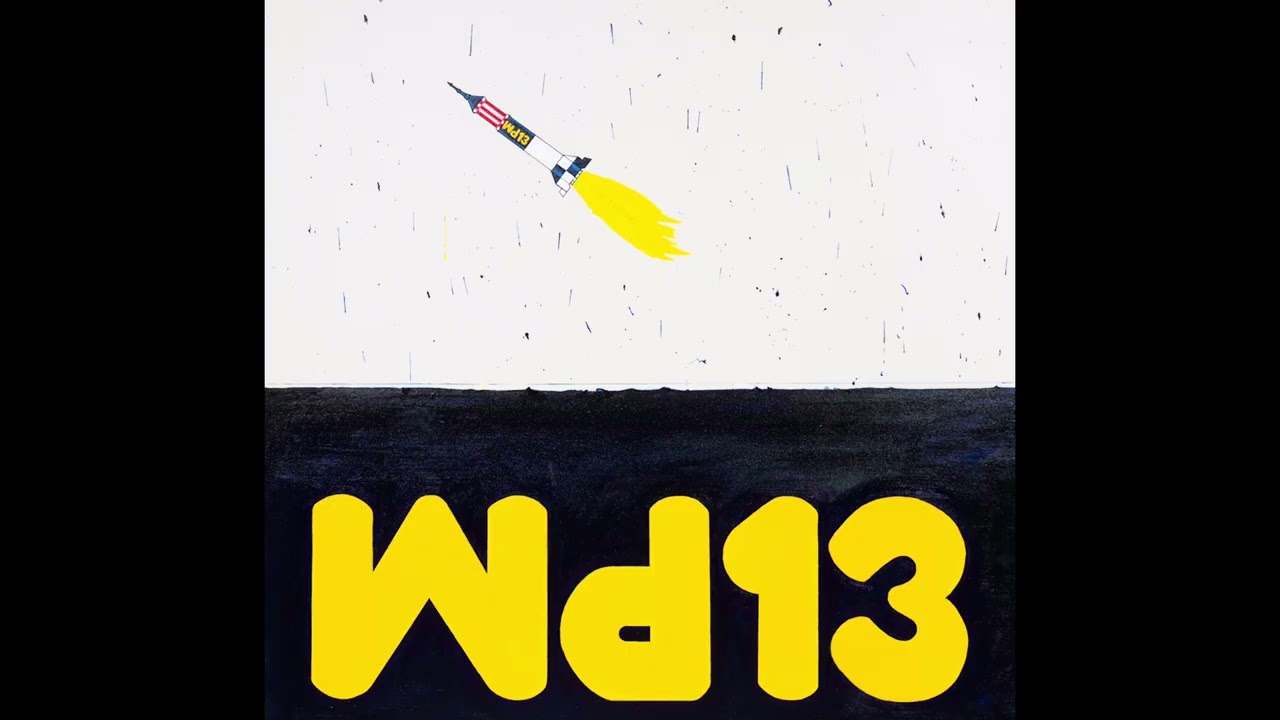
As he gears up for the release of White denim’s 13th album, aptly titled 13, which promises to be both confidently bold and irresistibly catchy, we delved into his experiences as a ‘working-class musician’ in 2026, the generosity of fellow guitarist Nels Cline, and the insights that led him to create his sonic “laboratory” in a compact garage in Los Angeles.
Exploring Technique and Tone
When discussing his technique, Petralli emphasizes his use of legato playing. “I play really loud but don’t fight against it. I keep my touch light while cranking up the volume. For White Denim, I tend to stick to the bridge pickup, irrespective of the guitar I’m using. In the early days, I loved using a cocked wah pedal that would constantly feed back, creating a very edgy, mid-forward tone that defines my sound with the band.”
“I have a deep love for fuzz and sounds that seem to malfunction. I also enjoy using gates in my signal chain to create abrupt stops in sound,” he adds.

Crafting Unique Sounds
Petralli explains, “I enjoy finding the sweet spot where I need to push just a bit harder than usual to get through a passage. That sensation is exhilarating. It stems from one of my first pedals, a Z.Vex Fuzz Factory, which opened my eyes to the beauty of chaotic sounds that emerge when the gate opens and then abruptly closes. This rhythmic approach compels me to stay tight with the music.”
“I’ve been blessed to collaborate with incredible drummers. The real excitement comes from locking in with the rhythm section and truly engaging with the drummer’s groove.I aim to create music that inspires my fellow musicians; that remains my ultimate goal.”
The track Time Time encapsulates the challenges of balancing music with family life,a theme many can resonate with. ”the pandemic taught me valuable lessons about arranging my life to tour when it suits my partner. We restructured our family dynamics,which was beneficial for me. My ego certainly needed a reality check…”
“I then took a job in los Angeles as a stunt vocalist for a TV show centered around a rock band. It was a fantastic experience, performing in a beautiful studio without the heavy burden of expectation.”
This role transformed his perspective on how he could contribute to music. “It prompted my move to LA. I dismantled my commercial studio in Austin, and now everything is crammed into a one-car garage, resembling a laboratory. I dedicate my time there every day after dropping the kids off, working on new projects until it’s time to pick them up.”
“I’m also involved in projects where I replace parts originally written by AI. It presents a moral dilemma for me, as I find it troubling, but the union pay allows me to continue pursuing my artistry. I identify as a working-class musician.”
Gear and Inspirations
When it comes to his gear, Petralli favors smaller amplifiers. “I have a collection of Silvertones and a ’60s Vibro Champ that I frequently use.I’m also fond of Supro and old Valco amps. For cleaner sounds, I rely on a blonde Bassman from the ’60s, but my go-to remains the Silvertones.”
“In the studio, I don’t use many pedals anymore.If I need effects, I have an Echoplex on hand. For delay, I utilize a Lexicon PCM42, and I often experiment with cassette effects. my main console is a vintage Siemens desk from the ’60s, reminiscent of the EMI gear from that era. Pushing it to its limits produces the best fuzz tones.I often record direct sounds, which contribute to the overall colour of my music.”
“On the album, there’s a track called Chew Nails where I stumbled upon a technique out of sheer laziness. Instead of comping the vocals, I sent my best three takes through a single compressor together. The guitar part in Chew Nails features three guitar lines vying for dominance through the same compressor, creating a unique phasing effect that feels just right. This approach is closely tied to that Z.Vex gated sound – a blend of competing sounds striving to rise above the mix.”
Guitar Collection and Gear Hunting
Petralli’s guitar collection is extraordinary. “I have a 1973 Gibson ES-335 that I adore, even if I don’t feel worthy of playing it. I also own a ’64 330, reminiscent of the sound Grant Green achieved. It’s similar to John Lennon’s Casino but features a Maestro vibrato. I love how it sounds, even if it goes out of tune easily on stage – that’s where phasers and flangers come into play!”
“My primary guitar is a ’69 Gibson SG, also equipped with the Maestro system. I take it on tour,and I’d be devastated if the neck broke. It took me a long time to finaly acquire one, but I bought it alongside the blonde Bassman on the same day, marking a significant milestone in my journey as a guitarist. I recently added a ’64 Coronet Epiphone to my collection, which boasts a phenomenal P-90 pickup.”

Finding Vintage Gear
Petralli shares his journey into vintage gear hunting, stating, “I became interested in this world when eBay was still a thing. Reverb has substantially influenced the value of vintage equipment. Nowadays, I wouldn’t be able to afford my collection without it. Moast of my gear was purchased in non-working condition, and I was fortunate to have Jim Vollentine, the producer and engineer for many of our records, guide me.”
“He runs a company called Coil Audio and is both a brilliant producer and an electrical engineer. He taught me what to look for and how to restore it.”
“I’ve bought several pieces that were broken for around $300, and now thay’re worth ten to twenty times that amount in working condition. The key is to ‘buy broken.’ If you truly want something, don’t shy away from purchasing it in need of repair. Though, many skilled technicians are aging or becoming expensive, like those at Sound Gas in England.There are also a few talented individuals on Instagram.”
Encounters with Guitar Legends
Petralli recounts a memorable encounter with bass legend Larry Graham,known for his innovative slap bass technique.”Meeting him in an airport in Brazil was surreal. He was incredibly generous and even sang a bit of Let Me Hear It From You a cappella for me, despite not having performed it in 40 years.He’s one of my all-time favorite singers.”
“I also had the pleasure of spending time with Nels Cline, a true master of creativity. We toured with Wilco for six weeks, which was a challenging but rewarding experience.”

“Opening for a band with such a dedicated fanbase can be daunting. During a challenging show, I glanced over to see Nels Cline, one of the greatest guitarists in rock history, watching from the side of the stage. That moment was truly special.”
“Jeff Parker,a neighbor of mine,has also been a significant influence. Before I even picked up the guitar, tortoise’s album TNT inspired me immensely. Now, I run into him at the hardware store, and I still feel starstruck! The last time we met, he reassured me, saying, ‘Hey, James, it’s okay. You can relax a little bit.’ I replied,’Oh man,it’s great to see you,Mr. Parker.’”
The Guitar’s Role in Life
Reflecting on the importance of the guitar throughout his career, Petralli states, “It has anchored me in life. Initially, it served as a shield for my anxiety, a means to draw positive attention and find comfort. It has provided me with a sense of purpose. The more I engage with music, the more I heal. At this stage in my life, the practise and creation process feels even more restorative.”
“Despite what the world may suggest, I hold a firm belief in the value of music – it’s almost sacred. When I play, I strive to treat it as spiritual medicine. I aim to be genuine in my creative process and attentive to the music. I create to heal myself and support my family. It’s a complex journey,but my passion for music remains unwavering.”