Luke Bentham: from Vatican Cease-and-Desist to the Raw Power of The Dirty nils New Album
When luke bentham checked his mailbox, he never anticipated discovering a letter on Vatican stationery. Yet, as he and his bandmates from The Dirty Nil were gearing up for their sixth studio album, the upcoming The Lash set for release in 2025, they received an unexpected cease-and-desist notice from the Holy See.
Intent on creating cover art that matched the ferocity of their high-octane hard rock sound, Bentham and his band were taken aback when the vatican denied their request to use a photograph he had taken of a bronze relief titled “the Horrors of War.” In response, they turned to an illustrator to bring their artistic vision to life.
“their legal team is no joke,” Bentham chuckles. “I think that’s a career highlight for me.”
Fortunately, the raw energy and stark arrangements that characterize The Lash remained intact despite the Vatican’s scrutiny. The album was recorded swiftly, with the band opting for a more spontaneous approach rather than getting bogged down in endless takes or excessive production techniques. Bentham, who drives the band’s guitar and melody, felt a unique sense of momentum and liberation during the sessions. “This one just felt different,” he reflects. ”It’s the most enjoyable time I’ve had in the studio.”
Feeling inspired,Bentham brought forth riffs that were grittier than ever before. The band found themselves heavily influenced by the Jesus Lizard, with Bentham diving deep into Duane Denison’s intricate guitar work.
Tracks emerged from lengthy jam sessions where time seemed to vanish. The music for the album’s opener, Gallop of the Hounds, came together so rapidly that Bentham had to return later to pen the lyrics after the arrangement was already solidified.
This creative process marked a departure from their previous method, where they would develop acoustic sketches into full-blown anthems.This time, if a song had a quieter vibe, like Spiders or this Is Me Warning Ya, they embraced that stillness.Conversely, if a track felt aggressive, they cranked it up to eleven.
Part of this evolution stemmed from Bentham’s changing perspective on the role of the guitar in rock music. “There’s not a lot of shredding on this album,” he points out. Instead, the focus shifted to crafting “apocalyptic, cacophonous moments” as a cohesive unit.
However, he didn’t entirely abandon his signature flair for guitar theatrics. “Rest assured,” he assures, “there are a few tracks where I really make the most of the entire fretboard.”
“The guitarists barely holding onto control as they navigate tight corners at high speeds are my favourite players.”
His influences align perfectly with this beliefs. Bentham’s guiding light is pete Townshend, and he regards The Who’s iconic Live at Leeds as the pinnacle of electric guitar performance.
while he channels Townshend’s swagger, his emotional core resonates with James Williamson from Raw Power, whose riffs he considers his all-time favorites. Bentham is drawn to bands that sound like they’re “on the verge of falling apart,” citing the Stooges and the Replacements as prime examples.
“Anything that can peel paint off the walls,I’m all in,” he declares,”especially if it features a gritty right-hand technique in the guitar playing. Those are the players I admire most.”
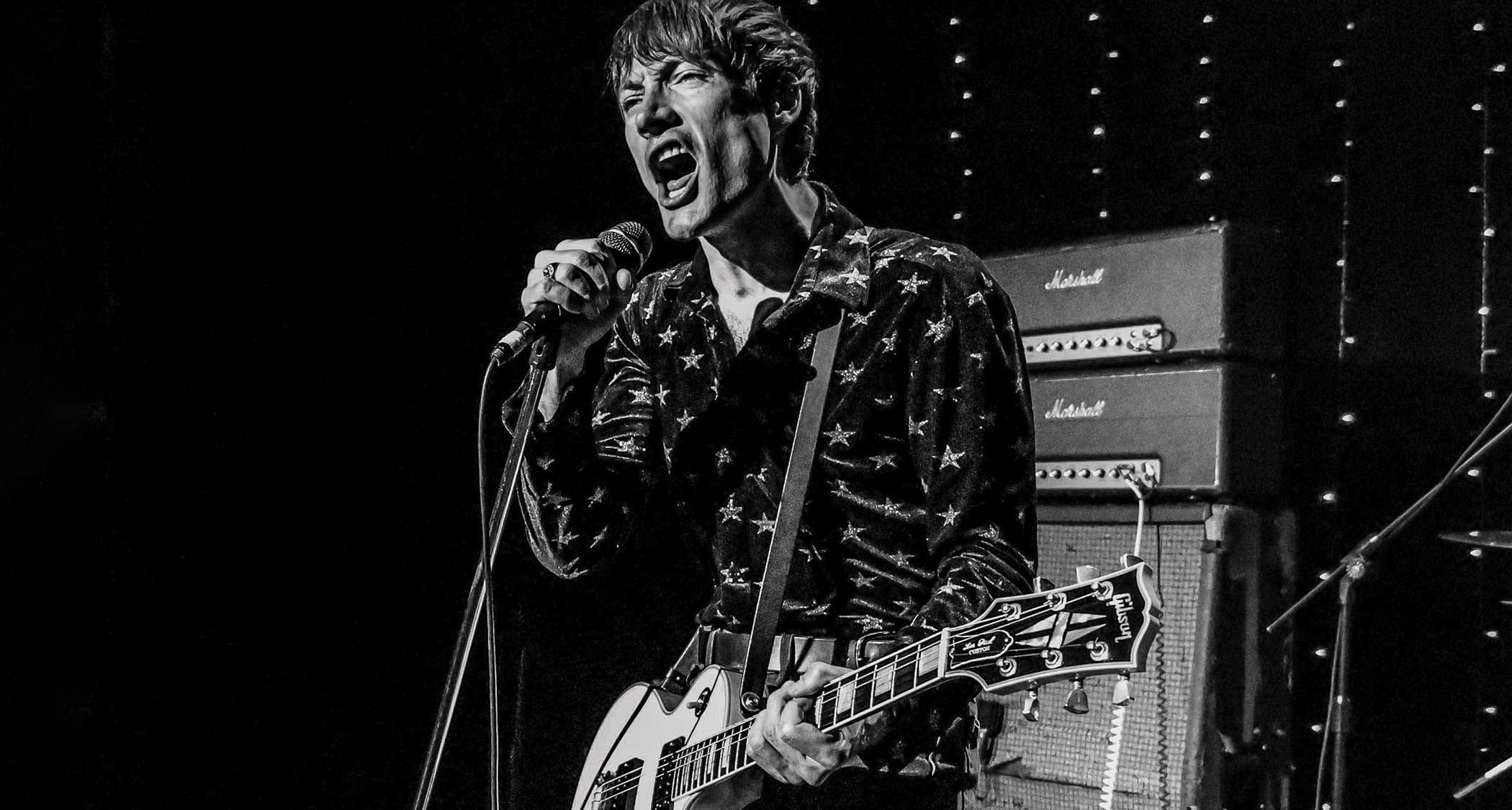
This passion for raw sound dates back to his early twenties when he became enamored with Raw Power, the legendary 1973 album by Iggy and the Stooges. “I became completely obsessed,” he recalls. “I told myself, ‘I’m getting a Les Paul Custom, and that’s going to be my guitar for life.’ So far, so good. It’s been about 14 years of exclusively playing a Les paul Custom, and I cherish every moment.”
Bentham’s gear setup is equally straightforward. He is a fervent advocate for the ProCo Rat pedal, even keeping a stash of LM308 chips to modify new pedals for enhanced output, reduced gain, and a broader filter sweep.
he prefers to keep the distortion low, allowing the volume knob to do most of the heavy lifting. “there’s so much clarity potential in a Rat,” he explains.
Rather than the fuzzed-out chaos many players seek, he aims for a sharp articulation that resonates at stadium levels.
For the Lash, Bentham utilized an A/B box to split his Les Paul’s signal between his Marshall plexi rig (with the Shining cap removed from the Treble side) in the live room and a 5-watt Supro in the control room, paired with a Rat pedal.
Sitting beside the smaller amp, he coaxed feedback with the precision of a craftsman.”I was playing the Rats as much as I was playing the guitar,” he notes.
Unlike his idols, whose internal conflicts often sparked their most significant creative breakthroughs, Bentham draws inspiration from the simple joy of rocking out with friends. “I don’t subscribe to the notion that tension creates great rock records,” he asserts. “I believe the best music happens when you’re not overthinking it and just letting it flow. I still get that same thrill when I bring in a riff that I can’t wait to share with Kyle [Fisher, drummer], and we just let loose.”