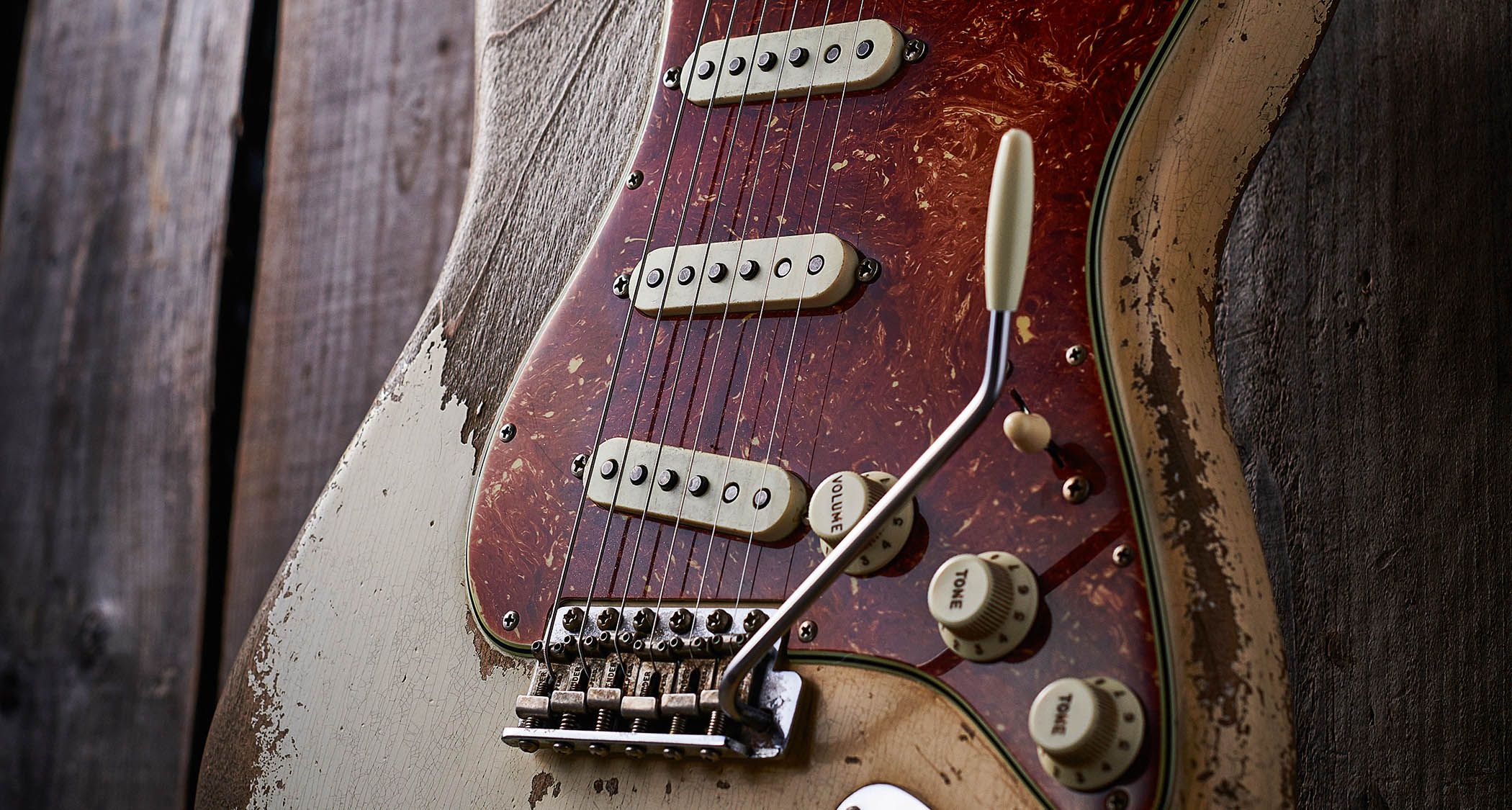
The Intricate Craft of Relic’ing: Unveiling the Secrets Behind Fender’s Aged Guitars
It doesn’t take much to ignite a passionate debate among guitar enthusiasts, but one topic that can certainly spark heated discussions is the practice of relic’ing electric guitars. This technique, which involves artificially aging a guitar’s finish, can turn a friendly gathering into a battleground of opinions.
For some, the notion of a pre-worn finish is akin to sacrilege, ranking alongside the cardinal sin of failing to mute your guitar while tuning. Conversely, others find the aesthetic of a relic’d guitar undeniably appealing.
Is Relic’ing Just a Quick Fix?
While many may have strong opinions on the matter,one might wonder if relic’ing is simply a matter of tossing a guitar onto the pavement and dragging it around. However, this couldn’t be further from the truth. In a recent conversation with Guitarist, Fender’s chief Product Officer, Max Gutnik, shed light on the meticulous process behind creating these aged finishes, emphasizing that it requires years of expertise from Fender’s skilled luthiers.
“Relic’ing is a complex art,” Gutnik explains. “It’s ironic that some believe you can just drop it a few times and call it a day. In reality, it’s a labor-intensive process that adds significant hours to the guitar’s creation.”
The Challenge of Authentic Aging
One of the most challenging aspects of relic’ing is achieving a natural appearance of wear. Every guitarist plays differently, and the wear patterns on a guitar can vary dramatically. For instance, the way John Frusciante’s Stratocaster has aged is distinct from Mike McCready’s, showcasing the individuality of each instrument.
“Creating a non-uniform relic job is crucial,” Gutnik continues. “Our techniques have advanced significantly; we aim to replicate the feel and look of a well-loved guitar without compromising its playability.”
Fender’s Evolving Craftsmanship
Fender’s Ensenada, Mexico facility has become a pivotal part of the brand’s evolution. Once primarily a production site for budget-friendly guitars, it has transformed into a hub of high-quality craftsmanship, producing some of Fender’s most sought-after models.
“Ensenada has evolved into a premier factory,” Gutnik notes. “thirty years ago, it served a different purpose, but now we’re creating extraordinary guitars like the George Harrison Rocky and the Jimmy Page Dragon at a level we’ve never achieved before.”
The factory is also responsible for developing fender’s new Road worn finishes,which feature lightly aged nitrocellulose that reduces shine and adds a touch of character to the guitar.
The Practicality of Pre-Aged Guitars
Gutnik argues that there’s a practical side to opting for a pre-relic’d guitar. While traditionalists may insist on the necessity of aging a guitar through personal use, many players simply don’t have the luxury of time. Achieving the battle-worn look of legends like Gary moore or Rory Gallagher could take years of touring, which isn’t feasible for everyone.
A relic job provides a head start, allowing players to enjoy a guitar that feels cozy and familiar right from the start. “It’s akin to buying a pair of pre-washed jeans,” Gutnik explains. “They’re already broken in, yet they’ll continue to evolve with your personal touch.”
“With nitrocellulose lacquer, you can start the aging process without waiting decades. Our goal is to ensure that the guitar feels fantastic right out of the box,” he adds.
For a deeper dive into this interesting topic, check out the latest issue of Guitarist available at Magazines Direct, featuring the full interview with Gutnik.
as for authentically aged guitars, a select group of Fender Masterbuilders recently shared insights into why some vintage instruments exhibit such significant wear, and surprisingly, it’s not solely due to acidic sweat.