
Paul Gilbert’s New Album: A Musical Journey Through History
“What could be more conceptual than this?” Paul Gilbert muses, reflecting on his latest solo project, WROC. ”It’s as conceptual as it gets, but I hope that with each listen, the music will overshadow the concept, much like the scaffolding of a stunning structure fades away.”
Indeed, WROC-an acronym for “Washington’s Rules of Civility”-is a delightfully eccentric concept album. It draws inspiration from a 16th-century French etiquette manual that George Washington famously transcribed as part of his penmanship practice.
“The book I referenced is an English translation titled Rules of Civility & Decent Behavior In Company And Conversation,” Gilbert elaborates.”Washington took these principles to heart, standing out as a paragon of decency amidst a sea of ruffians. This is likely why the book became associated with him.”
Years ago, Gilbert first encountered this book, but it wasn’t until a flight back to Portland from Tokyo-after wrapping up Mr. Big’s farewell tour-that he revisited it and was struck by a wild idea.
“I kept pondering, ‘Does a record need a theme? If so, what should it be?’” he shares. “Songwriting and album creation have never been my favorite aspects; I’m more captivated by melodies, guitar riffs, and the pedals I use. But I thought, if the album needed a theme, I should give it my best shot.”
Gilbert admits that drawing from his own life experiences has never been his strong suit. “I find myself rather uninteresting,” he confesses. “Or perhaps my daily thoughts just don’t translate well into compelling material.”
For years, he sought a suitable lyricist-“my own Bernie Taupin or Neil Peart”-and humorously notes, “George washington became my collaborator. It’s a quirky source, but it brings a smile to my face.”
This unconventional partnership also had a practical advantage: “No royalties to pay!” he chuckles. “Public domain, baby! That worked out perfectly.”
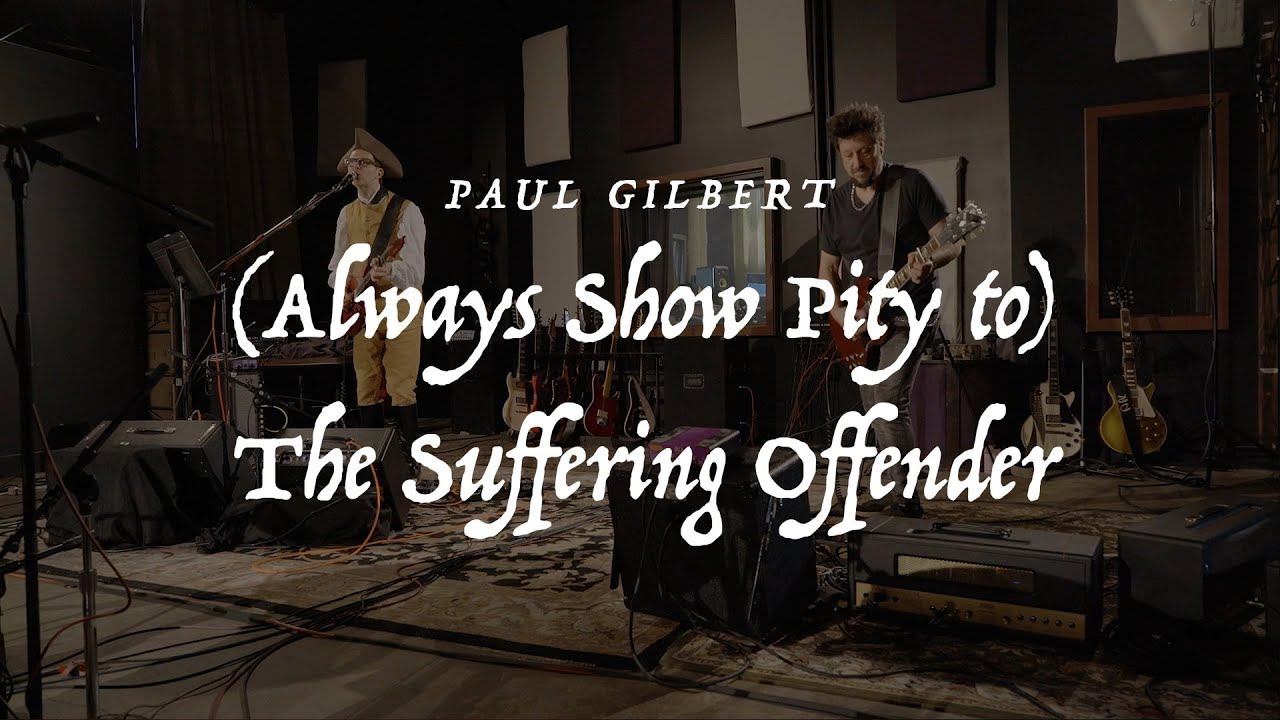
Gilbert acknowledges that the music on WROC is far from genteel; it features some of his most hard-hitting tracks to date. As a notable example, Go Not Thither showcases gritty, billy Gibbons-style blues riffs, while Keep Your Feet Firm and Even delivers a powerful twin-lead guitar assault.
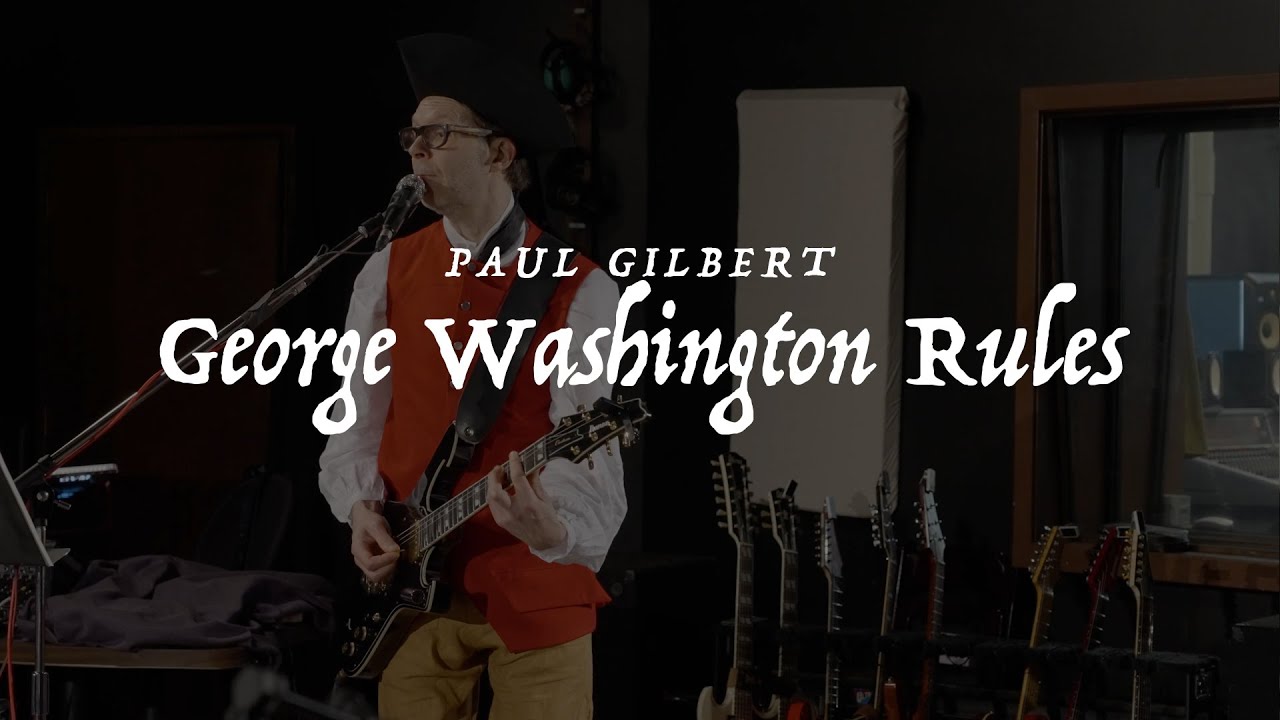
Throughout the album, Gilbert radiates energy and enthusiasm. It’s no surprise; many guitarists often fall into repetitive patterns, resulting in lifeless tracks before they even hit the studio.
However, Gilbert has stepped outside his comfort zone with these compositions, and he’s reveling in the experience.

“Like anyone else, I pick up my guitar and play what I know,” he explains.”But these songs pushed me to explore new territories, starting with the writing process. As a notable example,’let your discourse with men of business be short and complete,be not tedious unless you find the company pleased therewith’-I can only recall that as I created a melody for it.”
“I was laughing so hard when I sang that. It was a blast to take this archaic English and it’s meaning and set it to a rock groove.”
gilbert assembled a tight-knit group of musicians-drummer Nick D’Virgilio, bassist Timmer Blakely, and guitarist Doug Rappoport-at Portland’s hallowed Halls Studios, recording the album’s 13 tracks in just four days.
“While it’s tempting to record everything at home for budget reasons, I find it challenging to rock that way,” he admits. “Playing with a band is far more enjoyable in the studio, and it compels you to make decisions and move forward.”
“You hear it and think,’This is fantastic!’ At home,you might be tempted to overthink and overproduce. It’s easy to fall into the trap of thinking, ‘Maybe if we add another guitar part, it’ll fix everything.’ You could spend an eternity making a song worse.”

In the music video for Go Not Thither, Gilbert showcases his Ibanez FRM350 signature guitar while dressed in a custom-made Revolutionary War outfit, complete with a tricorn hat. He’s contemplating wearing this ensemble on tour, depending on whether he can get some duplicates made in time.
“I’ll definitely need another pair of trousers, a bit longer and less baggy. I didn’t measure myself very well,” he laughs. “They’re not actually called ‘pants’; they’re referred to as ’breeches.’ Once I get my breeches sorted, I should be all set.”