Paul McCartney Sounds the Alarm: Protecting America's Creative Heartbeat in the Age of AI!
0 reactions
1 year ago
Beatbounty
Paul McCartney and 400 Artists Rally Against AI Copyright Changes
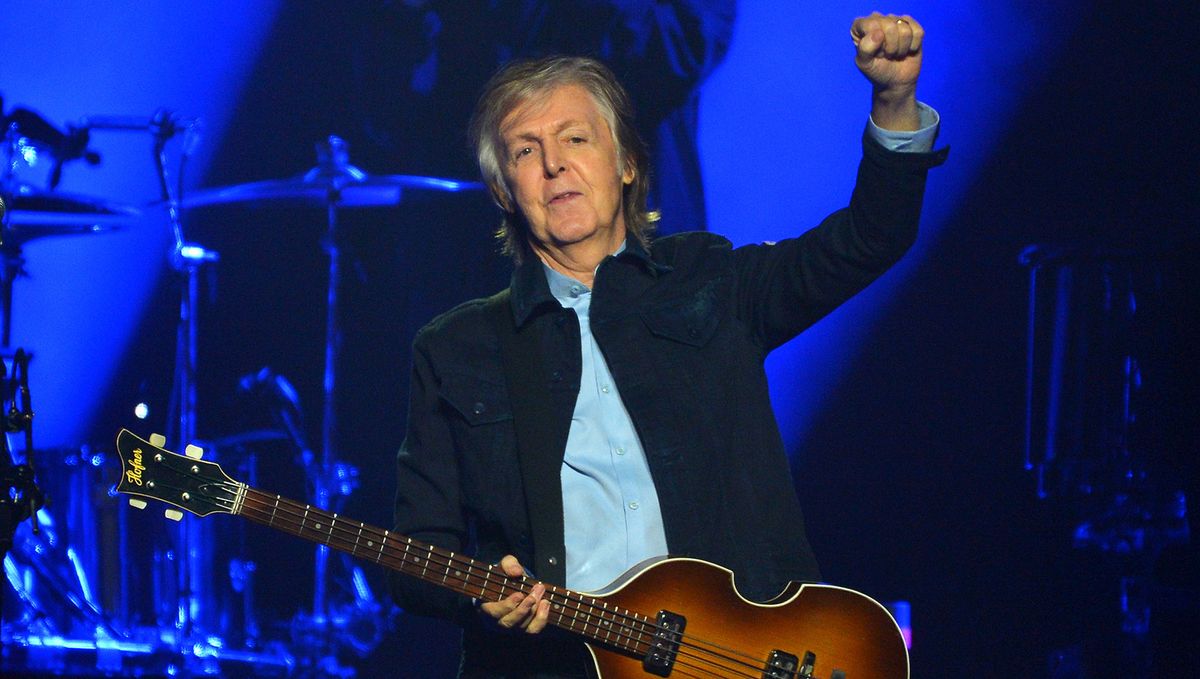
In a powerful stand for the creative community, Paul McCartney joins over 400 prominent figures in opposing President Donald Trump’s proposed alterations to copyright laws that favor artificial intelligence companies at the expense of artists.
the legendary Beatle,alongside a star-studded lineup that includes Paul simon,Phoebe Waller-Bridge,and Hollywood icons like Ben Stiller,Mark Ruffalo,and bette Midler,has endorsed an open letter expressing deep concerns about the potential ramifications of these legislative shifts.
Concerns Over AI’s impact on creative Industries
this letter emerges in the wake of statements from tech giants like Google and OpenAI, the creators of ChatGPT, advocating for relaxed regulations that they claim would accelerate AI development and position the U.S.as a leader in the field.Though, such changes could dismantle the protective measures currently safeguarding musicians, actors, and other creatives.
According to Google, these adjustments are deemed “essential for enabling AI systems to learn from existing knowledge and publicly accessible data, paving the way for scientific and societal breakthroughs.” Essentially, this means AI companies are seeking permissions to analyze and learn from copyrighted works to enhance their systems.
While Google asserts that its AI training would occur “without significantly impacting rights holders,” the letter backed by McCartney highlights the meaningful risks involved.
The Economic stakes of Creative Industries
“We firmly believe that America’s leadership in AI should not come at the cost of our vital creative sectors,” the letter emphasizes. It points out that these industries support approximately 2.3 million jobs in the U.S. and contribute over $229 billion in wages each year.
“AI firms are attempting to undermine this economic and cultural strength by diluting copyright protections for the films, television shows, artworks, literature, music, and voices that are integral to training AI models, which are central to the valuations of multibillion-dollar corporations,” it continues.
“This issue transcends the entertainment sector; the right to train AI on all copyright-protected content affects every knowledge-based industry in America,” the letter warns.
“When technology and AI companies demand unrestricted access to all data and facts,they jeopardize the livelihoods of all professionals who create intellectual property,” it adds.
“America’s rise as a global cultural leader was not a mere coincidence. Our achievements are rooted in a profound respect for intellectual property and copyright, which incentivizes creative risk-taking by talented and dedicated Americans,” it concludes.
International Voices Join the Chorus
This letter follows similar actions in the U.K., where rock legend Jimmy Page has voiced his apprehensions regarding new government proposals that would allow AI to analyze copyrighted music unless artists explicitly opt out. Page argues that AI-generated content lacks the struggles that characterize genuine artistry and exploits dedicated musicians.
In an open letter shared on his Instagram, he stated, “If someone had taken my riffs without acknowledgment or payment, it would have been deemed theft. The same standard must apply to AI.”
Brian May has also criticized the proposed changes, warning that “Nobody will be able to afford to make music” if AI technology is given free rein. In contrast, Elvis Costello appears less concerned about the potential threats posed by AI.
If someone had taken my riffs without acknowledgment or payment, it would have been deemed theft. The same standard must apply to AI.
Jimmy Page
AI’s dual Nature in the Music industry
Despite the concerns surrounding AI, there are positive developments as well. Companies like Positive Grid have integrated AI tone-building technology into their spark 2 amp modeler series, while PreSonus is leveraging AI to enhance the capabilities of its flagship DAW, studio One.
McCartney and Ringo Starr have even utilized AI to create a final Beatles track, “Now and Then,” showcasing their recognition of AI’s potential benefits. However, the collective of over 400 artists believes that the proposed changes cross a crucial boundary that must be defended.
Paul McCartney Sounds the Alarm: Protecting America’s Creative Heartbeat in the Age of AI!
Paul McCartney Sounds the Alarm: Protecting America’s Creative Heartbeat in the Age of AI!
The Growing Concern Over AI and Copyright
As artificial intelligence (AI) technology continues to evolve, the creative industries are facing unprecedented challenges.Paul McCartney, alongside more than 400 prominent artists, has raised a clarion call against proposed changes to copyright laws that could favor AI companies over the rights of musicians, writers, and other creatives. This movement highlights the urgent need to safeguard America’s cultural and economic backbone.
Understanding the Proposed Changes
The proposed changes to copyright laws aim to loosen restrictions on how AI can utilize copyrighted materials. Major tech companies like Google and OpenAI argue that these changes are essential for AI development, claiming that they will enable AI systems to learn from existing knowledge and publicly available data. Though, this raises notable concerns about the potential exploitation of creative works.
Key Points of Concern
Impact on Artists: The proposed changes could undermine the financial stability of artists by allowing AI to use their work without compensation.
Job Losses: The creative industries support millions of jobs in the U.S.,and weakening copyright protections could lead to significant job losses.
Cultural Devaluation: The essence of creativity, which frequently enough stems from personal experiences and struggles, could be lost in AI-generated content.
The Economic Importance of Creative Industries
The creative sector is a vital part of the American economy, contributing over $877 billion annually, which is approximately 4.5% of the GDP. This sector encompasses a wide range of fields, including music, film, literature, and visual arts. Here are some key statistics:
Creative Industry
Annual Contribution to GDP
Jobs Supported
Music
$25 billion
1.5 million
Film and Television
$100 billion
2 million
Visual Arts
$50 billion
500,000
Literature
$20 billion
300,000
Voices of concern: Artists Speak Out
Paul mccartney’s open letter, supported by a host of celebrities, emphasizes the need to protect the rights of creators. Notable figures like Jimmy Page and Brian May have also voiced their concerns regarding AI’s potential to exploit artistic works without proper compensation.
Jimmy Page’s Outlook
Jimmy Page has been vocal about the implications of AI on music, stating that AI-generated media lacks the emotional depth that defines true artistry. He argues that if someone were to use his riffs without acknowledgment or payment,it would be considered theft,and the same standard should apply to AI.
Brian May’s Warning
Brian May has echoed similar sentiments, warning that if AI technology is allowed to operate without restrictions, it could lead to a situation where “nobody will be able to afford to make music.” This highlights the potential economic ramifications of unregulated AI in the creative sector.
benefits of AI in the Creative sector
While there are valid concerns regarding AI’s impact on copyright, it is indeed essential to recognize the potential benefits that AI can bring to the creative industries:
enhanced Creativity: AI can assist artists in generating new ideas and exploring different styles, leading to innovative works.
Efficiency: AI tools can streamline the creative process, allowing artists to focus more on their craft rather than administrative tasks.
Accessibility: AI can democratize access to music production and art creation, enabling more individuals to express their creativity.
Practical Tips for Artists Navigating AI
As the landscape of the creative industries evolves, artists can take proactive steps to protect their work while embracing the benefits of AI:
Stay Informed: Keep up with changes in copyright laws and AI technology to understand how they may affect your work.
Utilize AI Tools: Explore AI-powered tools that can enhance your creative process without compromising your artistic integrity.
Engage in advocacy: join organizations and movements that advocate for the rights of artists in the age of AI.
Network with Peers: Collaborate with other artists to share knowledge and strategies for navigating the challenges posed by AI.
Case Studies: Successful Integration of AI in Music
Several artists and companies have successfully integrated AI into their creative processes, demonstrating its potential benefits:
Positive Grid
Positive Grid has developed AI tone-building technology for its Spark 2 amp modeler series, allowing musicians to create unique sounds effortlessly.
PreSonus Studio One
PreSonus has incorporated AI features into its flagship DAW,Studio One,empowering musicians to enhance their workflow and creativity.
First-Hand Experiences: Artists Embracing AI
Many artists are beginning to experiment with AI in their work. As an example, McCartney and Ringo Starr utilized AI to produce a final Beatles song, “Now and Then,” showcasing how AI can complement human creativity rather than replace it.
Join the Movement: Protecting Creative Rights
As the debate over AI and copyright continues, it is crucial for artists and fans alike to engage in the conversation. By joining platforms like Beatbounty, you can connect with other creatives, share your experiences, and advocate for the protection of artistic rights. Create an account today and submit an ad to support the movement!