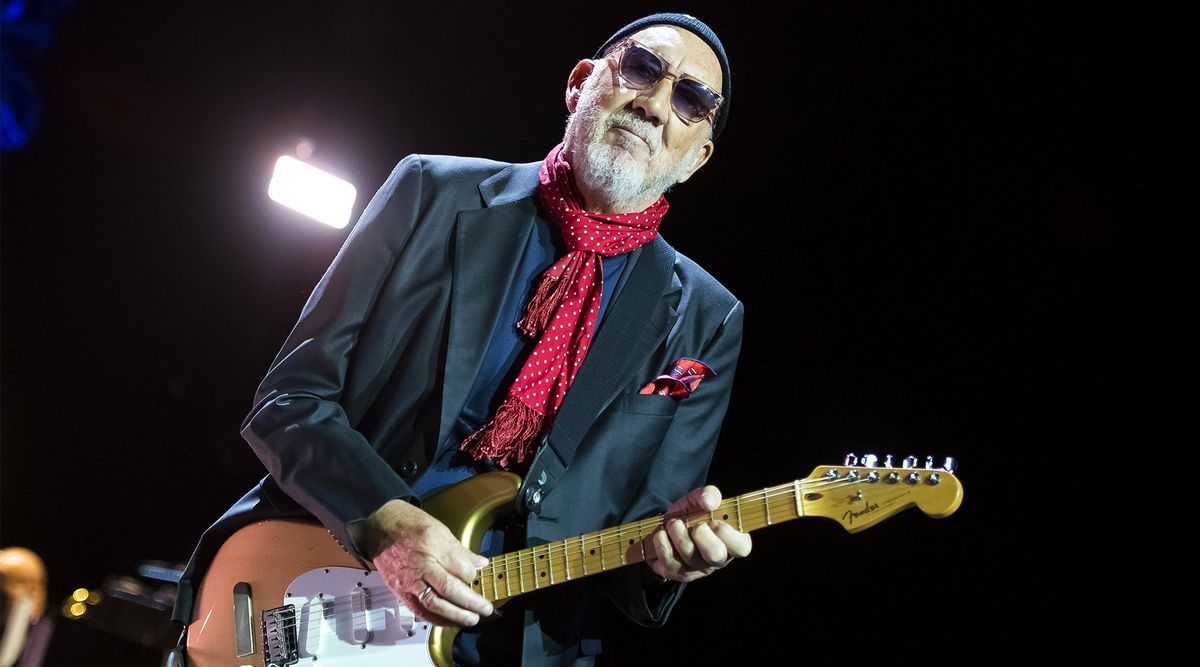
Pete Townshend Explores AI to Revive Teh Who’s Classic Sound for fans
Pete Townshend has expressed his frustration with fans who incessantly request classic Who tracks during his solo performances, hinting that artificial intelligence might be the key to addressing this issue.
In a recent interview with The Times, Townshend proposed the idea of utilizing AI to generate new songs reminiscent of The Who’s iconic sound. The legendary guitarist, who draws heavily from his artistic education, believes this approach would allow him to pursue his diverse range of current projects while still catering to fans who yearn for the music of his past.
“I have my own solo career,” he emphasizes. “With all my art school endeavors, it can be quite frustrating for Who fans that I don’t just stick to the classic hits until the end of my days.”
He elaborated, “If I instructed AI to create a series of songs in the style of my work from 1973, I think many Who enthusiasts would be thrilled.”
as a testament to the potential of AI in music, Townshend pointed to the recent Grammy-winning track “Now and Then,” which saw The Beatles successfully use AI to enhance an unfinished demo by John Lennon. However, it’s important to clarify that Paul McCartney noted the technology was primarily used to isolate Lennon’s voice from the original recording.
AI has already made waves in the music industry,with artists like Alex Van Halen showing interest in harnessing this technology to complete unfinished tracks left by the late Eddie Van Halen.
Reviving Quadrophenia: A New Artistic Venture
Recently, Townshend transformed his acclaimed rock opera Quadrophenia into a ballet, titled Quadrophenia, a Mod Ballet, featuring orchestrations by his wife, Rachel Fuller. He shared with The Times that this new interpretation brings the essence of his original 1973 work closer to life,emphasizing themes of spiritual resilience and the quest to reconnect with youth.
“what many overlooked was the spiritual core of Quadrophenia,” he reflects. “I must admit, I didn’t have high expectations for the ballet’s first workshop.”
“But then I witnessed it: devoid of the typical rock and roll theatrics, with no drummer losing focus mid-performance, the original message was beautifully conveyed through the movements of the dancers.It was as if Quadrophenia had been given a new lease on life.”
Despite this creative evolution, Townshend insists that the narrative’s conclusion and the fate of its protagonist, Jimmy, should remain open-ended. “I’ve been criticized for not providing a definitive ending to my stories,” he admits. “But I’ve always believed that’s not my role; it’s yours to decide how the story concludes.”
A Legacy of Innovation in Music
Townshend is no stranger to blending rock with classical elements. His groundbreaking 1969 work, Tommy, emerged from a period of self-doubt, as he realized he could not match the guitar prowess of contemporaries like Jimi Hendrix and Eric Clapton.
“I suppose I went through a phase of confusion during that time,” he recalls. “I even proposed to my wife before it was too late[[[[laughs], and then I began working on Tommy shortly after. I felt somewhat stripped down, and I found solace in my writing.”
The Who recently concluded two performances at their annual charity event for the Teenage Cancer Trust at London’s Royal Albert Hall, marking their first live shows since last year. However, townshend is far from finished with his creative endeavors, even if he admits his commitment to the Who isn’t as unwavering as that of lead vocalist Roger Daltrey.
With numerous projects on the horizon, including the opening of the Townshend Studio at the University of West London, he is eager to explore new artistic avenues while still honoring the legacy of his past.
Pete Townshend Considers AI Magic to Bring Back The Who’s ’70s Glory for Devoted Fans!
The Intersection of AI and Classic Rock
Pete Townshend, the iconic guitarist of The Who, has recently sparked conversations about the potential of artificial intelligence (AI) in music creation. Frustrated by fans who continuously request classic Who songs during his solo performances, Townshend is exploring how AI could help him craft new music that resonates with the nostalgic sound of the ’70s.
Why AI?
AI technology has made important strides in recent years,allowing artists to create music that mimics the styles of their predecessors. Townshend believes that by leveraging AI, he could produce songs that capture the essence of The Who’s classic era while allowing him to focus on his current artistic endeavors.
Benefits of Using AI in Music Creation
- Time Efficiency: AI can generate music quickly, allowing artists to focus on other projects.
- Creative Exploration: Artists can experiment with different styles and sounds without the constraints of traditional songwriting.
- Nostalgic Appeal: AI can recreate the sound of past eras, appealing to long-time fans.
case Studies: AI in Music
Several artists have already begun to explore the possibilities of AI in their music. Here are a few notable examples:
| Artist |
AI Project |
Outcome |
| The Beatles |
“Now and Then” AI-enhanced track |
Won Best Rock Performance at the Grammys |
| alex Van Halen |
Using AI to finish Eddie van Halen’s demos |
Potential for new music from unfinished works |
| Grimes |
AI-generated music collaborations |
Exploring new creative avenues |
First-Hand Experience: Townshend’s Perspective
In a recent interview, Townshend expressed his thoughts on the use of AI in music. He stated, “if I told AI to write a load of Pete Townshend songs like he used to in 1973, a lot of Who fans woudl be really pleased.” This statement highlights his understanding of the fans’ desires while also acknowledging his need to evolve as an artist.
Balancing Legacy and Innovation
While Townshend is excited about the possibilities that AI presents, he remains committed to his artistic integrity. He recently transformed his rock opera quadrophenia into a ballet, showcasing his ability to blend different art forms while staying true to his roots. This balance between honoring the past and embracing the future is crucial for any artist looking to innovate.
Practical Tips for Artists Considering AI
If you’re an artist interested in exploring AI technology, here are some practical tips to get started:
- Research AI Tools: Familiarize yourself with various AI music generation tools available online.
- Experiment: Don’t hesitate to experiment with different styles and genres using AI.
- Collaborate: Consider collaborating with tech-savvy musicians or developers to enhance your AI projects.
- Stay Authentic: Ensure that the music created aligns with your artistic vision and resonates with your audience.
Engaging with Fans Through Technology
As Townshend navigates this new frontier, he emphasizes the importance of engaging with fans. By using AI to create music that reflects The Who’s classic sound, he can satisfy long-time fans while also exploring new creative avenues. This approach not only honors the legacy of The Who but also paves the way for future innovations in music.
Join the Conversation
As the music industry continues to evolve,artists and fans alike are encouraged to engage in discussions about the role of technology in music.Join platforms like Beatbounty to share your thoughts and connect with other music enthusiasts. Create an account today and submit an ad to showcase your music or projects!
The Future of Music with AI
The potential for AI in music is vast, and artists like Pete Townshend are at the forefront of this exciting evolution.by embracing technology, musicians can create new sounds that resonate with both current and future generations. As we look ahead, the fusion of AI and music promises to redefine the landscape of the industry, making it an exciting time for both artists and fans.