The Journey of Ralph McTell: Crafting the Iconic ‘Streets of London’
For the renowned English singer-songwriter and acoustic guitarist Ralph McTell, persistence paid off. After two unsuccessful attempts to release his 1970s classic “Streets of London,” the U.K. folk artist finally achieved success with a third version that resonated with listeners, transforming McTell’s career and marking his most significant hit.
It had been nearly a decade as McTell first penned the song as a 21-year-old street performer in France.
Inspiration from the Streets
“During a frigid winter in Paris in 1965,” McTell recalls in an interview with Guitar Player,”the streets where desolate,and no one was busking. I saw people sleeping on the hot-air grates of the Metro, and I noticed some elderly men using their boots as pillows. That struck me as a poignant subject for a song.”
“However, I realized I couldn’t write about Paris sence there was already a song titled ‘The Poor People of Paris.’ so, I decided to focus on London, a city I knew well. The song isn’t merely about homelessness; it delves into themes of alienation and the lives of those who exist within society yet feel disconnected from it, like the rough sleepers. I had the melody ready and crafted the lyrics to fit. Initially, it had three verses, but I later added a fourth to give it a proper conclusion.”
Initial Hesitations and breakthroughs
Despite having the song ready for his debut album, 1968’s Eight Frames a Second, McTell chose not to include it due to it’s somber themes. “I had offered it to a friend who was a semi-professional folk singer,” he recalls.”He dismissed it, saying it was too sad for his repertoire.”
McTell feared that audiences might share the same sentiment, but he was pleasantly surprised by their reaction during his first live performance. “I remember the silence that followed my performance felt endless, but then the applause erupted,” he shares.
By the time he recorded his second album, 1969’s Spiral Staircase, he had gained more confidence in the song. His producer, Gus Dudgeon, who later gained fame working with Elton John, was excited about it. “He insisted that I include it on the record, and so we did,” McTell says.
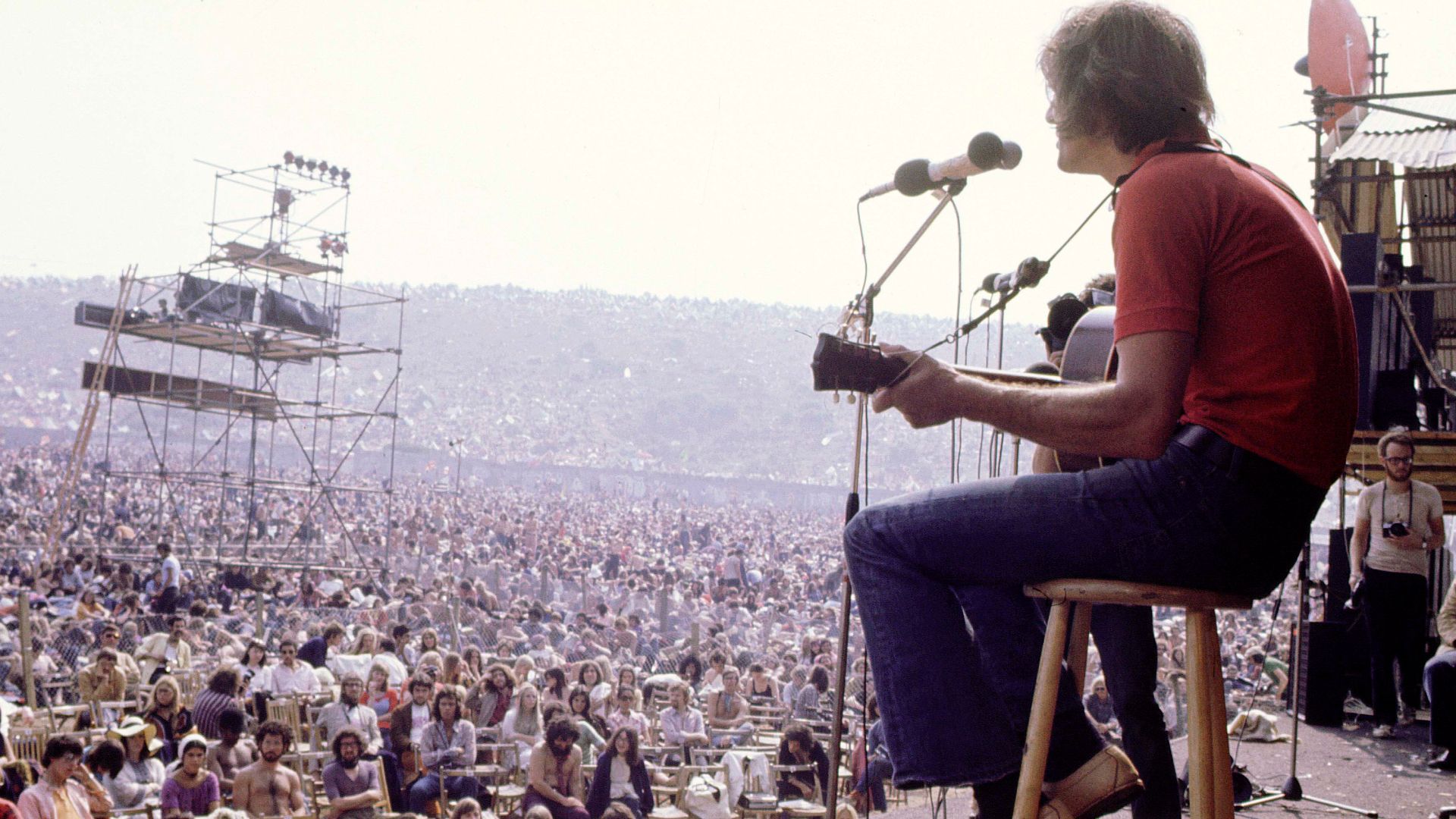
Unfortunately, the initial release did not garner much attention. Though, McTell gained valuable exposure when he performed at the isle of Wight Festival in August 1970, where his set was well-received by the audience.
A Third Attempt Leads to Success
Holding onto hope, McTell recorded “Streets of London” once more for his 1971 U.S. album, You Well-Meaning Brought Me Here, but it again failed to make an impact. The story might have ended there if not for his manager’s unwavering belief in the song’s potential.Three years later, McTell decided to give it another shot. “I recorded it again in one take and submitted it to Warner Brothers,” he recalls.”And just like that, it became a hit!”
“I recorded it again in one take and submitted it to Warner Brothers. And just like that, it became a hit!”
– Ralph McTell
Released as a single on Warner’s Reprise label in 1974, “Streets of London” soared up the U.K. charts, reaching number two. “My manager never wavered in his belief that ‘Streets of London’ had a future,” McTell reflects. The song earned him an Ivor Novello Award for Best Song Musically and Lyrically in 1975, a decade after he first wrote it.
The Instruments Behind the Sound
For his earliest rendition of the song, McTell played a Gibson J-45, which he had purchased at the age of 20. In contrast,for the third and most successful recording,he used a handmade guitar crafted by his friend Keith Johns. “It was a unique blend of a black Gibson J-200 body and a J-45 neck,” McTell explains. “It happened to be available in the studio, so I used it with a capo on the second fret.” His fingerstyle technique was heavily influenced by early American blues musicians like Blind Blake and Blind Boy Fuller.
A Lasting Legacy
While “Streets of London” has been a cornerstone of McTell’s career, the song is perhaps better known in the United States through an early cover by Roger Whittaker in 1971. “in the U.S., many people are more familiar with Roger’s version than mine,” McTell admits. “The same goes for Germany. When I listen to his rendition, I can tell he’s reading the lyrics from a script in one of the verses.”
Interestingly, “Streets of London” has become a popular choice for many artists. “A friend of mine researched it and found over 400 registered covers,” McTell exclaims. ”There are countless more on YouTube. It’s astonishing. One version I particularly cherish is by the late Sinéad O’Connor, which captures a heartfelt sincerity about the subject matter.”
“One version I particularly cherish is by the late Sinéad O’Connor, which captures a heartfelt sincerity about the subject matter.”
– Ralph McTell
“I genuinely cared about the issues when I wrote the song, but I was initially discouraged by the negative feedback regarding its somber tone. It amazes me that the song has become almost a standard. I still enjoy performing it and love the audience’s response. I often invite them to sing along if they remember the words, and they eagerly join in, which is wonderful.”
Despite having a rich catalog over his six-decade career, McTell embraces the label of a one-hit wonder with pride. “I’m proud of that song and feel incredibly fortunate,” he states. “It changed my life.I recognize that many talented musicians and songwriters never get their moment, and I’m the first to acknowledge my own limitations.I tip my hat to those with greater talent than mine. But I’ve been one of the lucky ones.”
![Ralph McTell - Streets of London (1974) [Restored] - YouTube](https://img.youtube.com/vi/sSn9McLtx30/maxresdefault.jpg "Ralph McTell Unveils the Heartfelt Journey Behind His Timeless Classic 'Streets of London 2")