Randy Rhoads: The Final Soundcheck – Unveiling the Guitar Wizardry of a Rock Legend
0 reactions
1 year ago
Beatbounty
Randy Rhoads: A Glimpse into the Final Soundcheck of a Guitar Legend
In March 1982, Randy Rhoads took the stage for the last time in his tragically short life.At the tender age of 25,he had already left an indelible mark on the realms of hard rock and heavy metal guitar,a legacy that continues to resonate with musicians and fans alike today.
Due to his untimely departure, high-quality footage of Rhoads performing is scarce, making any glimpse of him preparing for a show a treasure for his admirers. This is precisely what we have in a rare video captured on a handheld camcorder during the second leg of Ozzy Osbourne’s Diary of a Madman Tour.
Unveiling the Rare Footage
The video begins with a location tag reading ”Soundcheck Beaumont, TX, USA 2/18/82″ in the iconic Diary font, although the actual concert took place on February 15. It opens with the statement: “This is the only known footage of a Randy Rhoads soundcheck…February 1982.”
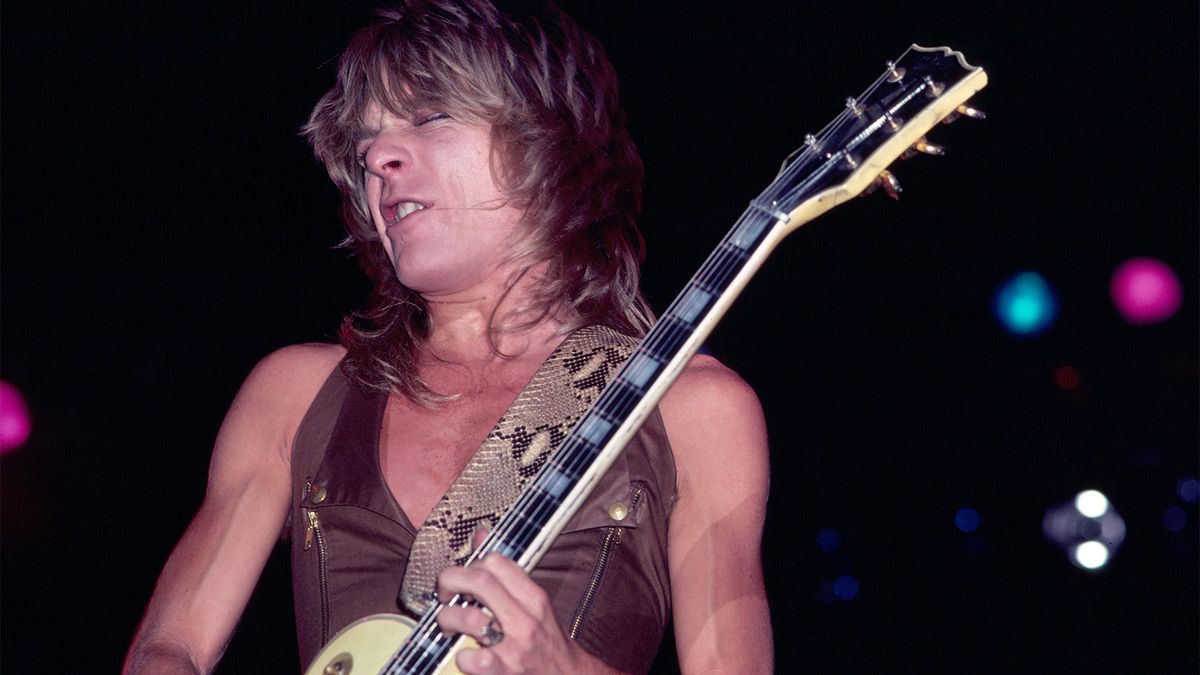
Soundcheck footage kicks off around the 2:50 mark, but it truly ignites at 3:40. In this brief yet captivating clip, Rhoads’ silhouette and sound are unmistakable.Armed with his Alpine White 1974 Gibson Les Paul and Marshall Super Lead heads, he showcases intricate three-note-per-string scale patterns, occasionally incorporating a flat 7 for flair. Even in this short segment, his distinctive style is immediately recognizable after just a few notes.
Tragically, Randy would perform only a dozen more shows, with his final appearance occurring on March 18 at the Knoxville Civic Coliseum in Tennessee.
Reflections from Ozzy Osbourne
Following the soundcheck footage, an interview with Ozzy Osbourne, conducted on the same day, provides insight into the tour’s success. Ozzy expresses his amazement at the enthusiastic U.S. audiences,often filling arenas with 18,000 to 20,000 fans each night.
interestingly, he also addresses a bizarre rumor circulating at the time, suggesting he had abandoned bats in favor of other animals.”We’re getting a lot of hassle from the animal society because there’s a rumor going around that I’m blowing up goats,” Ozzy states, clearly bewildered. “I don’t know where that comes from.”
On a personal note, Ozzy mentions his improved health since parting ways with Black Sabbath. “I’m cleaned out now. I don’t touch anything… I live on the tour bus now,” he shares.
The Tragic End
Sadly, Randy and the band’s seamstress, Rachel Youngblood, would face a tragic fate. Their tour bus driver, Andrew Aycock, did not share Ozzy’s commitment to sobriety. On March 19, 1982, the day after Randy’s last performance, the band was en route to a show in Orlando, Florida, when thay stopped at a bus depot.Unbeknownst to some crew members resting on the bus, Aycock had consumed cocaine before attempting to fly a small aircraft from a nearby airstrip. The plane tragically collided with Ozzy’s parked tour bus, resulting in a catastrophic explosion that claimed the lives of everyone on board, including Randy.
A Legacy Continues
Less than two weeks later, Ozzy and the remaining band members were back on the road, with Irish guitarist Bernie Tormé stepping in temporarily. However, after ten days, Tormé departed, and Brad Gillis took over for the remainder of the tour.
Randy’s brief yet impactful collaboration with Ozzy has been a topic of discussion in recent months. Bassist Bob Daisley, who played a crucial role in assembling the lineup that included Rhoads, reminisced about their first meeting, sensing that Randy was destined for greatness. “I had a premonition people would ask what it was like to play with him,” he recalled.
Daisley also shared the story behind the iconic title ”Crazy Train,” one of the most recognized tracks from the Rhoads era. “Randy had an effect pedal that produced a chugging sound, even when it wasn’t in use,” he explained. “If it was on and going through his amp,it created a sound reminiscent of a train. Knowing Randy was a fan of model trains, I said, ‘Randy, it sounds like a train, listen!’ It had a psychedelic vibe, and I suggested, ‘It sounds like a crazy train.’
Ozzy’s Tribute to Rhoads
In a heartfelt interview with Guitar Player shortly after Randy’s passing, Ozzy expressed his sorrow over the loss of such a unique talent. ”I’m saddened by the fact that the guy’s gone. He was so extraordinary. I don’t think people have fully grasped what a remarkable musician he was—not just in rock and roll, but across all genres. He was phenomenal in classical music and beyond.”
“I loved him instantly. I fell in love with him as a player and as a person,” Ozzy concluded, a testament to the profound impact Randy Rhoads had on those who knew him and the music world at large.
Randy Rhoads: The Final Soundcheck – unveiling the Guitar Wizardry of a Rock Legend
Randy Rhoads: The Final Soundcheck – Unveiling the Guitar Wizardry of a rock Legend
The Legacy of Randy Rhoads
Randy Rhoads, a name synonymous with guitar excellence, left an indelible mark on the world of rock music. His innovative techniques and unique sound transformed the landscape of heavy metal guitar playing.Rhoads’ brief career, cut short at the age of 25, still resonates with musicians and fans alike, making his final soundcheck a moment of immense significance.
understanding the Final Soundcheck
In March 1982, Randy Rhoads performed his last soundcheck during Ozzy Osbourne’s Diary of a Madman Tour. This soundcheck, recorded on a handheld camcorder, provides a rare glimpse into the genius of Rhoads as he prepared for a live performance. the footage showcases his signature style and the equipment that contributed to his iconic sound.
Key Elements of the Soundcheck
Location: Beaumont, Texas
Date: February 18, 1982 (actual concert on February 15)
Equipment: 1974 Gibson Les Paul, Marshall super Lead heads
Randy Rhoads was known for his innovative guitar techniques that set him apart from his contemporaries. Here are some of the key techniques that defined his playing style:
1. Three-Note-Per-String Scales
Rhoads often employed three-note-per-string scales, allowing for fluid and rapid playing. This technique enabled him to create intricate solos that showcased his technical prowess.
2. Harmonics and Dissonance
Rhoads had a knack for incorporating harmonics and dissonant notes into his solos, adding depth and complexity to his music. This approach created a unique sound that captivated audiences.
3. Use of Effects Pedals
Rhoads utilized various effects pedals to enhance his sound. His use of distortion and modulation effects contributed to the signature tone that fans have come to love.
Impact of Rhoads’ Music
Randy Rhoads’ influence extends beyond his short career. his work with Ozzy Osbourne, particularly on albums like Blizzard of Ozz and Diary of a Madman, has left a lasting legacy in the rock genre. Here are some key impacts of his music:
1. Redefining Heavy Metal Guitar
Rhoads redefined what it meant to be a heavy metal guitarist. His blend of classical influences with rock elements paved the way for future generations of musicians.
2.Inspiring Future Guitarists
Many guitarists cite Rhoads as a primary influence in their playing. His innovative techniques and memorable solos continue to inspire aspiring musicians around the world.
3. Iconic Songs
Tracks like “Crazy train” and “Mr. Crowley” remain staples in rock music, showcasing Rhoads’ exceptional talent and creativity. These songs are frequently covered by artists and bands, further solidifying his legacy.
Benefits of Studying Rhoads’ Techniques
For aspiring guitarists,studying Randy Rhoads’ techniques can provide numerous benefits:
Improved Technical Skills: Learning Rhoads’ scales and techniques can enhance your overall guitar proficiency.
Creative Inspiration: Rhoads’ innovative approach encourages musicians to think outside the box and develop their unique sound.
Understanding Music Theory: Analyzing Rhoads’ compositions can deepen your understanding of music theory and it’s submission in rock music.
Case Study: The Influence of “Crazy Train”
“Crazy Train,” one of Rhoads’ most famous tracks, serves as a perfect example of his innovative style. The song features a distinctive opening riff that has become iconic in rock music. Here’s a breakdown of its elements:
Element
Description
Opening Riff
Utilizes a unique combination of power chords and melodic lines.
Explores themes of mental health and societal issues, resonating with listeners.
First-Hand Experience: Musicians Reflect on Rhoads
Many musicians who had the opportunity to work with or witness Randy Rhoads perform have shared their experiences. Here are a few reflections:
Bob Daisley
Bassist Bob Daisley,who collaborated with Rhoads,remarked on his extraordinary talent: “Randy had a unique ability to blend classical music with rock,creating something entirely new.”
Ozzy Osbourne
ozzy Osbourne, Rhoads’ bandmate, expressed his admiration: “Randy was not just a great rock player; he was phenomenal across all genres. His loss was a tragedy for music.”
Practical Tips for Aspiring Guitarists
If you’re inspired by Randy Rhoads and want to incorporate his techniques into your playing, consider these practical tips:
Practice Regularly: Dedicate time each day to practice scales and techniques inspired by Rhoads.
Experiment with Effects: Invest in effects pedals to explore different sounds and textures in your playing.
Learn His Songs: study and play Rhoads’ most famous tracks to understand his style and approach.
Join the Beatbounty Community
For those passionate about music and looking to connect with like-minded individuals,consider creating an account on the Beatbounty platform. Share your experiences, submit ads, and engage with a community that celebrates the art of music.