Celebrating the Life of Wayne Perkins: Alabama’s Guitar Virtuoso Passes Away at 74
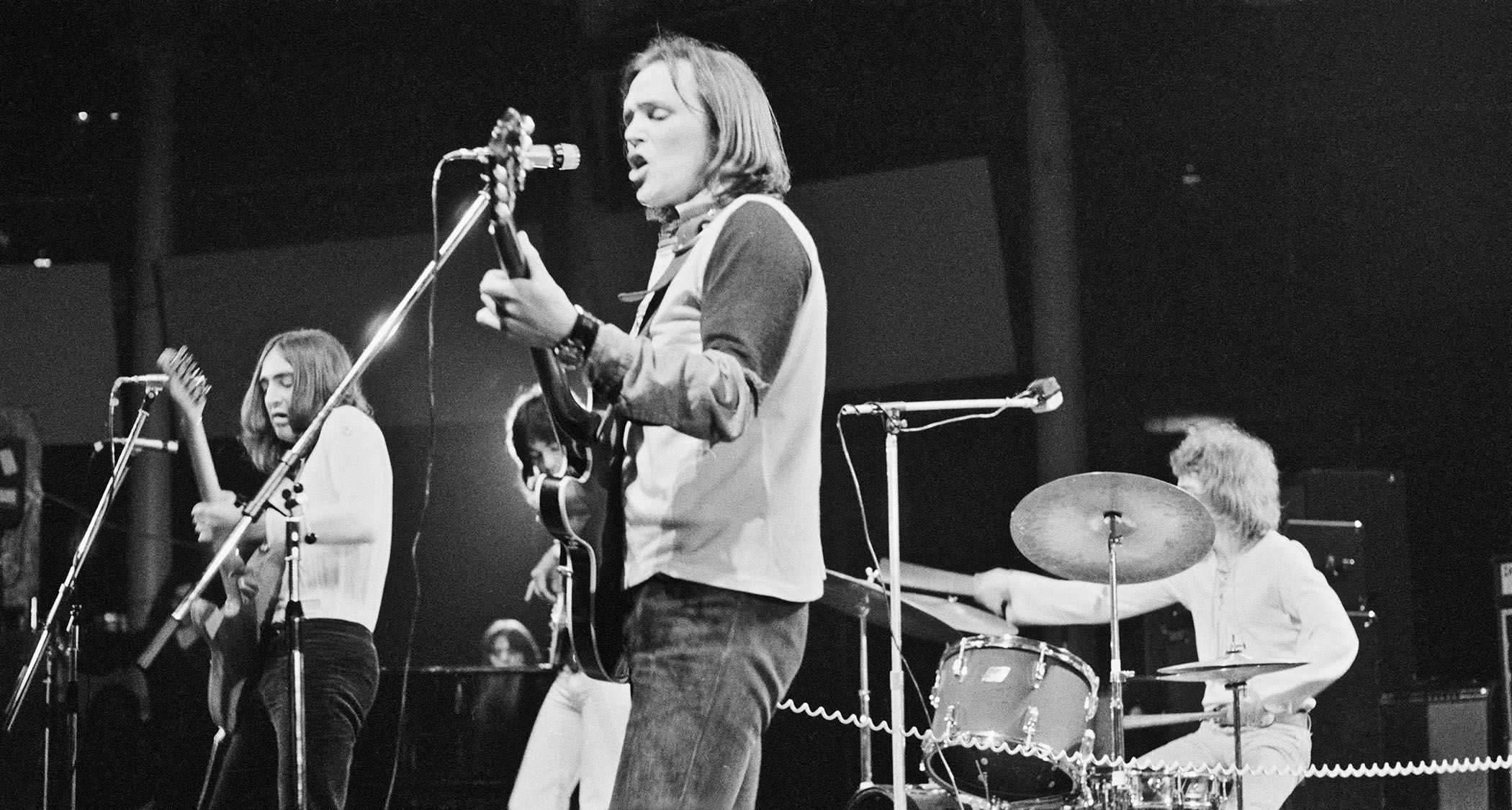
Alabama mourns the loss of Wayne Perkins, a revered guitar maestro known for his collaborations with iconic artists such as the Rolling Stones, Joni Mitchell, and Bob Marley. Perkins passed away peacefully at the age of 74, leaving behind a legacy that resonates deeply within the music community.
The news of his passing was shared on Facebook by his brother, Dale Perkins, who reminisced about their time together in the band Alabama Power. Dale expressed that Wayne was truly one of a kind, cherished by family and friends alike.
“For those who haven’t heard, Wayne passed away yesterday peacefully,” Dale wrote. “Our sisters and family members where there with him. We appreciate all the kind thoughts and memories. He was one of a kind and we loved him very much, and thank you all.”
A Journey Through Southern Rock
Wayne Perkins was a towering figure in the realm of southern rock guitar.he began his musical journey at just 15, leaving school a year later to immerse himself in the vibrant music scene of Muscle Shoals. It was here that he honed his skills as a session musician at Quin Ivy’s studio.
After spending nine months navigating the industry, Perkins transitioned to Muscle Shoals Sound Studio, where he collaborated with notable artists like David Porter and the Soul Children, as well as contributing to demos for Lynyrd Skynyrd.
Innovative Techniques and Influences
The late 1960s marked a period of experimentation for guitarists, and Perkins was no exception. He fondly recalled searching for unique slide guitar techniques, crediting Duane Allman for introducing him to the innovative use of a Coricidin pill bottle as a slide.
“He was recording with a band called the Hour Glass before the Allman Brothers. I went over to show him my slide piece,which was a deep well socket,” Perkins shared in an interview. ”He suggested I try the Coricidin bottle, and it worked beautifully.”
Collaborations with Legends
As Perkins continued to build his reputation, he received an offer to join Lynyrd Skynyrd but ultimately chose a different path, forming the band Smith, Perkins & smith with Steve and Tim Smith. Their debut album in 1972 was a stepping stone, but it was his work with Bob Marley that truly catapulted him into the spotlight.
At the behest of Island records’ Chris Blackwell,Perkins contributed to Marley’s groundbreaking tracks like Concrete Jungle and Stir It up,which played a pivotal role in Marley’s rise to fame.
“I didn’t know any of these guys. The first thing I noticed when I walked downstairs was that the basement was in a fog. Lots of smoke,” Perkins recalled about his first encounter with Marley.
Memorable Moments with Joni Mitchell
Perkins also had a significant impact on Joni Mitchell’s acclaimed album Court and Spark.During a session, he borrowed James Burton’s iconic pink Paisley Telecaster to lay down slide guitar parts, showcasing his adaptability and creativity in the studio.
“We got her band’s equipment, but the guitar wouldn’t stay in tune. I pointed to a guitar case that had ‘James Burton’ written on it. Joni was hesitant, but I opened it up, and there was the Telecaster,” he recounted, highlighting the serendipitous nature of music creation.
Near Miss with the Rolling Stones
perkins’ career reached new heights when he was considered to replace mick Taylor in the Rolling Stones. Although he ultimately lost the position to Ronnie Wood, his contributions to the band during the recording of Black and blue were significant, with Perkins playing lead on tracks like Hand of Stone and Memory Motel.
“The whole thing sounded real rough at first, like the worst garage band I’d ever heard.Then the engineer turned on the red light, and it was like magic. Suddenly, it was the stones!” Perkins marveled.
A Lasting Legacy
Despite missing out on a permanent role with the Stones, Perkins continued to thrive in his career, playing with Alabama Power, collaborating with Lonnie Mack, and contributing to soundtracks for films like Karate Kid II and Back to School. His health declined in the 2000s due to brain tumors, leading to his retirement.
Wayne Perkins leaves behind a rich legacy that will continue to inspire musicians for generations to come.His innovative spirit and collaborations with some of the greatest artists in music history ensure that his influence will never fade.