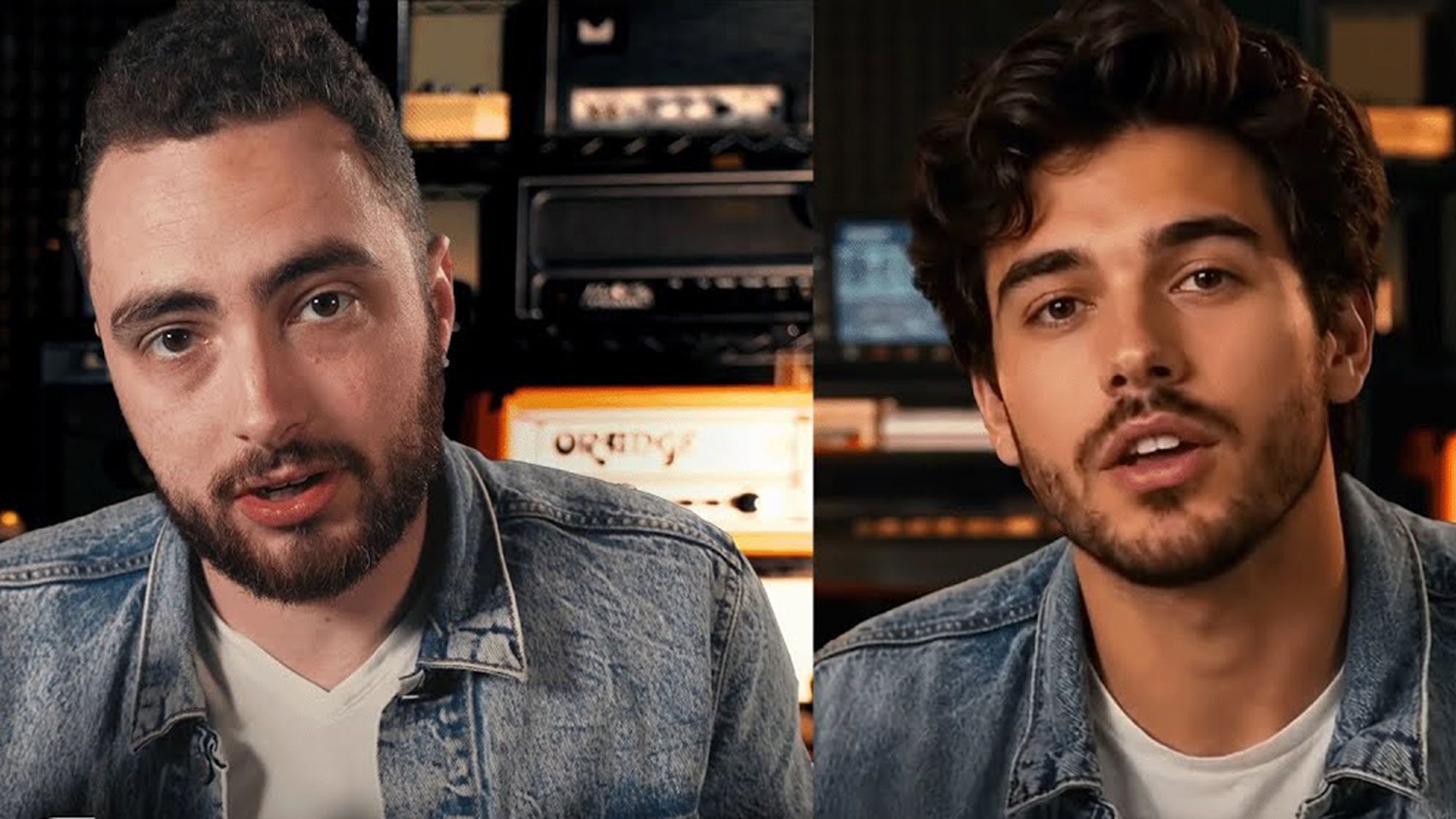
Rhett Shull Exposes AI Impersonators: The Rise of AI Guitar YouTubers
Artificial intelligence is swiftly infiltrating the guitar community,with some individuals using it to create unauthorized replicas of guitarists’ performances. A new trend has emerged: AI-generated guitar YouTube channels.
Rhett Shull, a well-known guitarist and gear reviewer, recently stumbled upon a startling revelation: his own videos are being utilized as training material for AI-driven YouTube personalities.
“I was scrolling through Instagram when I noticed a story from The Bad Guitarist Podcast. They mentioned an AI guitar channel that had recently gained over 5,000 subscribers and 600,000 views, along with a flood of comments from unsuspecting viewers,” Shull recounted.
Intrigued, Shull decided to investigate further and discovered a channel named Guitar Gems with Chase, which he claims is directly imitating his content in various ways.”I clicked on this channel last night and honestly felt a bit unsettled,” he admitted.
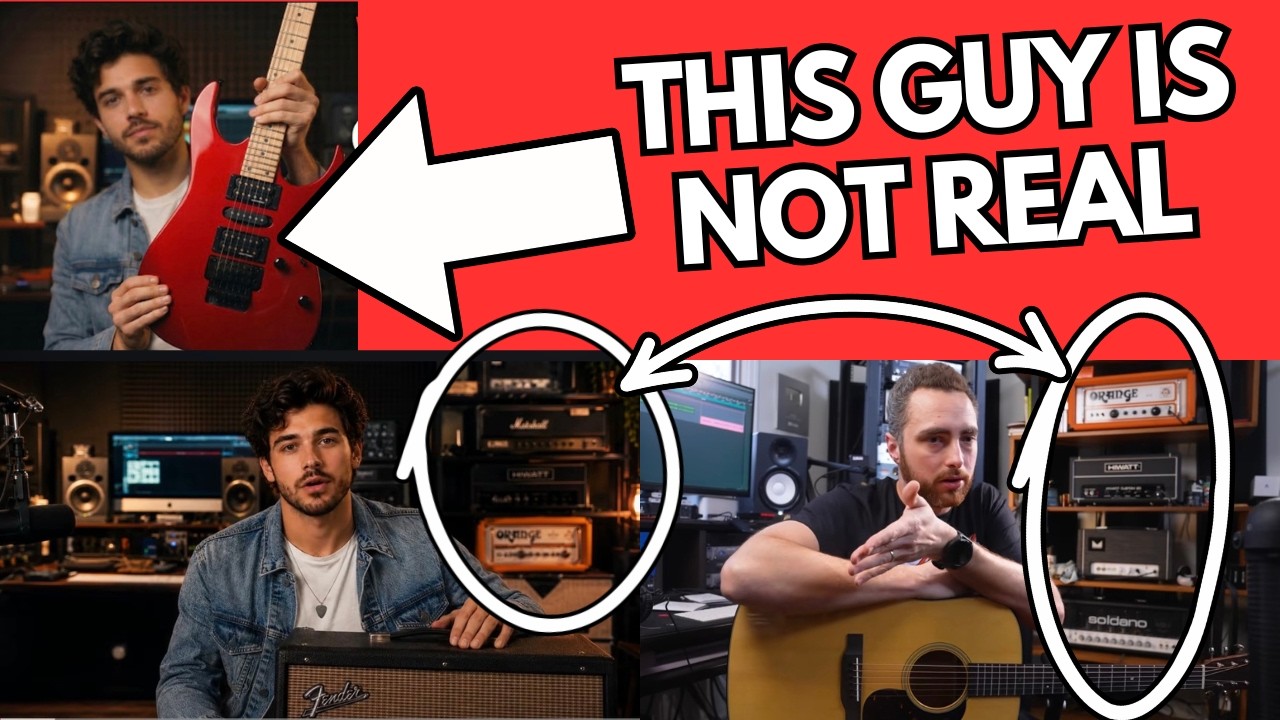
Shull pointed out, “If you’ve been following my channel since before 2021, you might recognize this background. ItS the old set I used from late 2018 until we moved into this house in 2021.”
He further noted that the AI creator, Chase, was even wearing a jacket reminiscent of one he frequently donned in his earlier videos. “This [AI-generated] creator is clearly mimicking my style,” he added.
Beyond the visual similarities, the creators behind these AI videos are also replicating the specific gear Shull featured in his past content.
“It’s evident that someone,possibly a content farm,is feeding my videos into an AI system to generate this content. I wish I could look as good as this guy!” he joked.
However, the situation took a more troubling turn when Shull discovered that the AI-generated channel was being used to disparage guitar products and reputable brands without accountability.
“The claims being made suggest that companies like Gibson, Fender, and PRS are deceiving customers by using the same machinery to produce guitars overseas,” Shull explained. “This information is entirely inaccurate.”
He continued, “If I were to make such claims in a video, I could be held liable for slander or defamation. Yet, as this is an AI creator, it truly seems there are no regulations governing this behavior in the U.S.”
Shull expressed concern that “YouTube doesn’t appear to have an issue with it,” as the AI channel is highly likely monetized and not subjected to the same standards as human creators.
“As a creator who relies on YouTube for a living, this situation doesn’t instill much confidence in the platform’s future,” he stated.
Additionally,the channel is being used to promote guitar courses,advertised as “The complete,no-BS manual that takes you from ‘I don’t know what to buy’ to ‘I own the right gear,it plays perfectly,and I got it at a fair price.’”
This so-called “4-in-1” guide is currently priced at $27, featuring topics like “The Honest Guitar buyer’s Guide 2026″ and ”The Ultimate Beginner Gear Setup,” which are presumably also AI-generated.
While comprehensive laws regarding AI are scarce and vary by region, a March 2025 ruling by the U.S. Court of Appeals for the D.C. Circuit stated that the Copyright Act “requires all eligible work to be authored in the first instance by a human being,” according to a paper by Christopher T. Zirpoli.
Furthermore, Executive Order 14365 advocates for a “single national framework” for AI but fails to address copyright and privacy issues adequately. As noted by Legal Clarity, “No single federal law governs artificial intelligence in the United States. Instead, AI regulation is fragmented across executive orders, agency guidance, existing civil rights and consumer protection statutes, and an increasing number of state laws.”
This fragmented approach does little to alleviate the concerns of creators like Shull.
On YouTube, the platform mandates that creators label AI-generated content. Recent updates to YouTube’s privacy policies allow individuals to request the removal of “AI-generated or other synthetic or altered content that simulates an identifiable individual, including their face or voice.” Though, videos are not automatically demonetized simply as they are AI-generated.
“It’s incredibly frustrating,” Shull lamented. “the fact that this is permitted on YouTube, and that the platform doesn’t take immediate action against this AI-generated nonsense, is disheartening. As a creator, this situation doesn’t inspire confidence in the future of the platform.”