Strumming Legends: Discover the 18 Greatest Irish Guitarists Who Shaped Music History!
0 reactions
4 weeks ago
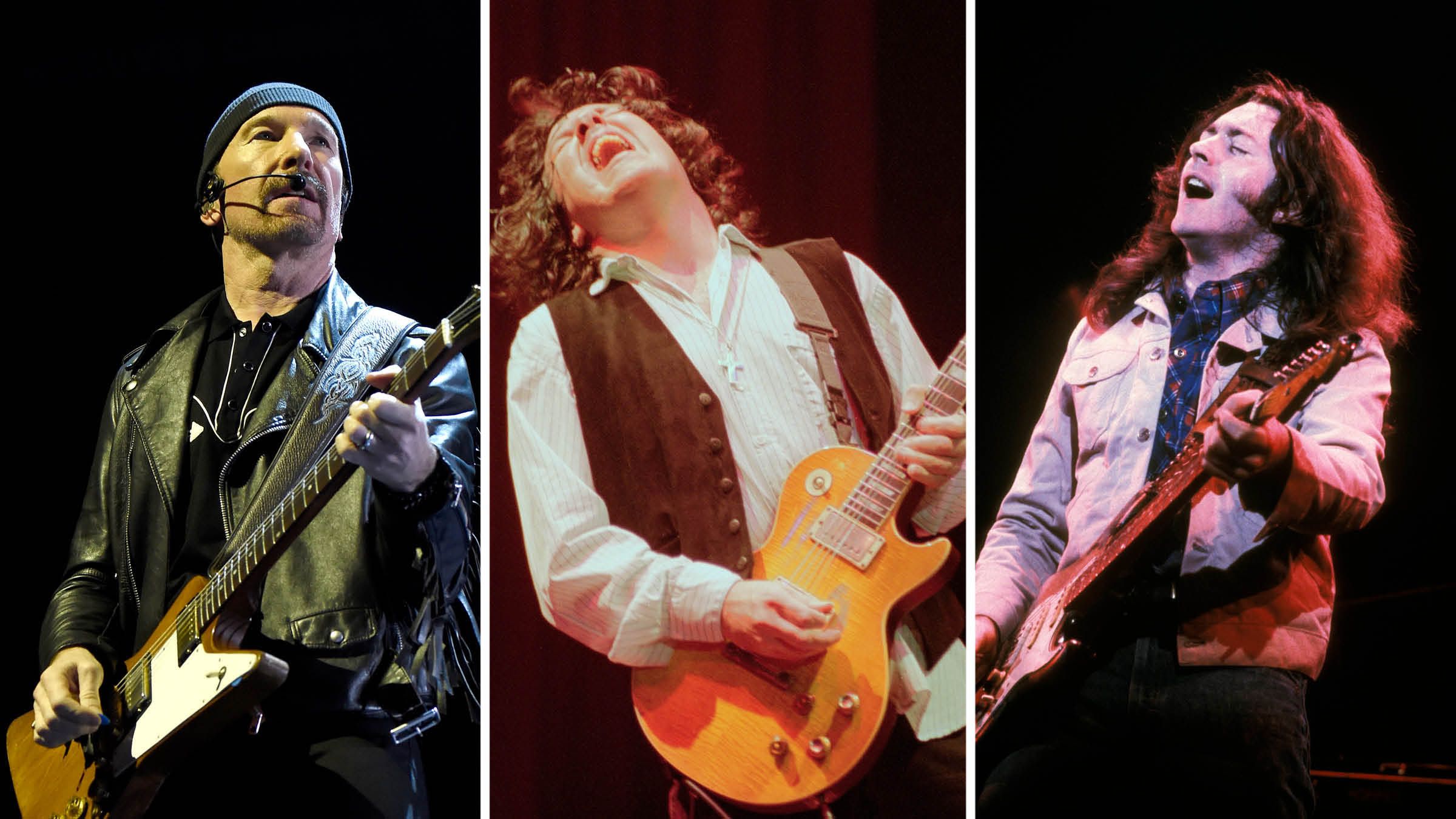
Beatbounty
With a combined population of just seven million across both Northern and Southern ireland, the nation has remarkably produced an impressive array of iconic guitarists spanning genres like blues, rock, and alternative music.
Fortunately, the past conflicts and sectarian issues that have affected Ireland have not seeped into its music scene. Artists from both Northern and Southern Ireland have consistently achieved mutual admiration and success, transcending religious divides to create a rich tapestry of musical talent.
The guitarists featured in this article represent a diverse range of musical styles, yet one name stands out prominently: Rory Gallagher.
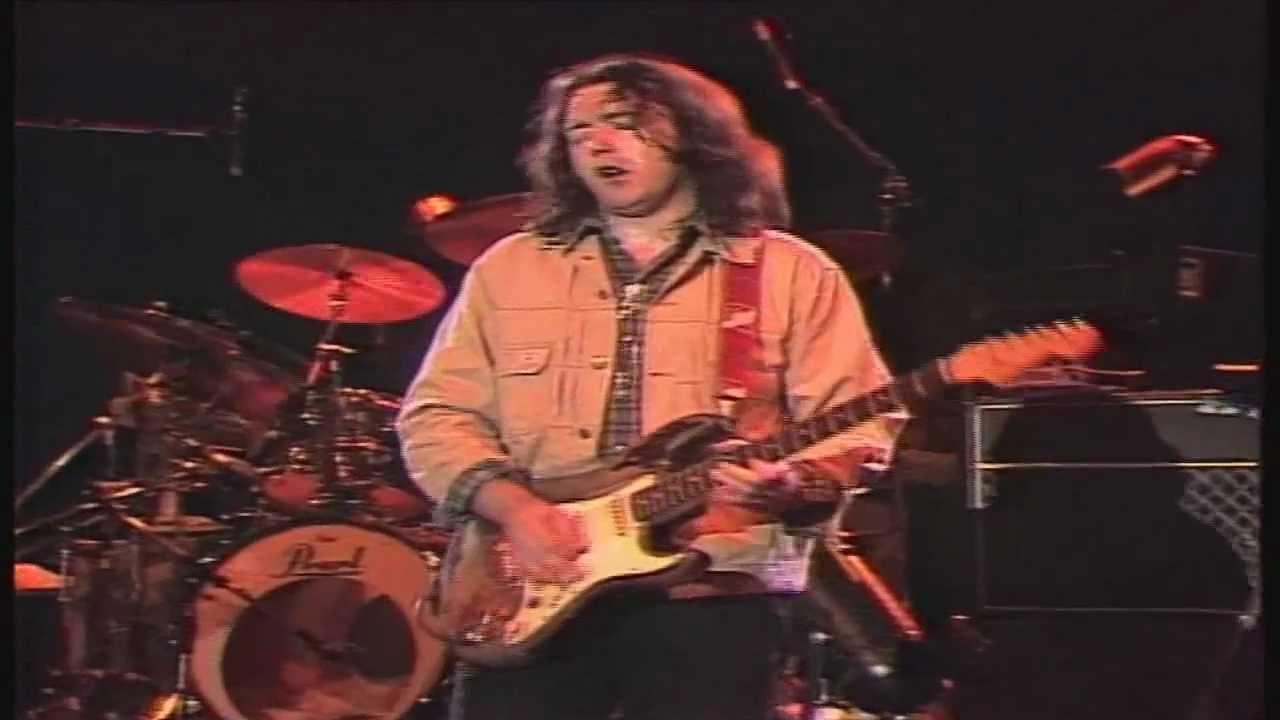
1.Rory Gallagher: The Iconic Pioneer
Rory Gallagher is undoubtedly the moast importent Irish guitarist and musician of all time.His career began with the self-titled album from his band Taste in 1969 and continued until his last release, Fresh Evidence, in 1990. throughout his journey, Gallagher maintained an exceptional standard, ensuring that each album was filled with innovative and expressive guitar work.
While Gallagher was a phenomenal acoustic player, it was his electric guitar prowess that solidified his legendary status. Armed with a well-worn Stratocaster, he explored the full spectrum of the instrument’s capabilities, crafting a unique sound that resonated deeply with audiences.
His solos were a masterclass in creativity, often incorporating techniques like wah-simulating tone knob swells, volume swells reminiscent of a violin, pinched harmonics, and even tapping-long before it became a mainstream technique.
Gallagher’s influence is vast, inspiring guitarists from Slash to Johnny Marr, Alex Lifeson, and Brian May, among many others.
Rory Gallagher – Cradle Rock (Irish Tour ’74) – YouTube
Gallagher began his musical journey at the age of nine, quickly gaining recognition by winning local talent contests by twelve. By fifteen,he had saved enough to purchase a 1961 sunburst Stratocaster for £100 (approximately $125),which he would use throughout his career.
In 1963, he joined the Fontana Showband, performing popular hits of the time. A devoted fan of blues and rock ‘n’ roll, Gallagher drew inspiration from legends like Muddy Waters, Buddy Holly, and Eddie Cochran. Realizing that the music he loved had no future in the Showband scene, he left to lead various R&B and beat groups before forming Taste in 1966.
With Taste, Gallagher finally had the opportunity to play the music he was passionate about, free from compromise. His ambitions soon outgrew the confines of the Irish music scene, prompting a move to London in 1968, where his talents found the audience they deserved. Within two years, he secured a record deal with Polydor, released three albums, and performed at the Isle of Wight Festival.
Gallagher’s legacy continues to resonate, with annual festivals celebrating his music and influence, particularly in his hometown of Cork.His contributions to the guitar world remain unparalleled,making him a true icon in the realm of music.
After the disbandment of Taste in 1970,Rory Gallagher launched a successful solo career,releasing a remarkable fourteen albums before his tragic passing in 1995 at the age of 47 due to liver complications.
Among his extensive discography, one album consistently emerges in discussions about Gallagher: Irish Tour ’74. This record serves as an ideal introduction for newcomers eager to explore the musical genius of this Irish icon.
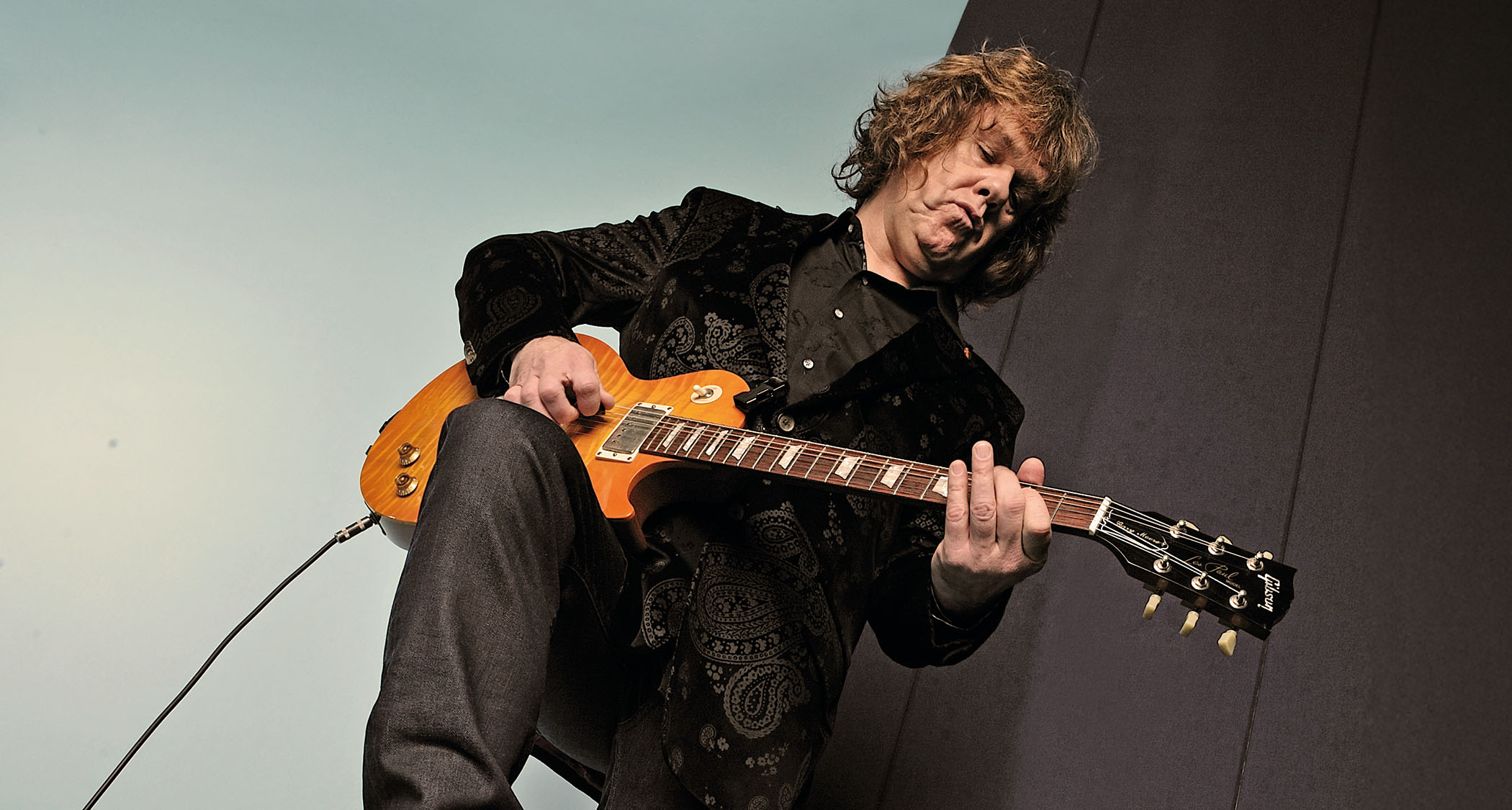
2. Gary Moore: The Blues Virtuoso
(Image credit: Future/Jesse Wild)
Gary Moore, another titan of Irish blues guitar, began his journey as a left-handed guitarist who taught himself to play right-handed. He honed his skills in various bands during the vibrant beat scene in Belfast during the mid-1960s. Interestingly, he formed a friendship with Rory Gallagher before Gallagher’s move to London in 1968.
In the same year, Moore relocated to Dublin to join Skid Row, a blues-rock band led by Phil Lynott, who departed shortly after Moore’s arrival. Moore recorded two albums with Skid Row, Skid (1970) and 34 Hours (1971), before leaving due to dissatisfaction with their musical direction. He then released his debut solo album, Grinding Stone, in 1973.
After Lynott formed Thin Lizzy in 1969, the band enjoyed a string of hits until guitarist Eric Bell’s departure in 1974. Moore was a natural choice to fill the void, even though his tenure with the band lasted only a few months.
Moore’s next venture was with the jazz-rock ensemble Colosseum II, where he spent three years. Frustrated with his career trajectory-a recurring theme in Moore’s life-he returned to Thin Lizzy in 1978 for another brief stint before committing to a solo career.
His metal-influenced albums, starting with Back On The Streets (1978) and culminating with After The War (1989), garnered significant success in both Europe and the United States. Moore’s explosive guitar technique perfectly complemented the high-energy rock he was known for, with each track featuring breathtaking solos.
Despite his success, Moore often expressed a desire to return to the blues that initially inspired him. After discussing his feelings with bandmates, he was encouraged to create a blues album.The result, Still Got The blues (1990), marked his full embrace of his first musical love.
Moore took Clapton’s blueprint of Les Paul and Marshall fueled blues grit and ramped it up to a whole new level of intensity.
Citing the legendary Bluesbreakers album featuring eric Clapton as a major influence, Moore elevated Clapton’s raw blues sound to new heights.His fiery solos captivated rock fans, bridging the gap between rock and blues.
In his later works, Moore toned down the frenetic solos for a more traditional blues sound, yet his playing remained fierce and passionate.
Moore was often seen with “Greeny,” the iconic Les Paul he acquired from his idol, Peter Green of Fleetwood Mac. He continued to record and tour successfully until his untimely death from a heart attack at the age of 58 in 2011.
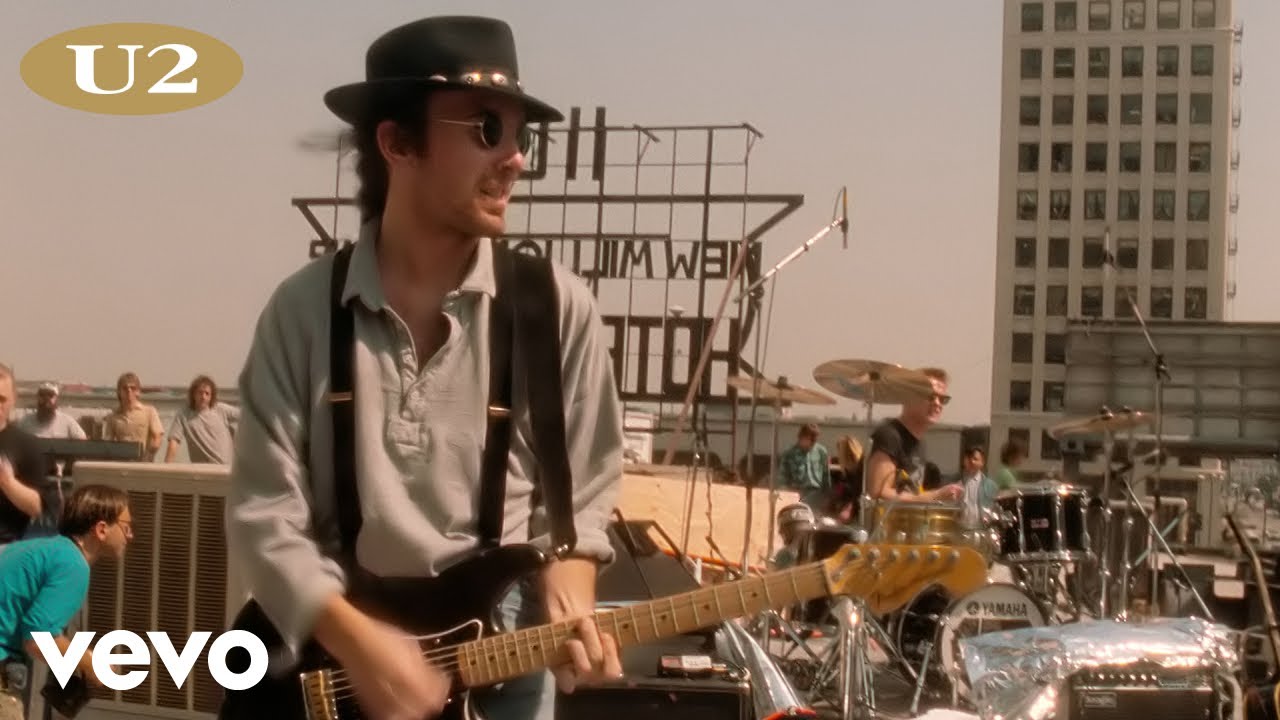
3.the Edge: The Sonic Innovator
U2 – Where The Streets Have No Name (Official Music Video) – YouTube
Born David Evans in England in 1961, The Edge moved to Dublin the following year and is celebrated as an honorary Irishman due to his significant contributions to Irish music with U2, a band he formed with schoolmates in 1976.
Unlike the raw blues styles of Gallagher and moore, The Edge is known for his innovative approach to sound, particularly his creative use of delay pedals. this distinctive style set him apart,especially as U2 emerged from the same creative environment as the Irish punk scene.
While contemporaries like The Undertones and Stiff Little Fingers embraced a more aggressive sound, U2 opted for a mainstream approach that propelled them to global stardom, establishing them as the most successful Irish band in history.
The Edge employs a straightforward and technically minimalist style, utilizing basic voicings, harmonics, and droning open strings. This approach creates ample space in the sonic landscape for his intricate signal processing techniques to shine.
As a guitarist dedicated to enhancing the song, the Edge ensures that every note he plays is purposeful and executed with precision. His influences are evident in his work,particularly from artists like Tom verlaine and John McGeoch,while his admiration for Rory Gallagher is also well-documented,albeit less pronounced in his playing style.
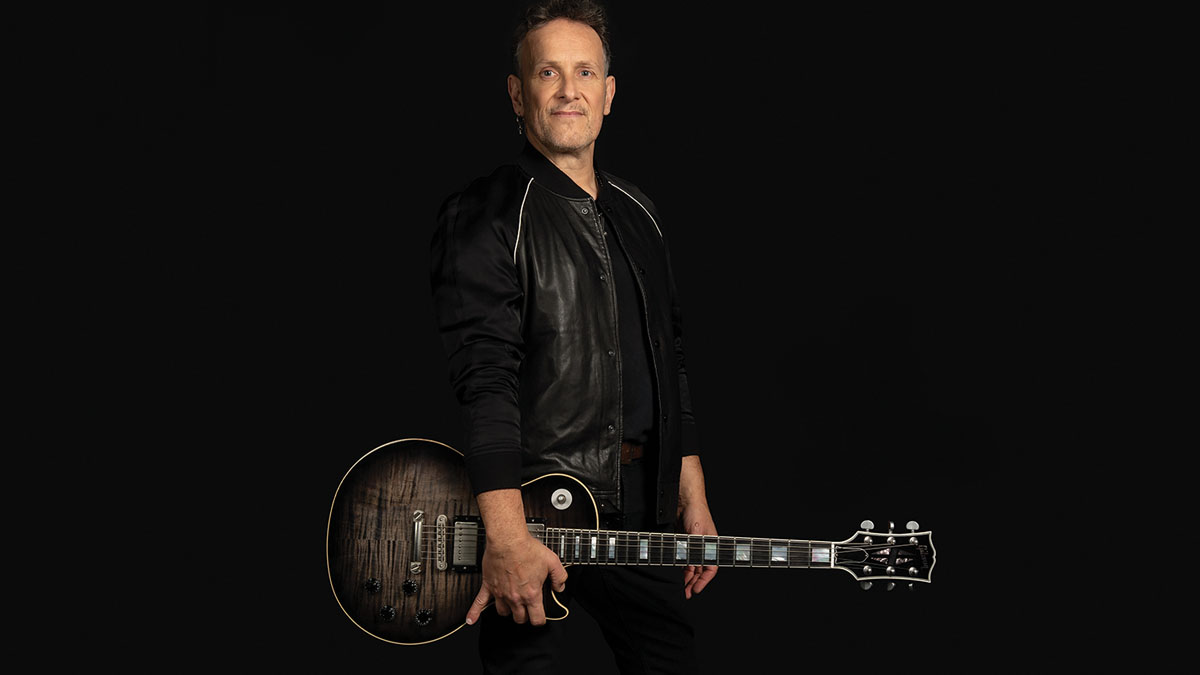
4. Vivian Campbell: The Shredder
(image credit: Future / Kevin Nixon)
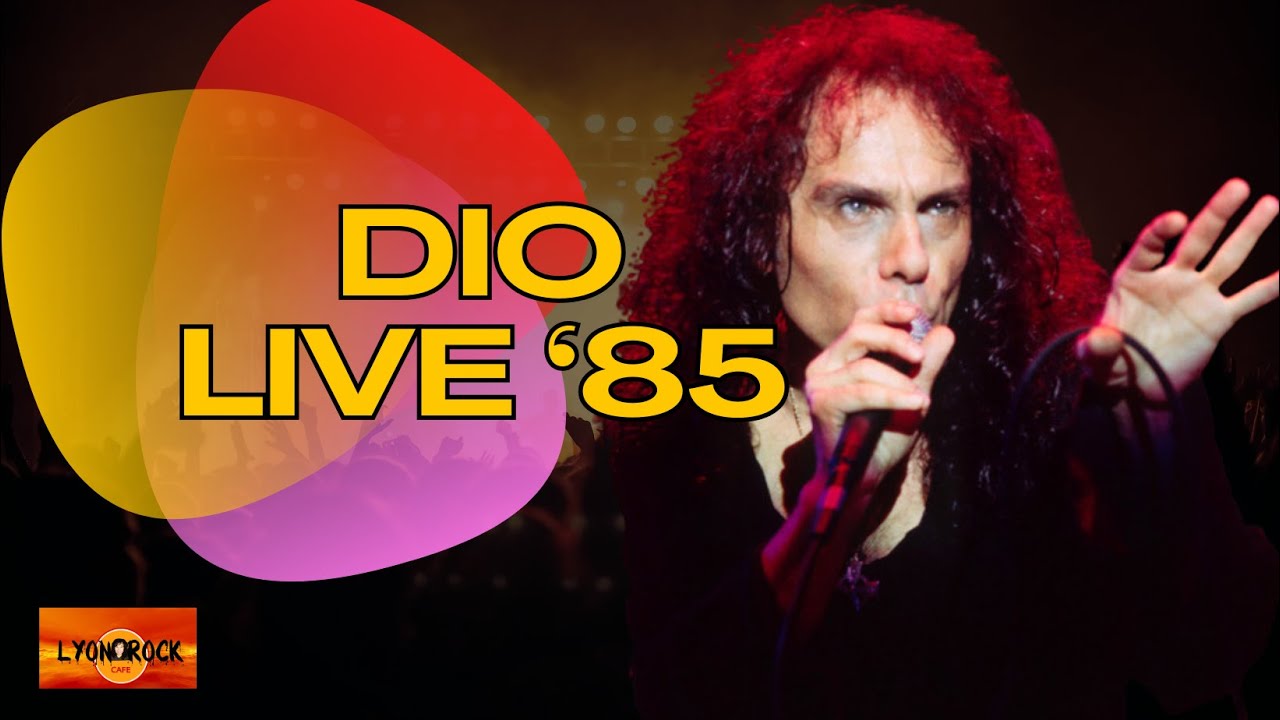
Vivian Campbell has been a prominent member of Def Leppard for over three decades. Before that, he gained recognition as a guitarist in the band Sweet Savage from 1979 to 1983, leveraging that exposure to establish himself as a rising star in the heavy metal scene through his work with Dio.
Influenced by the legendary Rory Gallagher and Gary moore, along with rock icons like Marc Bolan and Mick Ronson, Campbell’s style during his time with Dio reflected the excess and virtuosity characteristic of the 1980s hair metal era.
Joining Dio in 1983, Campbell recorded three albums before leaving under contentious circumstances. He has expressed dissatisfaction with his time in the band, attributing it more to business disagreements than to musical conflicts.
“DIO” LIVE ’85 – Vivian Campbell on guitar – Good quality! - YouTube
After his stint with Dio, Campbell joined Whitesnake for a year but departed due to the familiar issue of ‘musical differences.’ He spent some time collaborating with various artists and found success with his band Riverdogs before the opportunity to join Def Leppard arose in 1992, following the tragic passing of Steve Clark.
For Campbell, joining Def Leppard was a dream come true. “It was incredible to be part of a band with people I genuinely liked, playing fantastic anthemic rock songs and actually being compensated fairly,” he remarked.
5. Bernie Tormé: The Rock Innovator
inspired by Rory Gallagher and Gary Moore, along with the classic rock sounds of Jimi Hendrix and Jeff Beck, bernie Tormé spent his formative years gaining experience in various minor bands in Ireland before following in the footsteps of his idols to London.
Upon arriving in England in 1974, Tormé took a couple of years to establish himself before forming The Bernie Tormé Band.As the punk movement surged,he adapted his style to align with the new wave acts of the time.
However, Tormé’s band often felt like an odd fit within that scene. His next significant move was joining Ian Gillan’s band,Gillan,in 1979,which proved to be a much more harmonious partnership. Gillan was enjoying considerable success at that time, with a string of hit singles and albums.
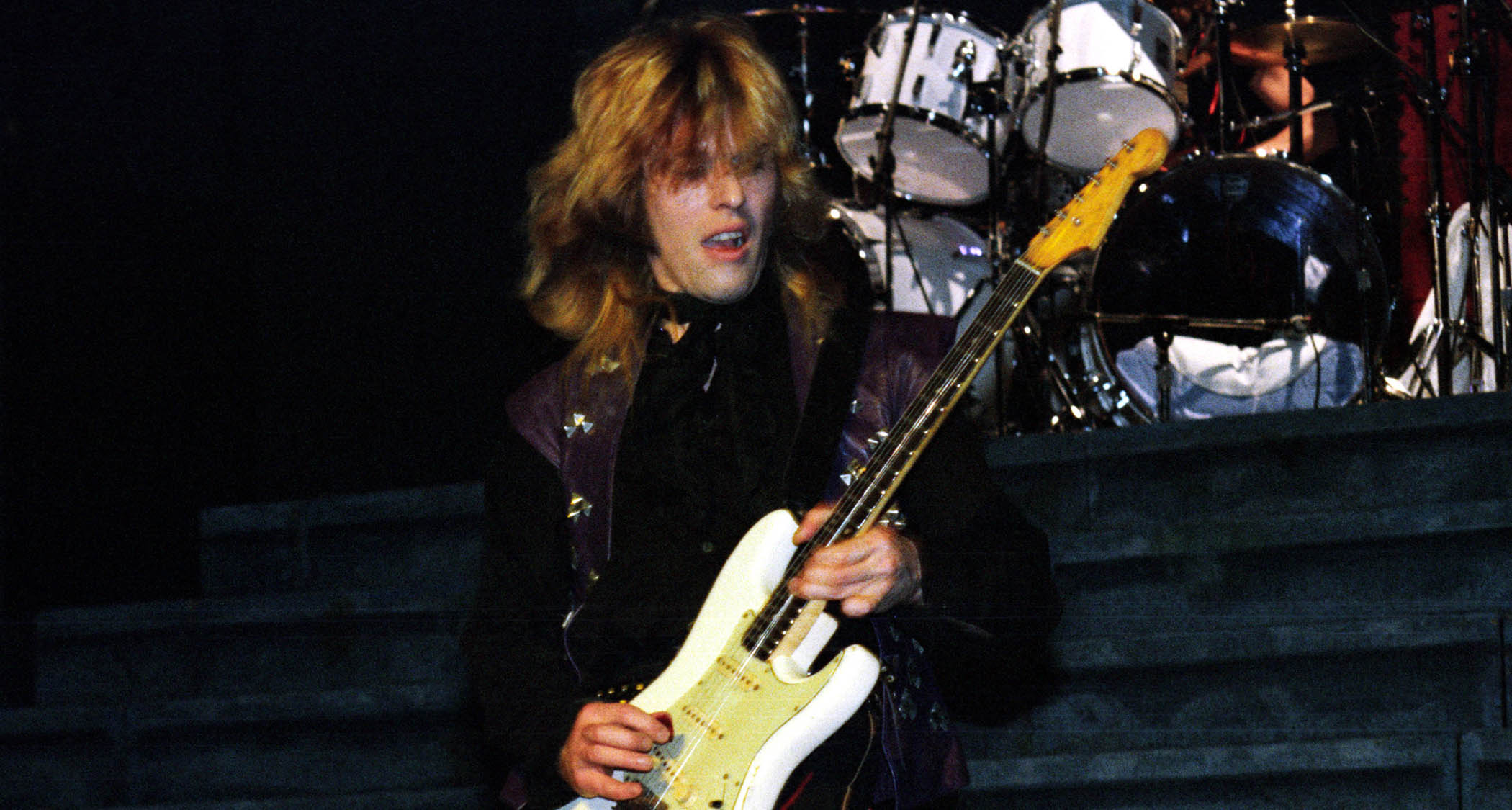
(image credit: Larry Marano/Getty Images)
Tormé’s guitar work was prominent, showcasing impressive skills paired with a flamboyant visual style that made him a key figure in the UK rock scene during the late 1970s and early 1980s.His rising profile was evident when he briefly replaced Randy Rhoads in Ozzy Osbourne’s band, completing a series of tour dates.
after a few months with Osbourne, Tormé formed several solo projects, most notably Tormé, which featured Phil Lewis from L.A. Guns on vocals. Unfortunately, his career seemed to decline in the latter part of his life, despite his evident talent and ability to fit into any band of the era.
Tragically, like many on this list, Tormé passed away prematurely in 2019 at the age of 66 after battling illness.
6. Eric Bell: The Founding guitarist
Thin Lizzy – The Rocker (official Audio) – YouTube
Eric Bell emerged from the same vibrant music scene as Rory Gallagher and Gary Moore. He briefly played with Van Morrison’s band, Them, in 1966. In 1969, he co-founded Thin Lizzy alongside Phil Lynott, although the band had to relocate to London to secure a record deal with Decca Records at the beginning of the 1970s.
Thin Lizzy quickly became a major live attraction, releasing three albums and a series of classic singles, including The Rocker, which Bell co-wrote, and their iconic rendition of the traditional Irish song, Whisky In The Jar.Bell’s contributions to the intro and solos of this track helped solidify its place in rock history.
Bell has mentioned that it took numerous attempts before he finally settled on the distinctive introduction for Whisky In The Jar. Though, he left Thin Lizzy in 1973 due to frustrations regarding his reliability. The pressures of the band’s demanding schedule and the temptations that come with rock stardom proved overwhelming for him.
After stepping back from the spotlight for many years, Bell released The Acoustic Sessions in 2024, an acoustic reinterpretation of early Thin Lizzy tracks featuring phil Lynott’s original vocals.
7. Kevin Shields: The Sonic Pioneer
my bloody valentine – you made me realise (official video) – YouTube
Kevin Shields,the mastermind behind My Bloody Valentine,formed the band in 1983 and released their debut EP,Geek!,in 1985. his avant-garde approach to guitar playing involved unconventional tunings and extensive sonic manipulation, pushing the boundaries of sound through a complex array of effects pedals.
Shields’ distinctive right-hand technique, utilizing the long whammy bar on his Jazzmaster, allowed him to subtly alter the pitch of his chords while strumming, contributing to the disorienting wall of sound characteristic of the band’s music.
In contrast to the dense layers of delay and distortion, the vocal melodies that soared above Shields’ soundscapes were melodically rich, contributing to the band’s enduring success.
8/9. Carlos O’Connell & Conor Curley: The Dynamic Duo
Fontaines D.C. – Desire (Official music video) – YouTube
Fontaines D.C. represents the forefront of contemporary Irish music, featuring the impressive guitar duo of Carlos O’Connell and Conor Curley. Interestingly, their vocalist, Grian Chatten, is also an accomplished guitarist.
Even though Chatten doesn’t frequently enough play guitar during live performances, he contributed a standout solo on the band’s latest album, Romance (2024). O’Connell recalls, “Conor and I were brainstorming ideas for Death Kink when Grian suggested something, and he nailed it in just one take.”
O’Connell and Curley prefer intricate, layered guitar lines over flashy solos, yet their appreciation for traditional guitar techniques is evident in the warm tones they produce. O’Connell often plays a signature Rory Gallagher Stratocaster.
“I wasn’t a fan of Rory when I bought the guitar-I didn’t listen to much blues at the time; I just thought it looked cool. As then, I’ve explored his music and realized he was a genius,” O’Connell reflects.
10. Josh Jenkinson: The Rising Star
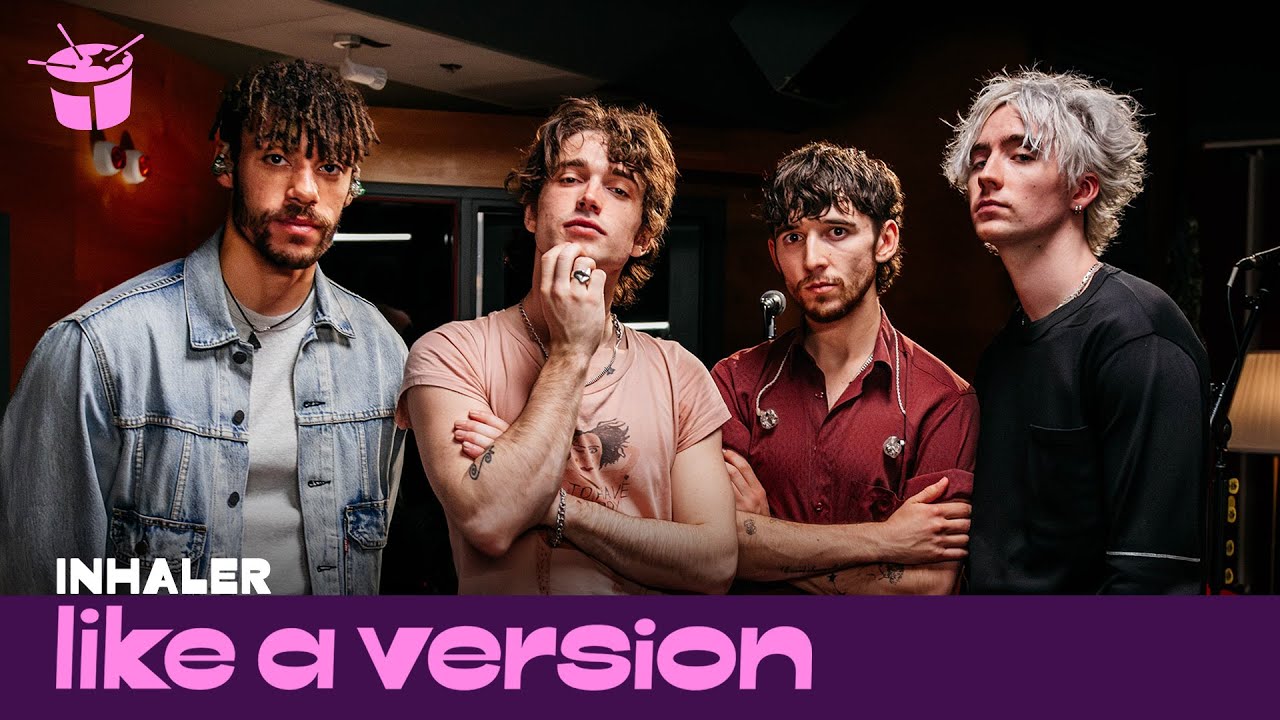
Inhaler - ‘Billy (Yeah Yeah Yeah)’ (live for Like A Version) - YouTube
Eric Bell emerged from the same vibrant music scene as Rory Gallagher and Gary Moore. He briefly played with Van Morrison’s band, Them, in 1966. In 1969, he co-founded Thin Lizzy alongside Phil Lynott, although the band had to relocate to London to secure a record deal with Decca Records at the beginning of the 1970s.
Thin Lizzy quickly became a major live attraction, releasing three albums and a series of classic singles, including The Rocker, which Bell co-wrote, and their iconic rendition of the traditional Irish song, Whisky In The Jar. Bell’s contributions to the intro and solos of this track helped solidify its place in rock history.
Bell has mentioned that it took numerous attempts before he finally settled on the distinctive introduction for Whisky In The Jar. However, he left Thin lizzy in 1973 due to frustrations regarding his reliability.The pressures of the band’s demanding schedule and the temptations that come with rock stardom proved overwhelming for him.
After stepping back from the spotlight for many years, Bell released The Acoustic Sessions in 2024, an acoustic reinterpretation of early Thin Lizzy tracks featuring Phil Lynott’s original vocals.
7. Kevin Shields: The Sonic Pioneer
my bloody valentine - you made me realise (official video) – YouTube
Kevin Shields, the mastermind behind My Bloody Valentine, formed the band in 1983 and released their debut EP, Geek!, in 1985.His avant-garde approach to guitar playing involved unconventional tunings and extensive sonic manipulation, pushing the boundaries of sound through a complex array of effects pedals.
Shields’ distinctive right-hand technique, utilizing the long whammy bar on his Jazzmaster, allowed him to subtly alter the pitch of his chords while strumming, contributing to the disorienting wall of sound characteristic of the band’s music.
In contrast to the dense layers of delay and distortion,the vocal melodies that soared above Shields’ soundscapes were melodically rich,contributing to the band’s enduring success.
8/9. Carlos O’Connell & Conor Curley: The dynamic Duo
Fontaines D.C. represents the forefront of contemporary Irish music, featuring the impressive guitar duo of Carlos O’Connell and Conor Curley.Interestingly, their vocalist, Grian Chatten, is also an accomplished guitarist.
Even though Chatten doesn’t frequently enough play guitar during live performances, he contributed a standout solo on the band’s latest album, Romance (2024). O’Connell recalls,”Conor and I were brainstorming ideas for Death kink when Grian suggested something,and he nailed it in just one take.”
O’Connell and Curley prefer intricate, layered guitar lines over flashy solos, yet their appreciation for traditional guitar techniques is evident in the warm tones they produce. O’Connell often plays a signature Rory Gallagher Stratocaster.
“I wasn’t a fan of Rory when I bought the guitar-I didn’t listen to much blues at the time; I just thought it looked cool. As then, I’ve explored his music and realized he was a genius,” O’Connell reflects.
10. Josh jenkinson: The Rising Star
Inhaler – ‘Billy (Yeah Yeah Yeah)’ (live for Like A Version) – YouTube
Inhaler, much like Fontaines D.C., is at the forefront of a new wave of Irish rock bands, achieving significant commercial success with their indie/pop-infused rock sound. This is particularly notable as their lead vocalist, Eli Hewson, is the son of Bono from U2.
Josh Jenkinson adopts a textured, arpeggio-driven style for his guitar work, focusing on tight, economical hooks rather than flashy displays. He draws inspiration from the legendary Phil Lynott of Thin Lizzy.
“Seeing someone like me,who is mixed race,in the music scene was incredibly inspiring. It gave me the confidence to pursue my own musical aspirations,” Jenkinson shares.
11. Dom Martin: The Next Generation
Dom Martin – “Messing With The Kid” (Mel London) – YouTube
Among the new generation of Irish blues guitarists, Dom Martin stands out as a potential successor to Rory Gallagher. A highly skilled player on both acoustic and electric guitar, Martin openly acknowledges the significant influence Gallagher has had on his music.
“Rory Gallagher is my primary influence. Sadly, I was only four years old when he passed away, but his music and playing style left a lasting impact on me. I spent countless hours in my bedroom listening to and playing along with his records,” Martin reflects.
“He truly played from the heart and soul, which is what matters most in self-expression. I have been inspired by Rory for provided that I can remember, and I owe him a great deal,” he adds.
12. simon McBride: The Versatile Virtuoso
Deep Purple Live Feat Simon McBride flirting With Gary Moore RIP – YouTube
Simon McBride stepped into the formidable role of guitarist for the legendary rock band Deep Purple, following in the footsteps of Ritchie Blackmore and Steve Morse. He officially joined the band in 2022. Interestingly, he shares a connection with fellow Irish guitarist Vivian Campbell, having played in the reformed version of Sweet Savage, Campbell’s first notable band.
McBride first gained recognition when he won the Guitarist magazine’s Young Guitarist of the Year competition in 1993 at just 15 years old.
Given his early achievements, McBride possesses exceptional skills.He not only replicates the classic solos from Deep Purple’s extensive history but also infuses his own distinctive style into the band’s newer material. In addition to his work with Deep Purple, he continues to lead his own band.
13. Muireann Bradley: The Rising Star
Muireann Bradley – not Going Back [Official visualiser] - YouTube
Muireann Bradley gained significant attention in the UK in 2021 at the age of 15, showcasing her remarkable ability to replicate the intricate styles of early 20th-century American acoustic blues musicians through her YouTube videos.
In addition to her impressive technical skills, Bradley possesses a warm and engaging vocal tone, which helped her gain exposure on UK television. In 2023, she made an unexpected entry into the British album charts with her release, I Kept These Old Blues, standing out in an era dominated by homogenized, digitally processed music.
She is set to perform in the United States later this year, aiming to expand her success beyond Europe.
14. Jake Burns: The Punk Pioneer
stiff Little Fingers – Alternative Ulster (Live At Rockpalast 1980) – YouTube
jake Burns continues to lead Stiff Little Fingers, a band that emerged from the vibrant Irish punk scene in 1977/78. The band was unafraid to tackle raw and relevant topics during a time of significant religious conflict in Northern Ireland, with song titles like Wasted Life, Suspect Device, and Alternative Ulster, the latter featuring one of the most iconic guitar intros in punk history.
Burns infused his guitar playing with as much passion as his powerful vocals. His primary influence is a familiar name on this list: “I saw Taste on TV when I was 11, and their sound completely captivated me. At that moment,I decided I wanted to be Rory Gallagher,” he recalls.
15. Damian O’Neill: The Melodic Innovator
Emerging from the same Northern Irish scene as Stiff Little Fingers, The undertones brought a pop sensibility to their punk-inspired sound. Damian O’Neill’s straightforward yet effective guitar riffs are a crucial element of the band’s music, particularly evident in their iconic 1978 hit, Teenage Kicks.
One of O’neill’s key influences is Billy Harrison, the lead guitarist of Them. “Just listen to his slick, choppy blues licks on Baby Please Don’t Go, his eerie slide guitar on One, Two, Brown Eyes, and his simple yet impactful solo on Gloria. You can see why his playing left such a mark on a young guitarist like me. It felt as if Billy was improvising as the tape rolled, and the energy in his playing is incredibly exciting,” O’Neill reflects.
16. Billy Harrison: The Unsung Hero
Billy Harrison was a member of Them, frequently enough regarded as Ireland’s answer to the Rolling Stones during the mid-1960s UK R&B explosion, which saw many bands drawing from the Chess Records catalog.
Fronted by Van Morrison, Them not only covered popular songs but also produced original hits like Here Comes The Night and Gloria, both of which are considered proto-punk and garage classics.
Although Harrison is frequently overlooked in the history of Irish music, he contributed some of the most innovative guitar work of his time, standing out when many of his peers were content to recycle Chuck Berry riffs.
17. Andy Cairns: the Alternative Rock Icon
Therapy? – Screamager – YouTube
Simon McBride took on the challenging role of succeeding legendary guitarists Ritchie Blackmore and Steve Morse as the newest member of Deep Purple, officially joining the band in 2022. He shares a connection with fellow Irish guitarist Vivian campbell, having previously played in the reformed version of Sweet Savage, Campbell’s first notable band.
McBride first gained attention when he won the Guitarist magazine’s Young Guitarist of the Year award in 1993 at the young age of 15.
Given his early accomplishments, McBride possesses remarkable skills. He not only replicates the classic solos from Deep Purple’s extensive catalog but also infuses his own distinctive flair into the band’s newer material. along with his commitments with Deep Purple, he continues to lead his own band.
13. Muireann Bradley: The Emerging Talent
Muireann Bradley – Not Going Back [Official Visualiser] – YouTube
Muireann Bradley rose to prominence in the UK in 2021 at just 15 years old,showcasing her exceptional talent for recreating the intricate styles of early 20th-century American acoustic blues musicians through her YouTube videos.
Along with her impressive technical skills, Bradley possesses a warm and engaging vocal tone, which helped her gain exposure on UK television. In 2023, she made an unexpected entry into the British album charts with her release, I Kept These Old Blues, standing out in an era dominated by homogenized, digitally processed music.
She is set to perform in the United States later this year, aiming to expand her success beyond Europe.
14. Jake Burns: The Punk icon
stiff little Fingers – Alternative Ulster (Live At Rockpalast 1980) – YouTube
Jake Burns continues to lead Stiff Little Fingers, a band that emerged from the vibrant Irish punk scene in 1977/78. The band was unafraid to tackle raw and relevant topics during a time of significant religious conflict in Northern Ireland, with song titles like Wasted Life, Suspect Device, and Alternative Ulster, the latter featuring one of the most iconic guitar intros in punk history.
Burns infused his guitar playing with as much passion as his powerful vocals. His primary influence is a familiar name on this list: “I saw Taste on TV when I was 11,and their sound completely captivated me. At that moment, I decided I wanted to be Rory Gallagher,” he recalls.
15. Damian O’Neill: The Melodic Innovator
Emerging from the same Northern Irish scene as Stiff Little Fingers, The Undertones brought a pop sensibility to their punk-inspired sound. Damian O’Neill’s straightforward yet effective guitar riffs are a crucial element of the band’s music, particularly evident in their iconic 1978 hit, Teenage Kicks.
One of O’Neill’s key influences is Billy Harrison,the lead guitarist of Them. “Just listen to his slick, choppy blues licks on Baby please Don’t Go, his eerie slide guitar on one, Two, Brown Eyes, and his simple yet impactful solo on Gloria. You can see why his playing left such a mark on a young guitarist like me. It felt as if Billy was improvising as the tape rolled,and the energy in his playing is incredibly exciting,” O’Neill reflects.
16. Billy Harrison: The Unsung Hero
Billy Harrison was a member of Them, frequently enough regarded as Ireland’s answer to the Rolling Stones during the mid-1960s UK R&B explosion, which saw many bands drawing from the Chess Records catalog.
Fronted by Van Morrison, Them not only covered popular songs but also produced original hits like Here Comes The Night and Gloria, both of which are considered proto-punk and garage classics.
Although Harrison is frequently overlooked in the history of Irish music, he contributed some of the most innovative guitar work of his time, standing out when many of his peers were content to recycle chuck Berry riffs.
17. andy Cairns: The Alternative Rock Icon
Therapy? – Screamager – YouTube
Andy Cairns is the frontman and guitarist for Therapy?, a band that blends classic rock elements with catchy melodies and a touch of post-punk urgency, creating a distinctive sound that Cairns describes as “The Undertones meets Metallica.”
Their albums Troublegum (1994) and Infernal love (1995) achieved significant success globally, although they faced challenges in breaking into the American market.
Cairns draws inspiration from the punk explosion,particularly from bands like The Clash and the Buzzcocks,and also Irish punk legends stiff Little fingers and The Undertones. His guitar work remains focused on elevating the band’s anthemic rock songs without indulging in the typical theatrics of rock performances.
18. Henry McCullough: The Versatile Guitarist
Henry McCullough began his career with Eire Apparent before moving to london in 1967, where he shared a manager with the legendary Jimi Hendrix, Chas Chandler. By 1970, he had joined Joe Cocker’s Grease Band, contributed to a Spooky Tooth album titled The Last Puff, and performed at Woodstock with cocker.
He later spent 18 months with Wings, joining them in 1972. Although he played on Red Rose Speedway and several singles, differences with Paul McCartney led to his departure in 1973, just before the recording of Band On The Run. Following this, McCullough’s career faced challenges, with only sporadic session work keeping him afloat until the late 1970s.
One of the most unexpected turns in his career occurred in 1977 when he filled in for the recently departed Wilko Johnson during a few Dr. Feelgood shows-a surprising combination. McCullough passed away in 2016 after battling illness.
Strumming Legends: Discover the 18 Greatest Irish Guitarists who Shaped Music History!
strumming Legends: Discover the 18 Greatest irish Guitarists Who Shaped Music History!
1. Rory Gallagher
Rory Gallagher is frequently enough hailed as the most influential Irish guitarist of all time. His unique blend of blues, rock, and folk has left an indelible mark on the music world. With a career spanning over two decades, Gallagher’s albums, such as Irish Tour ’74 and Deuce, showcase his remarkable talent and passion for music.
2. Gary Moore
Another giant in the realm of Irish guitarists, Gary Moore was known for his powerful blues-rock style. His albums, including still Got the Blues, highlight his astonishing technique and emotional depth.Moore’s ability to blend rock with blues has inspired countless musicians worldwide.
3. The Edge
As the guitarist for U2, The Edge has redefined rock music with his innovative use of effects and unique playing style. His contributions to iconic tracks like Where the Streets Have No Name and With or Without You have solidified his place in music history.
4.Vivian Campbell
known for his work with Def Leppard and Dio, Vivian Campbell has made significant contributions to rock music. His ability to blend melodic lines with powerful riffs has made him a sought-after guitarist in the industry.
5. Eric Bell
As a founding member of thin Lizzy,Eric Bell played a crucial role in shaping the band’s sound. His work on tracks like Whiskey in the Jar showcases his exceptional guitar skills and songwriting abilities.
6. Andy Cairns
Fronting the band Therapy?, Andy cairns combines punk rock energy with melodic sensibilities. His guitar work is characterized by tight riffs and anthemic choruses, making him a standout figure in the alternative rock scene.
7. Henry McCullough
Henry McCullough’s career includes stints with Joe cocker and Wings. His guitar solos on tracks like My Love demonstrate his versatility and skill,making him a respected figure in rock music.
8. Damian O’Neill
As a member of The Undertones, Damian O’Neill contributed to the band’s catchy punk sound. His guitar work on hits like Teenage Kicks remains influential in the punk genre.
9. Muireann Bradley
A rising star in the Irish music scene, Muireann Bradley has gained recognition for her acoustic guitar skills and soulful voice. Her recent album, I Kept These Old Blues, showcases her talent and dedication to the craft.
10. Josh Jenkinson
As a member of Inhaler, Josh Jenkinson brings a fresh sound to the Irish rock scene. His textured guitar lines and melodic hooks have contributed to the band’s success, appealing to a new generation of music lovers.
11.Dom Martin
Dom Martin is known for his exceptional acoustic and electric guitar skills, drawing inspiration from Rory Gallagher. His heartfelt performances and dedication to blues music have earned him a loyal following.
12. Kevin Shields
As the frontman of My Bloody valentine, Kevin Shields is known for his innovative guitar techniques and unique sound. His work has influenced countless artists in the shoegaze and alternative rock genres.
13. Carlos O’connell
Part of the band Fontaines D.C., Carlos O’connell is known for his intricate guitar work and engaging stage presence. His contributions to the band’s sound have helped them gain international acclaim.
14. Conor Curley
Also a member of Fontaines D.C., Conor Curley complements O’Connell’s style with his own unique approach to guitar playing. Together, they create a dynamic sound that resonates with fans around the world.
15. Billy Harrison
Billy Harrison, a member of Them, played a significant role in the Irish rock scene during the 1960s. His guitar work on tracks like Gloria has left a lasting impact on the genre.
16. Jake Burns
As the lead singer and guitarist of Stiff Little Fingers,Jake Burns has been a prominent figure in punk rock since the late 1970s.His powerful lyrics and guitar riffs have resonated with fans for decades.
17. Bernie Tormé
Known for his work with Ozzy Osbourne and Gillan, Bernie Tormé’s guitar skills have made him a respected figure in rock music. His ability to blend various styles has set him apart from his peers.
18. Simon McBride
Simon McBride,the latest addition to Deep Purple,has made a name for himself with his impressive guitar skills and stage presence. His journey from winning Guitarist magazine’s Young Guitarist of the year to joining a legendary band is a testament to his talent.
Benefits of Learning from These Legends
inspiration: Each guitarist has a unique story and style that can motivate aspiring musicians.
Technique: Studying their techniques can enhance your own playing skills.
creativity: Learning how these artists express themselves can help you develop your own musical voice.
Practical tips for Aspiring Guitarists
Listen to a variety of music styles to broaden your understanding of guitar techniques.
Practice regularly and focus on mastering the fundamentals.
Experiment with different tunings and effects to find your unique sound.
Attend live performances to gain insight into stage presence and audience engagement.
connect with other musicians to collaborate and learn from one another.
Case studies: Success Stories
Artist
Notable Work
Influence
Rory Gallagher
Irish Tour ’74
Blues and Rock
Gary Moore
Still Got the Blues
Blues Rock
The Edge
U2’s Greatest Hits
Alternative Rock
Muireann Bradley
I Kept these Old Blues
Acoustic Blues
Join the Beatbounty platform today to connect with fellow musicians and share your own musical journey. Create an account and submit an ad to showcase your talent!





![Muireann Bradley - Not Going Back [Official Visualiser]](https://img.youtube.com/vi/dFfkq7ckuEc/maxresdefault.jpg "Strumming Legends: Discover the 18 Greatest Irish Guitarists Who Shaped Music History! 39")