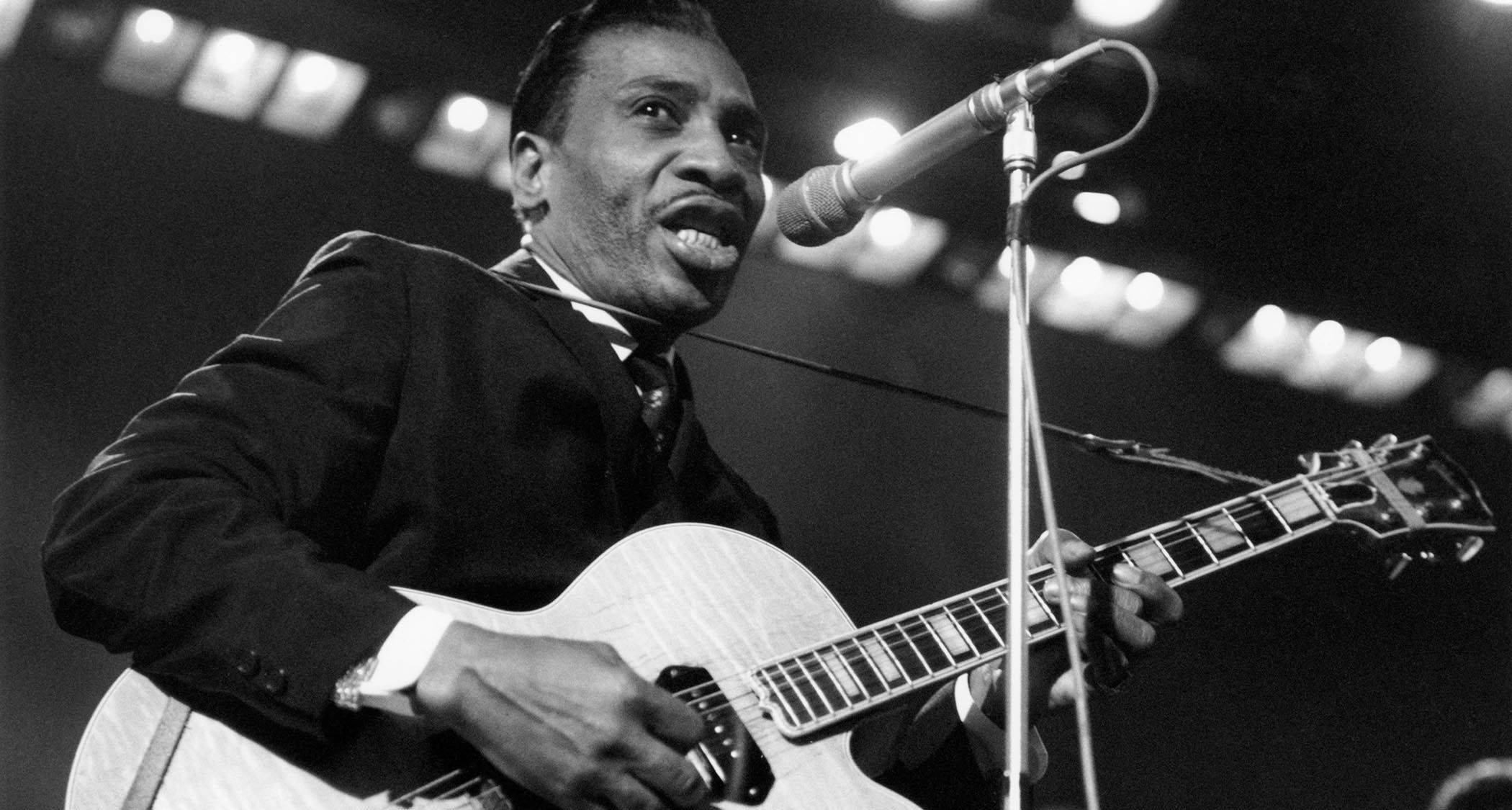
The Legacy of T-Bone Walker: The Architect of Electric Blues Guitar
T-Bone Walker is often credited as the pioneering force behind the electric blues guitar, crafting a sound that would shape the genre for generations.His innovative licks and techniques are woven into nearly every amplified blues guitar solo today, whether the guitarist is aware of it or not. Just listen to legends like Jimi Hendrix, Eric Clapton, Stevie Ray Vaughan, B.B. King, or Joe Bonamassa, and you’ll hear echoes of T-Bone’s groundbreaking work from the 1940s.
This trailblazing guitarist transformed the electric guitar from a nascent instrument into a powerful voice in music, a feat that had never been accomplished before. Prior to his influence, the front of the band was dominated by brass instruments, with horn players like trumpet and saxophone leading the charge. Alongside jazz virtuoso Charlie Christian, T-Bone challenged these musicians, paving the way for guitarists to take center stage.
The Evolution of the Electric Guitar
By the late 1940s and early 1950s, the electric guitar had become a staple for blues musicians. But what set T-Bone walker apart from contemporaries like Muddy Waters and John Lee Hooker, who also embraced electric sounds? The answer lies in the freshness of T-Bone’s approach. While Waters and Hooker maintained their Delta roots, T-Bone’s style was a modern interpretation that fully embraced the electric guitar’s potential.
His playing often mimicked the fluidity of a saxophone, showcasing a jazz-influenced phrasing that was unique among blues artists. This innovative blend of jazz and blues created a sound that was both vibrant and authentic, marking a significant evolution in the genre.
The Guitar’s Journey Through Time
The guitar underwent a change in the early 20th century, struggling to find its place in larger jazz ensembles where it was often overshadowed by louder instruments. During the 1920s and 30s, many musicians opted for the banjo, which could project sound more effectively. However, the guitar found its niche as a solo accompaniment for singers, notably in the blues genre.
As the popularity of Hawaiian music surged, it led to the progress of various guitar styles, including the Dobro and pedal steel. Eventually,the introduction of microphones and primitive amplification systems allowed the guitar to reclaim its voice,leading to the emergence of electric guitars.
The first commercially available electric guitar, the rickenbacker ‘Frying Pan,’ debuted in 1932, but it was the Gibson ES-150, introduced in 1936, that truly revolutionized the instrument. This model featured the iconic Charlie Christian single-coil pickup, which became a game-changer for guitarists.
Early Electric Blues Recordings
While some early recordings, like Bennie Moten’s 1929 “Every Day Blues,” featured electric guitar, they often lacked the authentic blues sound. Though,tracks like Andy Kirk’s 1939 “Floyd’s Guitar Blues” showcased the electric guitar’s potential in a blues context,with Floyd Smith’s horn-like phrases captivating listeners.
By the time T-Bone Walker recorded his first electric tracks in 1942, he was stepping into a landscape that had seen several attempts at electric blues, yet none matched the depth and swagger of his playing. His unique style and connection to the blues set him apart from his peers.
The Unique Sound of T-Bone Walker
T-Bone Walker was not just a pioneer; he was a singular talent whose sound was unmatched. While blues in the 1930s was largely acoustic and rooted in delta traditions, T-Bone brought a fresh energy to the genre, infusing it with the swing and sophistication of jazz. His music resonated with the rhythms of big bands, creating a new sound that would lay the groundwork for rhythm and blues and, ultimately, rock ’n’ roll.
Throughout the 1940s, T-Bone stood as the preeminent blues guitarist, a title he held until the mid-1950s when a new wave of artists emerged, including B.B. King and Elmore James. Yet, even as these new talents rose, T-Bone’s influence remained profound.
The Enduring Influence of T-Bone Walker
Today, T-Bone Walker’s legacy continues to resonate within the music world. His innovative spirit laid the foundation for countless guitarists who followed. As Jimmie vaughan aptly noted, “You look at everyone who’s ever stood in front of a band playing guitar, and it all traces back to one man.” T-Bone’s contributions to the electric blues guitar are undeniable, and his influence can still be felt in blues clubs around the world.