Strumming with Stardust: David Bowie's Guitarists Share Their Unforgettable Journeys with the Thin White Duke
0 reactions
3 days ago
Beatbounty
Reflections from David Bowie’s Guitarists: The Legacy of the thin White duke
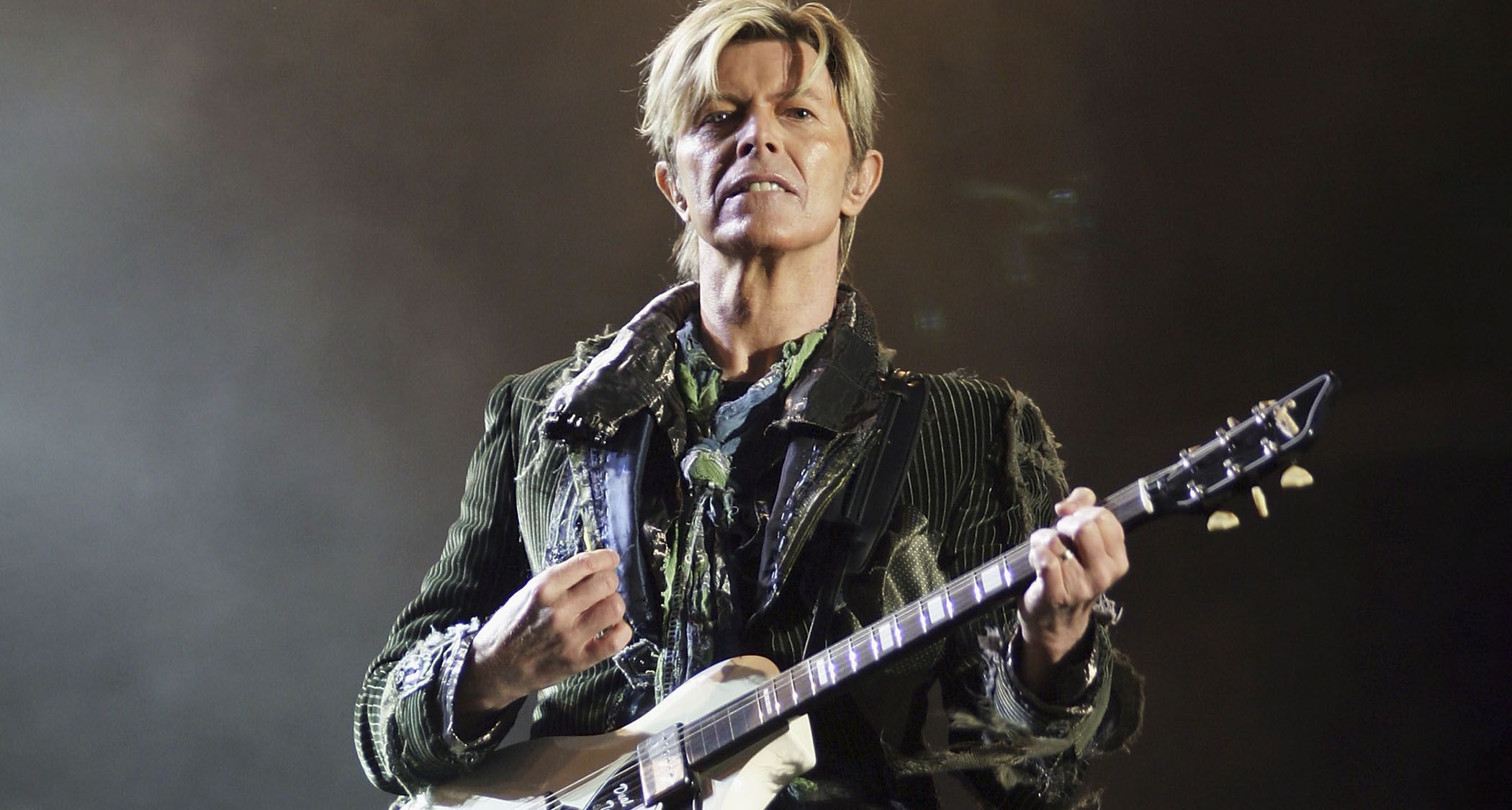
David Bowie, who passed away on January 10, 2016, was not only a legendary singer and songwriter but also a remarkable performer and actor. While he was a talented musician, he was aware of his own limitations in technical prowess.
In a 1997 interview with Guitar Player‘s Joe Gore, Bowie candidly stated, “My guitar playing hasn’t evolved much over the years. I still use the same chords, but I know a lot of them and can combine them in unique ways. my time spent honing my craft was focused on understanding how chords interact.”
Despite his modesty, Bowie had a solid grasp of the guitar, as confirmed by several renowned guitarists who played alongside him. Though, his aspirations extended far beyond mere virtuosity.
The Theatrical Musician: Bowie’s Artistic Vision
throughout his 54-year career as a recording artist, Bowie transformed the concept of the theatrical musician. He mastered the art of the alter ego, captivating audiences worldwide with various personas while leaving a significant mark on both cinema and finance (remember the innovative Bowie Bonds of the 1990s?). to realize his artistic vision, he enlisted some of the most gifted guitarists in the industry.
Many of these names are likely familiar to you. For the first three years of his rise to fame, following the groundbreaking release of 1970’s The Man Who Sold the World, Bowie collaborated with Mick Ronson. Ronson’s contributions were pivotal on albums like Hunky Dory (1971), The Rise and Fall of Ziggy Stardust and the spiders from Mars (1972), Aladdin Sane, and pin Ups (both 1973), as well as during the Ziggy Stardust World Tour.
For a taste of Ronson’s brilliance, listen to the electrifying solo in The Width of a Circle, the intricate acoustic layers in oh! You Pretty Things, and the powerful soundscape of Suffragette City. Tragically, Ronson passed away in 1993 at the age of 46, leaving behind an unmatched early catalog.
Guitar Heroes: The Collaborators Behind Bowie
After the talented session musician Alan Parker contributed to 1974’s Diamond Dogs, crafting the unforgettable riff of Rebel Rebel, Earl Slick and Carlos Alomar joined Bowie for his next five and thirteen studio albums, respectively.
Both Slick and Alomar recorded extensively outside of bowie’s projects, making them the most prolific of his collaborators. slick’s work on 1975’s Young Americans and Alomar’s contributions to the groundbreaking Low (1977) are just a few highlights, alongside the late Ricky Gardiner’s involvement.
We must also acknowledge the guitarists who supported Bowie during live performances, even if they didn’t contribute to studio recordings. Notable names include Stacy Heydon, who played during the isolar Tour in 1976, and Adrian Belew, who transitioned from Frank Zappa’s band to perform on the Stage live album in 1978, returning as musical director for the Sound + Vision Tour twelve years later. Peter Frampton also made a memorable appearance on the Glass spider Tour in 1987.
It’s noteworthy that many of Bowie’s guitarists were stars in their own right.As a notable example, King Crimson’s Robert Fripp recorded the iconic lead line on Heroes in 1977, while Stevie Ray Vaughan lent his talent to Let’s Dance in 1983, and Nile Rodgers of Chic co-produced and played on the same album.
Additionally, lesser-known session musicians like Chuck Hammer, who played guitar synth on Scary Monsters (and Super Creeps) in 1980, and Pete Townshend of The Who, who made a notable guest appearance on the same album, also played significant roles in Bowie’s sound.
The Evolution of Bowie’s Collaborations
In 1988, Bowie took a brief detour from his solo career to form Tin Machine, a heavy rock band where Reeves Gabrels took on the primary guitar duties. Live, he was supported by Eric Schermerhorn, who later collaborated with Iggy Pop after Tin Machine disbanded. Gabrels continued to work with Bowie on albums like Outside (1995), Earthling (1997), and Hours… (1999). In the 2000s, Gerry Leonard provided atmospheric guitar on Heathen (2002) and reality (2003), alongside Mark Plati, an acclaimed producer and multi-instrumentalist known for his work with Prince.
For The Next Day in 2013, Slick, Leonard, David Torn, producer Tony Visconti, and Bowie himself contributed guitar work, while jazz guitarist Ben Monder was brought in for Bowie’s remarkable final album, Blackstar, released in 2016.
Memories of a Musical Icon
What do these musicians remember about their time with Bowie, and how did they perceive him as a guitarist? Below, we delve into insights from Belew, Schermerhorn, Leonard, Plati, Frampton, and Alomar (Fripp’s extensive interview will be featured separately).
As for the dearly departed Vaughan and Ronson, they have been jamming in the heavens since 1990 and 1993, respectively, and we raise our glasses in their honor.
Was David Bowie a Joy to Work With?
Adrian Belew: Absolutely. David was never one to speak ill of others; that was left to those around him. He was always positive and supportive. We shared a mutual affection and had a fantastic time together, so there was nothing to criticize.
He had a unique way of expressing his thoughts. If he didn’t like something, he would simply say, “I’m not sure about that,” and that would be the end of it. I never witnessed him lose his temper; he was far too sophisticated for that. His curiosity about various subjects was one of the things I admired most about him.
His bunk was above mine on the bus, and he read books non-stop. I remember discussing Philip K. Dick with him.
Eric Schermerhorn
Eric Schermerhorn: His bunk was right above mine on the tour bus, and he was always reading. After we played the Budokan in 1992, he asked me what I wanted to do next. I mentioned that Chrissie Hynde was looking for a guitarist, and two weeks later, his manager called to say Chrissie wanted to meet me in london. I spent a day with her, and she was wonderful.
Gerry Leonard: David had an incredible ability to read a room. Everyone in his band was chosen for a specific reason, and he had a knack for recognizing and utilizing their strengths. He could weave together seemingly unrelated elements to create art.
Mark Plati: Beyond his well-known curiosity and desire to push his musical and visual boundaries,he genuinely enjoyed the creative process. His enthusiasm was infectious, making every experience a delightful adventure, even when the destination was uncertain.
David Bowie – Blackstar (Official Video) [HD] – YouTube
Inside the World of David Bowie’s Guitarists: A Journey Through Musical Collaboration
David Bowie, a musical icon who departed from this world on January 10, 2016, was not only a celebrated singer and songwriter but also a remarkable performer and actor. while he was undeniably talented, he recognized his own limitations in technical guitar skills.
In a revealing 1997 interview with Guitar Player‘s Joe Gore, Bowie remarked, “my guitar playing hasn’t evolved much over the years. I still use the same chords, but I know a lot of them and can combine them in unique ways. My time spent honing my craft was focused on understanding how chords interact.”
Despite his modesty, Bowie had a solid grasp of the guitar, as confirmed by several renowned guitarists who played alongside him. However,his aspirations extended far beyond mere virtuosity.
The Theatrical Musician: Bowie’s Artistic Vision
Throughout his 54-year career as a recording artist, Bowie transformed the concept of the theatrical musician. He mastered the art of the alter ego,captivating audiences worldwide with various personas while leaving a significant mark on both cinema and finance (remember the innovative Bowie Bonds of the 1990s?). To realize his artistic vision,he enlisted some of the most gifted guitarists in the industry.
Many of these names are likely familiar to you.for the first three years of his rise to fame, following the groundbreaking release of 1970’s The Man Who Sold the World, Bowie collaborated with Mick Ronson. Ronson’s contributions were pivotal on albums like Hunky Dory (1971), The Rise and Fall of Ziggy Stardust and the Spiders from Mars (1972), Aladdin Sane, and Pin Ups (both 1973), and also during the Ziggy Stardust World Tour.
For a taste of Ronson’s brilliance, listen to the electrifying solo in The Width of a Circle, the intricate acoustic layers in Oh! You Pretty Things, and the powerful soundscape of Suffragette City.Tragically, Ronson passed away in 1993 at the age of 46, leaving behind an unmatched early catalog.
Guitar Heroes: The Collaborators Behind bowie
After the talented session musician Alan Parker contributed to 1974’s Diamond Dogs, crafting the unforgettable riff of Rebel Rebel, Earl Slick and Carlos alomar joined Bowie for his next five and thirteen studio albums, respectively.
Both Slick and Alomar recorded extensively outside of Bowie’s projects, making them the most prolific of his collaborators. Slick’s work on 1975’s Young Americans and Alomar’s contributions to the groundbreaking Low (1977) are just a few highlights,alongside the late Ricky Gardiner’s involvement.
We must also acknowledge the guitarists who supported Bowie during live performances, even if they didn’t contribute to studio recordings. Notable names include stacy Heydon, who played during the Isolar Tour in 1976, and Adrian Belew, who transitioned from Frank Zappa’s band to perform on the Stage live album in 1978, returning as musical director for the Sound + Vision Tour twelve years later. Peter Frampton also made a memorable appearance on the Glass Spider Tour in 1987.
It’s noteworthy that many of Bowie’s guitarists were stars in their own right. For instance, King Crimson’s Robert Fripp recorded the iconic lead line on Heroes in 1977, while Stevie Ray Vaughan lent his talent to Let’s Dance in 1983, and Nile Rodgers of Chic co-produced and played on the same album.
Additionally, lesser-known session musicians like Chuck Hammer, who played guitar synth on Scary Monsters (and Super Creeps) in 1980, and Pete Townshend of The Who, who made a notable guest appearance on the same album, also played significant roles in Bowie’s sound.
The Evolution of Bowie’s Collaborations
In 1988, bowie took a brief detour from his solo career to form Tin Machine, a heavy rock band where Reeves Gabrels took on the primary guitar duties. Live, he was supported by Eric Schermerhorn, who later collaborated with Iggy Pop after Tin Machine disbanded. Gabrels continued to work with Bowie on albums like Outside (1995), Earthling (1997), and Hours… (1999).In the 2000s, Gerry Leonard provided atmospheric guitar on Heathen (2002) and Reality (2003), alongside Mark Plati, an acclaimed producer and multi-instrumentalist known for his work with Prince.
For The Next Day in 2013, Slick, Leonard, David Torn, producer Tony Visconti, and Bowie himself contributed guitar work, while jazz guitarist Ben Monder was brought in for Bowie’s remarkable final album, Blackstar, released in 2016.
Memories of a Musical Icon
What do these musicians remember about their time with Bowie, and how did they perceive him as a guitarist? Below, we delve into insights from Belew, Schermerhorn, Leonard, Plati, Frampton, and Alomar (Fripp’s extensive interview will be featured separately).
As for the dearly departed Vaughan and Ronson, they have been jamming in the heavens as 1990 and 1993, respectively, and we raise our glasses in their honor.
How Did You First Meet bowie?
Adrian belew: We first met when he attended a concert in Berlin while I was performing with Frank Zappa. two nights prior, Brian Eno had come to my show in Cologne and mentioned to David that he should check me out. During a part of the show where Frank took an extended solo, I noticed Bowie and iggy Pop watching from the side.I approached David, thanked him for his music, and expressed how much he inspired me. To my surprise, he asked, “how would you like to join my band?” It was a surreal moment, and just two weeks later, I was rehearsing with him.
Eric Schermerhorn: I met Reeves Gabrels in Boston in 1979. We played in different bands and worked at the same music store,bonding over our shared love for guitar legends like Robert Fripp and Jimi Hendrix.His wife,Sarah,worked for David and suggested him for the Tin Machine gig. In 1991, Reeves called me to audition for the band, and I was thrilled. I learned the songs in every key and flew out to L.A. for the audition.
Gerry Leonard: David was intrigued by my playing. He saw me perform live and invited me to join him, likely seeking someone to cover the parts that Fripp, belew, or Eno had played. I was a fan of all those artists, so it was a perfect fit.
Mark Plati: Before working with Bowie, I collaborated with Prince, which might seem like an unusual transition. Though, David was always curious about different artists and welcomed my diverse background.
Were You a Fan of His Music Before Joining Him?
Eric Schermerhorn: Absolutely! I bought Low and Heroes in high school. Those albums were transformative for me. When I met David, I told him, “Those records changed my life,” and he replied, “They changed my life, too!”
Mark Plati: my first encounter with Bowie’s music was Space Oddity, which I likely heard on the radio when I was around 12. If you were musically aware in the early ’70s, you grew alongside David’s music and his guitarists. Station to Station was the first bowie album I truly connected with, and the guitar work from Carlos and Slick left a lasting impression on me.
How Did You Approach the Role of bowie’s Guitarist?
Adrian Belew: David had a fascination with guitarists, and his songs were often designed for guitar. As his musical director in 1990, I faced the challenge of condensing his extensive catalog into a four-piece band format while incorporating orchestral elements. Fortunately, this coincided with the advent of samplers, allowing us to create rich soundscapes live.
Gerry Leonard: I tried not to feel intimidated by the incredible guitarists who came before me. David was generous in validating my contributions, encouraging me to keep pushing my boundaries as an artist.
Peter Frampton: David simply told me,”Just come and be you.” It was an honor to have his trust, allowing me to bring my own style to the music, even if I didn’t sound like Stevie Ray Vaughan.
Adrian Belew: Coming from a very directive environment with Frank Zappa, David’s approach was refreshing. He encouraged spontaneity and creativity, frequently enough saying, “You can be my Keith Richards!” He was genuinely excited when I brought something unique to the stage.
David Bowie – Stay (1978) LIVE | Musikladen – YouTube
Exploring the Musical Genius of David Bowie Through His Guitarists
eric Schermerhorn: I believe Bowie’s brilliance, much like that of Miles Davis, lay in his ability to assess the talent around him. Even if he had a musician who could only play a couple of chords,he would craft a song that utilized those chords effectively. His true genius was in recognizing and amplifying what each musician could contribute.
Carlos alomar: I often say, if you had Jimi Hendrix as your guitarist, would you dictate what he should play? Absolutely not. My goal was to inspire Bowie and offer my best work. We frequently asked ourselves, “what if?” for example, one time, Tony Visconti discovered a chandelier and creatively suspended a microphone from it. Such adventurous ideas and that sense of curiosity keep you youthful in spirit.
David Bowie - Life on Mars (Glastonbury 2000) – YouTube
Insights on Bowie’s Guitar Skills
Adrian Belew: It’s captivating to note that during my time with David, I rarely saw him play any instruments, whether it was the piano or guitar. When I served as his musical director in 1990, I managed to convince him to play the saxophone for one song, which I thought would add a unique flair to the performance. Reflecting on it now, I realize I have no idea how he composed those incredible songs; he must have done it in private.
Eric Schermerhorn: What stood out to me was that Bowie never used barre chords.Instead, he preferred the E shape and would slide it up and down the neck, allowing the other strings to resonate on the 12-string guitar. His timing was impeccable, which made his playing memorable.
Gerry Leonard: David wasn’t a virtuoso in the traditional sense, nor did he aspire to be. He had a raw, instinctual approach to the guitar, focusing on broad strokes rather than technical precision. Such as, during the recording of The Next Day, he would often say, “Do you mind playing this part?” and then demonstrate a simple, powerful chord. It was always very direct and had a punk rock essence to it.
He would encourage me to take his ideas and run with them, but I always made sure to respect his original intention. He had a knack for getting others to execute what he envisioned, even if he couldn’t do it himself. His instincts were sharp; he could craft a solid riff and write compelling music.
Peter Frampton: David played the iconic riff on Rebel Rebel, which showcases his guitar skills.However, I believe he primarily used guitar and keyboard as tools for songwriting. Much like myself, he could play the piano just enough to compose, but he identified more as a guitarist.
Carlos alomar: Bowie, similar to John Lennon, was an exceptional rhythm guitarist. They both played triads and could handle chords, but they struggled with playing bass lines that contrasted with the chords. They always focused on hitting the root note, avoiding inversions. This style is what we refer to as metronome playing,allowing them to maintain a steady rhythm throughout the song.
mark Plati: During his time with the Spiders, Bowie served as the second guitarist for a while. He had solid chops, but once he began incorporating two guitarists into the band, he shifted his focus to being more of a frontman.
David Bowie // Live in Berlin 2002 – YouTube
Reflections on David Bowie: Insights from His guitarists
David Bowie // Live in Berlin 2002 – YouTube
Understanding Bowie’s Collaborative Genius
Eric Schermerhorn: Bowie’s brilliance, akin to that of jazz legend Miles davis, was his ability to recognize the talents of those around him. Even if a musician could only manage a couple of chords, Bowie would craft a song that utilized those limitations creatively. His true genius lay in his capacity to hear and amplify the potential of each collaborator.
Carlos Alomar: I frequently enough reflect on the idea that if you had Jimi Hendrix as your guitarist, would you dictate his playing? Absolutely not. My aim was to inspire Bowie and deliver my best work. We frequently explored the question, “What if?” For instance, tony Visconti once found a chandelier and ingeniously suspended a microphone from it. Such imaginative ideas and a sense of curiosity keep the creative spirit alive.
david Bowie – Life on Mars (Glastonbury 2000) – YouTube
Insights into Bowie’s Musical Style
Adrian Belew: It’s intriguing to note that during my time with David, I rarely witnessed him play any instruments, whether it was the piano or guitar. When I served as his musical director in 1990, I managed to persuade him to play the saxophone for one song, which I thought would add a unique flair to the performance. Reflecting on it now, I realize I have no idea how he composed those incredible songs; he must have done it in private.
Eric Schermerhorn: What stood out to me was that Bowie never used barre chords. Instead, he preferred the E shape and would slide it up and down the neck, allowing the other strings to resonate on the 12-string guitar. His timing was impeccable, which made his playing memorable.
Gerry Leonard: david wasn’t a virtuoso in the traditional sense, nor did he aspire to be. He had a raw, instinctual approach to the guitar, focusing on broad strokes rather than technical precision. For example, during the recording of The Next Day, he would frequently enough say, “do you mind playing this part?” and then demonstrate a simple, powerful chord. It was always very direct and had a punk rock essence to it.
He would encourage me to take his ideas and run with them, but I always made sure to respect his original intention. He had a knack for getting others to execute what he envisioned, even if he couldn’t do it himself.His instincts were sharp; he could craft a solid riff and write compelling music.
Adrian belew: It’s been quite a while since I last saw him. He called me a few times, and one memorable conversation went like this: I mentioned I was in my garden, and he was surprised, asking, “You have a garden?” I replied, “Yes, and you could have one too if you wanted. you’re David Bowie!”
Eric Schermerhorn: I bumped into him a few times in New York, and he was always incredibly kind to me.
Carlos Alomar: I saw him about a year before he passed away at Tony Visconti’s birthday festivity. I was unaware of his illness at the time; he appeared a bit pale and frail. Our meeting was more about reminiscing, reconnecting, and celebrating Tony’s health and success. In hindsight, it felt like a heartfelt farewell. In buddhism, we view death differently; it’s akin to reaching out to someone after a long time to check in and show that you care.
David Bowie – Heroes (live Aid, 1985) – YouTube
Strumming with Stardust: David Bowie’s Guitarists Share their Unforgettable Journeys with the Thin White Duke
Strumming with Stardust: david Bowie’s Guitarists Share Their Unforgettable Journeys with the Thin White Duke
The Legacy of David bowie and His Guitarists
David Bowie, known as the Thin White Duke, was not just a musical icon; he was a visionary who transformed the landscape of rock music. His collaborations with various guitarists played a pivotal role in shaping his sound and artistic expression. From Mick Ronson to Carlos Alomar, each guitarist brought their unique flair to Bowie’s music, creating unforgettable moments that resonate with fans to this day.
Meet the Guitarists Who Shaped Bowie’s Sound
Mick Ronson: The first guitarist to collaborate with Bowie, Ronson’s work on albums like The Rise and Fall of Ziggy stardust and the Spiders from Mars set the stage for Bowie’s theatrical style.
Carlos Alomar: A long-time collaborator, Alomar contributed to many of Bowie’s classic tracks, including Fame and Young Americans.
Earl Slick: Known for his work on Diamond Dogs and Reality, Slick’s guitar work added a gritty edge to Bowie’s sound.
Adrian Belew: As Bowie’s musical director during the 1990s, Belew brought innovative guitar techniques and a fresh viewpoint to the stage.
First-Hand Experiences: Stories from Bowie’s Guitarists
Mick Ronson: The Early Days
mick Ronson’s partnership with Bowie began in the early 1970s, during a time when glam rock was taking the world by storm. Ronson’s guitar work on The Man Who Sold the world and Hunky Dory showcased his ability to blend rock with theatricality. His iconic solos and arrangements helped define Bowie’s sound.
Carlos Alomar: The Rhythm Master
Carlos Alomar’s contributions to Bowie’s music are legendary. He played a crucial role in the creation of hits like Fame and Golden Years. Alomar’s unique approach to rhythm guitar, frequently enough incorporating syncopated patterns, added depth to Bowie’s tracks. He recalls, “Bowie had this incredible ability to inspire us to push our boundaries and explore new sounds.”
Earl Slick: The Gritty Edge
Earl Slick joined Bowie during the Diamond Dogs era, bringing a raw energy to the stage. His guitar work on tracks like Rebel Rebel and 1984 showcased his ability to create powerful riffs that complemented Bowie’s vocal style. Slick reflects, “Playing with Bowie was like being part of a creative whirlwind. Every show was an adventure.”
Adrian Belew: The Innovator
As Bowie’s musical director in the 1990s, Adrian Belew introduced new guitar techniques and sounds to the mix.His work on Outside and Earthling pushed the boundaries of what a guitar could do in a rock context. Belew shares, “Bowie encouraged experimentation. He wanted us to explore and bring our ideas to life.”
Benefits of Collaborating with Bowie
Working with David Bowie offered numerous benefits for his guitarists:
Creative Freedom: Bowie encouraged his musicians to express themselves freely, leading to innovative and memorable music.
Exposure to Diverse genres: Collaborating with Bowie allowed guitarists to explore various musical styles, from rock to jazz to electronic.
Networking Opportunities: Being part of Bowie’s band opened doors to collaborations with other legendary artists and producers.
Case Studies: Iconic Songs and Their Guitar Contributions
Song Title
Guitarist
Contribution
rebel Rebel
Earl Slick
Iconic riff that defined the glam rock sound.
Fame
Carlos alomar
Innovative rhythm guitar that drove the track.
Heroes
Robert Fripp
Memorable lead line that became a signature sound.
Modern Love
Adrian Belew
Experimental guitar effects that added depth.
Practical Tips for Aspiring Guitarists
For those looking to follow in the footsteps of Bowie’s guitarists, here are some practical tips:
Experiment with Styles: Don’t be afraid to explore different genres and techniques. Bowie’s music was a melting pot of influences.
Collaborate: Work with other musicians to expand your creativity and learn new skills.
Stay Open-Minded: Embrace new ideas and be willing to adapt your playing style to fit different musical contexts.
Join the Beatbounty Community
If you’re passionate about music and want to connect with like-minded individuals, consider creating an account on the Beatbounty platform. Share your experiences, submit ads, and engage with a vibrant community of musicians and fans.


![David Bowie - Blackstar (Official Video) [HD] - YouTube](https://img.youtube.com/vi/kszLwBaC4Sw/maxresdefault.jpg "Strumming with Stardust: David Bowie's Guitarists Share Their Unforgettable Journeys with the Thin White Duke 10")


![David Bowie - Rebel Rebel (Live) [Official Video] [4K] - YouTube](https://img.youtube.com/vi/eF551z9KlA8/maxresdefault.jpg "Strumming with Stardust: David Bowie's Guitarists Share Their Unforgettable Journeys with the Thin White Duke 13")