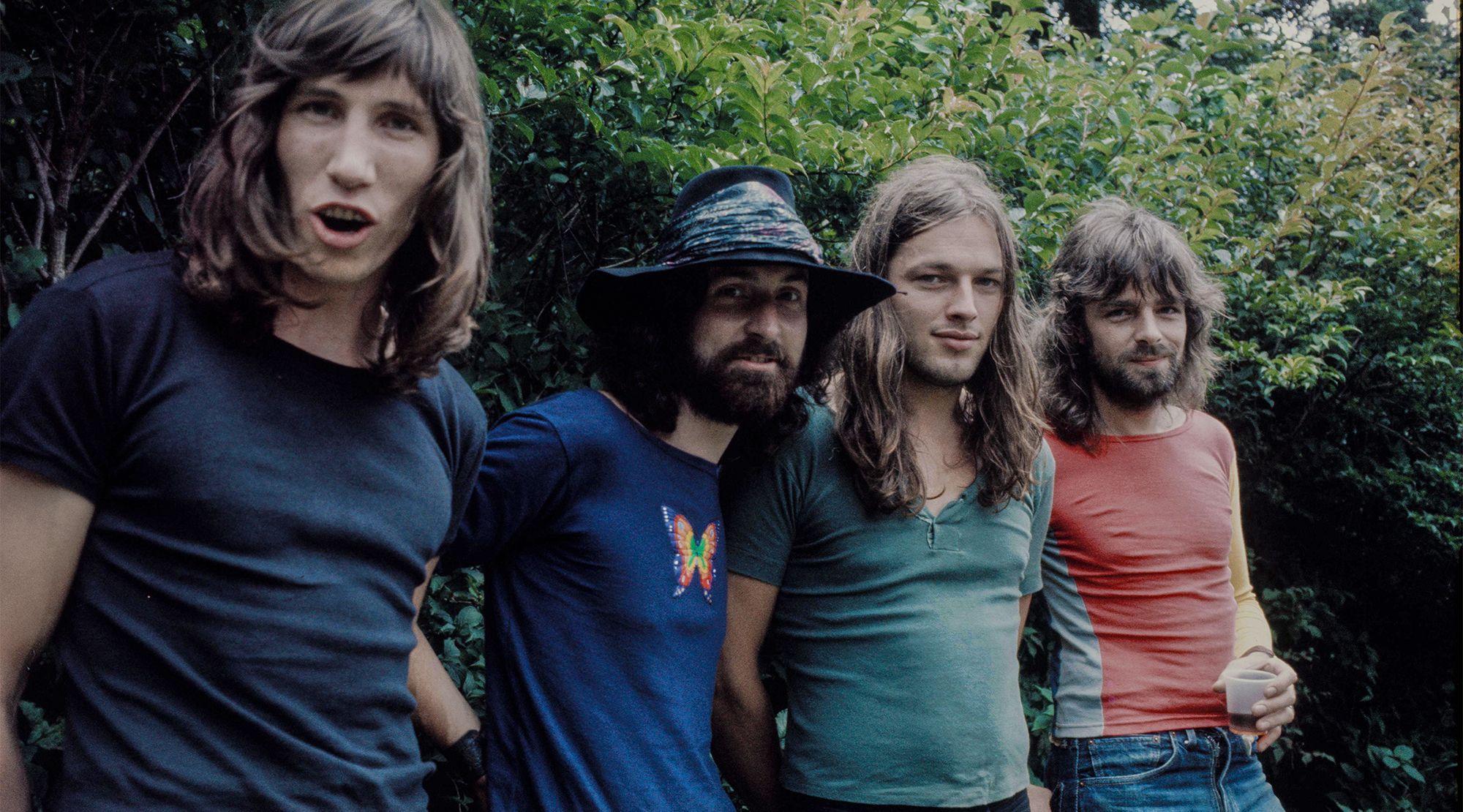
Unearthing the Sound: Pink Floyd's Hidden Gem - The Lost Album That Followed 'Dark Side of the Moon
0 reactions
8 months ago
Beatbounty
The Journey Beyond: Pink Floyd’s Struggle to Create after ‘The Dark Side of the Moon’
Following the monumental success of their 1973 masterpiece, The Dark Side of the Moon, Pink Floyd faced a daunting challenge: how to craft a follow-up that could match or even surpass its brilliance. The band’s members found themselves grappling with the weight of expectations.
As guitarist David Gilmour reflected in an October interview with NPR, “We were navigating through a very peculiar phase.”
Rediscovering the Creative Process
In a recent discussion marking the 50th anniversary of the album, former drummer Nick Mason shed light on the band’s creative process during their initial days back at Abbey Road Studios, the same venue where they recorded dark Side.
“We ended up spending a significant amount of studio time either doing nothing or experimenting with a project called Household Objects,” Mason revealed. This ambitious concept aimed to create music using everyday items instead of traditional instruments.
“I distinctly remember using an axe and a hefty log of wood instead of a bass drum,” he added,illustrating the unconventional approach they took. Ultimately, Pink Floyd managed to record only two tracks before abandoning the project.
“Had we persisted, we might still be at Abbey Road trying to finish it,” Mason mused.”In hindsight, we should have continued touring The Dark Side for another year, but we felt the pressure to move forward.”
From Abandonment to Inspiration
Despite the challenges, the efforts put into Household objects were not entirely in vain. One of the unique instruments created was a glass harmonica, made by filling glasses with varying levels of water and rubbing the edges to produce ethereal sounds. This instrument later found its way into the introduction of “Shine On You Crazy Diamond,” a pivotal track on their eventual album, Wish You Were Here.
Roger Waters, the band’s bassist, played a crucial role in naming the album, which also served as a subtle critique of his bandmates’ creative engagement at the time.
A Tribute to Syd Barrett
Moreover, Wish You Were here stands as a heartfelt homage to Syd Barrett, the band’s original frontman, who left due to severe mental health struggles.his decline began during a U.S. tour, which led to Gilmour stepping in as Barrett’s condition deteriorated.
Barrett’s struggles became a recurring theme in Waters’ songwriting, influencing iconic albums like The Dark Side of the Moon, wish You Were Here, and The Wall. The song “Shine on You Crazy Diamond” is especially poignant, crafted as a tribute to Barrett, who fortuitously visited the studio on the day it was recorded.
Creating ‘Shine On You Crazy Diamond’
As Gilmour recounted to music educator Rick Beato, the song emerged from a serendipitous moment when he discovered a captivating chord progression while playing his electric guitar.This sequence, ofen referred to as “Syd’s Theme,” became the backbone of the track.
“I was in a rehearsal space experimenting, and that particular sequence just clicked,” Gilmour explained. “You can sense when something resonates with others in the room; it sparks an awakening. Everyone realizes there’s potential here, and that’s how ‘Shine On’ evolved.”
Critical Reception and Legacy
Despite the band’s dedication, Wish You Were Here initially faced criticism from music reviewers who felt it lacked the innovative spirit of its predecessor. Melody Maker described it as “unconvincing in its heavy-handed sincerity,” while Rolling Stone criticized “Shine On You Crazy Diamond” for its “lackadaisical demeanor.”
However, fifty years later, the album is revered as a classic, emblematic of a decade that, aside from their experimental phase with household items, marked Pink Floyd’s most prolific period.
Unearthing the Sound: Pink Floyd’s hidden Gem – The lost Album That Followed ‘Dark Side of the moon’
Unearthing the Sound: Pink Floyd’s Hidden Gem – The Lost Album that Followed ‘Dark Side of the Moon’
The Context of Creation
After the monumental success of The Dark Side of the moon,Pink Floyd faced immense pressure to produce a follow-up that could match its groundbreaking impact.The band’s members, particularly David Gilmour and Nick Mason, found themselves in a creative conundrum, unsure of how to proceed.
The Creative Dilemma
As Gilmour noted in interviews, the band was in a “vrey strange place” following the album’s release. The overwhelming acclaim left them questioning their next steps. This uncertainty led to a period of experimentation that would ultimately yield a lost album, often referred to as the “Household Objects” project.
Household Objects: The Lost Album
The concept behind Household Objects was to create music using everyday items instead of traditional instruments. This innovative approach was both a creative challenge and a reflection of the band’s desire to push musical boundaries.
Recording Sessions at Abbey Road
During their initial sessions at Abbey Road studios, the band spent considerable time exploring this unconventional method.According to Mason, much of their time was spent “doing nothing” or experimenting with various household items.
Glass Harmonica: One of the standout instruments created was a makeshift glass harmonica, which produced ethereal sounds by rubbing the edges of water-filled glasses.
Wooden Percussion: Mason famously used a large log of wood as a substitute for a bass drum, showcasing the band’s commitment to their experimental vision.
Challenges and Abandonment
Despite their innovative efforts, the project ultimately fell short. the band recorded only two songs before deciding to abandon the concept. Mason reflected, “If we’d stuck with it, we’d still be in Abbey Road now trying to finish.”
Lessons Learned
The experiance taught the band valuable lessons about creativity and collaboration.Instead of forcing a project that wasn’t resonating, they chose to pivot and focus on what would eventually become Wish You Were Here.
Transition to ’Wish You Were Here’
After the abandonment of Household Objects, Pink Floyd shifted their focus to creating Wish You Were Here, an album that would pay tribute to their former bandmate, Syd Barrett.
Thematic Elements
Wish You Were Here explores themes of absence, mental health, and the music industry. The song “Shine On You Crazy Diamond” serves as a poignant tribute to Barrett, who struggled with mental health issues that ultimately led to his departure from the band.
Impact and Legacy
While Household Objects may never have seen the light of day, its influence can be felt in the creative decisions made in Wish You Were Here. The band’s willingness to experiment paved the way for future projects and solidified their legacy as pioneers in the music industry.
critical Reception
Upon its release,Wish you Were Here received mixed reviews but has since been recognized as one of Pink Floyd’s greatest works. Critics initially questioned its depth compared to The Dark Side of the Moon, but over time, it has been celebrated for its emotional resonance and innovative sound.
Benefits of Creative Experimentation
The journey of Pink Floyd through the lost album project highlights several benefits of creative experimentation:
Innovation: Pushing boundaries can lead to new sounds and ideas.
Collaboration: Working together on unconventional projects fosters teamwork and creativity.
Resilience: Learning from failures can lead to greater successes in the future.
Case Studies: Other Artists Who Experimented
Many artists have faced similar challenges and have turned to experimentation to overcome creative blocks:
Artist
Album
Experimentation
Radiohead
Kid A
Incorporated electronic elements and unconventional song structures.
Beck
Odelay
Blended genres like hip-hop, rock, and folk.
David Bowie
The Berlin Trilogy
Collaborated with Brian Eno to explore ambient music.
First-hand Experience: Insights from Band members
In interviews, both Gilmour and Mason have shared insights into their creative processes during this tumultuous time. Gilmour noted that the experience of working on Household Objects taught them the importance of flexibility in creativity. Mason emphasized the value of collaboration, stating, “We learned to listen to each other and adapt our ideas.”
Join the Beatbounty Community
For those interested in exploring their own musical creativity, consider joining the beatbounty platform. Create an account today and submit an ad to connect with fellow musicians and artists. Share your journey and collaborate on new projects!