Unveiling the Legacy: The Story Behind Eric Clapton's Iconic Fool SG and Its Timeless Preservation
0 reactions
5 months ago
Beatbounty
The Enigmatic Journey of Eric Clapton’s Iconic Fool SG: A Tale of Art and Sound
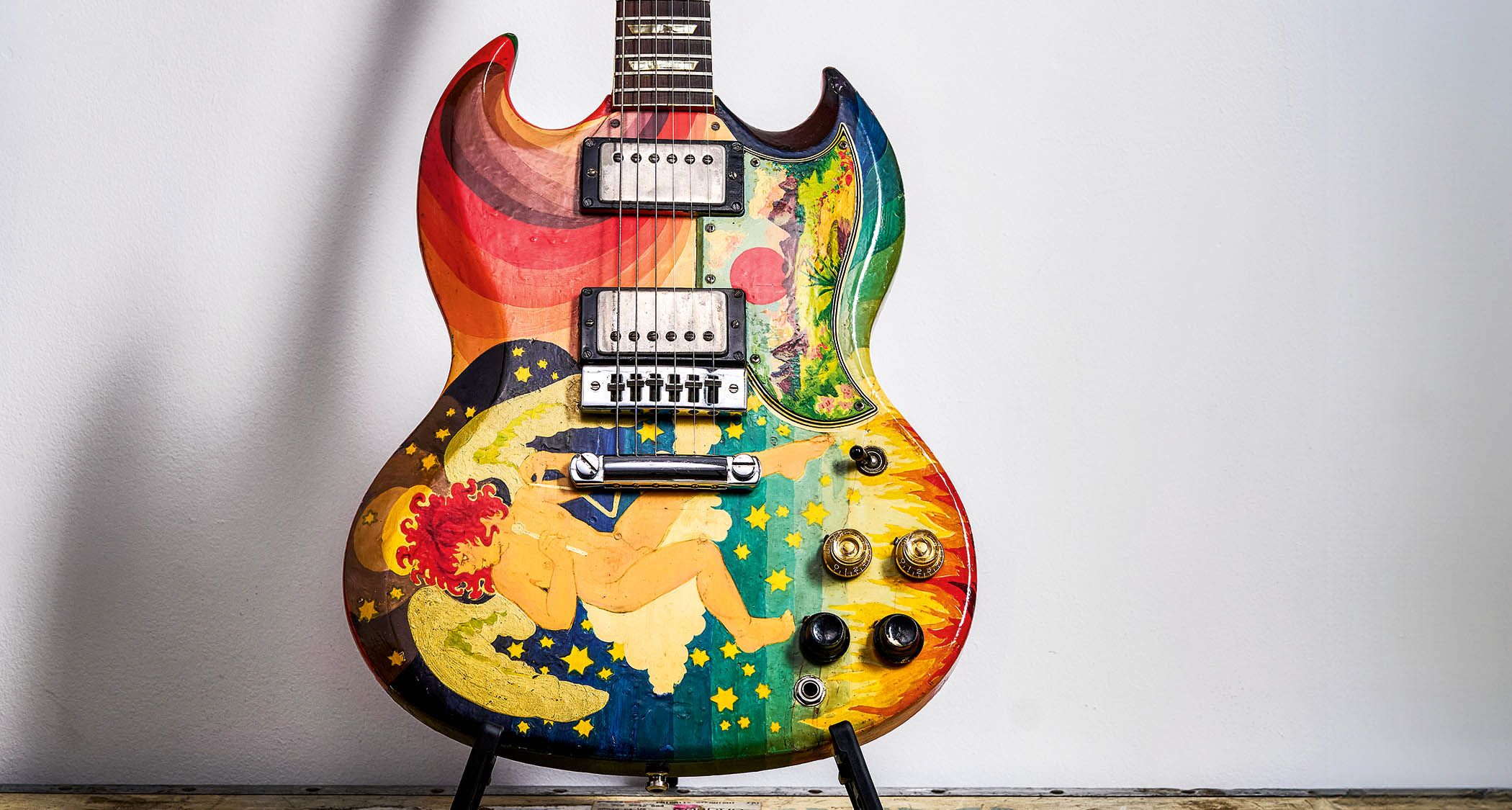
Few electric guitars are as instantly recognizable as Eric Clapton’s Fool SG, a symbol of his groundbreaking era with Cream, featuring Jack Bruce and Ginger Baker. Yet, the story of its origins remains shrouded in mystery.
Amelia Walker from Christie’s shares, “The exact circumstances of how Eric Clapton came to possess this guitar are unclear. Some sources claim it was a gift from George Harrison, but it’s more likely that Clapton purchased it in early 1967, frustrated by the theft of his Les Pauls.”
Guitar historian Tony Bacon elaborates, “In early 1967, Clapton ventured into the West End of London, where he likely acquired a cherry-finish SG Standard from a music shop, possibly the gibson-centric Selmer store on Charing Cross Road.However,concrete evidence is lacking.”
“why switch to an SG?” Walker speculates. “Perhaps Clapton was looking for a change after losing two Les Pauls and wanted to maintain the familiar humbucker sound and control layout.”
The Collaboration with The Fool
With his new SG in hand, Clapton’s management encouraged an unexpected partnership with a pair of avant-garde Dutch artists, collectively known as The Fool, who were making waves in the psychedelic scene.
“Robert Stigwood, their manager, facilitated this collaboration,” Walker explains. “The Fool not only painted clapton’s guitar but also influenced the band’s fashion style. A stunning photograph captured by Karl Ferris showcases the band with their vibrant outfits and freshly painted instruments.”
“At that time, the artists marijke Koger and Simon Posthuma were not yet widely recognized as The Fool collective, but they soon gained fame for their artistic contributions, including painting John Lennon’s piano at Kenwood.”
The Evolution of The Fool SG
“Cream was deeply embedded in the psychedelic movement of 1966, so it’s no wonder Stigwood sought a fresh, trendy aesthetic for the band,” Walker notes.
“The fool SG has undergone significant changes over the years, primarily as the artists did not seal the paint. As Clapton played, the artwork quickly wore away due to the lack of a protective layer. They even painted the entire fingerboard, which didn’t hold up well.”
Bacon adds that Clapton made practical modifications to the guitar as well: ”When he acquired it, the SG still had its original Deluxe Vibrola, but clapton removed the cover plate to expose more of the artwork. Eventually, he detached the Vibrola entirely, leaving just the frame as a simple tailpiece. He also swapped the original Kluson tuners for Grovers, a common upgrade he had learned from his Les pauls.”
(Image credit: Future/Joby Sessions)
Eventually, Clapton moved on to other guitars, and The Fool SG found new owners. “Eric may have passed it to George Harrison, but it ultimately ended up with jackie Lomax, a musician from liverpool,” Bacon recounts.
“By 1971, it was in the hands of Todd Rundgren, who made several modifications, including adding a stopbar tailpiece and a Schaller ‘harmonica’ Tune-o-matic. Rundgren restored the body paint and sealed it, even repainting parts of the neck and headstock.”
(image credit: Future/Joby Sessions)
“Rundgren did an excellent job restoring it,” Walker notes. “The clear topcoat now obscures the distinction between original and restored paint, making it unfeasible to identify what has been touched up under blacklight.”
“The headstock suffered significant damage during Clapton’s ownership,” she continues. “By the time it reached Rundgren, it was barely intact. Fortunately, a repair person recognized its value and saved it from being discarded.”
“The original headstock was missing when Todd sold the guitar at Sotheby’s in 2000,but it was later displayed alongside the guitar at The Met Museum’s 2019 ‘Play It Loud’ exhibition,noted as part of Perry Margouleff’s collection.”
Christie’s will auction The Jim Irsay Collection: Hall of Fame on the evening of March 12. For more details, visit Christie’s.
This article originally appeared in Guitarist. Subscribe for more insights.
Unveiling the Legacy: The Story Behind Eric Clapton’s Iconic Fool SG and Its timeless Preservation
Unveiling the legacy: The Story Behind Eric Clapton’s Iconic Fool SG and its Timeless Preservation
The Origins of the Fool SG
Eric Clapton’s Fool SG is not just a guitar; it is indeed a symbol of an era defined by creativity and innovation in music. Acquired in the late 1960s, this iconic instrument has a rich history that intertwines with the psychedelic movement and the legendary band Cream.
How Clapton Acquired the Fool SG
In early 1967, Clapton sought a new sound after experiencing the theft of his beloved Les Paul guitars. According to guitar historian Tony Bacon, Clapton likely purchased a cherry-finish SG Standard from a music shop in London’s West End, possibly the renowned Selmer store. This shift marked a pivotal moment in Clapton’s musical journey.
The Artistic Transformation
What sets the fool SG apart is its unique psychedelic artwork, created by the Dutch art collective known as The Fool. This collaboration not only transformed the guitar’s appearance but also reflected the vibrant culture of the time.
The Role of The Fool Collective
The Fool, consisting of artists Marijke Koger and Simon Posthuma, was instrumental in the visual portrayal of the 1960s music scene. They painted Clapton’s guitar, infusing it with colors and patterns that resonated with the psychedelic ethos. Their work extended beyond instruments, influencing fashion and album covers.
Preservation of the Fool SG
Over the years, the Fool SG has undergone various modifications and restorations, raising questions about its authenticity and preservation. Understanding thes changes is crucial for appreciating its legacy.
Modifications and Restorations
Clapton made several alterations to the guitar during his ownership.Initially equipped with a Deluxe Vibrola, he later removed it, opting for a simpler tailpiece. Additionally, he replaced the original Kluson tuners with Grovers, a common upgrade among guitarists.
Restoration Efforts
After Clapton, the guitar passed through various hands, including Todd Rundgren, who undertook significant restoration work. Rundgren added a stopbar tailpiece and sealed the body paint, ensuring its longevity.However, this restoration has made it challenging to distinguish between original and restored elements.
Benefits of Preserving Iconic Instruments
Preserving instruments like the Fool SG is essential for several reasons:
Cultural Heritage: These guitars represent significant moments in music history.
Inspiration: They inspire new generations of musicians and artists.
value: well-preserved instruments can appreciate substantially over time.
Case Studies: other Iconic Guitars
similar to the Fool SG, other iconic guitars have fascinating stories of preservation:
Guitar
Owner
Notable Features
Current Status
Fender Stratocaster
Jimi Hendrix
Left-handed, unique paint job
Displayed in museums
Gibson Les Paul
Jimmy Page
Custom modifications
Restored and in private collection
Rickenbacker 360
George Harrison
Psychedelic artwork
Part of a private collection
First-Hand Experiences with the Fool SG
Musicians who have had the possibility to play the Fool SG often describe it as a transformative experience. The combination of its unique sound and striking visuals creates an unforgettable connection between the player and the instrument.
Testimonials from Musicians
Many guitarists have shared their thoughts on the Fool SG:
“playing the Fool SG is like stepping into a time machine. The sound is rich and full, and the artwork is simply mesmerizing.” – Anonymous Musician
“The history behind this guitar adds a layer of depth to every note you play. It’s not just an instrument; it’s a piece of art.” – Anonymous Musician
Practical Tips for Guitar Preservation
For musicians and collectors looking to preserve their instruments, consider the following tips:
Climate Control: Store guitars in a stable surroundings to prevent damage from humidity and temperature fluctuations.
Regular Maintenance: Clean and inspect your guitar regularly to catch any issues early.
Professional Restoration: if restoration is needed, seek professionals who specialize in vintage instruments.
Join the Beatbounty Community
If you’re passionate about music and want to connect with fellow musicians, consider creating an account on the Beatbounty platform.Share your experiences, submit ads, and engage with a vibrant community of music lovers.