The Beatles: A Fork in the Road-John Lennon’s Vision for the Future and Paul McCartney’s Dissent
For many Beatles enthusiasts,the moment John Lennon announced his departure from the band on September 20,1969,marked a poignant end to an era. However, few are aware that just a fortnight prior, Lennon had a bold proposal to keep the iconic group alive, suggesting they record a new album and release a festive single.
This intriguing revelation comes from a tape recorded on September 8, 1969, during a meeting at Apple Corps in London, which included Lennon, Paul McCartney, and George Harrison. Notably absent was drummer Ringo Starr, who was hospitalized due to intestinal issues, prompting the recording to be made for his benefit.
“Ringo, you can’t be here, but this is so you can hear what we’re discussing.”
As the tape reveals, Lennon’s ambitions extended beyond just one more album; he envisioned a extensive strategy for the band’s future. He proposed a new structure for songwriting credits, suggesting that each of the primary songwriters-himself, McCartney, and Harrison-should contribute four songs per album, with an additional two slots available for Starr if he chose to participate.
“When we get into the studio, I don’t care how we do it, but I want it established that I can put four songs on the album, no matter what,” Lennon stated. “I don’t want to be caught up in discussions about equal time. We might get tired of it in three weeks, or the album might fill up quickly with Paul’s or Ringo’s songs, and then it’s too late for me.”
Lennon was also keen to dismantle what he termed “the Lennon and mccartney myth.” while they had occasionally collaborated in their early days, most of their songwriting was done independently. Despite this, all songs were credited to the duo. Lennon proposed that moving forward, only the individual writer should receive credit for their work.
One might assume McCartney would have welcomed the idea of a new album, especially given his frustration over Lennon’s apparent disinterest in the band. Earlier that summer, he had rallied the Beatles and producer George Martin to record Abbey Road.
However, during the meeting, McCartney remained largely silent, dismissing Lennon’s suggestions for a fairer distribution of songs and a more accurate reflection of songwriting credits.
Lennon’s proposal to allocate more space for Harrison’s contributions acknowledged the latter’s evolution as a songwriter. Over the previous year, Harrison had penned notable tracks like “Old Brown Shoe,” “Something,” and “Here Comes the Sun,” each standing shoulder to shoulder with the best of Lennon and McCartney’s work.
The Beatles recognized the quality of Harrison’s “Old Brown Shoe,” making it the B-side of their single “the Ballad of John and Yoko,” released on May 30. “Something” would later become Harrison’s first A-side with the Beatles, paired with ”Come Together” on October 6, 1969.
“We’ve never offered George B-sides; we could have given him a lot of B-sides, but as we were two people, you had the A-side and I had the B-side.”
The fact that Harrison managed to secure placements on two singles in quick succession, while McCartney was sidelined, underscored his growth as a songwriter and the recognition he received from his bandmates and producer.
“We always divided the singles among us,” Lennon remarked to mccartney. “We have the singles market, while George and Ringo don’t get anything! We’ve never offered George B-sides; we could have given him a lot of B-sides, but because we were two people, you had the A-side and I had the B-side.”
It’s also worth noting that Lennon may have been reflecting on Harrison’s abrupt exit from the group earlier that year during a heated exchange with McCartney while working on Let It Be. Following Harrison’s departure, Lennon and McCartney had a candid conversation about what Lennon described as the “festering wound” of Harrison’s long-standing dissatisfaction with being overlooked.
To ensure that only the strongest material made it onto Beatles albums, Lennon suggested they consider giving away songs better suited for other artists. This practise was already in motion: Lennon had released “Give peace a Chance” with his Plastic Ono Band; McCartney had offered “Goodbye” and “Come and Get It” to Mary Hopkin and Badfinger, respectively; and Harrison had passed on “Sour Milk Sea” to Jackie Lomax.
In his argument,Lennon specifically referenced McCartney’s “Ob-La-Di,Ob-La-Da” and “Maxwell’s Silver Hammer,” two tracks he had openly criticized. “Wouldn’t it be better for you to give those songs to someone who appreciates that style, like Mary?” he suggested. “We don’t need to include songs that none of us really like on an album just for the sake of popularity.”
While McCartney never explicitly stated his dislike for either song, Lennon’s message was clear: The Beatles should focus on material that truly represented them as a collective, rather than merely supporting each other’s individual projects, a trend that had begun with the White album and continued thru Abbey Road.
Regrettably,instead of engaging with Lennon’s proposals,the conversation devolved into a debate about Harrison’s songwriting. McCartney claimed that Harrison’s work had improved, while Harrison contended that his best songs had been written earlier.
“Most of my tunes, I never had the Beatles backing me,” Harrison lamented.
“Oh, come on, George! We put a lot of effort into your songs, even from ‘Don’t Bother Me,’” Lennon countered, recalling Harrison’s first contribution to the beatles. “We spent considerable time on that, and I remember the riff you were playing. There was a period when you whent in a different direction, and we weren’t needed!”
“Oh, come on, George! We put a lot of work in your songs, even down to ‘Don’t Bother Me.’”
“That was just one song,” Harrison replied. “On the last album, I don’t think you were involved in any of my tracks.I don’t mind.”
“Well, you had Eric Clapton or someone else,” Lennon retorted, referring to Clapton’s contributions to “While My Guitar Gently Weeps.”
It’s striking that neither Harrison nor McCartney seemed to recognize that Lennon was, for the first time in a long while, expressing a desire to commit to the band’s future.
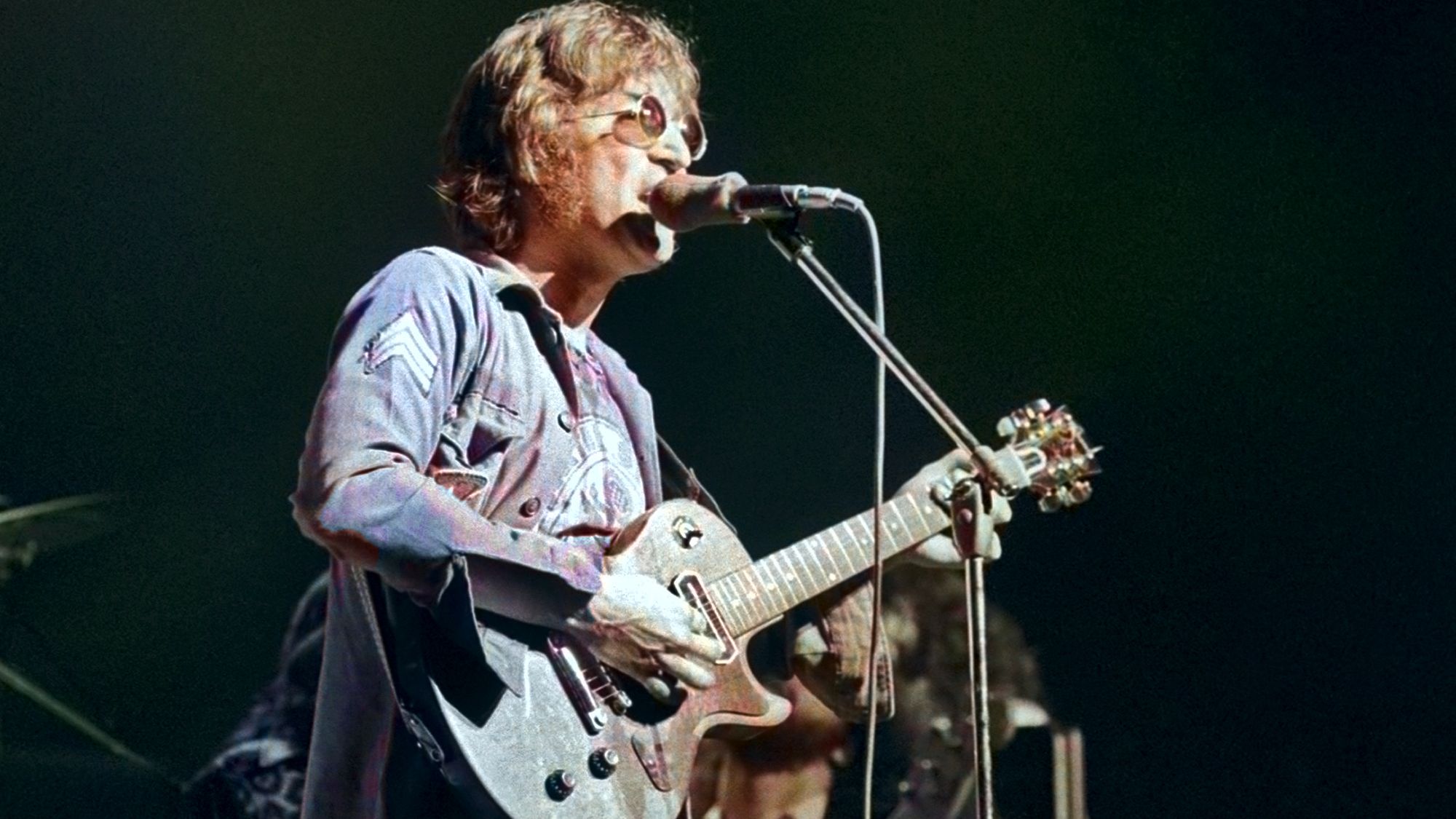
This moment represented a missed opportunity. Shortly after the meeting, lennon and Ono left for a performance at the Toronto Rock and Roll Revival Festival with a makeshift Plastic Ono Band lineup that included Clapton, klaus Voormann, and Alan White.
Upon their return, Lennon had made up his mind. On September 20, 1969, he informed his bandmates of his decision to leave. The Beatles’ final chance to remain united had slipped away.