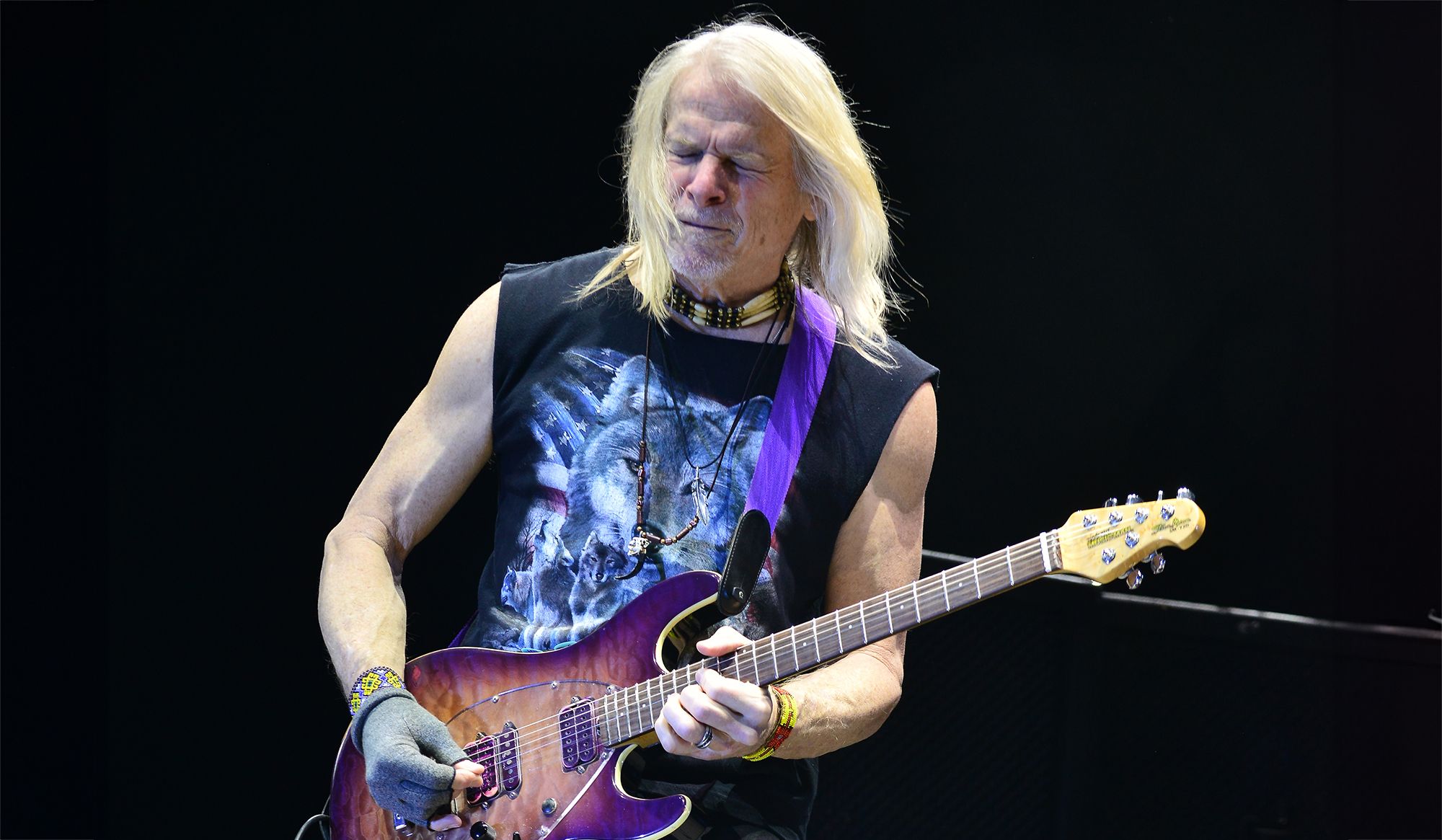
Steve Morse on the Creative Sparks of Deep Purple: How One Bandmate Embraced His 'Leftfield' Ideas!
0 reactions
8 months ago
Beatbounty
The Creative Journey of Steve Morse: A Unique Voice in Deep Purple
Over his impressive 28-year tenure with Deep Purple, Steve morse established himself as the band’s longest-serving guitarist. Yet, the extent of his creative influence on this iconic British rock band may not be as notable as manny fans might assume.
Joining the legendary group in 1994, Morse stepped in to fill the shoes of founding guitarist Ritchie Blackmore, who had a brief return to the band after initially departing in 1975 to form Rainbow. Prior to Morse’s arrival, Deep Purple had enlisted Joe Satriani for a year of touring, and while Morse’s remarkable guitar skills made him a standout performer on stage, his contributions to songwriting were often limited.
“My role in Deep Purple primarily revolved around generating ideas during writing sessions, but only about one in twenty would actually make the cut,” Morse shared in an interview with MusicRadar. “Most of the time, I was met with responses like, ‘That’s not going to work.’”
At the time of his joining, the band was led by vocalist Ian Gillan, who had returned for a second stint after a fallout with Blackmore led to his departure in 1973. The lineup was completed by bassist Roger Glover, drummer Ian Paice, and the innovative keyboardist Jon Lord.
A Kindred Spirit in Jon Lord
It was with Jon Lord that Morse discovered a collaborator who appreciated his creative ideas. “Jon was the one who would listen to my suggestions and thoughtfully build upon them, rather than simply dismissing them as not fitting the Deep Purple sound,” Morse recalled. “When Jon was present, he would hear something and say, ‘That’s a bit unconventional, but what if we approached it this way?’ and he would add his own unique twist.”
Morse reminisced about a moment while working on the 1996 album Purpendicular, when the rest of the band took a break for tea. As the only American in the group, he continued to play, and at one point, Lord set his cup down, turned to morse, and exclaimed, “Ah, that’s something special.”
Balancing Tradition and Innovation
it seems the rest of the band leaned towards a more traditional interpretation of the Deep Purple sound, adhering closely to the identity established by Morse’s predecessor. In a now-removed 2018 YouTube video, blackmore himself offered a mixed review of both Satriani and Morse, despite acknowledging their skills.
“Joe Satriani is an exceptional guitarist, but I don’t see him truly exploring notes. He rarely plays a wrong note,” Blackmore commented. “Jimi Hendrix, on the other hand, often played wrong notes because he was on a quest for the right ones. When he finally hit that perfect note, it was magical.”
“If you’re always hitting the right notes, it suggests you’re not searching for anything deeper. That’s not to undermine their brilliance; it’s just a different approach,” he added. “Some musicians play from the heart, while others play from the intellect. I lean towards those who play with passion. Technical proficiency can be impressive, but it can also become monotonous after a while.”
Overcoming Challenges
In other news, Morse recently revealed that he suffered a wrist injury just before embarking on a tour with Deep Purple, which forced him to adapt his guitar setup to accommodate his playing style. As he navigates the challenges of arthritis, he has also shared valuable advice with Guitar Player readers on maintaining composure during tough times-something he has certainly had to practice himself.
Steve Morse on the Creative Sparks of Deep Purple: how One Bandmate Embraced His ‘Leftfield’ Ideas!
Steve Morse on the Creative Sparks of Deep Purple: How One Bandmate Embraced His ‘Leftfield’ Ideas!
The Journey of Steve Morse with Deep Purple
Steve Morse,the longest-serving guitarist of the legendary rock band Deep purple,joined the group in 1994,stepping in to replace the iconic Ritchie Blackmore. His arrival marked a new chapter for the band, wich had previously enlisted guitar virtuoso joe Satriani for a year of touring. Despite his exceptional talent, Morse found that his creative contributions were ofen met with skepticism.
Understanding the Creative Dynamic
During his time with Deep Purple, Morse discovered that his role was primarily to generate ideas during songwriting sessions.He candidly shared, “My job with Purple became providing ideas for the writing sessions, and one out of 20 might get used. Ninety-five percent of the time I was hearing, ‘That’s not going to work.’” This highlights the challenges he faced in a band known for its established sound.
The Band’s Lineup and Creative Tensions
At the time of morse’s joining, the band featured:
Ian Gillan – Vocals
Roger Glover – Bass Guitar
Ian Paice – Drums
Jon Lord – Keyboards
While the band had a strong foundation, the creative tensions between Morse and some members were palpable. The legacy of Blackmore loomed large, and many band members were hesitant to deviate from the established sound.
Finding a Kindred Spirit: Jon Lord
Amidst the challenges, Morse found a supportive ally in Jon Lord. “Jon was the guy who listened to my ideas and thoughtfully added to them, rather than just saying, ‘That doesn’t sound like Purple,’” Morse explained. Lord’s willingness to explore unconventional ideas allowed for a more dynamic creative process.
Memorable Moments of Collaboration
One notable instance occurred while working on the 1996 album Purpendicular. As the rest of the band took a break for tea, Morse continued to play.Lord, inspired by Morse’s improvisation, remarked, “Ah, that’s something there.” This moment exemplified how collaboration can lead to unexpected and exciting musical developments.
Balancing Tradition and Innovation
Despite Morse’s innovative ideas, the band often leaned towards a more traditional sound. Blackmore himself, in a now-removed 2018 video, expressed mixed feelings about the newer guitarists.He acknowledged their technical prowess but emphasized the importance of emotional expression in music.
Blackmore’s Perspective on Musical Expression
“Certain people play from the heart, and other people play from the head,” Blackmore stated. “I prefer a ‘heart’ player. If I hear someone really technical running up and down the fingerboard,I can hear that for a couple of minutes,then I start to get bored.” This perspective underscores the ongoing debate between technical skill and emotional depth in music.
Benefits of Embracing ‘Leftfield’ ideas
Exploring unconventional ideas can lead to significant benefits in the creative process:
Innovation: Embracing unique concepts can result in groundbreaking music that pushes boundaries.
Collaboration: Working with open-minded bandmates fosters a supportive environment for creativity.
Diversity: Incorporating various influences enriches the band’s sound and appeals to a broader audience.
Practical Tips for Musicians
For musicians looking to cultivate their creativity, consider the following tips:
Collaborate: Seek out bandmates or fellow musicians who are open to exploring new ideas.
Experiment: Don’t be afraid to try different styles, techniques, or instruments.
Stay Open-Minded: Embrace feedback and be willing to adapt your ideas based on collaboration.
Case Study: The Making of Purpendicular
The creation of Purpendicular serves as a prime example of how embracing unconventional ideas can lead to success.The album showcased a blend of Morse’s innovative guitar work and the band’s classic sound,resulting in a fresh yet familiar listening experience.
Track Highlights from Purpendicular
Track Number
Track Title
Notable Features
1
“Vavoom: Ted the Mechanic”
Catchy riffs and dynamic vocals
2
“Loosen My Strings”
Innovative guitar solos
3
“Sometimes I Feel Like Screaming”
Emotional depth and lyrical storytelling
First-Hand Experience: Morse’s Adaptation
In a recent interview, Morse shared his experience of adapting to challenges, including a wrist injury that occurred just before a tour. He had to modify his guitar setup to accommodate his playing style, showcasing his resilience and creativity in overcoming obstacles.
Tips for Musicians Facing Challenges
Adapt Your Gear: Make necessary adjustments to your instrument to suit your physical needs.
Stay Positive: Maintain a positive mindset and focus on what you can control.
Seek Support: Don’t hesitate to reach out to fellow musicians for advice and encouragement.
For those interested in sharing their own musical journey or seeking collaboration opportunities, consider creating an account on the Beatbounty platform. Submit an ad to connect with like-minded musicians and explore new creative avenues!