Ian Anderson’s Guidance for Jethro Tull’s New Guitarist: Embracing Restraint in Solos
Jethro Tull stands as a pioneering force in progressive rock, known for their bold experimentation that blends blues-rock with elements of English folk and classical music.This adventurous spirit has allowed them to carve out a unique niche in the music world, driven by a relentless curiosity about sound and composition.
Though, for Ian Anderson, the band’s co-founder and multifaceted musician, this curiosity must be tempered when it comes to the lead guitar. As they worked on their latest studio album, Curious Ruminant, featuring Jack Clark’s official debut on electric guitar, Anderson shared some crucial advice for the new guitarist regarding the art of soloing.
In a recent conversation with Louder, Anderson emphasized the importance of restraint in guitar solos. “Jack has a great sense of when to hold back,” he noted. “On this album, he delivered thoughtful and well-placed solos, incorporating intricate rhythms while also knowing when to let a note resonate.”
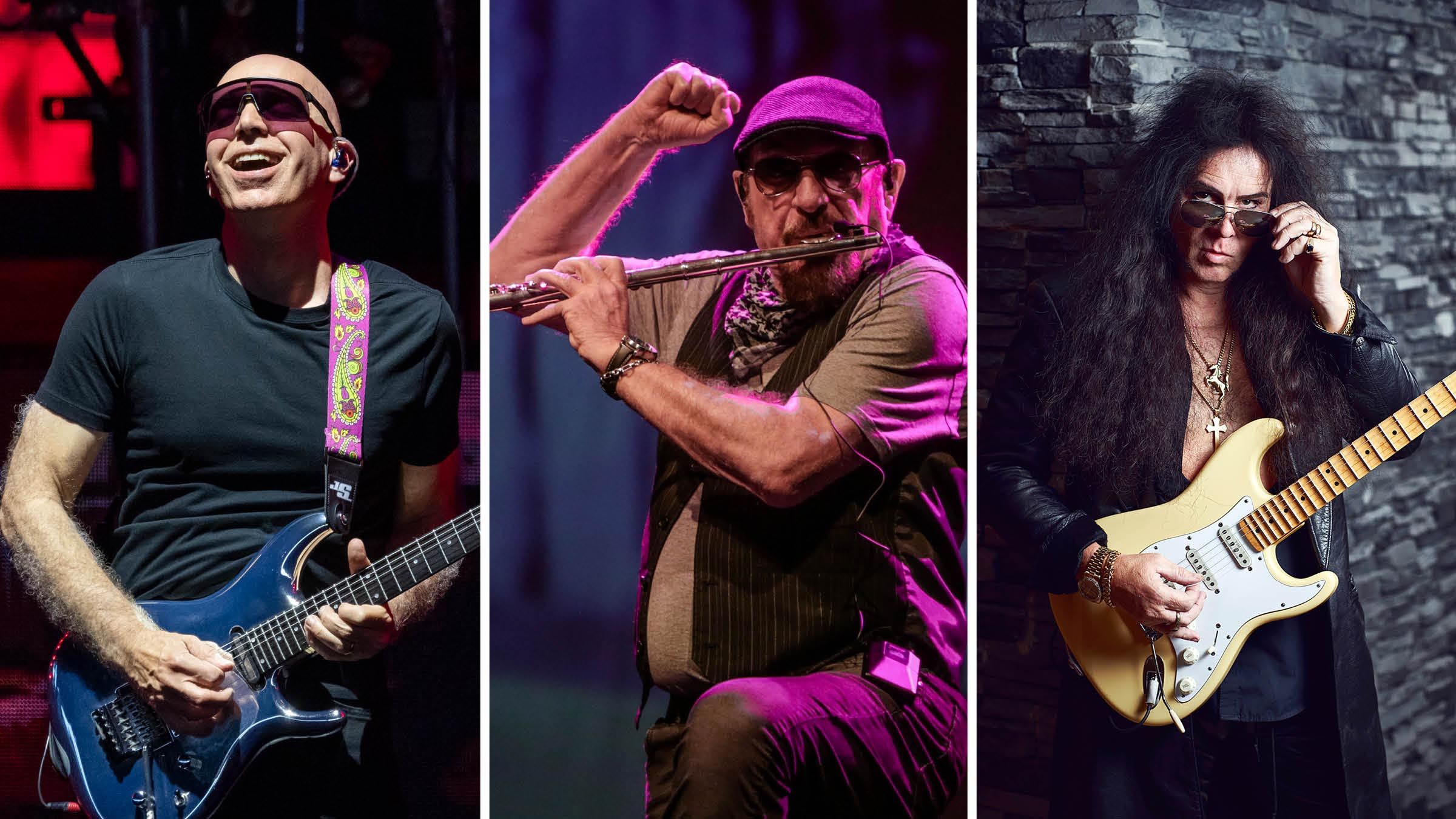
Anderson’s philosophy on lead guitar is clear: he values emotional expression over technical prowess. “When jack first joined, I made it clear: if you have a lengthy guitar solo, please don’t channel Yngwie Malmsteen or Joe Satriani,” he remarked, highlighting his preference for melodic over flashy playing.
Clark, who has been part of the Jethro Tull family for a while, was already familiar with the band’s dynamics. “This is Jack’s first album with us, but he has previously filled in for David Goodier during his surgery and also covered some keyboard parts for John O’Hara,” Anderson explained.
Anderson’s straightforward approach to guiding Clark reflects his deep understanding of what he seeks in a guitarist. Despite his whimsical stage presence, he is serious about the musical direction of Jethro Tull.
When asked if he views Curious Ruminant as a significant milestone in his career, Anderson responded modestly, “Not particularly. It’s simply a collection of songs, much like Aqualung was.”
While Anderson may discourage the technical flamboyance of guitar legends, some of jethro Tull’s most memorable guitar moments have been influenced by the era’s top players.
Take, for instance, the iconic solo in 1971’s Aqualung, performed by Martin Barre. In a 2025 interview with Guitarist, Barre revealed how Leslie West of Mountain influenced his sound. “Meeting Leslie was a transformative experience for me. His playing and stage presence were captivating, and I admired everything about Mountain,” he shared.
“I was inspired to buy a Gibson les Paul Junior because leslie had one,” Barre recalled, explaining how he crafted his tone using a combination of his Junior and a 1958 Fender Stratocaster, plugged into a Hiwatt amp. “It was straightforward-just a guitar into the amp, no pedals involved.”