Beatbounty

Legacy in Limbo: Jimi Hendrix's Bandmates' Heirs Battle Over Royalties

  • 0 reactions
  • 3 hours ago
  • Beatbounty

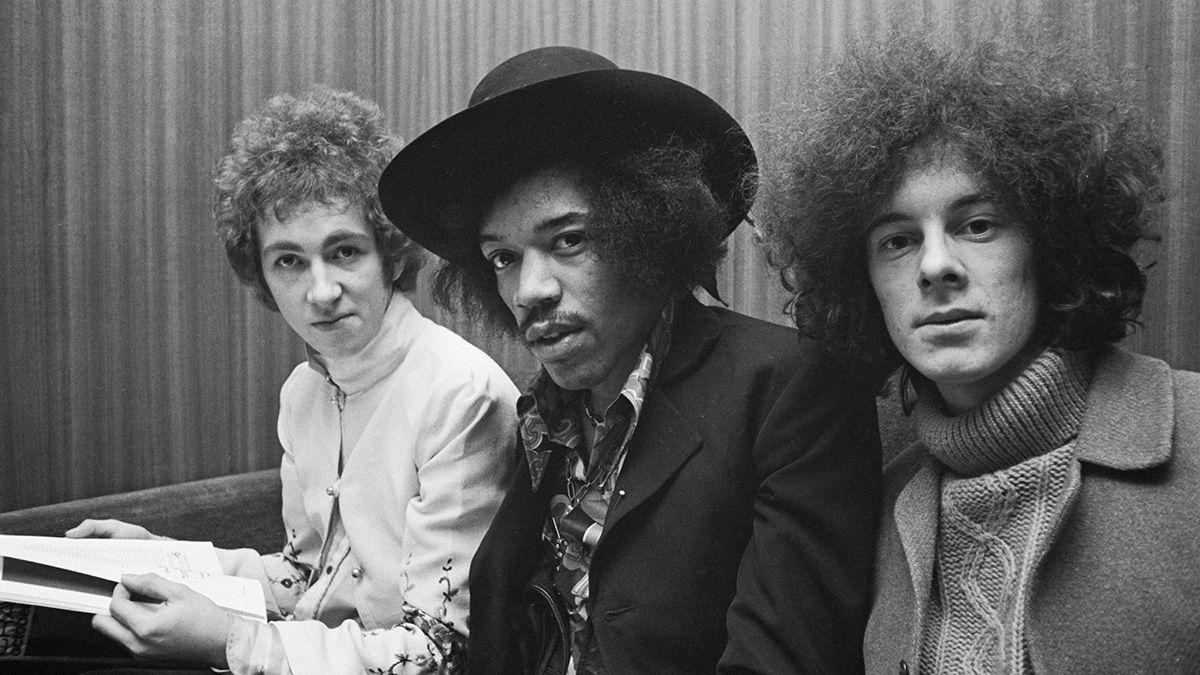
Heirs of Jimi Hendrix’s Bandmates Face Setback in Royalty Battle

A recent ruling from a London court has dashed the hopes of the heirs of two of Jimi Hendrix’s legendary bandmates in their quest for‌ royalties from the iconic musician’s extensive catalogue. This decision comes after a protracted ⁤legal struggle involving Sony Music and the estate of Hendrix himself.

The Court’s Findings

British High Court Judge Edwin Johnson determined that both Noel Redding,⁢ the bassist,​ and drummer John “Mitch” Mitchell⁤ had ​entered into a recording⁢ contract on October 11, 1966, which effectively relinquished their rights to ‌future royalties. The judge ⁢emphasized that the agreement was clear in its ⁣intent to assign ownership of⁤ the rights to the producers, ⁢not the musicians.

In​ his thorough 140-page ruling,Judge Johnson stated,”I conclude that the first owners of the copyrights… were the producers.” This assertion underscores the legal complexities surrounding music ​rights and the⁤ implications for artists and their estates.

Key Clauses in the Agreement

Judge Johnson pointed out a ⁤pivotal clause in the original contract​ that explicitly stated the producers held‍ the rights to “any sound recordings made hereunder.” This clause extended to “the copyright throughout the world in‌ all ⁤sound recordings of performances‍ of musical works by the ⁤artistes.”

He further ⁣elaborated, ‌”It is difficult to see how this could have been expressed more clearly. ‌The producers were​ to have the copyright in sound recordings ⁢made pursuant to the​ terms of ⁤the recording agreement. This clearly included ‍the recordings, which were all made pursuant to the terms of the recording‌ agreement.”

The judge ‌characterized the agreement as “clear and unequivocal,” noting that⁤ it imposed no limitations on time or geography regarding ownership.

Impact on Hendrix’s Legacy

Moreover,the ruling indicated that following Hendrix’s passing in 1970,a series of transactions positioned his ⁣estate as the ultimate successor to the⁤ rights originally held by the producers under the recording agreement.

Janine Hendrix, Jimi’s sister and CEO of Experience​ Hendrix, expressed ‌her‌ satisfaction‌ with the ruling, stating, “jimi’s music is more than a‍ catalog – it’s a living piece of our family’s soul, filled with his spirit, his passion, and his truth.”

She⁣ added, “This decision means we can continue protecting⁣ that legacy with the love, care, and integrity it deserves, and ensure his voice is honored for generations to come.” Simultaneously occurring, representatives for Redding and Mitchell did not respond to requests for comments from Rolling Stone.

Recent⁢ Trends in Music Royalties

This ruling comes on the heels of another ⁣notable royalties dispute earlier this year, where Sting settled with⁣ his former bandmates from The Police, Andy Summers and Stewart Copeland, for approximately $800,000. Such cases highlight ⁤the ongoing complexities and challenges‌ artists face regarding their rights and⁣ royalties in the‌ music industry.

Legacy in ⁣Limbo: Jimi‍ Hendrix’s Bandmates’ Heirs Battle Over⁢ royalties

Legacy in ⁣Limbo: Jimi Hendrix’s Bandmates’ Heirs Battle Over Royalties

The Legal Dispute Unfolds

In a important ruling from the British ⁢High Court, the heirs of ⁤Jimi ‌Hendrix’s former bandmates, Noel Redding and John‍ “Mitch” Mitchell, faced a setback in ⁤their quest for royalties from ⁣the legendary guitarist’s catalogue.⁣ This ‌legal battle⁤ has drawn attention to the complexities of music rights and the implications for ⁤artists and their estates.

Background of the Case

The dispute centers around a recording agreement signed on October ⁣11, 1966, which Redding and Mitchell entered into with the producers of the Jimi Hendrix Experiance.According to Judge‌ Edwin Johnson, this contract explicitly waived ​their‌ rights to future royalties, ⁢a decision that has left the heirs grappling with the ramifications.

Key Findings from the Court Ruling

Judge Johnson’s ruling highlighted ‍several critical points regarding ⁣the ownership of‌ music rights:

  • The original agreement clearly stated that the producers held the rights ​to “any sound recordings made hereunder.”
  • The⁤ clause extended to copyrights worldwide for all ⁤sound recordings of performances by the artists.
  • The judge emphasized that the agreement was​ “clear and unequivocal,” with no limitations on time or geography regarding ownership.

Implications for Music rights

This ruling has broader implications for the music industry, especially concerning how contracts are structured and the rights of artists versus producers. The case serves as a reminder for musicians ⁣to thoroughly understand the agreements they ​enter into, as these can have​ lasting effects‍ on their legacies and financial futures.

Understanding Music Royalties

Music royalties are payments made to artists, songwriters, and producers for the use of their music. These​ can come from various⁢ sources, including:

  • Performance Royalties: Earned when a song is played on⁤ the radio, in public venues, or streamed online.
  • Mechanical royalties: Generated⁤ from the sale of physical copies of music, such as CDs⁤ and vinyl records.
  • Synchronization Royalties: Paid when music ‌is ‌used in films, TV shows,⁣ or commercials.

Types of ⁤Music⁤ Royalties

Type of ​Royalty Description Examples
Performance Royalties Earned from public performances of music. Radio airplay, live concerts
Mechanical Royalties Generated‍ from the sale of recorded music. CD sales, digital ⁣downloads
Synchronization Royalties Paid for ‍the use‍ of ‌music in visual media. Movies, TV shows, commercials

Case Studies: Similar Legal Battles

Legal‌ disputes over music royalties are not uncommon. ⁢Hear are a few notable cases:

  • Prince’s estate: ‍Following ​the artist’s untimely death, his estate faced numerous legal challenges regarding the rights ⁢to his music and unreleased ⁣recordings.
  • Led Zeppelin: The‍ iconic band faced a lawsuit over the alleged plagiarism of‌ their song “Stairway to Heaven,” highlighting ⁣the complexities of music rights and ownership.
  • Sting ⁢and The ⁣Police: Earlier this ⁢year, ​Sting settled a royalties dispute with his former bandmates⁣ for approximately $800,000, showcasing the ‌ongoing challenges artists face in securing their financial rights.

Practical Tips for​ Musicians

For musicians navigating the complexities of music rights and royalties, consider the⁤ following tips:

  • read Contracts Carefully: always review agreements thoroughly and seek legal advice ​if necessary.
  • Understand Your Rights: Familiarize yourself with the different types of royalties and how they apply to your work.
  • Keep Records: Maintain detailed records of all performances, sales, and agreements to ensure you receive the royalties you⁣ are owed.

First-Hand​ Experience: Insights from Industry professionals

Industry professionals often share valuable insights ‌regarding the importance of understanding ⁤music rights:

“Manny artists enter contracts without fully grasping the⁢ implications. It’s crucial to have a solid understanding of your rights to ⁤protect your legacy.” – Music industry Lawyer

Join ‌the Beatbounty Community

If you’re a⁤ musician or ‌involved in‍ the music industry, consider joining the Beatbounty platform. Create an account today and submit an ad to ‍connect⁢ with ⁢other artists, producers, and industry​ professionals. It’s a great way to network⁢ and stay informed about the latest trends⁢ in ‌music ⁣rights⁤ and royalties.

Become a valued member of Beatbounty platform

Start selling and connect with fellow musicians –  LOGIN or REGISTER!

Own the Spotlight!

Get Your Banner Here

Amplify Your Reach!
Place your ad in front of the people who make the music. Reach musicians, gear lovers, and industry professionals.

Sponsored

Tune Into the Conversation!

Your thoughts matter! Leave a comment and strike up a dialogue with fellow readers.

Created by c-web. ©2024 All rights reserved.