Introduction
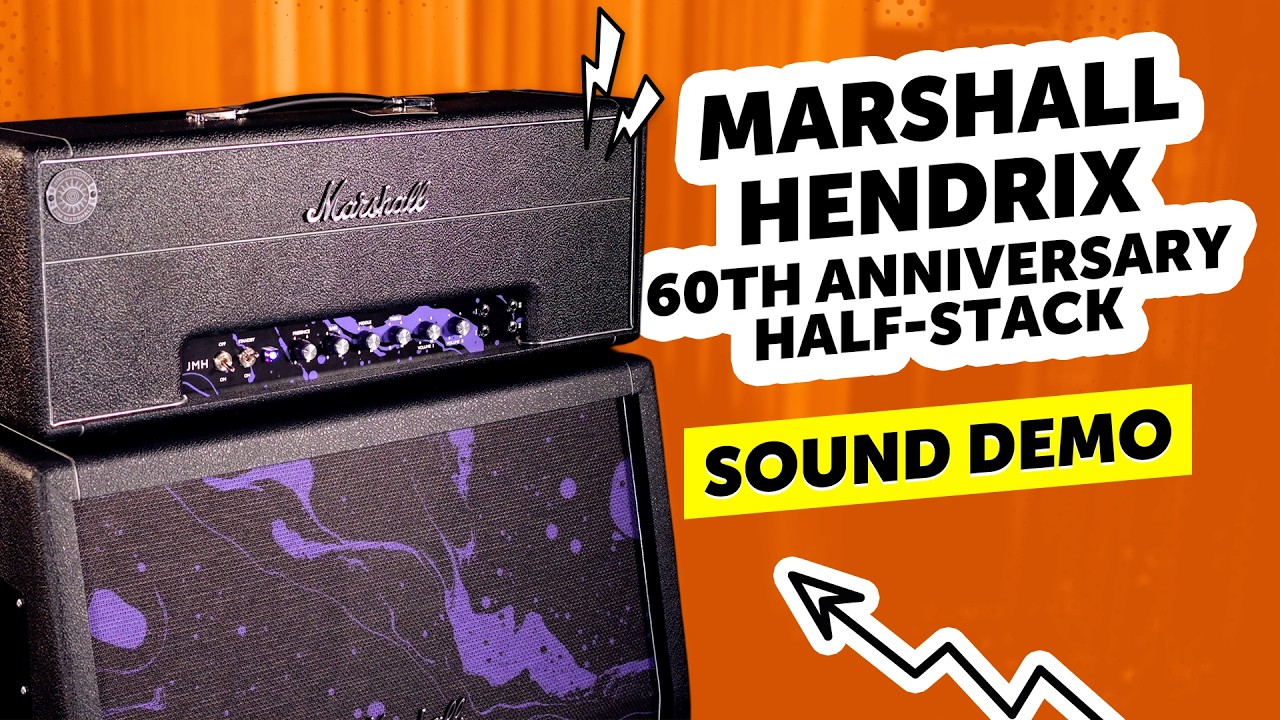
In the realm of guitar legends, few shine as brightly as jimi Hendrix. His ethereal soundscapes and electrifying stage presence were complemented by the thunderous tones of the iconic Marshall amplifier.This legendary duo has left an indelible mark on guitarists for over six decades. To celebrate this monumental partnership, Marshall has unveiled a stunning tribute: the marshall x Jimi Hendrix 60th Anniversary JMH Half Stack.
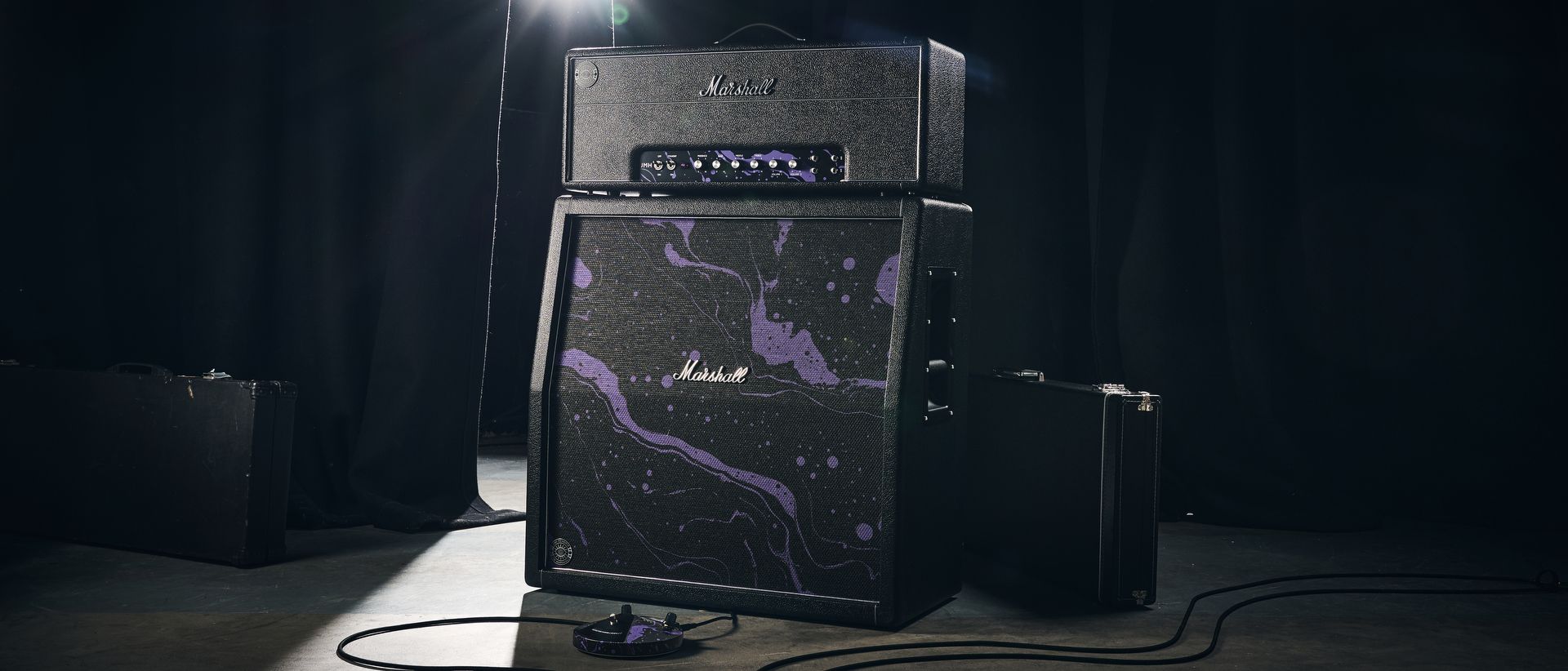
This limited-edition amplifier is modeled after the renowned marshall Plexi, specifically the 1959 Super Lead, which Hendrix famously wielded. Only 300 units of this hand-wired masterpiece will be produced.
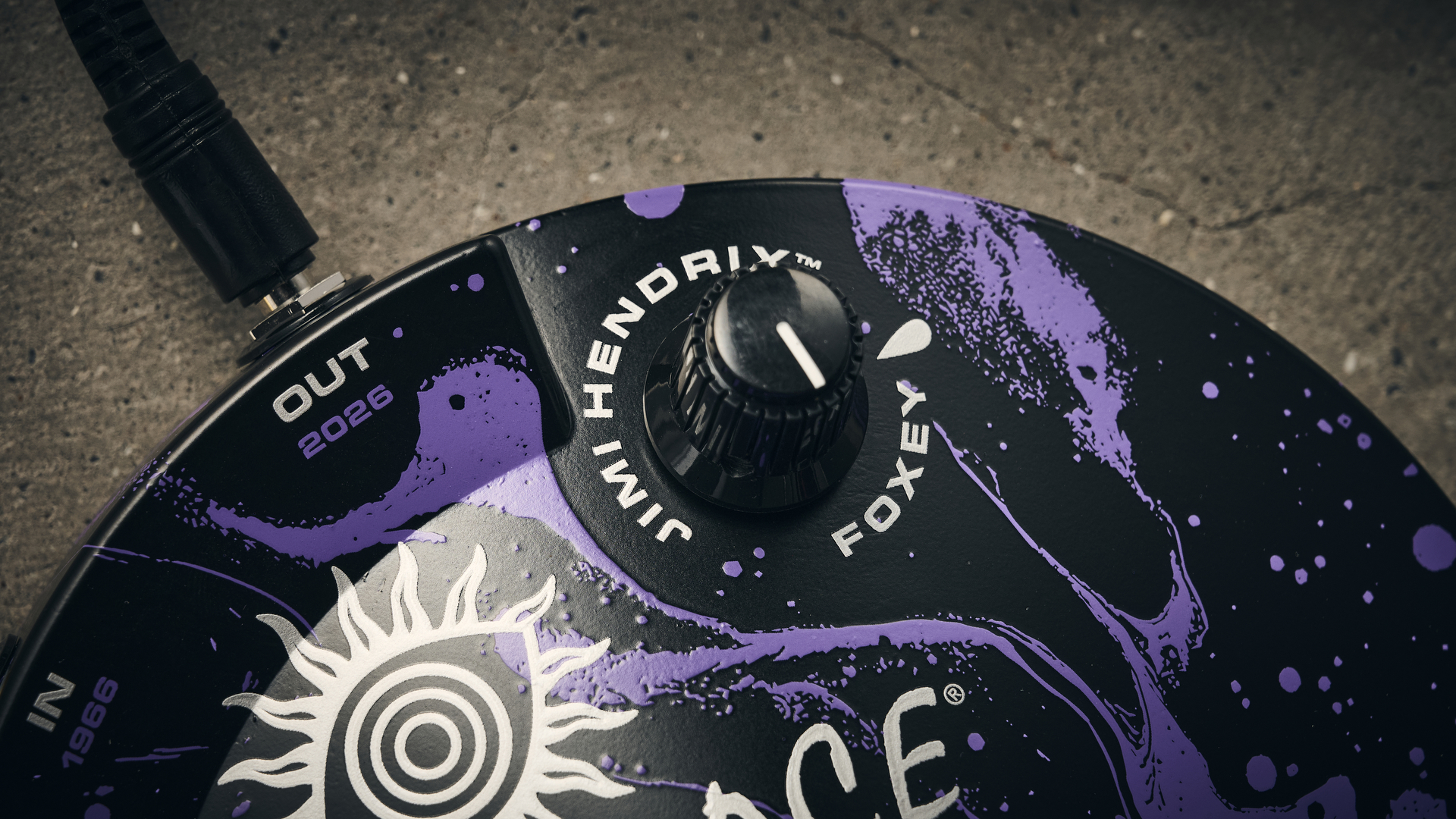
This collector’s item boasts a striking purple and black “cosmic swirl” finish,accompanied by a treasure trove of accessories: a poster,a heartfelt letter from Janie Hendrix,a handkerchief,guitar picks,and a unique Fuzz Face pedal.
Hendrix’s Fuzz Faces are legendary, thanks to the meticulous modifications by engineering wizard Roger Mayer, resulting in a variety of fuzz tones. The included pedal is inspired by the fierce sound Hendrix showcased during his final UK performance at the Isle of Wight in 1970, featuring the same mesmerizing purple and black design as the amplifier. Notably, this pedal is not available for separate purchase.

Marshall has ensured that such a distinctive amplifier is paired with a matching cabinet.Reflecting the era when guitar amplifiers needed to project sound across large venues,this cabinet is a 4×12 configuration,equipped with Celestion G12H 30 speakers.
In essence, this setup includes a fuzz Face, a Plexi head, a 4×12 cabinet, and an abundance of volume. This promises to be an exhilarating experience.
Specifications

- Launch Price: $4,999 | £3,799 | €4,399
- Type: Tube amplifier head and cabinet with Fuzz Face
- Origin: united Kingdom
- Output: 100W
- Speaker Configuration: 4×12 Celestion G12H 30
- Channels: 2
- Controls: Presence, Bass, Mid, Treble, Volume 1, Volume 2
- Connectivity: 1 instrument input
- Footswitch: No
- Weight: 20.5kg/45.1lbs (head)
- Dimensions: 29.1″x12″x8.2″/740 x 305 x 210 mm (head)
- Contact: Marshall
Quality of Construction

Build Quality Rating: ★★★★★
Both components feature sturdy birch plywood construction,durable tolex covering,and robust handles designed for longevity. The controls on the amplifier head are satisfying to operate, with the rotary selectors for impedance and mains power settings providing a reassuring tactile feedback, as do the power and standby switches.

The limited edition Fuzz Face is designed to match the vintage models in size, featuring a durable metal chassis. Both the amplifier and pedal are collector’s items that can endure the test of time with proper care.
Maintenance for the amplifier will involve replacing the tubes eventually, with three ECC83s/12AX7s in the preamp (including one phase splitter) and four EL34s delivering that powerful 100 watts.
All of this is housed within hand-wired circuitry. While some may debate the tonal differences this brings, it certainly reflects the meticulous craftsmanship expected from an amplifier in this price range.

For me, the highlight of this entire setup is the mesmerizing purple finish juxtaposed against the classic black of a Marshall amplifier. While it may not reference a specific album cover, it perfectly encapsulates the psychedelic essence associated with Hendrix, completing a visually stunning package.
Functionality and Features

Usability and Features Rating: ★★★★
The beauty of a classic tube amplifier lies in its simplicity: plug in, crank it up, and let the music flow.Since this amplifier is modeled after the legendary Marshall 1959 Super Lead, it’s only fitting to approach it in the same straightforward manner.
As one of the most celebrated amplifiers in history, many musicians are already acquainted with this setup. for those new to it, the amp features two channels: a High treble and a Normal channel, each equipped with high and low sensitivity inputs.
The high sensitivity input caters to low-output pickups, while the low sensitivity input is tailored for high-output pickups.
These channels can be interconnected using a patch cable, allowing you to connect the low-sensitivity input of the high Treble channel to the high-sensitivity input of the Normal channel, enabling a blend of tones to suit your preference.

on the front panel, you’ll find all the necessary controls to shape your sound: a three-band EQ, a Presence control, and individual Volume knobs for each channel, along with a power switch and a standby switch.
On the rear, there are two speaker outputs, an output selector for 4, 8, and 16 ohm configurations, and a mains selector that accommodates 100, 120, and 230 volts.
This setup is straightforward, a faithful reproduction of classic amplifier technology that will surely satisfy traditionalists, resulting in an easy-to-navigate piece of equipment devoid of the complexities that modern technology often introduces.
Tho,it’s crucial to ensure that you select the correct impedance for your cabinet. Marshall conveniently provides guidance on this in the user manual.

It’s critically important to note that without a master volume control or modern features, achieving breakup relies on pushing the tubes with the volume knobs. While wattage doesn’t directly correlate to loudness, this amp is undeniably loud!
When driving it into breakup, ensure you’re in a spacious surroundings that can accommodate the sound level, or consider using modern technology to manage it, such as a Torpedo Captor X Plus.
The 4×12 cabinet, which comes equipped with casters, adds to the volume, even though I found the casters less than helpful when hauling it up the stairs to our studio testing area.

The Fuzz Face pedal adheres to vintage specifications, featuring a bulky design, no power input, and a 9V battery compartment that necessitates removing the backplate for access.
While these vintage features may seem cumbersome compared to modern pedals with convenient power inputs and accessible battery compartments, they contribute to a package that genuinely honors the era and the artist, which is the essence of this product.
Sound Quality

Sound quality Rating: ★★★★
For me, the best results are gained by using both and jumping the inputs.
Playing through these amplifiers is an exhilarating experience. It’s not the polished,produced sound that many may associate with digital emulations of a Plexi-style amp. Rather, it’s raw, responsive, and undeniably captivating.
The High Treble channel can be piercingly shining,frequently enough unpleasant until the volume reaches around the halfway mark. At this point, the low-end begins to emerge, balancing the pronounced treble and creating a more harmonious sound, though it still retains a strong presence in the treble and high-mid frequencies.
Conversely, the Normal channel remains darker until similarly pushed, lacking the high-end brightness. For optimal results, I recommend utilizing both channels and jumping the inputs.

The three-band EQ offers subtle adjustments in Presence, Bass, and Mid, allowing for fine-tuning to suit the room while maintaining the amp’s inherent character. The Treble control has a broader range, transitioning from dull to piercingly bright.
During testing, I used a Les Paul Classic, a Custom Shop Telecaster, and, of course, a Stratocaster. Setting both channels to around seven produces a crisp drive with a mid-forward, prominent high end typical of the Marshall sound.
This amplifier is incredibly dynamic, responding to the various pickups in the guitars and reacting faithfully to the guitar’s volume controls, perhaps more so than any other amp I’ve encountered.

This level of touch sensitivity and intricate high-end response makes the amplifier feel intimately connected to your playing style. However, it’s worth noting that this also means the amp is unforgiving, revealing every nuance and imperfection in a player’s technique. It’s not for the faint-hearted.
The sound truly shines in a band setting, where its presence can cut through the mix, while the low-end is supported by other instruments. Many players might find the tones too bright when played solo.
Indeed, it took me some time to adjust and fully appreciate the sound during testing.