Gurf Morlix Reflects on the Legacy of Lucinda Williams’ ‘Car Wheels on a Gravel Road’
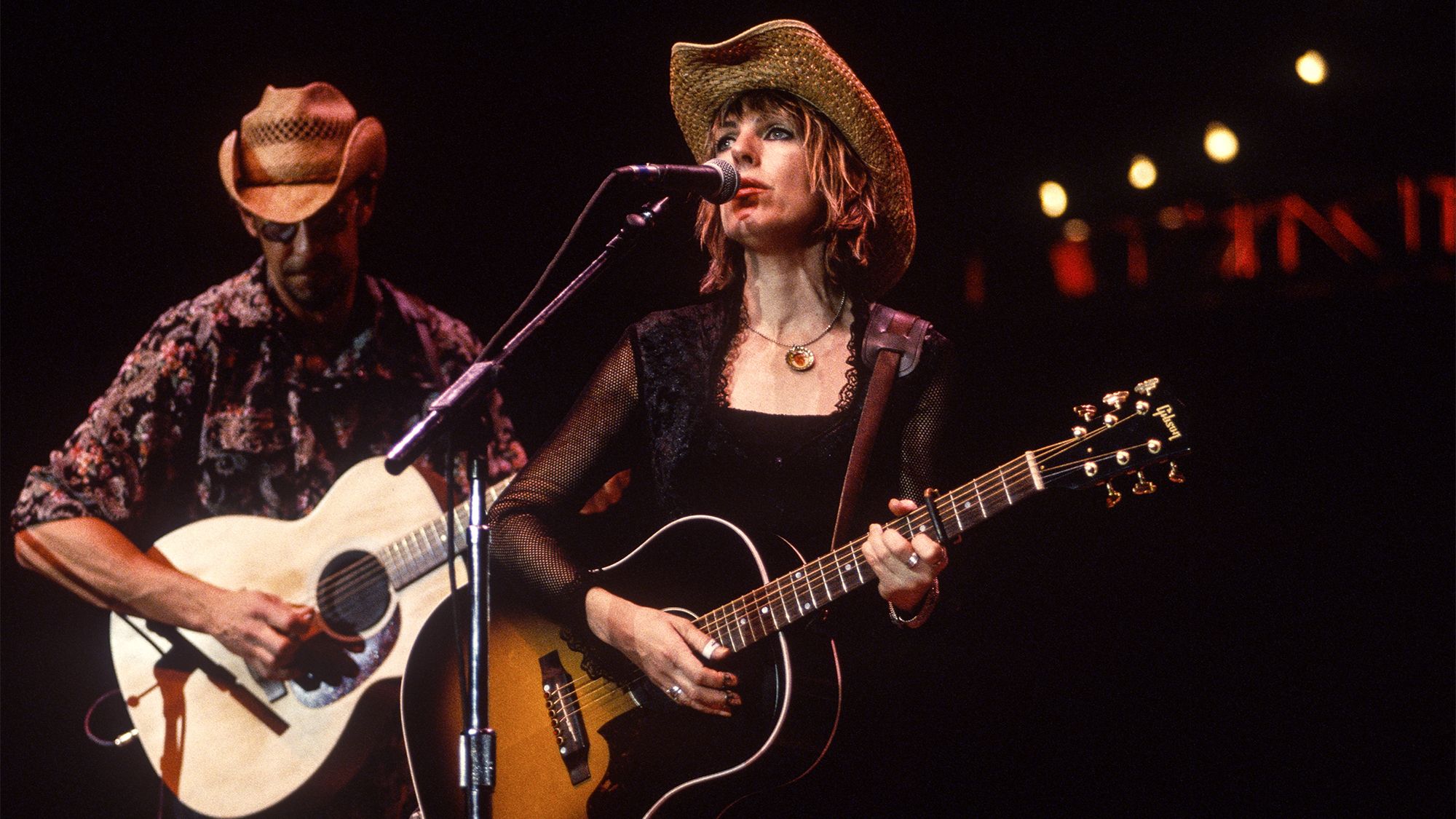
Lucinda Williams’ Car Wheels on a Gravel Road is often hailed as a pivotal moment in the Americana genre, marking a significant shift in the singer-songwriter landscape.Though, Gurf Morlix, who played a crucial role as her guitarist and bandleader, offers a different outlook on this iconic album.
With his unique musical style and contributions,Morlix’s influence is woven throughout the record,which took three years to complete. The album’s liner notes poignantly acknowledge his efforts: “To Donald, Ciambotti & Gurf: Thanks for the years of hard work & joy & the blood you sweat over this.”
The early Struggles of a Musician
Before Car Wheels became a defining work, Morlix was navigating the challenging music scene in buffalo, New York.He felt constrained by an environment that offered little prospect for a sustainable career in music. Unlike many aspiring artists chasing fame,Morlix was grounded in a traditional,heartfelt sound reminiscent of outlaw country,appealing more to dedicated fans than to mainstream charts.
“I had some talent,” he recalls, ”but finding musicians who shared my vision was a challenge.” This led him to Austin, Texas, a city known for its vibrant live music scene and affordable living, were he felt he could thrive.
Crossing Paths with Lucinda Williams
While Morlix was establishing himself in Austin, Lucinda Williams was also part of that musical ecosystem. Their paths finally converged in Los Angeles during the mid-1980s. “I moved there because the Austin scene felt limiting,” he explains. “Lucinda was rehearsing with a band of L.A. musicians, and I was invited to join in for some fun.”
The chemistry between them was instant, and Morlix quickly became an integral part of Williams’ band, eventually taking on the role of bandleader. “It just clicked,” he says. “She would share new songs, and I’d effortlessly contribute musical ideas right on the spot.”
Recording Breakthroughs and Challenges
By 1988, Williams was ready to record her first album in nearly a decade, following the underwhelming commercial performance of her earlier work.The resulting self-titled album marked a turning point, earning critical acclaim and establishing her alongside the era’s top songwriters with tracks like “I Just Wanted to See You So bad” and “Passionate Kisses.” Morlix, as producer and guitarist, was taken aback by the album’s success.
“We had to work quickly due to financial constraints,” he recalls.”We barely had time to think, but the response was overwhelming.” The album’s success paved the way for Williams’ subsequent projects, including the polished Sweet Old World, which further solidified her place in the music industry.
Creative Tensions and Departure
However, as the budgets grew, so did the pressures. Morlix found himself at odds with the music industry’s demands during the production of Car Wheels on a Gravel Road.”I was expected to find ways to spend money, which felt counterproductive,” he reflects. “I had told the A&R person I could produce the album for a fraction of the budget, and he warned me against saying that.”
In early 1995, the duo began recording in Austin, but Williams was dissatisfied with her vocal performances. “I wanted to evolve,” she stated in a 2018 interview. Morlix, on the other hand, was proud of the sounds they had achieved in previous sessions. “I had never heard a better-sounding tremolo than on that vox amp,” he noted.
Ultimately, Williams decided to scrap the initial recordings and relocate to Nashville, collaborating with guitarist Steve Earle and producer Ray Kennedy to re-record the material. This decision led Morlix to step back from his role, feeling the strain of the prolonged process. “it felt like we were stuck in limbo,” he admits. “Making music should be joyful, but it had become a struggle.”
The Breakthrough and Aftermath
Despite Morlix’s departure, Car Wheels on a Gravel Road became a landmark album, featuring standout tracks like “Metal Firecracker” and “Drunken Angel.” It reached number 65 on the Billboard 200 and achieved Gold status in the U.S., receiving widespread acclaim.
While Williams’ career skyrocketed, Morlix chose a quieter path, focusing on his solo work. “I didn’t pay much attention to the success,” he admits. “It was all too raw for me.” He learned that true fulfillment came from creating music with artists he respected, free from the pressures of the industry.
Legacy and Continued Influence
Morlix feels he hasn’t received full recognition for his contributions to Car Wheels.”many guitarists were brought in to replace me, but every part I played made it into the final mix,” he asserts. Yet, he remains critical of his work on the album, wishing he could have re-recorded his parts under better circumstances.
Since parting ways with Williams, Morlix has released 19 solo albums, with his latest, Bristlecone, set for release in 2025. “Songwriting is challenging, but it’s incredibly rewarding when someone connects with your music,” he shares.
Today, Morlix continues to create, viewing his collection of instruments as tools for artistic expression. “My taste keeps evolving, and my desire to create drives me forward,” he concludes.