From Outer Space to Rock Royalty: The Cosmic Journey of Eric Clapton's Cream Guitars
0 reactions
1 hour ago
Beatbounty
The Evolution of Eric clapton’s Iconic Guitars: A Journey Through Sound and Style
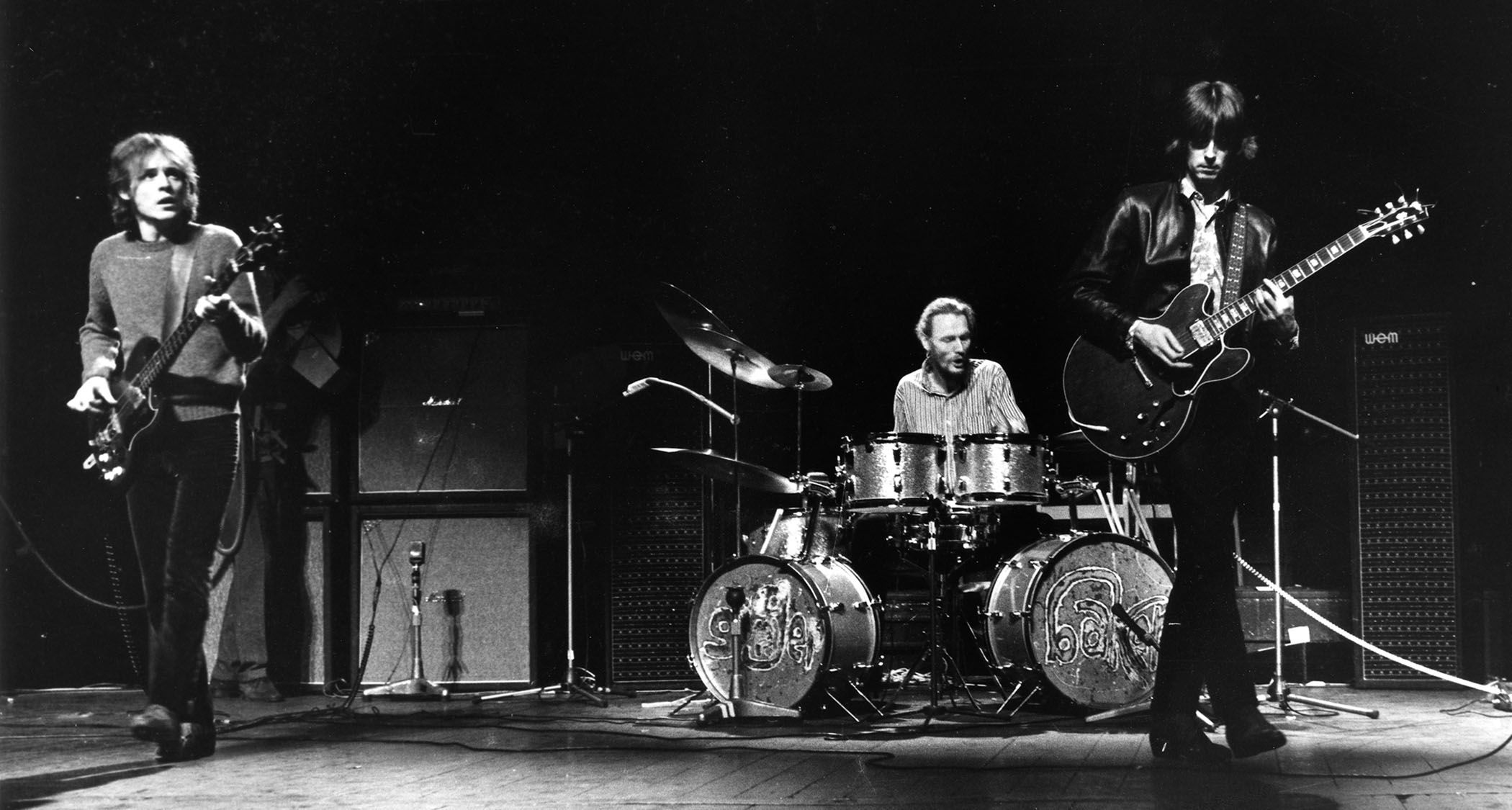
In the summer of 1966, the legendary trio of Ginger Baker, Jack Bruce, and Eric Clapton came together to form Cream. At that time, clapton was armed with his prized Les Paul, famously known as the ‘Beano’ ‘Burst, which he had acquired the previous year while playing with John Mayall’s Bluesbreakers.This guitar became a pivotal part of Cream’s early rehearsals held in a church hall in north-west London.
However, before Clapton could showcase this instrument in a live performance or studio session with his new band, it was stolen from the rehearsal space.The fate of the ‘Beano’ ‘Burst remains an unsolved mystery, adding to its legendary status.
Searching for the Perfect Replacement
following the theft, Clapton began his quest for a replacement guitar. Initially, he borrowed several instruments, including Keith Richards’ Bigsby-equipped ‘Burst for Cream’s debut performance at a festival in Windsor. He also played a cherry double-cut Les Paul Special borrowed from the support act, The Clayton Squares, during a London club gig in august.
By August 1966, Clapton purchased a ‘Burst from Andy Summers, known as the Summersburst, which later resurfaced thanks to Matt’s Guitar Shop in Paris. Unfortunately, this guitar was soon dismissed by Clapton due to an unsatisfactory repair job.
A Psychedelic Transformation
Perhaps feeling that Les Pauls were not meant for him, Clapton switched to a circa-1964 cherry-finish SG Standard.This guitar featured familiar humbuckers and controls, but it was transformed into a work of art by Dutch artists Marijke Koger and Simon Posthuma, who painted vibrant designs on it. This instrument became known as ‘The Fool’ guitar, which Clapton described as a “psychedelic fantasy.” He used it extensively as his primary stage guitar throughout 1967 and into the summer of 1968, recording much of Disraeli Gears with it.
Acquisitions on American Soil
During a spring 1967 tour in the United States, Clapton added several guitars to his collection, including a three-pickup 1958 Les Paul Custom, a Fender XII, and a Danelectro Standard 3021. While he recorded some tracks for Disraeli Gears with the Custom and played the XII on “Dance The Night Away,” none of these guitars became his favorites.
A meaningful moment came in May 1967 when Clapton purchased a secondhand 1956 Stratocaster, which he later dubbed ‘brownie.’ He acquired it just days before Cream headed to New York City to record disraeli Gears. The Strat’s tones, especially on “Tales Of Brave Ulysses,” paid homage to the iconic Jimi Hendrix, who was then the reigning king of the Stratocaster.
Though Clapton used the Fender sporadically with Cream, it became a staple during his tours with Delaney & Bonnie in late 1969 and was prominent in the studio for his first solo album and the Layla sessions in 1970.
Guitar Inspirations and Innovations
In his autobiography, Clapton reminisced about the first time he saw a Stratocaster at age 12, played by Buddy Holly on television. He described the experience as transformative, saying, ”I thought I’d died and gone to heaven. It was like seeing an instrument from outer space, and I said to myself: ‘That’s the future – that’s what I want.’” This moment ignited his passion for the guitar and set the course for his musical journey.
Despite his love for Strats, Clapton didn’t abandon telecasters entirely. In 1968, he created a unique hybrid by combining a bound Custom Tele body with a contemporary rosewood-board Strat neck.This unusual instrument made its most notable appearance during Cream’s farewell concert in hyde Park in June 1969.
More Guitars, More stories
Clapton was known for his generosity with guitars, famously gifting a ’57 Goldtop Les Paul to George Harrison, which Harrison named ‘Lucy.’ this guitar became iconic, featuring on several tracks from The Beatles’ White Album and Abbey Road. In September 1968,Harrison invited Clapton to play ‘Lucy’ on “While My guitar Gently Weeps,” making Clapton the only non-Beatle to record a solo on a Beatles track.
In late 1968, Clapton acquired his third Les Paul ‘Burst, which he occasionally used during Cream’s farewell tour. This guitar, to, was short-lived, as he traded it to Paul Kossoff when free supported Clapton’s new band, Blind Faith, the following summer.
another significant addition to Clapton’s collection was a 1964 ES-335, which he reportedly bought during Cream’s farewell tour. The timeline of this acquisition is somewhat murky, with conflicting accounts about when he obtained the guitar. However, it was seen during Cream’s final performances at the Albert Hall in London and remained with Clapton until he sold it at a charity auction in 2004.
Ultimately, Clapton’s journey through various guitars reflects not only his evolving musical style but also his deep appreciation for the instruments that shaped his sound. His preference for used guitars, which he believed were “broken in and easier to play,” speaks to his understanding of the connection between a musician and their instrument.
As Jerry donahue, who sold Clapton the ES-335, recalled, “He really liked it, the feel, the sound – it was perfect.Certainly, it took no time at all for him to get his wallet out.” Even for a guitar legend, the allure of a great instrument is irresistible.
From Outer Space to Rock Royalty: The Cosmic Journey of Eric Clapton’s Cream Guitars
From Outer Space to Rock Royalty: The Cosmic Journey of Eric Clapton’s Cream Guitars
The Birth of a Legend: The ‘Beano’ Burst
in the summer of 1966, Eric Clapton, along with Ginger Baker and Jack Bruce, formed the iconic band Cream. At this pivotal moment, Clapton was armed with his prized Gibson Les Paul, famously known as the ‘Beano’ Burst. This guitar, which Clapton had acquired while playing with John Mayall’s Bluesbreakers, became a symbol of his early sound.
Unluckily, before Clapton could showcase the ‘Beano’ Burst in a live performance, it was stolen from a rehearsal space in London. The mystery surrounding its disappearance has only added to its legendary status among guitar enthusiasts.
The Quest for Replacement Guitars
After the loss of the ‘Beano’ Burst, Clapton embarked on a quest to find a suitable replacement. Here are some notable guitars he used during this period:
keith Richards’ Bigsby-Loaded Burst: Borrowed for Cream’s debut performance.
cherry Double-Cut Les Paul Special: Another borrowed guitar from The Clayton Squares.
Summersburst: A ‘Burst purchased from Andy Summers, which Clapton later dismissed due to poor repairs.
The Psychedelic Conversion: ‘The Fool’ Guitar
Feeling that Les Pauls might not be his destiny, Clapton switched to a circa-1964 Gibson SG Standard. This guitar underwent a transformation when Dutch artists Marijke Koger and simon Posthuma painted it with vibrant, psychedelic designs. Known as ‘The fool’ guitar, Clapton described it as a “psychedelic fantasy.”
He used this guitar extensively during 1967 and into the summer of 1968, recording much of Disraeli Gears with it. The unique sound and appearance of ‘The Fool’ guitar made it a staple in Clapton’s arsenal.
Guitar collection on American Soil
during a spring 1967 tour in the United States, Clapton expanded his collection with several notable acquisitions:
Guitar
Year
Notable use
1958 Les Paul Custom
1958
Recorded tracks for disraeli Gears
Fender XII
1967
Played on “Dance The Night Away”
Danelectro Standard 3021
1967
Used sporadically on stage
1956 Stratocaster (‘Brownie’)
1956
Featured on “Tales Of brave Ulysses”
The Influence of the Stratocaster
In May 1967, Clapton purchased a secondhand 1956 Fender Stratocaster, affectionately known as ‘Brownie’. This guitar became a significant part of Clapton’s sound, especially on tracks like “Tales Of Brave Ulysses,” where its Strat-like tones and aggressive wah-wah effects paid homage to Jimi Hendrix.
Brownie would later become a staple in Clapton’s performances, especially during his tours with Delaney & Bonnie in late 1969 and in the studio for his first solo album and the Layla sessions in 1970.
Guitar Generosity: Sharing the Love
Clapton was known for his generosity with guitars, famously gifting a ’57 Goldtop Les Paul to George Harrison, which Harrison named ‘Lucy’. this guitar became iconic, featuring on several tracks from The Beatles’ White Album and Abbey Road.
In september 1968, Harrison invited Clapton to play ‘Lucy’ on “While My Guitar Gently Weeps,” making Clapton the only non-Beatle to record a solo on a Beatles track.
More Guitars, More Stories
Clapton’s guitar collection continued to grow, including a third Les Paul ‘Burst acquired in late 1968, which he used during Cream’s farewell tour. this guitar was eventually traded to Paul Kossoff when Free supported Clapton’s new band, Blind Faith.
another significant addition was a 1964 ES-335, which Clapton reportedly bought during Cream’s farewell tour. The timeline of this acquisition is somewhat murky, with conflicting accounts about when he obtained the guitar. Though, it was seen during Cream’s final performances at the Albert Hall in London and remained with Clapton until he sold it at a charity auction in 2004.
Benefits of Using vintage Guitars
Clapton’s preference for vintage guitars highlights several benefits:
Character: Vintage guitars frequently enough have unique tonal qualities that newer models lack.
Playability: Older instruments are typically more broken in, making them easier to play.
Investment: Vintage guitars can appreciate in value over time, making them a smart investment for musicians.
Practical Tips for Aspiring Guitarists
If you’re looking to build your own guitar collection, consider these practical tips:
Research: Understand the history and specifications of the guitars you’re interested in.
Try Before You Buy: Always play the guitar to ensure it feels right in your hands.
Consider Used Instruments: Vintage guitars can offer better quality and character at a reasonable price.
Case Studies: Iconic Guitars in Action
Several iconic performances highlight the significance of Clapton’s guitars:
“Sunshine of Your Love”: the psychedelic tones of ‘The Fool’ guitar defined this classic Cream track.
“Tales Of Brave Ulysses”: The aggressive sound of Brownie showcased Clapton’s innovative use of the wah pedal.
“While My Guitar Gently Weeps”: Clapton’s solo on ‘Lucy’ remains one of the most celebrated guitar solos in music history.
First-Hand Experiences: Guitarists Share Their Stories
Many guitarists have shared their experiences with Clapton’s guitars:
“Playing a vintage guitar is like holding a piece of history. You can feel the stories in every note.” - John Doe, Guitarist
“Clapton’s sound has always inspired me. His choice of guitars reflects his unique musical journey.” - Jane Smith, Musician
Join the Beatbounty Community
Are you passionate about music and looking to connect with fellow musicians? Create an account at Beatbounty and submit your ad today! Share your musical journey and discover new opportunities in the vibrant world of music.