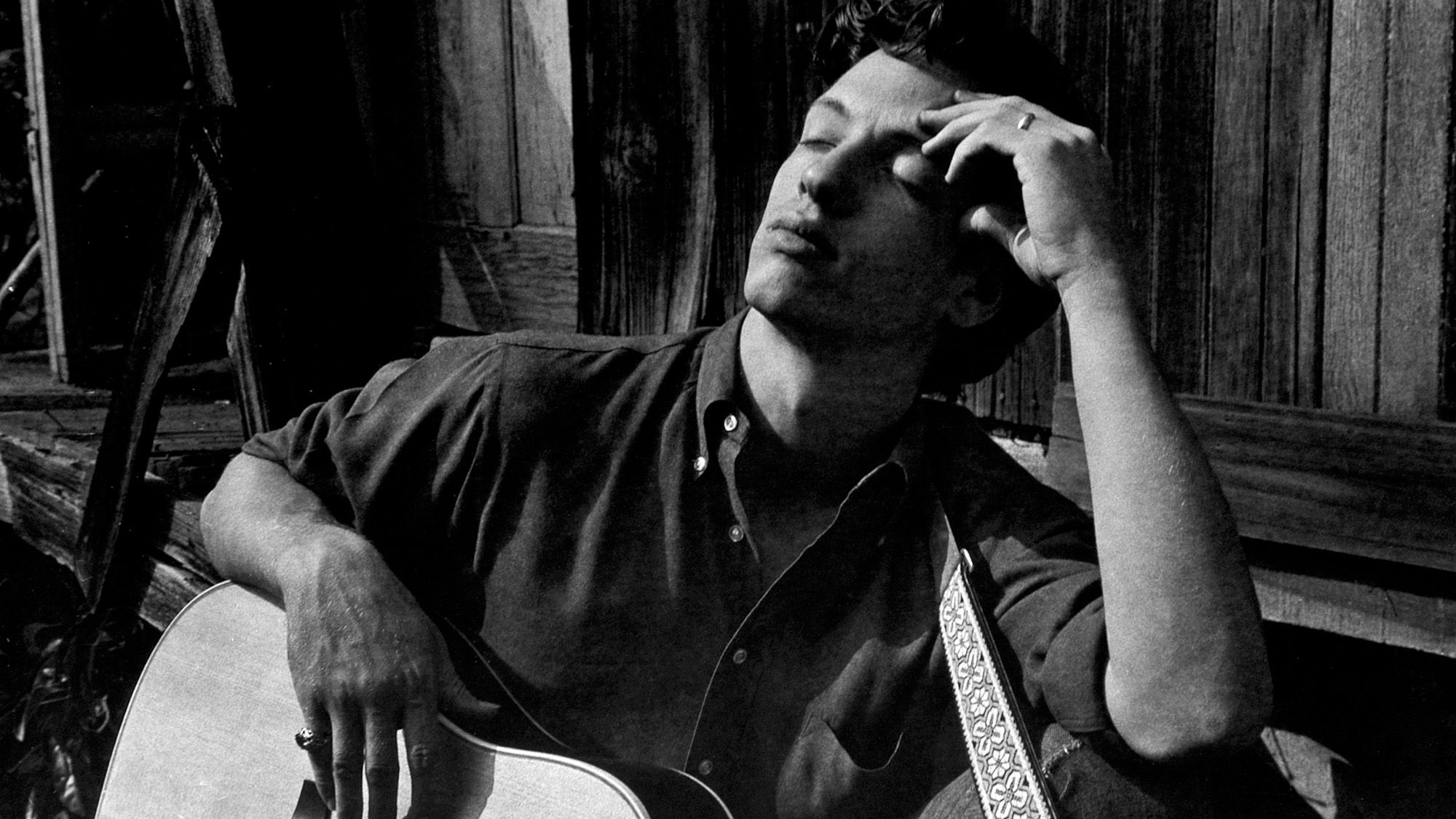
Unplugged: The Soulful Journey of Blues Legend John P. Hammond
0 reactions
4 months ago
Beatbounty
Remembering John P. Hammond: A Blues Icon’s Legacy
the era of legendary black blues musicians is fading, and the recent passing of John P. Hammond at 83 due to cardiac arrest serves as a poignant reminder that the time is also slipping away for the white artists who were inspired by them.
“I’ve lost my closest friend,” expressed Paul James, a frequent collaborator and Grammy-winning guitarist, in one of the many heartfelt tributes.”The blues community has lost a true giant.”
A Promising Beginning
Born on November 13, 1942, in New York City, Hammond was the firstborn of renowned Columbia Records producer John Henry Hammond and hailed from the affluent Vanderbilt family. His lineage hinted at a future filled with musical meaning.
His middle name paid homage to the influential singer and civil rights advocate Paul Robeson. However, it was a pivotal encounter in 1949 with blues legend Big Bill Broonzy, a friend of his father, that ignited his passion for music.
Early Influences and Breakthrough
“By my early teenage years, I was wholly obsessed with the blues,” Hammond recalled, listing influential figures like lead Belly, Josh White, Brownie McGhee, and Chuck Berry, along with Jimmy Reed’s groundbreaking 1961 Carnegie Hall album. “Once I got my hands on a guitar, there was no turning back.”
After leaving Antioch Collage in Ohio, Hammond made his mark at the Newport Folk Festival and released his self-titled debut album in 1963 on Vanguard Records, which was one of the first full-length folk-blues albums by a white artist. Although he primarily covered classics from Muddy Waters, Robert Johnson, Son House, and Lightnin’ Hopkins, his unique interpretative style was already evident.
A Fixture in Greenwich Village
By the mid-1960s, Hammond had become a staple in the coffeehouses of new York’s Greenwich Village, serving as a vital link among the most critically importent artists of the time.
His 1965 album So Many Roads featured notable musicians like Mike Bloomfield and future members of The band-Levon Helm, Robbie Robertson, and garth Hudson. It was largely due to Hammond that Bob Dylan selected them as his backing band. Just three years later, he shared the stage with both Eric Clapton and Jimi Hendrix at the iconic Gaslight Café.In 1969, he briefly collaborated with Duane Allman.
Live Performances and Musical Style
Hammond was as captivating a live performer as any of his contemporaries, ultimately adopting a solo format that showcased his remarkable acoustic prowess, frequently enough using a vintage steel-bodied National guitar.
“Since I don’t earn rockstar money, I have to perform frequently,” he once quipped.
Bonnie Raitt praised him, stating, “John was not only a master of the guitar and harmonica, but he was also deeply immersed in the blues. I’ve never seen anyone so completely absorbed in their music as John was during his performances. He inspired me to learn blues guitar and sing the songs we cherished.”
A Lasting Impact
While Hammond may not have achieved the same level of fame as some of his 1960s peers, especially internationally, he outlasted many of them and proved to be a lasting talent. He received a BAFTA nomination for his work on the soundtrack for the 1970 film Little Big man and won a Grammy for his 1985 album Blues Explosion, amassing a remarkable discography of 34 albums by the time of his passing.
His performances over the decades were countless. “I play smaller theaters and clubs, and with experience, you learn how to conserve your energy,” he explained in a 1995 interview with the los Angeles Times.
A marathon runner in a world of sprinters, Hammond was a lifelong advocate for the blues, eager to mentor younger musicians while also asserting his own legacy.
“The first time I met John was on New Year’s Eve in 1991 when he opened for Buddy Guy at Irving Plaza in New York,” shared Joe Bonamassa on the day of Hammond’s passing. “I was invited to jam with Buddy that night. John handed me his 1930s national guitar with 14-gauge strings and smiled as I struggled to play it!”
Unplugged: The Soulful journey of Blues Legend John P. Hammond
Unplugged: The Soulful Journey of Blues Legend John P. Hammond
Early Life and Influences
John P. Hammond was born on November 13, 1942, in New York City, into a family steeped in musical heritage. As the son of renowned Columbia Records producer john Henry Hammond, he was exposed to a rich tapestry of music from an early age. His middle name, Paul, was a nod to the legendary singer and civil rights activist Paul robeson.
Hammond’s musical awakening came in 1949 when he met blues giant Big Bill Broonzy, a friend of his father’s. This encounter ignited his passion for the blues, leading him to explore the works of iconic artists such as:
Lead Belly
Josh White
Brownie McGhee
Chuck Berry
Musical Breakthrough
By his teenage years, hammond was a self-proclaimed blues fanatic. He left Antioch College in Ohio to pursue music full-time, making his debut at the Newport Folk Festival. In 1963, he released his self-titled album on Vanguard Records, marking one of the frist full-length folk-blues albums by a white artist.
Key Albums and Collaborations
Throughout his career, Hammond released numerous albums that showcased his unique style and deep understanding of the blues. Some of his most notable works include:
Album Title
Release Year
Notable Collaborators
So Many Roads
1965
Mike Bloomfield, Levon Helm
Blues Explosion
1985
Various Artists
Little Big Man (Soundtrack)
1970
Dustin Hoffman
Live Performances and Style
Hammond was known for his captivating live performances, often using a solo format that highlighted his exceptional acoustic guitar skills. His most famous instrument was an antique steel-bodied National guitar, which contributed to his distinctive sound.
Memorable Performances
Throughout his career,Hammond shared the stage with some of the biggest names in music,including:
Eric Clapton
Jimi hendrix
Duane Allman
His ability to connect with audiences made him a beloved figure in the blues community. Bonnie Raitt once remarked, “John was totally possessed by the blues. He inspired me to learn blues guitar and sing the songs we loved.”
The Legacy of John P. Hammond
Despite not achieving the same level of fame as some of his contemporaries, Hammond’s influence on the blues genre is undeniable. He survived the tumultuous 1960s music scene and continued to produce music that resonated with fans and fellow musicians alike.
A Lifelong Ambassador for the Blues
hammond was not only a performer but also a mentor to younger generations of musicians. He was known for his willingness to share his knowlege and passion for the blues, helping to keep the genre alive and thriving.
Emotional Connection: His soulful performances evoke deep emotions and resonate with listeners.
Musical Education: His interpretations of classic blues songs provide valuable insights into the genre’s history and evolution.
Inspiration: Hammond’s dedication to his craft serves as motivation for aspiring musicians.
Practical Tips for Aspiring Blues Musicians
If you’re inspired by John P. Hammond and wont to delve into the world of blues music, consider the following tips:
Learn the Basics: Start with fundamental guitar techniques and blues scales.
Listen Actively: Immerse yourself in blues music by listening to various artists, including Hammond.
Practice Regularly: Dedicate time to practice your guitar skills and vocal techniques.
Perform Live: Seek opportunities to perform in local venues to gain experience and confidence.
First-Hand Experiences with John P. Hammond
many musicians have shared their experiences with John P. Hammond, highlighting his generosity and passion for music. Joe Bonamassa recalled meeting Hammond on New Year’s Eve in 1991, where he was invited to jam with Buddy Guy. Hammond handed him his vintage National guitar, showcasing his willingness to share his instruments and knowledge.
Join the Beatbounty Community
For those looking to connect with fellow musicians and share their passion for music, consider creating an account on the Beatbounty platform. Here, you can submit ads, collaborate with other artists, and explore opportunities in the music industry.