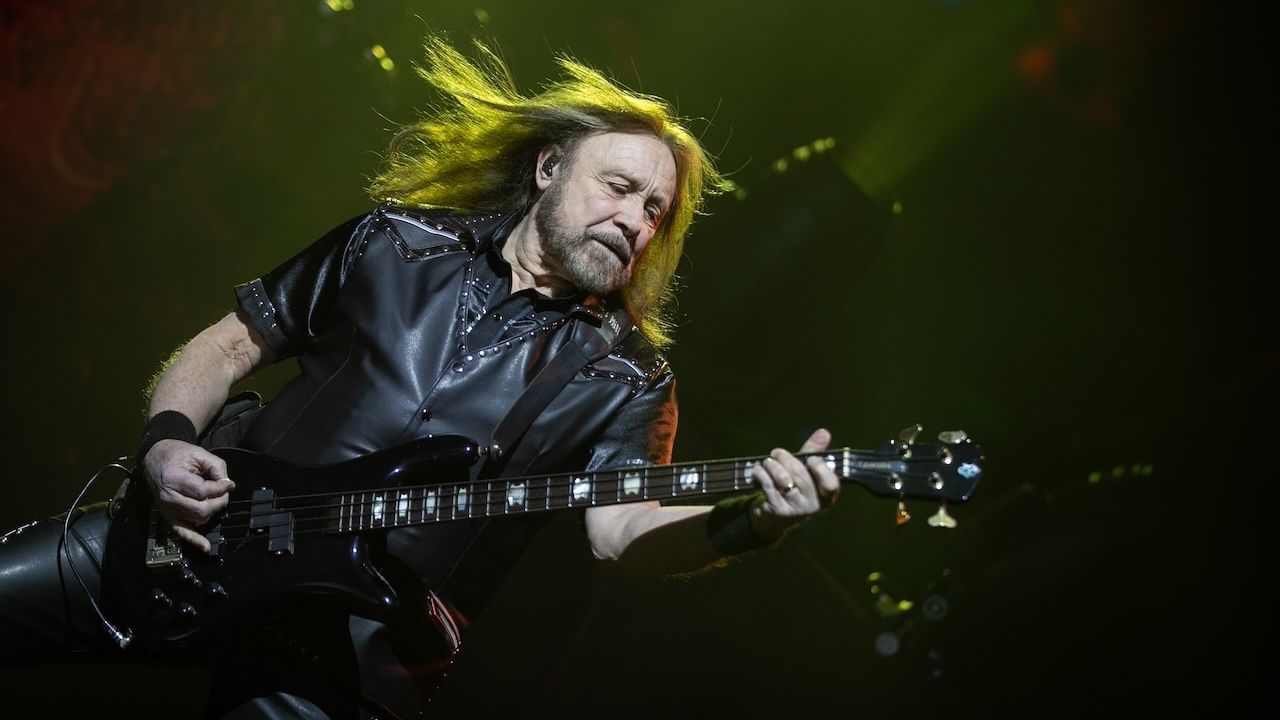
Formed in 1970 in Birmingham, England, Judas Priest set the standards for generations of heavy metal to come. Along the way, bassist Ian Hill watched the genre evolve through countless trends, from the rise of thrash to the more theatrical, masked aesthetic of modern metal.
Having recently retired, Hill has always been clear-eyed about what separates the lasting greats from the passing fads – believing that, beneath the surface, the fundamentals have never really changed.
“I still listen to the same stuff I was listening to 30 years ago,” said Hill, speaking to Bass Player back in 2002. “New metal has a lot to offer, but you take away the masks and the bullshit, and it’s the same stuff I was listening to in the ’70s.
Latest Videos FromGuitar World
“But it’s keeping the genre alive and introducing a new generation to metal – and that’s good news, because it will encourage people to look back at the classic metal bands, including Judas Priest.”
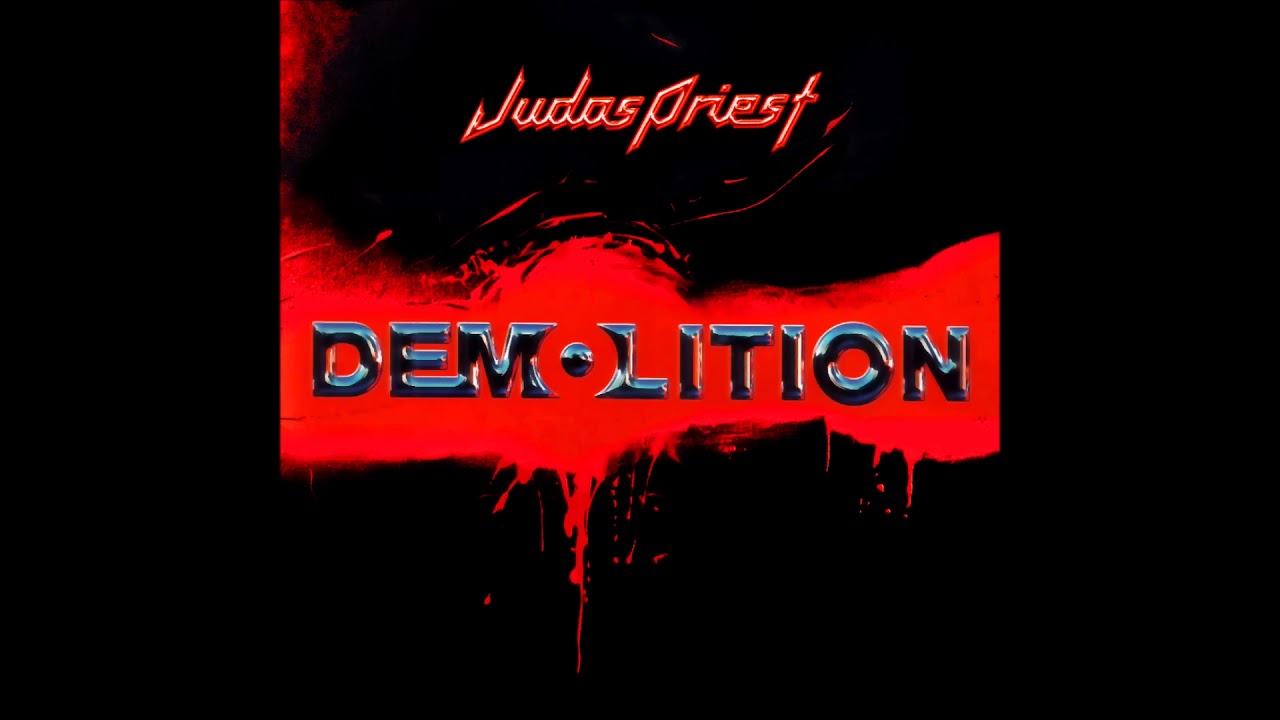
Having long remained faithful to its original sound, Priest expanded its horizons with 2001’s Demolition album, tuning down a whole-step to incorporate the darker tones associated with grunge and nu-metal.
Watch On
“With Jugulator and Demolition, we started using the bass guitar in a more melodic fashion. That made a big difference in my approach to writing parts.
“I actually put the lower four strings of a 5-string set onto the Spector and set up the neck for the heavier strings, tuned down to ADGC. I had tried using a Hamer 5, but it didn’t sound as good on tape.
“On Demolition I actually played melody lines over the rhythm guitars on songs like In Between and the ballad Lost and Found.”
What was your studio setup for that album?
I used a Trace Elliot 122HSMX combo with two 10s, a tweeter, and a 12-band graphic EQ. We got a great sound from that little amp. I used that with a Marshall 2×15 cabinet for the lows.
Watch On
I ran a DI for a clean line and another line through a Zoom 506 multi-effect pedal to dirty up the sound on some songs. The full bass sound was a meld of all those different resources.
I played my Spector NS2 4-string, and I did a few things on a Washburn AB20 acoustic bass guitar, too.
In what ways has your backline rig changed over time?
I started out with homemade speaker cabinets and an old Linear 30 amp. Then I got a Park 100-watt amp with either a Marshall or Park 4×12 cabinet. After that, I went to a Marshall rig, because that was what everybody aspired to have – but it didn’t sound that good, and I was forever blowing those Celestion speakers.

Then around 1977 I tried an Acoustic amp – the amplifier was in the speaker cabinet and the preamp was on top. That’s all I could afford at the time. But as we started to get popular, I went over to the Acoustic 360 heads and the 301 cabs. I had four heads and six cabinets onstage. I used that rig until 1985.
After that, I had a rig built for me by a company in Florida called EARS. They built me four cabinets with two 15s and two 12s; I used two on each side of the stage. I had all Ashly amplification. It sounded great, but it was enormous.
How would you describe your bass tone?
I like to think of it as a complete sound. I strive for a round, piano sort of tone. I like a lot of lows and highs; I pull out the mids with a graphic EQ.
Who were your original musical influences?
My biggest influence was Jack Bruce. Cream was very much a blues-based rock group, yet Jack seemed to steer well clear of established blues basslines; he did his own thing, which impressed me greatly.
Watch On
How have your style and technique evolved throughout your career?
They have evolved, but I’ve made no conscious effort to change things. I was playing with my fingers in the beginning, and then the band suggested that I try playing with a pick to cut through a bit more. Now I play most of the songs with a pick, but I also play some passages with my fingers.
I always play down by the bridge, and on softer passages I dampen the strings with the side of my hand and back off the bridge about an inch. As for the picks, I started out using really heavy-gauge ones, and now they’re medium-light. I find it’s easier to play with a lighter pick for the faster stuff we play now.
What advice can you offer on building stronger bass parts?
Listen to the song as a whole. Don’t just pick up on what the guitars are doing; listen to the drums and the vocals as well. It’s also important to listen to suggestions from other people, because they often come up with valid ideas.
If you take all those things into consideration, you’ll come up with the appropriate parts to best fit the song.

Do you maintain a regular practice routine?
Not any more. Before a tour I do a bit of practicing, but I don’t sit and play scales for hours. I run through the songs we’re going to do, get my calluses back, and get my fingers in shape. And I do the same before going in to record an album.
How do you warm up before a gig?
Interviews and photo sessions! Nothing, really; I’ve never found it necessary to warm up before a gig, and I usually don’t touch my bass until I’m onstage. I’ve found that I can just get onstage and get into the groove.