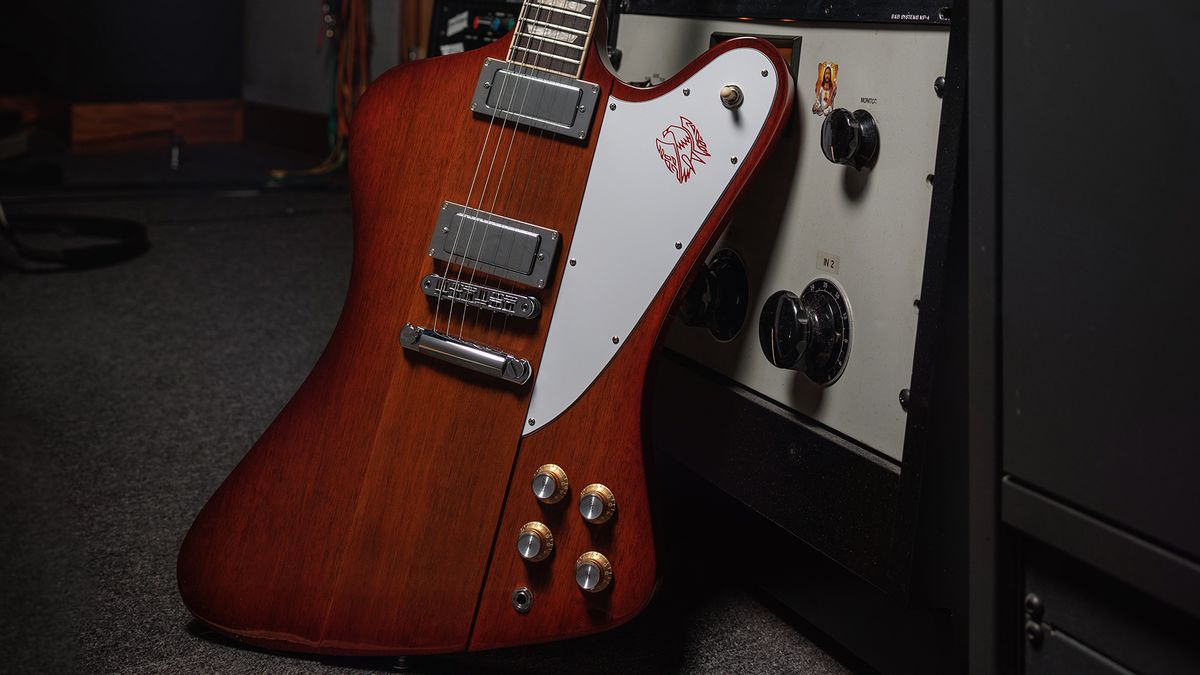
gibson’s Firebird Platypus: A Bold Revival of an Iconic Design
In the vibrant music scene of the 1960s, Gibson experimented with various iterations of its Firebird electric guitar, striving too perfect the offset design. Now, a unique version from that era, known as the Firebird Platypus, is making a triumphant return.
Recently, gibson has been on a nostalgic journey, resurrecting both well-known and obscure models from its archives. A notable example is the Theodore, a design sketched by former President Ted McCarty in 1957, which finally came to life in 2022. This revival trend also includes the Superstrat and the Victory,both from the same innovative period.
A Unique Blend of Styles
The Firebird Platypus continues this intriguing trend.After the Gibson Les Paul dominated the 1950s, Fender regained traction at the start of the next decade, prompting Gibson to seek a fresh design to rival the Stratocaster and Telecaster. initial attempts included the Explorer and Flying V, but it was the collaboration with car designer Ray Dietrich that lead to the creation of the Platypus, which introduced a new aesthetic with its curvy body.
Innovative Features
The Platypus marked a significant departure from previous designs, being Gibson’s first neck-through model. It features reverse headstocks and banjo-style tuners, which were hallmarks of early Firebird models. this new design combined a reverse body with a non-reverse headstock for the first time, resulting in a flatter headstock with six-in-line tuners. This innovation was crucial in evolving the Firebird design, which remains a favorite among musicians even after six decades.
Named for its headstock’s bill-like appearance, the Platypus was introduced in 1965. While most Firebird models can be categorized as either “reverse” or “non-reverse,” the Platypus uniquely embodies elements of both styles. Its reverse body showcases a raised center section, a common feature of Firebirds, while also incorporating the classic Gibson set-neck construction found in non-reverse models.
The reissued Platypus boasts a mahogany glued-in set neck and a traditional neck-through Reverse Firebird body, enhanced with modern refinements.The headstock has been slightly adjusted to ensure a straight string pull,reducing friction and enhancing tuning stability. Additionally, it features a SlimTaper neck with a 12-inch radius for improved playability.

Classic Sound Meets Modern Design
The Platypus features a rosewood fingerboard with 22 frets and Acrylic Trapezoid inlays, complemented by an aluminum Nashville Tune-o-matic bridge and Grover Mini Rotomatic tuners. The white three-ply pickguard proudly displays the Firebird’s iconic crest, hot-stamped for authenticity.
In terms of pickups, Gibson has opted for past accuracy with Firebird Mini humbuckers, equipped with Alnico 5 magnets. This setup delivers a “bell-like chime” when played clean, alongside rich rock and blues tones when pushed, ensuring ample articulation.Each pickup is paired with its own volume and tone control, along with a three-way pickup selector switch.

According to Gibson’s master luthier, Jim DeCola, the pickups are integral to the guitar’s revival.“The pickups utilize black mounting rings topped off with traditional chrome trim rings for classic sound,aesthetics,and enhanced performance,” he explains. “the mounting rings beneath the trim rings keep the pickups parallel to the strings, ensuring improved output and balance.We believe the new Firebird Platypus encapsulates the best features of Firebird design, aesthetics, sound, and playability.”
Availability and Pricing
“We had discontinued the Firebird at Gibson USA for a few years,” shares Mat koehler, vice president of product. “When we decided to bring it back, we aimed to do it in a way that hadn’t been done since 1965. To me, this is my favorite version of the Firebird as of the tuners positioned on the top side.”
The Firebird Platypus is available in Tobacco Sunburst, Ebony, and Vintage Cherry color options, each priced at $2,499.
For more information, visit Gibson’s official website.